
Is your puppy growing fast and starting to look less like a baby and more like an adult dog? You might be wondering if it’s time to switch from puppy food to adult dog food.
You want to make sure you’re giving your 10-month-old pup the right nutrition to keep them healthy and happy. But is adult dog food really the best choice for your furry friend at this stage? Keep reading to find out what experts say and how you can make the best decision for your puppy’s diet.
Puppy Vs Adult Dog Food
Choosing the right food for your 10-month-old puppy can feel confusing. Puppy food and adult dog food are formulated differently to meet the unique needs of dogs at different life stages. Understanding these differences helps you make the best choice for your growing furry friend.
Key Nutritional Differences
Puppy food contains higher levels of protein and fat compared to adult dog food. These nutrients support energy and muscle development during rapid growth phases.
Calcium and phosphorus are carefully balanced in puppy food to promote strong bones and teeth. Adult dog food usually has lower amounts since the growth phase is complete.
Many puppy formulas also include added DHA, an omega-3 fatty acid that supports brain and eye development. Adult dog food often lacks this nutrient or has it in smaller quantities.
Impact On Growth And Development
Feeding your puppy adult food too early may slow their growth or cause nutritional gaps. Your puppy’s body needs extra nutrients to build a healthy frame and immune system.
On the other hand, keeping your dog on puppy food for too long might lead to excessive weight gain. This can put stress on developing joints and cause health problems later.
Ask yourself: Is your puppy still growing rapidly or settling into adulthood? This can guide when to transition. Watching their energy levels, weight, and overall health can give clues too.
Credit: www.houndsy.com
When To Transition To Adult Food
Deciding when to switch your 10-month-old puppy to adult dog food can feel tricky. The timing affects their growth, energy, and overall health. Watching your puppy closely for certain signs and considering their breed and size will help you make the right choice.
Signs Your Puppy Is Ready
Your puppy might be ready for adult food if you notice changes in their activity and growth. Are they less hyperactive but more focused during playtime? That’s a clue their energy needs are shifting.
Also, check their body shape. If your puppy looks leaner and their baby fat is fading, it might be time to switch. Puppies who have reached about 80% of their expected adult weight often handle adult food better.
Another sign is their digestion. If your puppy’s tummy seems more stable and less sensitive, their system is adapting to solid foods, which means adult food could be suitable.
Breed And Size Considerations
Small breeds mature faster than large or giant breeds. For instance, a Chihuahua might be ready for adult food around 9 to 10 months, while a Great Dane may need puppy food for up to 18 months.
Large breeds require special puppy formulas longer because their bones and joints need extra support during growth. Switching too early can lead to health problems later on.
Ask yourself: How big will your dog be? If you’re unsure, check with your vet or breeder to learn your puppy’s growth timeline. Tailoring the switch to their breed size can prevent nutritional gaps.
Risks Of Feeding Adult Food Too Early
Feeding adult dog food too soon can cause digestive upset and nutrient imbalances in puppies. Their growing bodies need special nutrients found only in puppy food. Early switching may slow growth and affect overall health.
Feeding your 10-month-old puppy adult dog food might seem like a convenient option, but it comes with its risks. Puppies have specific dietary needs that differ from adult dogs, and transitioning them too early can lead to potential health issues. Ensuring your puppy receives the right nutrients is crucial for their growth and development.Nutritional Deficiencies
Puppies require a higher caloric intake than adult dogs, and adult dog food is not formulated to meet this demand. If your puppy lacks the necessary calories, they might experience stunted growth or lack the energy they need for their active lifestyle. Essential nutrients like calcium and phosphorus are also crucial for bone development, and deficiencies in these can lead to skeletal issues. Imagine you’re trying to build a house without enough bricks. That’s how your puppy’s body feels when it doesn’t get the nutrients it needs. Wouldn’t you want to give them the best start possible?Digestive Issues
Puppies have sensitive stomachs, and introducing adult dog food too early can upset their digestive system. Adult dog food typically contains different ingredients and nutrient concentrations that your puppy’s system might not handle well. This can lead to diarrhea, vomiting, or even more severe digestive problems. Think about the last time you ate something that didn’t agree with you. Now, imagine your puppy experiencing that discomfort without being able to tell you. Monitoring your puppy’s diet closely can save them from unnecessary pain. By understanding these risks, you can make informed decisions about your puppy’s nutrition. Keep their health in check by choosing the right food for their age and size. Are you ready to ensure your puppy grows into a healthy adult dog?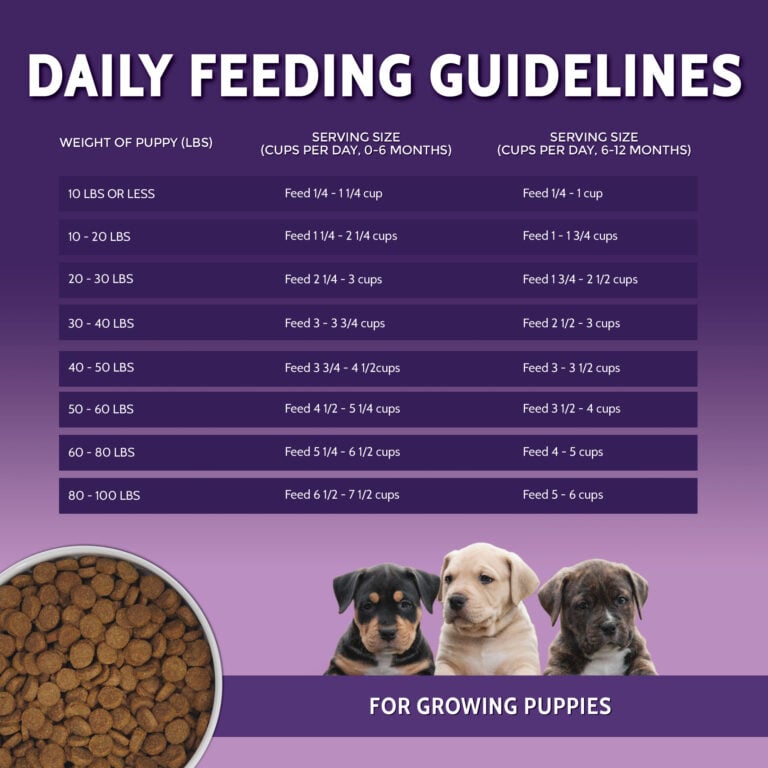
Credit: zignature.com
How To Switch Dog Food Safely
Switching your 10-month-old puppy from puppy food to adult dog food requires careful handling to avoid upsetting their sensitive digestive system. A sudden change can cause stomach issues, but a well-planned transition helps your puppy adapt smoothly. Let’s look at how to make this switch safely while keeping your puppy happy and healthy.
Gradual Transition Steps
Start by mixing a small amount of adult dog food into your puppy’s current food. Over about a week, slowly increase the portion of adult food while decreasing the puppy food.
- Day 1-2: 25% adult food, 75% puppy food
- Day 3-4: 50% adult food, 50% puppy food
- Day 5-6: 75% adult food, 25% puppy food
- Day 7: 100% adult food
This slow change helps your puppy’s digestive system adjust without discomfort. Have you noticed how your puppy reacts to food changes? Watch for any signs of hesitation or fussiness during meals.
Monitoring Your Puppy’s Health
Keep a close eye on your puppy’s behavior and stool consistency throughout the transition. Loose stools, vomiting, or decreased appetite can signal digestive upset.
If any of these symptoms appear, slow down the transition and give your puppy more time to adjust. Also, check for energy levels—does your puppy seem less playful or lethargic? These can be clues that the new food isn’t agreeing with them yet.
Regularly consult with your vet during this process. They can offer advice tailored to your puppy’s specific breed and health needs, ensuring the switch supports their growth and wellbeing.
Expert Tips For Feeding 10 Month Old Puppies
Feeding a 10 month old puppy needs careful attention. This age is a key growth period. Puppies start to need different nutrients than young pups. Transitioning to adult dog food can be confusing. The goal is to keep your puppy healthy and active. Experts suggest focusing on the right food and nutrient balance. These tips help your puppy grow strong and happy.
Choosing The Right Food
Pick food made for puppies close to adult size. Large breeds have special needs. Small breeds need food with more calories. Check the label for “complete and balanced” statement. This means the food meets set nutrition rules. Avoid sudden food changes. Mix new food with old for a week. Watch your puppy’s weight and energy. Adjust food type or amount if needed.
Balancing Nutrients
Puppies need protein for muscles and growth. Fats supply energy and support brain health. Carbohydrates give fuel for daily activity. Vitamins and minerals help bones and teeth. Calcium and phosphorus are vital for growing bones. Overfeeding nutrients can cause health problems. Use feeding guides on the package. Talk to your vet about supplements. Fresh water must be available at all times.
Credit: www.thinkjinx.com
Alternative Options To Adult Food
Choosing the right food for a 10-month-old puppy can be tricky. Adult dog food may not meet all their growing needs. Alternative options offer balanced nutrition tailored to this stage. These choices support healthy development and energy levels.
Senior Puppy Formulas
Senior puppy formulas suit dogs transitioning from puppy to adult food. They provide nutrients for growth and maintenance. These formulas have controlled calories to avoid weight gain. Proteins and fats are balanced for muscle and coat health. Vitamins and minerals support bone strength and immunity. Feeding senior puppy food helps avoid sudden diet changes. It eases the puppy’s digestion and nutrient absorption.
Homemade And Raw Diets
Homemade diets give control over ingredients and freshness. They can include cooked meats, vegetables, and grains. Raw diets focus on uncooked meat, bones, and organs. Both diets can meet nutritional needs if balanced well. Consult a vet or pet nutritionist to ensure safety. These diets may improve digestion and energy. Preparation requires time and care to avoid nutrient gaps.
Frequently Asked Questions
Can A 10 Month Old Puppy Eat Adult Dog Food?
A 10 month old puppy can eat adult dog food if it is healthy and active. However, puppies need higher nutrients for growth. Consult your vet before switching to ensure proper nutrition and avoid digestive issues.
When Should I Switch My Puppy To Adult Dog Food?
Most puppies switch to adult dog food between 9 and 12 months. This depends on breed size and growth rate. Large breeds may need puppy food longer. Always consult your vet to determine the best time for the switch.
What Are The Risks Of Feeding Adult Food Early?
Feeding adult dog food too early can cause nutritional deficiencies. Puppies may miss essential proteins, fats, and vitamins needed for growth. This can lead to poor development, weak immunity, and digestive problems. Follow your vet’s advice for proper feeding guidelines.
How To Transition From Puppy To Adult Dog Food?
Transition gradually over 7 to 10 days. Mix increasing amounts of adult food with puppy food daily. This helps prevent stomach upset and allows your puppy to adjust to new nutrients smoothly.
Conclusion
Your 10-month-old puppy still needs special food for growth. Adult dog food may lack important nutrients for puppies. Switching too soon can affect their health and energy. Always check with your vet before changing diet. Feeding the right food helps your puppy grow strong.
Keep your puppy healthy with balanced, age-appropriate meals. Watch their behavior and weight for signs of change. Careful feeding leads to a happy, healthy dog.