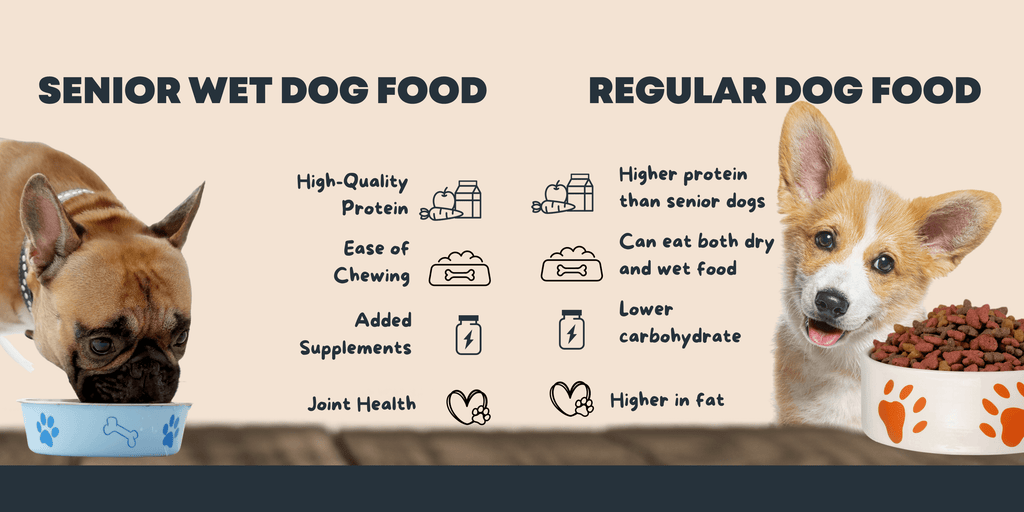

You want the best for your dog, especially when it comes to their food. But how do you know when it’s the right time to switch from puppy food to adult dog food?
Giving your dog the wrong type of food can affect their health and energy. You’ll discover the signs to look for and the best moment to make the change. Keep reading to make sure your furry friend stays happy and healthy every step of the way.
Credit: www.webbox.co.uk
Signs Your Dog Is Ready
Knowing when your dog is ready to switch to adult food can make a big difference in their health and happiness. It’s not just about age; there are several signs that show your furry friend is ready for this important change. Watching closely for these signs helps you make the switch at the right time, avoiding any nutritional gaps or digestive issues.
Age Milestones
Most dogs transition to adult food between 9 and 12 months old, but this depends on the breed. Smaller breeds tend to mature faster and might be ready closer to 9 months. Larger breeds, like Great Danes or Mastiffs, often need more time and may not be ready until 12 to 18 months.
Think about your dog’s breed and check with your vet before making the change. Have you noticed your puppy’s growth slowing down? That’s a good hint they’re moving out of the “puppy phase.”
Weight And Size Indicators
Weight and size can tell you a lot about readiness. When your dog reaches about 80% of their expected adult weight, it’s a strong sign they can handle adult food. If they’re still growing rapidly, stick to puppy food to support that growth.
Keep a record of your dog’s weight to track progress. Is your dog maintaining a healthy weight without sudden gains or losses? This stability often means their nutritional needs are shifting.
Behavioral Changes
Changes in behavior can signal readiness too. Puppies that become less hyperactive and start showing calmer, more mature behaviors might be ready for adult food. If your dog seems less hungry or more selective with their puppy food, it could mean their dietary needs are evolving.
Have you noticed your pup chewing less or eating slower? These subtle clues often indicate they’re ready to try something new. Pay attention to these signs—they tell you when your dog’s body and mind are ready for adult nutrition.
Credit: www.purina.com
Differences Between Puppy And Adult Food
Puppy food and adult dog food serve different purposes. Puppies grow fast and need specific nutrients. Adult dogs require balanced nutrition to maintain health. Feeding the right food at the right time supports your dog’s life stage well.
Nutritional Needs
Puppy food has more protein and fat. These nutrients help build muscles and energy. Puppies also need extra vitamins and minerals for growth. Adult dog food focuses on maintaining health. It has less protein and fat to prevent weight gain.
Calorie Content
Puppies burn more calories due to growth and play. Puppy food is calorie-dense to meet this demand. Adult dogs need fewer calories to avoid obesity. Adult food is designed with lower calorie content. This helps keep your dog at a healthy weight.
Ingredient Variations
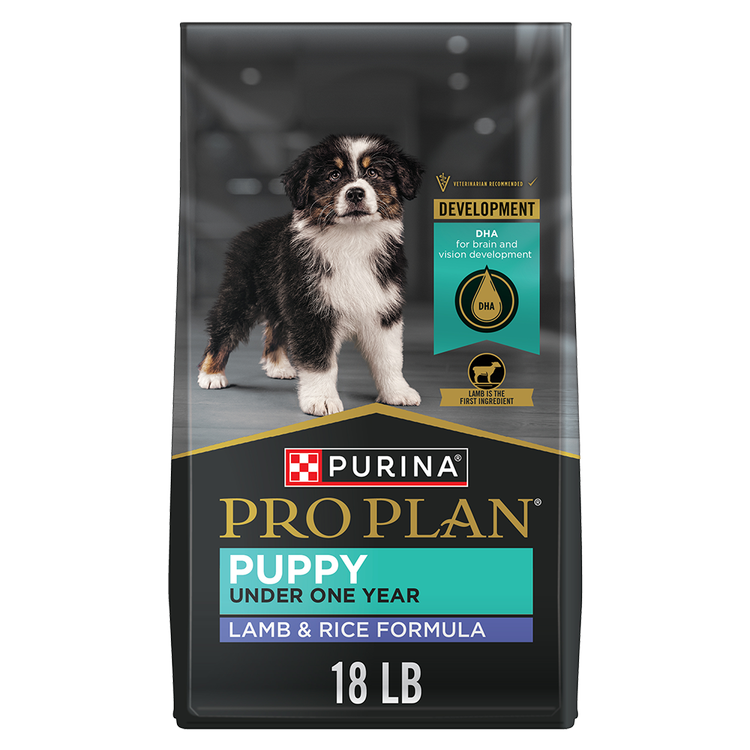
Puppy food often contains higher-quality ingredients for easier digestion. It includes DHA, an omega-3 fatty acid for brain development. Adult food emphasizes ingredients for joint health and digestion. It may have added fiber and antioxidants to support aging dogs.
Timing The Transition
Timing the transition from puppy food to adult dog food is important for your dog’s health. Feeding adult food too early or too late can affect growth and nutrition. Understanding the right time helps your dog stay strong and healthy.
Ideal Age Range
Most dogs switch to adult food between 9 and 12 months. Small breeds may change earlier, around 9 months. Large breeds often need more time, up to 12 or 18 months. Breed size matters because growth rates vary.
Gradual Switching Process
Changing food suddenly can upset your dog’s stomach. Mix a small amount of adult food with puppy food. Slowly increase adult food over 7 to 10 days. This helps your dog adjust to the new taste and nutrients.
Monitoring Your Dog’s Reaction
Watch for changes in energy, appetite, and stool quality. If your dog shows signs of discomfort, slow the transition. Healthy skin and shiny coat show good nutrition. Consult a vet if problems continue during the switch.
Breed And Size Considerations
Understanding when to switch your dog to adult food depends on breed and size. Different breeds mature at different rates. The size of the breed influences their growth and nutritional needs. It’s crucial to tailor their diet to their specific stage of life.
Small Breeds
Small breeds mature faster than larger ones. They often reach adulthood by 9 to 12 months. Their fast metabolism requires nutrient-rich food. Transition them to adult food once they hit their mature size. Monitor their weight to avoid overfeeding. Small breeds can gain weight easily.
Medium Breeds
Medium breeds usually mature between 12 to 15 months. Their growth is steady and requires balanced nutrition. Watch for signs of maturity like reduced growth rate. Transition to adult food gradually to prevent digestive issues. Consult your vet for personalized advice based on your dog’s activity level.
Large And Giant Breeds
Large and giant breeds grow slower. They may take 18 to 24 months to mature. Their growth plates close later than smaller breeds. Proper nutrition is crucial to avoid joint problems. Choose large-breed-specific adult food for balanced growth. Always consult with your vet before making dietary changes.
Common Mistakes To Avoid
Giving your dog adult food at the right time is crucial, but many pet owners stumble on avoidable errors. These mistakes can affect your dog’s health and growth, so it’s important to spot and fix them early. Let’s look at some common pitfalls and how you can steer clear of them.
Switching Too Early Or Late
Changing your dog’s food too soon can disrupt their digestion and cause stomach issues. On the other hand, waiting too long might mean your dog misses out on vital nutrients needed for adult life.
Watch your dog’s breed size and growth rate closely. Large breeds often need to switch a bit later than small breeds. Ask yourself: are you rushing or delaying the change based on your dog’s actual needs?
Abrupt Changes
Suddenly swapping your dog’s food can lead to vomiting, diarrhea, or loss of appetite. Your dog’s system needs time to adjust to new ingredients and textures.
Instead, introduce the adult food gradually over 7-10 days. Mix increasing amounts of the new food with the old to prevent upset tummies. Have you ever noticed your dog’s reaction after a quick switch? That’s a clear sign to slow down.
Ignoring Nutritional Balance
Not all adult foods meet your dog’s specific health requirements. Ignoring the balance of proteins, fats, vitamins, and minerals can harm your dog’s energy and coat quality.
Check labels carefully and consult your vet for recommendations tailored to your dog’s age, size, and activity level. How often do you review your dog’s diet to ensure it fits their changing needs?
Credit: www.purina.com
Tips For A Smooth Transition
Switching your dog to adult food needs care and patience. A smooth change helps avoid stomach upset and keeps your dog happy. Follow these tips to make the transition easy and safe.
Mixing Foods Gradually
Start by mixing a small amount of adult food with your dog’s current food. Increase the adult food amount slowly over 7 to 10 days. This gradual change helps your dog’s stomach adjust without problems.
- Begin with 25% adult food and 75% puppy food.
- After a few days, change to 50% adult and 50% puppy food.
- Next, go to 75% adult food and 25% puppy food.
- Finally, feed 100% adult food.
Maintaining Consistent Feeding Times
Feed your dog at the same times every day. Regular feeding helps digestion and builds a healthy routine. Avoid sudden changes in feeding schedules during the transition.
- Set fixed times for breakfast and dinner.
- Keep portions consistent to avoid overeating.
- Watch your dog’s energy and hunger cues closely.
Consulting Your Veterinarian
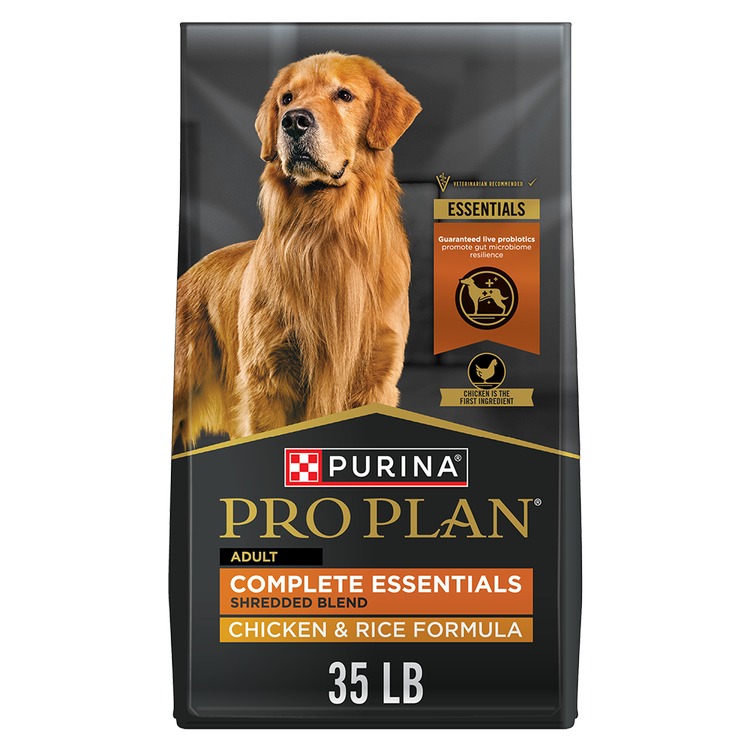
Talk to your vet before changing your dog’s diet. Your vet can offer advice based on your dog’s age, breed, and health. This ensures the new food meets all nutritional needs.
- Ask about the best adult food brands.
- Discuss any allergies or sensitivities.
- Request tips for a smooth food change.
Frequently Asked Questions
When Should I Switch My Puppy To Adult Dog Food?
Most dogs transition to adult food between 9 to 12 months. Large breeds may need adult food later, around 12 to 18 months. Consult your vet for breed-specific guidance to ensure proper nutrition during growth.
What Are Signs My Dog Needs Adult Food?
Signs include reaching full size, calmer energy, and slower growth rate. Puppies become less active and require fewer calories. Switching at the right time supports healthy weight and development.
Can Feeding Adult Food Too Early Harm Puppies?
Yes, feeding adult food too soon can cause nutrient deficiencies. Puppies need higher protein and fat for growth. Premature switching may stunt growth or cause health problems.
How To Choose The Right Adult Dog Food?
Select food based on your dog’s size, activity level, and health. Look for balanced nutrition with quality protein, fats, and essential vitamins. Consult your vet for personalized recommendations.
Conclusion
Feeding your dog adult food at the right time is important. Watch your dog’s size, age, and health closely. Most dogs switch to adult food around one year old. But some breeds need different timing. Choose food that fits your dog’s needs well.
Keep your dog happy and healthy with proper nutrition. Regular vet visits help guide the best food choices. Remember, good food supports a long and active life. Take care and enjoy every moment with your dog.
