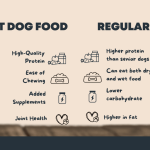
Are you wondering if it’s okay to feed your adult dog puppy food? You might think it’s harmless or even beneficial, but the truth isn’t that simple.
Giving your adult dog the wrong food can affect their health in ways you don’t expect. You’ll discover what happens when adult dogs eat puppy food, why their nutritional needs are different, and how to make the best choice for your furry friend.
Keep reading to ensure you’re giving your dog the right fuel for a happy, healthy life.
Differences Between Puppy And Adult Dog Food
Puppy food and adult dog food serve different purposes. Each type meets the specific needs of dogs at different life stages. Puppies grow fast and need extra nutrients. Adult dogs require balanced nutrition for maintenance and health. Understanding these differences helps pet owners choose the right food.
Nutritional Needs Of Puppies
Puppies need more calories to support rapid growth. They require higher protein levels for muscle development. Fat content is also increased to provide energy. Puppies need nutrients like calcium and phosphorus for strong bones. Their food supports brain and eye development too.
Nutritional Needs Of Adult Dogs
Adult dogs need fewer calories than puppies. Their food focuses on maintaining weight and muscle tone. Protein levels are moderate, enough to preserve muscles. Fat content is lower to prevent weight gain. Adult dog food includes ingredients for joint and heart health.
Key Ingredient Variations
- Protein:Higher in puppy food to build muscles.
- Fat:Increased in puppy food for energy supply.
- Vitamins and Minerals:Puppy food has added calcium and DHA.
- Fiber:Adult food often has more fiber for digestion.
- Calories:Puppy food is calorie-dense; adult food is balanced.
Potential Benefits Of Feeding Puppy Food To Adults
Feeding adult dogs puppy food might seem unusual, but it can offer some surprising benefits in certain situations. Puppy food is designed to support rapid growth and high energy needs, which means it packs more nutrients than typical adult dog food. If your dog has specific needs, switching to puppy food temporarily could actually help improve their health and energy levels.
Higher Nutrient Density
Puppy food contains more protein, fat, and calories per serving than adult dog food. This higher nutrient density helps support muscle maintenance and overall vitality. If your adult dog is very active or has trouble maintaining weight, the extra nutrients in puppy food can provide a useful boost.
Support For Active Or Working Dogs
Dogs that work hard—like service dogs, hunting dogs, or those with high exercise routines—burn more calories daily. Puppy food’s richer formula can help meet these increased energy demands. Have you noticed your working dog feeling low on stamina? Feeding puppy food might help them stay energized throughout the day.
Aid In Weight Gain Or Recovery
Adult dogs recovering from illness or surgery often struggle to regain weight. Puppy food’s calorie-dense makeup can support faster recovery by providing essential nutrients for tissue repair. If your dog has lost weight or is underweight, offering puppy food temporarily can be an effective way to help them bounce back.
Risks Of Feeding Puppy Food To Adult Dogs
Feeding adult dogs puppy food can cause weight gain and digestive problems. Puppy food has extra nutrients that adult dogs do not need. Over time, this can lead to health issues like obesity or upset stomach.
Feeding puppy food to adult dogs might seem harmless at first glance, but it comes with several risks that can affect your dog’s health and well-being. Puppy food is specially formulated to meet the high energy and nutrient needs of growing puppies. When given to adult dogs, it can lead to a range of issues that can be easily avoided with the right diet. Let’s dive into the specific risks involved.Excess Calories And Weight Gain
Puppy food is packed with extra calories to support the rapid growth of young dogs. When adult dogs consume these extra calories, they can quickly put on weight. Obesity in dogs can lead to a host of problems, including joint pain, diabetes, and heart disease. Have you ever noticed your dog looking a bit rounder than usual? It might be time to reevaluate their diet. Switching from puppy food to adult dog food can help maintain a healthy weight.Imbalanced Nutrient Intake
Puppy food often contains higher levels of certain nutrients that adult dogs simply don’t need in such quantities. Calcium and phosphorus, for instance, are vital for puppy bone development but can cause imbalances in adult dogs. These imbalances might not be immediately visible but can lead to long-term issues. Ensuring your dog receives the right nutrient balance can prevent potential health problems down the line.Possible Digestive Issues
Adult dogs have different digestive needs compared to puppies, and puppy food can be too rich for their systems. This can result in digestive issues such as diarrhea or an upset stomach. Have you ever had to clean up after your dog unexpectedly? It’s not fun, and feeding them the right food can help avoid these messy situations. Opting for a diet suited to their age can keep their digestive system functioning smoothly. Choosing the right food for your adult dog is crucial for their health and happiness. By understanding the risks associated with feeding them puppy food, you can make informed decisions that benefit your furry friend. Are you ready to make the switch and prioritize your dog’s well-being?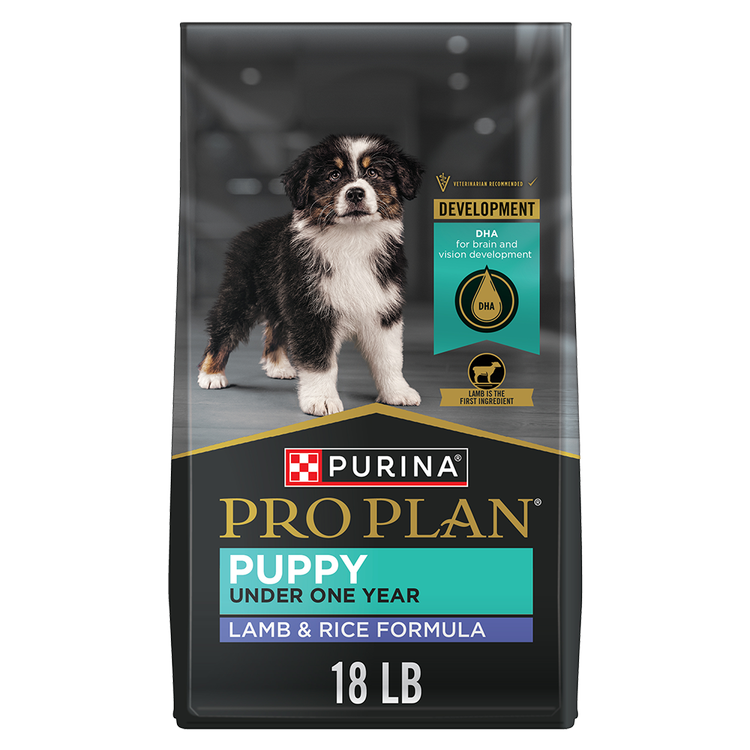
Credit: www.purina.com
When Puppy Food Might Be Appropriate For Adult Dogs
Sometimes, feeding adult dogs puppy food might be more than just a mistake—it could be a smart choice. While adult dog food is generally the best option, certain situations call for the extra nutrients found in puppy formulas. Understanding when this switch makes sense can help you support your dog’s health effectively.
Growth Or Health Conditions
Some adult dogs may have special growth or health needs that require more calories and nutrients than typical adult dog food provides. Dogs recovering from surgery or illness often benefit from the richer content in puppy food.
If your dog has trouble maintaining weight or needs extra protein to build muscle, puppy food might be a practical option. Have you noticed your dog losing weight despite regular meals? This could be a sign to consider puppy food temporarily.
Pregnancy Or Lactation
Pregnant or nursing dogs need extra energy and nutrients to support themselves and their puppies. Puppy food offers higher levels of fat, protein, and vitamins, which can help meet these increased demands.
Feeding puppy food during pregnancy or lactation can improve milk quality and puppy growth. It’s a straightforward way to ensure your dog gets the right fuel without complicated supplements.
Veterinarian Recommendations
Your vet is the best guide for deciding whether puppy food suits your adult dog’s needs. They can assess your dog’s health status and recommend the right diet based on specific conditions.
Don’t hesitate to ask your vet if puppy food could benefit your dog temporarily. Following their advice can prevent nutritional imbalances and keep your dog thriving.
Alternatives To Puppy Food For Adult Dogs
Adult dogs need a diet that fits their stage of life. Puppy food is rich in calories and nutrients for growth. Feeding it to adult dogs regularly may cause weight gain or nutrient imbalance. Several better options exist for feeding adult dogs healthy meals.
Specialized Adult Dog Formulas
Adult dog foods are made to meet mature dogs’ needs. They have balanced protein and fat levels. These formulas support healthy weight and energy. They also contain vitamins for strong joints and a shiny coat. Choose a formula based on your dog’s size and activity.
Custom Diet Plans
Custom diet plans help with specific health needs. A vet can suggest meals to improve your dog’s health. Plans may include homemade meals or special commercial diets. This approach ensures your dog gets the right nutrients. It also helps control allergies and digestive issues.
Supplement Options
Supplements can boost your dog’s diet. Common options include omega-3 oils, glucosamine, and probiotics. They support skin, joints, and digestion. Supplements do not replace good food but add benefits. Always check with a vet before adding supplements.
Credit: www.thinkjinx.com
Tips For Transitioning Dog Food Safely
Changing your dog’s food requires care and patience to avoid upsetting their stomach or causing other health issues. Whether you’re switching from puppy food to adult food, or trying a new brand, the way you transition matters a lot. These tips help keep your dog’s digestion smooth and ensure they enjoy their meals without stress.
Gradual Food Changes
Switch your dog’s food slowly over 7 to 10 days. Start by mixing a small amount of the new food with their current food. Gradually increase the new food portion while decreasing the old one.
This slow change helps your dog’s digestive system adjust without causing diarrhea or vomiting. Have you noticed your dog refusing food suddenly? Sometimes, a quick switch can confuse them, so patience is key.
Monitoring Health And Behavior
Watch your dog closely during the transition period. Look for signs like changes in appetite, stool consistency, or energy levels.
If your dog seems lethargic or develops unusual symptoms, it might be a sign the new food isn’t agreeing with them. Keep a daily journal to track these changes—it can be very helpful if you need to talk to a vet later.
Consulting A Vet
Before making any major changes, ask your vet for advice. They can recommend the best food options based on your dog’s age, breed, and health condition.
Sometimes, what works well for one dog might not suit another, even if they are the same age. Your vet can guide you on how to transition safely and spot any underlying issues early.

Credit: www.petscare.com
Frequently Asked Questions
Can Adult Dogs Eat Puppy Food Safely?
Adult dogs can eat puppy food occasionally, but it’s not ideal long-term. Puppy food has higher calories and nutrients meant for growth. Feeding it regularly may cause weight gain or nutrient imbalance in adult dogs.
What Are The Risks Of Feeding Adult Dogs Puppy Food?
Feeding adult dogs puppy food can lead to obesity and digestive issues. Puppy food is richer in fats and proteins, which may overwhelm an adult dog’s metabolism and cause health problems over time.
How Is Puppy Food Different From Adult Dog Food?
Puppy food contains more calories, protein, and fat to support growth and development. Adult dog food has balanced nutrients for maintenance and health without excess energy.
Can Feeding Puppy Food Affect An Adult Dog’s Health?
Yes, it can cause weight gain, nutrient imbalance, and digestive upset. Adult dogs need food formulated for their age to maintain optimal health and prevent issues.
Conclusion
Adult dogs need food made for their age and size. Puppy food has more nutrients and calories than adults need. Feeding puppy food to adult dogs often causes weight gain or stomach issues. It is best to choose food designed for adult dogs’ health.
Always check with a vet before changing your dog’s diet. Healthy food helps your dog live longer and stay active. Remember, the right food keeps your dog happy and strong. Choose wisely for your furry friend’s well-being.