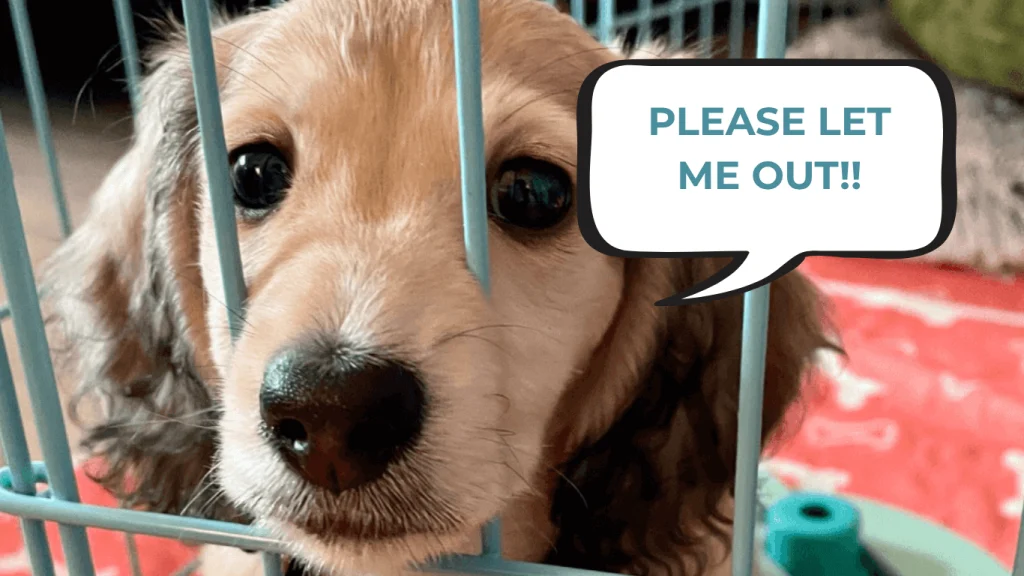

Does your dog cry nonstop, leaving you feeling helpless and frustrated? You’re not alone, and the good news is that you can teach your furry friend to stop crying.
Understanding why your dog cries and learning simple training techniques can bring peace back to your home. Keep reading, because with a few clear steps, you’ll discover how to calm your dog’s cries and strengthen your bond like never before.
Reasons Dogs Cry
Understanding why your dog cries is the first step to helping them stop. Dogs use crying as a way to communicate, but the reasons behind it can vary widely. By identifying the cause, you can address your dog’s needs more effectively and create a happier environment for both of you.
Separation Anxiety
Many dogs cry when left alone because they feel anxious and scared. Your dog might panic if they are not used to being apart from you. Have you noticed your dog pacing, drooling, or scratching at doors? These signs often come with crying and show deep distress.
To help, try gradually increasing the time you spend away from your dog. Practice short separations and reward calm behavior. This builds their confidence that you will always come back.
Hunger And Thirst
Crying can be your dog’s way of telling you they need food or water. If your dog cries around mealtimes or after exercise, check their bowls first. Sometimes, a simple need like an empty water dish can cause persistent crying.
Establish a consistent feeding schedule. This helps your dog know when to expect meals and reduces anxious whining for food.
Physical Discomfort
Dogs often cry if they are in pain or uncomfortable. It might be due to an injury, illness, or even something stuck in their paw. Crying combined with limping or reluctance to move can signal a health issue.
If your dog’s crying seems unusual or persistent, a vet visit is necessary. Don’t ignore signs of discomfort; early treatment can prevent serious problems.
Attention Seeking
Sometimes, your dog cries simply to get your attention. Dogs quickly learn that crying can make you look their way or come closer. Have you caught yourself giving in to their cries by petting or playing every time?
Try ignoring the crying and rewarding quiet behavior instead. This teaches your dog that calmness, not crying, gets your attention.
Fear And Stress
Certain situations, like loud noises or new environments, can make your dog scared and cause crying. Thunderstorms, fireworks, or crowded places might trigger this stress response. Your dog might also hide or shake along with crying in these moments.
Creating a safe, quiet space and using calming tools like blankets or gentle music can soothe your dog. Understanding what frightens them helps you prevent crying triggers.

Credit: www.dogsavvylosangeles.com
Preparing For Training
Before you start training your dog to stop crying, setting the stage properly can make all the difference. Preparing for training isn’t just about having the right tools; it’s about creating an environment where your dog feels safe and you stay focused. Let’s break down what you need to do to get ready.
Create A Calm Environment
Your dog’s crying often spikes when they feel overwhelmed or anxious. Creating a calm environment helps reduce these triggers and makes training more effective.
Choose a quiet room where distractions are minimal. Turn off loud music, close windows to block outside noise, and keep other pets or children away during training sessions.
Have you noticed how your dog reacts differently in a busy room versus a quiet corner? That difference shows how much your dog’s surroundings affect their behavior.
Gather Training Tools
Having the right tools ready means you can focus entirely on your dog without interruptions. Gather treats, a clicker if you use one, and a comfortable leash or harness.
Keep treats small and tasty to keep your dog motivated without overfeeding. You might also want a favorite toy handy for positive reinforcement.
Think about what your dog responds to best—food, praise, or play—and have those rewards within easy reach.
Set Realistic Goals
Training your dog to stop crying won’t happen overnight. Set clear, achievable goals for each session to keep yourself and your dog motivated.
Start with short training periods, around 5 to 10 minutes, focusing on reducing crying in specific situations like when you leave the room or during bedtime.
Ask yourself: What small change would count as progress today? Maybe it’s a minute less crying or your dog looking at you instead of whining.
Effective Training Techniques
Training your dog to stop crying requires patience and consistency. Use calm commands and reward quiet behavior. Avoid giving attention when your dog cries to discourage the habit.
Training your dog to stop crying can be both rewarding and challenging. It’s crucial to use techniques that are effective and humane. Understanding the reasons behind your dog’s crying is the first step. Once you know what triggers this behavior, you can apply the right training methods. Let’s dive into some proven strategies that can help your furry friend find calm and contentment.Positive Reinforcement
Positive reinforcement is a powerful tool in dog training. Reward your dog when they are calm and quiet. This can be through treats, praise, or a favorite toy. Consistency is key. Each time your dog stops crying, reinforce that behavior with something they love. Soon, they will associate silence with rewards.Ignoring Unwanted Crying
Sometimes, the best response is no response. If your dog cries for attention, ignoring them can teach that crying won’t get the desired result. Initially, this might increase their crying—this is known as the extinction burst. Stay strong and avoid giving in. With time, your dog will learn that silence is more effective in gaining your attention.Using Commands And Signals
Teach your dog commands like “quiet” or “enough.” Use a firm but calm voice when giving these commands. Pair the command with a hand signal for added clarity. Practice this regularly and always reward your dog when they respond correctly. This creates a clear communication channel between you and your pet.Gradual Desensitization
Gradual desensitization involves exposing your dog to triggers in small, manageable doses. If your dog cries when you leave the house, start by leaving for short periods. Gradually increase the time you’re away. This helps your dog become accustomed to your absence without feeling anxious. Patience is crucial here, as every dog adjusts at their own pace. How do these techniques resonate with your experience? Do you find one method more effective than the others? Remember, every dog is unique, and it may take some time to find what works best for yours.
Credit: www.indigodogtraining.co.uk
Managing Separation Anxiety
Separation anxiety is one of the main reasons dogs cry when left alone. It’s more than just missing you; it’s a deep stress that affects their behavior and well-being. Managing this anxiety requires patience and deliberate steps that help your dog feel safe even when you’re not around.
Short Departures Practice
Start by leaving your dog alone for very short periods. Even a few seconds at first can help. Gradually increase the time you are away, so your dog learns that you always come back.
Try to keep your departures low-key. Avoid making a big fuss when you leave or return. This reduces anxiety signals and helps your dog stay calm.
Comfort Items For Dogs
Give your dog something familiar to keep them company. A favorite blanket or a piece of your clothing can provide comfort. These items carry your scent, which reassures your dog that you are nearby.
Interactive toys or puzzle feeders can also distract your dog. They keep the mind busy and reduce stress. Have you noticed how your dog reacts to a new toy during your absence?
Consistent Routine
Dogs thrive on routine. Feeding, walks, and playtime should happen at the same times every day. This predictability helps your dog feel secure and less anxious.
Consistency in your behavior also matters. Use the same goodbye and greeting cues. This repetition signals safety and reduces confusion. How regular is your daily schedule for your dog?
Addressing Physical Needs
Addressing your dog’s physical needs is a key part of stopping crying. Dogs often cry because they feel hungry, restless, or unwell. Paying attention to these basic needs helps reduce discomfort and gives you a clearer picture of why your dog might be upset.
Regular Feeding Schedule
Hunger can be a silent trigger behind your dog’s crying. Feeding your dog at consistent times each day creates a sense of security and routine. You might notice your dog cries less once they know exactly when to expect their meals.
Try to feed your dog the same amount of food at regular intervals. Avoid sudden changes in diet or feeding times, as these can cause stress. Have you observed if your dog’s crying spikes near mealtime?
Exercise And Playtime
Dogs need physical activity to release pent-up energy that can lead to whining or crying. Daily walks, play sessions, or even simple fetch games can make a big difference. When I started playing ball with my dog every afternoon, the crying stopped within days.
Consider your dog’s breed and age when planning exercise. Too little activity can make them bored and anxious, but too much might tire them out excessively and cause discomfort. What kind of play does your dog enjoy most?
Health Checkups
Crying can sometimes signal pain or illness that isn’t obvious. Regular vet visits help catch health issues before they cause distress. If your dog’s crying suddenly increases, it’s worth a quick health check to rule out problems like ear infections or dental pain.
Keep a log of your dog’s behavior and share it with your vet. This can help identify patterns linked to physical discomfort. Have you noticed if your dog cries more after certain activities or at specific times?
When To Seek Professional Help
Knowing when to seek professional help is crucial if your dog’s crying becomes overwhelming or persistent. Sometimes, the cause might be more complex than simple attention-seeking or boredom. Recognizing the right moment to get expert support can save you stress and improve your dog’s well-being faster.
Behavioral Specialists
If your dog’s crying is linked to anxiety, fear, or other emotional issues, a behavioral specialist can offer tailored guidance. These experts assess your dog’s behavior patterns and help identify triggers you might not notice. Have you tried every trick but still hear that constant whimper? A specialist’s advice could be the missing piece.
Behavioral specialists often suggest specific training techniques or environmental changes. They work closely with you to create a plan that fits your dog’s unique needs. This personalized approach can make a big difference when basic training doesn’t work.
Veterinary Advice
Sometimes, crying is a sign of pain or a medical problem. If your dog suddenly starts crying more, or the sound changes, it’s time to visit the vet. Ignoring these signals can lead to bigger health issues.
Your vet can rule out illnesses or injuries that cause discomfort. They might also recommend treatments that ease your dog’s pain or anxiety. Have you noticed your dog’s crying spikes after exercise or at night? Mention these details—it helps your vet diagnose better.
Training Classes
Group or one-on-one training classes offer a structured environment to reduce crying through consistent practice. These classes teach you how to communicate with your dog effectively, which often reduces frustration on both sides.
Being around other dogs and people also helps your dog learn to stay calm in different situations. Have you felt stuck trying to train your dog alone? A professional trainer can provide the tools and encouragement you need.
Training classes often cover basic commands and emotional control, making it easier to manage your dog’s crying. Plus, you get to ask questions and get immediate feedback, speeding up the learning process.
Maintaining Long-term Results
Maintaining long-term results in training your dog to stop crying is key to a happy home. Consistency and patience keep your dog calm and well-behaved over time. Training is not a one-time task but a daily habit. Regular efforts help your dog understand expectations clearly. Stay committed to ensure lasting peace and good behavior.
Consistent Training
Train your dog daily with the same commands and routines. Use clear signals and avoid mixed messages. Consistency helps your dog learn faster and remember better. Keep training sessions short but frequent. This avoids boredom and frustration for your dog.
Monitoring Behavior Changes
Watch your dog’s behavior closely after training. Note any changes in crying or restlessness. Early detection of issues helps fix problems quickly. Keep a journal to track progress and setbacks. This record helps adjust training methods effectively.
Rewarding Good Conduct
Praise and reward your dog when it stays quiet and calm. Use treats, petting, or kind words as rewards. Positive reinforcement encourages your dog to repeat good behavior. Avoid punishing crying, which can increase anxiety. Celebrate small victories to build confidence.
Credit: www.dogsavvylosangeles.com
Frequently Asked Questions
How Can I Stop My Dog From Crying At Night?
Create a consistent bedtime routine for your dog. Provide comfort, exercise, and a quiet sleeping area. Avoid rewarding crying to prevent reinforcement.
Why Does My Dog Cry When Left Alone?
Dogs cry due to separation anxiety or boredom. Gradually train your dog to stay alone with positive reinforcement and distractions.
What Training Methods Work Best To Stop Dog Crying?
Use positive reinforcement like treats and praise. Teach commands such as “quiet” and redirect attention when your dog cries.
Can Exercise Help Reduce My Dog’s Crying?
Yes, regular exercise reduces stress and excess energy. A tired dog is less likely to cry or act out.
Conclusion
Training your dog to stop crying takes patience and care. Stay calm and consistent with your approach. Reward quiet behavior to encourage good habits. Avoid yelling, as it may cause more stress. Give your dog enough attention and exercise daily.
Over time, your dog will learn to be calm. You can enjoy a peaceful home again. Keep practicing, and results will come. Small steps lead to big changes. Your effort makes a happy, quiet dog possible.