
You want the best for your dog, especially when it comes to their health and nutrition. One big question many dog owners face is: when should your furry friend switch from puppy food to adult food?
Making this change at the right time can boost your dog’s energy, support their growth, and keep them feeling great. If you’re unsure about the perfect moment to make the switch, keep reading—this guide will help you understand exactly when and why it matters for your dog’s well-being.
Credit: askavet.com
Puppy Growth Stages
Understanding your puppy’s growth stages helps you decide the right time to switch their food. Each stage demands different nutrients to support healthy development. Watching these changes closely can guide you to provide the best nutrition.
From Newborn To Weaning
In the first few weeks, puppies rely entirely on their mother’s milk. This milk provides essential antibodies and nutrients to build their immune system. Around 3 to 4 weeks, you’ll notice puppies start trying solid food, signaling the weaning process.
During weaning, introduce soft puppy food gradually. Mixing puppy kibble with water or puppy formula works well. This transition is delicate—watch your puppy’s response to avoid digestive upset.
Rapid Growth Phase
Between 6 weeks and 6 months, puppies grow at an astonishing rate. Their energy needs skyrocket as bones, muscles, and organs develop quickly. Feeding a high-quality puppy formula with balanced proteins, fats, and vitamins is crucial during this phase.
Have you noticed how your puppy’s appetite seems endless during this time? It’s a good sign they are ready for more nutrient-dense meals. Overfeeding can cause problems, so measure portions carefully and adjust as your puppy grows.
Signs Of Maturity
Most dogs reach adulthood between 9 and 12 months, but this varies by breed size. Larger breeds take longer to mature than smaller ones. Look for signs like slowing growth rate, changes in coat texture, and stable weight to know when to switch to adult food.
Switching too early can leave your dog nutrient-deficient, while switching too late might lead to excess calories. Observing these signs helps you make that decision confidently. How well do you know your puppy’s breed and its unique growth timeline?
Differences Between Puppy And Adult Food
Understanding the differences between puppy and adult dog food is crucial for your dog’s health and growth. These foods are formulated with specific goals in mind, tailored to the life stage of your pet. Feeding your dog the right type of food at the right time supports their energy, development, and overall well-being.
Nutritional Needs
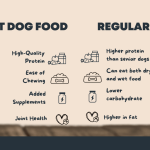
Puppies need more protein and fat to support rapid growth and development. Their food contains higher levels of essential nutrients like calcium and DHA for strong bones and brain health.
Adult dogs require balanced nutrition to maintain their body weight and muscle tone without promoting excessive growth. Their food focuses on sustaining health and preventing obesity.
Calorie Content
Puppy food has a higher calorie content to meet the energy demands of their active, growing bodies. Feeding adult dogs with puppy food can lead to unwanted weight gain.
Adult dog food contains fewer calories because their energy needs slow down after their growth phase. Monitoring calorie intake prevents health issues like diabetes or joint problems.
Ingredient Variations
Puppy formulas often include ingredients that support immune system development and digestive health, such as probiotics and antioxidants. These ingredients help puppies build resilience as they explore their world.
Adult dog food ingredients focus more on maintaining health and vitality, with added fiber for digestion and joint-supporting nutrients like glucosamine. Choosing the right ingredients can improve your dog’s quality of life as they mature.
Ideal Age To Switch
Transitioning dogs to adult food is a significant milestone. This change impacts their growth, health, and energy levels. But, the timing varies for each dog. Understanding the ideal age helps ensure they receive proper nutrition.
Breed Size Considerations
Breed size greatly affects the switch to adult food. Small breeds mature faster than larger breeds. This influences their dietary needs and timing. Small dogs may need adult food earlier. Large breeds take longer to mature, requiring a different approach.
Small Vs Large Breed Timing
Small breeds usually transition at nine to twelve months. Their growth plates close earlier than larger breeds. Large breeds need more time. They might not switch until 12 to 18 months. This delay ensures proper bone and muscle development.
Veterinarian Recommendations
Consulting a veterinarian is crucial when changing dog food. They provide guidance based on individual health needs. Vets consider factors like breed, weight, and growth rate. They offer personalized advice for the best dietary transition. Always prioritize professional recommendations for your pet’s health.
Transition Process
Transitioning your dog from puppy food to adult food requires care and attention. A smooth transition helps avoid stomach issues and keeps your dog happy. Follow simple steps for a healthy change.
Gradual Food Mixing
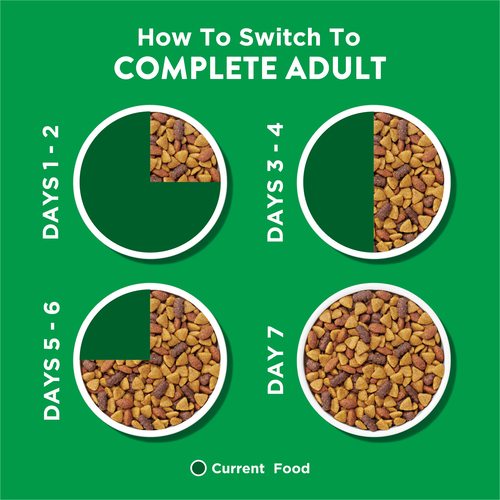
Start by mixing a small amount of adult food with puppy food. Increase the adult food portion slowly over 7 to 10 days. This gradual change helps your dog’s stomach adjust. Sudden switches can cause upset or diarrhea.
Monitoring Digestive Health
Watch your dog’s stool and energy levels during the transition. Soft stools or vomiting may signal a problem. If this happens, slow down the change or consult a vet. Healthy digestion is key to a successful switch.
Adjusting Portion Sizes
Adult food has different calorie levels than puppy food. Adjust portion sizes to match your dog’s age, weight, and activity. Overfeeding can lead to weight gain, while underfeeding may cause lack of energy. Use feeding guides on the food package as a start.
Signs To Delay Or Accelerate Switch
Knowing when to switch your dog from puppy to adult food is important. Some signs suggest delaying the change. Others show it’s time to accelerate the switch. Watching your dog closely helps make the right decision.
Weight Changes
Sudden weight gain means the current food may be too rich. Your dog might need adult food sooner. Slow or no weight gain can mean the puppy food is still needed. Puppies need more calories to grow strong and healthy.
Energy Levels
High energy and playful behavior usually mean the puppy food is working. Low energy or tiredness might signal a need for adult food. Adult food has different nutrients to support a calmer, mature dog.
Health Concerns
Digestive issues like diarrhea or vomiting may mean the food is not right. Hold off on switching and talk to your vet. Skin problems or allergies can also affect the decision. Your vet can recommend the best food based on health.
Common Mistakes To Avoid
Transitioning your dog to adult food is a significant step, but many pet owners stumble along the way. Avoiding common mistakes can make this change smoother and healthier for your furry friend. Let’s look at some pitfalls you should watch out for to keep your dog happy and thriving during this phase.
Sudden Food Changes
Switching your dog’s diet overnight can upset their stomach and cause digestive issues like diarrhea or vomiting. Dogs need time to adjust to new ingredients and nutrient balances.
Try mixing the adult food with the current puppy food over 7 to 10 days. Gradually increase the amount of adult food while reducing the puppy food.
Have you noticed your dog’s reaction to food changes before? Taking it slow can prevent unnecessary stress for both of you.
Ignoring Breed Differences
Different breeds have different nutritional needs and growth rates. A small breed dog matures faster than a large breed, so their transition timing and food types vary.
For example, a Chihuahua might move to adult food at around 9 months, while a Great Dane may need puppy food until 18 months. Ignoring these differences can lead to undernourishment or weight problems.
Look into your breed’s specific guidelines or ask your vet to tailor the feeding plan. Don’t treat all dogs the same when it comes to nutrition.
Overfeeding Or Underfeeding
Switching to adult food doesn’t mean you should keep feeding the same quantity as puppy food. Adult dogs typically need fewer calories.
Overfeeding can cause rapid weight gain and health issues, while underfeeding may leave your dog lacking energy and nutrients. Pay attention to portion sizes and adjust based on your dog’s activity level and body condition.
Have you checked your dog’s weight and energy lately? Regular monitoring helps ensure you’re feeding the right amount for their adult stage.
Special Considerations
Deciding when your dog should switch to adult food isn’t always straightforward. Certain factors demand special attention to ensure the transition supports your dog’s health and growth properly. These special considerations can affect the timing and type of adult food that’s best for your dog.
Puppies With Health Issues
If your puppy has health problems like allergies, digestive issues, or growth delays, moving to adult food needs extra care. Consult your vet before making any changes. Sometimes, special veterinary diets or supplements are necessary to meet their unique needs.
For example, a puppy with sensitive stomachs might require a gradual switch with foods designed for digestion support. Ignoring these signs can lead to nutrient deficiencies or worsen existing conditions.
Mixed Breed Timing
Mixed breed dogs don’t always follow the typical growth timeline of purebreds. Small breeds usually switch to adult food earlier, around 9-12 months, while larger breeds might need puppy food for up to 18-24 months.
With mixed breeds, it’s often best to observe their size and activity level rather than age alone. Ask yourself: Is your dog still growing or gaining weight steadily? If yes, hold off on the switch. If not, it might be time to move on.
Using Supplements
Adding supplements during or after the switch to adult food can support your dog’s health, especially if they have special needs or are very active. Omega-3 fatty acids, glucosamine, and probiotics can boost joint health, coat quality, and digestion.
However, not every dog needs supplements. Over-supplementing can cause imbalances or digestive upset. Always check with your vet before adding anything new to your dog’s diet.
Credit: www.sobeys.com
Credit: www.purina.com
Frequently Asked Questions
When Is The Right Age To Switch Dogs To Adult Food?
Most dogs transition to adult food between 12 to 18 months old. Large breeds may switch later. Consult your vet for breed-specific advice to ensure proper nutrition.
How To Tell If My Dog Needs Adult Food Now?
Signs include slowed growth, reduced energy needs, and weight stability. If your dog’s puppy food isn’t suitable, consult your vet about switching to adult food.
What Are The Benefits Of Adult Dog Food Over Puppy Food?
Adult food has balanced nutrients for maintenance, lower calories, and supports healthy metabolism. Puppy food is richer for growth, so switching prevents excess weight and nutrient imbalances.
Can Switching Too Early Affect My Dog’s Health?
Yes, switching too soon can cause nutrient deficiencies and slow growth. Stick to vet recommendations to ensure your dog gets the right nutrients at the right time.
Conclusion
Choosing the right time to switch to adult dog food matters a lot. Puppies grow fast and need good nutrition to stay healthy. Watch their size, energy, and teeth to know when to change food. Moving too early or too late can cause problems.
Always pick food that fits your dog’s age and health. Talk to your vet if you are unsure about the timing. Feeding the right food helps your dog live a strong and happy life. Take care, and your dog will thank you every day.