
Are you wondering if a grain-free diet is the right choice for your dog? With so many pet food options out there, it can be confusing to know what’s truly best for your furry friend.
You want to make sure your dog stays healthy, happy, and full of energy. But does cutting out grains really help? Keep reading, and you’ll discover what experts say about grain-free diets, the benefits and risks, and how to decide what’s best for your dog’s unique needs.
Your dog’s health is too important to leave to guesswork—let’s find the answers together.
What Is A Grain Free Diet
A grain free diet for dogs means feeding your pet food that does not contain grains like wheat, corn, or rice. Instead, this diet uses other sources of carbohydrates and nutrients. It’s designed for dogs that might have trouble digesting grains or have allergies.
Understanding what goes into grain free dog food can help you decide if it’s right for your furry friend. Let’s look at some common ingredients and why some pet owners choose this type of diet.
Common Ingredients In Grain Free Dog Food
- Meat and Fish:Chicken, beef, lamb, salmon, and other protein sources form the base of most grain free foods.
- Pulses and Legumes:Peas, lentils, chickpeas, and beans often replace grains as carbohydrate sources.
- Vegetables:Sweet potatoes, potatoes, and pumpkin provide fiber and nutrients.
- Fruits:Blueberries, apples, and cranberries add antioxidants and vitamins.
- Supplements:Vitamins, minerals, and fatty acids are added to balance the diet.
These ingredients aim to provide balanced nutrition without grains, but it’s important to check the label carefully. Some dogs may do well on these foods, while others may need a different approach.
Reasons For Choosing Grain Free
Many dog owners switch to grain free diets because their pets showed signs of allergies or digestive issues. Have you noticed your dog scratching more or having upset stomachs after eating?
Some believe grain free diets are more natural, mimicking what wild dogs might eat. Others want to avoid common allergens found in grains. However, it’s worth asking if the grain is really the problem or if another ingredient could be causing issues.
Choosing grain free might also come from advice by veterinarians or pet nutritionists. If you’re considering this diet, think about your dog’s unique needs and health history. Is a grain free diet solving your dog’s problems, or is it just a trend you’re curious about?
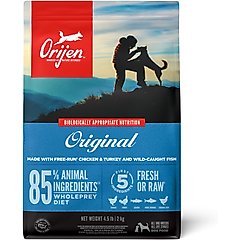
Credit: www.petmd.com
Benefits Of Grain Free Diets
Grain free diets offer several benefits for dogs. These diets focus on proteins and vegetables instead of grains. Dogs that struggle with grains may find relief and better health through this approach.
Improved Digestion
Grain free diets can ease the digestive process. Grains may cause gas, bloating, or diarrhea in some dogs. Removing grains often leads to softer stools and less stomach upset. This diet supports a healthier gut environment.
Allergy And Sensitivity Relief
Many dogs develop allergies or sensitivities to grains. Symptoms include itching, redness, and ear infections. Grain free diets reduce exposure to common allergens. This can lower allergic reactions and improve overall comfort.
Better Skin And Coat Health
Grain free diets often improve skin and coat quality. Dogs may show less dryness and flakiness. Their coats can become shinier and softer. This happens because the diet includes more protein and healthy fats.
Potential Risks And Concerns
Grain-free diets may cause nutrient imbalances or digestive issues in some dogs. Certain formulations could increase risks of heart problems. Careful evaluation and vet advice are important before switching diets.
Considering a grain-free diet for your dog can be tempting, especially with the rising popularity of such diets. However, before making the switch, it’s crucial to understand the potential risks and concerns involved. These diets might seem like a healthy alternative, but they aren’t always the best choice for every dog.Nutritional Imbalances
Grain-free diets often replace grains with legumes or potatoes. This substitution can lead to nutritional imbalances. Essential nutrients like fiber, vitamins, and minerals that grains offer might be lacking. Without these nutrients, your dog could face health issues over time. It’s important to ensure your dog receives a balanced diet, even without grains.Links To Heart Disease
Recent studies have suggested a connection between grain-free diets and heart disease in dogs, specifically dilated cardiomyopathy (DCM). Dogs on these diets may be at a higher risk of developing this condition. This link is still being researched, but the possibility is concerning. It raises the question: Is the risk worth the change in diet for your pet?Cost And Availability
Grain-free dog foods can be more expensive and harder to find than traditional options. This increased cost might not fit into everyone’s budget. Additionally, if you have a picky eater, finding a suitable grain-free option they enjoy can be challenging. Consider whether this diet aligns with your financial and practical capabilities. Before deciding, consult with your veterinarian to ensure the diet meets your dog’s specific needs. Remember, what’s trendy isn’t always what’s best for your furry friend.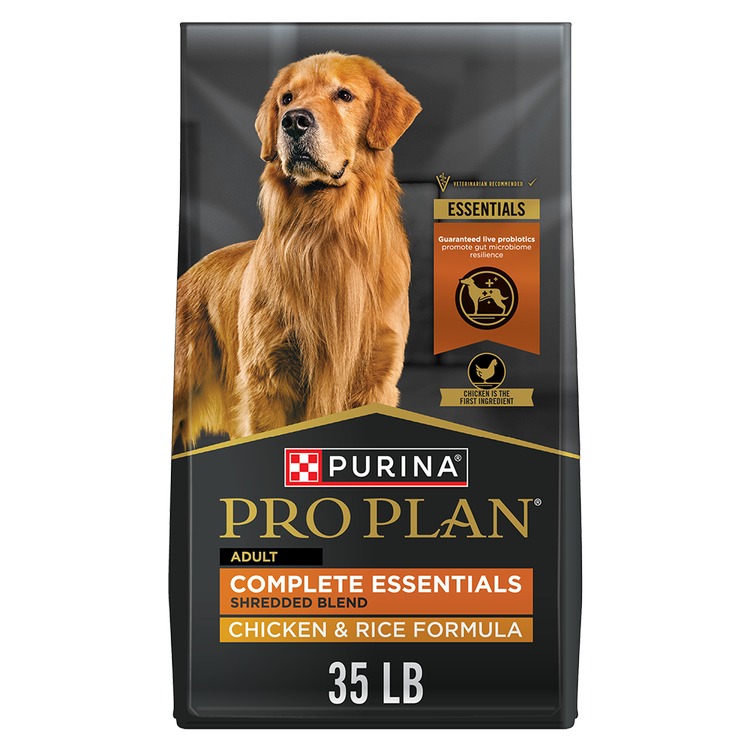
Credit: www.purina.com
When To Consider Grain Free
Choosing the right diet for your dog is important for their health and happiness. A grain free diet can be helpful in certain cases. It is not necessary for every dog, but some dogs may truly benefit from it. Understanding when to consider a grain free diet helps you make the best choice for your pet’s needs.
Dogs With Allergies Or Sensitivities
Some dogs react badly to grains like wheat, corn, or soy. Allergies or sensitivities can cause itching, redness, or digestive problems. Switching to a grain free diet may reduce these symptoms. This diet removes common grain allergens and uses alternative ingredients. It can improve your dog’s comfort and skin health.
Veterinary Recommendations
Your vet knows your dog’s health history. They can suggest a grain free diet if it fits your dog’s condition. Dogs with certain health issues may need special diets. Always follow your vet’s advice to avoid nutritional gaps. Grain free food should support your dog’s overall well-being.
Signs Your Dog Might Benefit
Watch for signs that show your dog struggles with grains. These include:
- Frequent itching or scratching
- Chronic ear infections
- Loose stools or diarrhea
- Excessive gas or bloating
- Hair loss or dull coat
These signs suggest your dog may do better without grains. Trying a grain free diet can help identify if grains cause the problem. Always monitor your dog’s response to diet changes closely.
Choosing The Right Grain Free Food
Choosing the right grain free food for your dog can feel overwhelming. With so many options on the market, it’s important to focus on what really matters for your dog’s health. Paying attention to ingredient quality, nutritional content, and brand reputation will help you make a smart choice.
Checking Ingredient Quality
Look closely at the ingredient list. The first few ingredients should be high-quality protein sources like chicken, beef, or fish, not fillers like potatoes or peas. Avoid foods with artificial colors, preservatives, or by-products—they add no real benefit to your dog.
Have you noticed how some grain free foods rely heavily on legumes? While these can be nutritious, too many might cause digestive issues in some dogs. Always check for a balanced mix rather than a single dominant ingredient that could upset your dog’s stomach.
Evaluating Nutritional Content
Your dog needs a balanced diet with the right amounts of protein, fat, and essential vitamins. Compare labels to ensure the food meets AAFCO standards for your dog’s life stage. Grain free doesn’t mean low carb—carbohydrates from other sources still play a vital role.
Think about your dog’s specific needs. Is your dog active or more sedentary? Older or younger? Grain free foods vary in calorie content, so choose one that fits your dog’s lifestyle to avoid weight issues or energy deficits.
Brand Reputation And Reviews
Not all grain free brands are created equal. Research brands with a strong track record of quality control and transparency. Reading customer reviews can reveal common benefits or problems other dog owners have faced.
Have you ever found a brand that suddenly changes its recipe without warning? Consistency matters. Stick to brands known for maintaining their formulas and responding to customer concerns promptly. This reduces the risk of unexpected reactions in your dog.
Alternatives To Grain Free Diets
Grain free diets often grab attention, but they’re not the only way to support your dog’s health. Many alternatives offer balanced nutrition without cutting out grains entirely. Understanding these options helps you make smarter choices that suit your dog’s unique needs.
Limited Ingredient Diets
Limited ingredient diets focus on fewer components, which makes it easier to spot and avoid allergens. These diets usually contain a single protein source and a limited number of carbohydrates. If your dog has food sensitivities, this option can simplify your search for the right food.
I’ve seen dogs improve their digestion and energy levels after switching to limited ingredient foods. It’s a practical choice if you want to avoid unnecessary fillers but still provide variety.
Hypoallergenic Options
Hypoallergenic dog foods are designed to reduce allergic reactions by using novel proteins and carbohydrates. Ingredients like duck, venison, or sweet potatoes are common in these formulas. They can be particularly helpful if your dog shows signs of itching, ear infections, or digestive upset.
Consider this: Could your dog’s discomfort be linked to hidden allergens in their current food? Trying a hypoallergenic diet might reveal surprising improvements.
Balanced Grain-inclusive Diets
Grains like brown rice, oats, and barley provide essential nutrients and fiber. Balanced grain-inclusive diets combine these with quality proteins and fats to support overall health. Many dogs thrive on these diets without any adverse reactions.
Don’t overlook the benefits of grains—they can aid digestion and provide steady energy. Have you checked the ingredient list on your dog’s food lately? You might find a grain-inclusive formula that fits perfectly.
Monitoring Your Dog On A New Diet
Changing your dog’s diet requires careful watching. A grain free diet can affect your dog’s body in many ways. Careful monitoring helps spot any issues early. It also shows if the new food suits your dog’s needs. Observe behavior, energy, and digestion closely. Consistency in feeding times and portions is key. Keep notes on any changes you notice. This record can guide future diet choices and vet visits.
Transitioning Tips
Switch your dog’s food slowly. Mix a small amount of new food with old food. Gradually increase new food over 7 to 10 days. Watch for signs of upset stomach or allergies. Avoid sudden changes to reduce stress on the dog’s body. Maintain regular feeding times to build routine. Provide plenty of fresh water during transition.
Tracking Health Changes
Check your dog’s weight weekly. Look for changes in coat shine and skin health. Note any vomiting, diarrhea, or constipation. Monitor energy levels and mood for signs of discomfort. Track frequency and quality of bathroom visits. Record appetite changes and chewing behavior. Use a simple journal or app for daily notes.
When To Consult A Vet
- Persistent vomiting or diarrhea lasting more than two days
- Sudden weight loss or gain
- Signs of itching, redness, or skin irritation
- Changes in behavior or energy that worry you
- Loss of appetite over multiple meals
- Any new or unusual symptoms after diet change
Contact your vet early to address concerns. A professional can rule out allergies or nutrient deficiencies. They may recommend tests or diet adjustments. Early advice helps keep your dog healthy and happy.

Credit: wefeedraw.com
Frequently Asked Questions
What Are The Benefits Of A Grain-free Diet For Dogs?
A grain-free diet can reduce allergies and improve digestion in some dogs. It often contains higher protein levels and fewer fillers, promoting better energy and coat health. However, benefits vary by individual dog and their specific dietary needs.
Can Grain-free Diets Cause Health Problems In Dogs?
Some studies link grain-free diets to heart issues like dilated cardiomyopathy in dogs. This risk is higher when diets lack essential nutrients. Always consult your vet before switching diets to ensure your dog’s heart health and overall well-being.
Which Dogs Benefit Most From A Grain-free Diet?
Dogs with grain allergies, sensitivities, or digestive issues often benefit most. Puppies and dogs with skin problems may see improvements too. However, healthy dogs without allergies may not need grain-free food.
How Do I Transition My Dog To A Grain-free Diet?
Switch gradually over 7-10 days by mixing increasing grain-free food with current food. Monitor your dog for digestive changes or allergies. Consult your vet to ensure the new diet meets all nutritional needs.
Conclusion
Choosing a grain-free diet depends on your dog’s needs. Some dogs may benefit from fewer grains. Others do well with grains included. Watch your dog’s health and energy closely. Talk to a vet before making changes. Balance and nutrition always matter most.
Every dog is unique. Finding the right food takes time. Care and attention help your dog thrive.