
If your dog is getting older, you might be wondering if their food should change too. Can older dogs still eat adult dog food, or is it time to switch to something different?
Making the right choice for your furry friend’s diet is important for their health and happiness. You’ll discover what older dogs really need from their food and how to keep your loyal companion feeling their best. Keep reading to find out what’s best for your dog’s golden years.
Credit: www.purina.com
Nutritional Needs Of Older Dogs
Older dogs have unique nutritional needs. Their bodies change as they age. These changes affect what they should eat daily. Understanding these needs helps keep them healthy and active longer.
Changes In Metabolism
As dogs get older, their metabolism slows down. They burn fewer calories even if they move the same amount. This means they need less energy from food. Feeding too much can lead to weight gain and health problems.
Common Health Issues
Older dogs often face health challenges like arthritis and kidney disease. These issues affect how they digest food and absorb nutrients. Foods with added supplements can help ease joint pain and support organ health. Choosing the right food can reduce discomfort and improve quality of life.
Energy Requirements
Older dogs usually need fewer calories but more nutrients. They require protein to maintain muscle strength. Healthy fats support brain and skin health. Fiber helps with digestion. Balancing these elements supports energy without causing weight gain.
Credit: www.diamondpet.com
Differences Between Adult And Senior Dog Food
Understanding the differences between adult and senior dog food is crucial when deciding what to feed your aging pet. These formulas are designed with distinct nutritional needs in mind. Knowing what sets them apart helps you make the best choice for your dog’s health and longevity.
Calorie Content
Senior dog food usually has fewer calories compared to adult dog food. Older dogs tend to be less active and burn fewer calories, so reducing calorie intake helps prevent unwanted weight gain.
Feeding your senior dog adult food with higher calories can lead to obesity, which stresses joints and organs. Have you noticed your dog slowing down or gaining weight despite eating the same amount? That might be a sign to switch to a lower-calorie senior formula.
Protein And Fat Levels
Protein remains important for older dogs, but senior formulas often adjust the amount to support muscle maintenance without overloading the kidneys. Fat content is usually lowered to reduce excess energy and support heart health.
Adult dog food tends to have higher protein and fat to fuel active lifestyles. If your dog’s activity has decreased, continuing with adult food might cause digestive issues or weight problems. Are you paying attention to how your dog’s energy levels and digestion respond to their current food?
Added Supplements
Senior dog foods commonly include supplements like glucosamine and chondroitin to support joint health. Omega-3 fatty acids are also added to reduce inflammation and promote brain function.
Adult dog food rarely contains these extras, as younger dogs usually don’t need them. If your dog shows signs of stiffness or joint discomfort, these added supplements in senior food can make a big difference. Have you considered how these supplements might improve your dog’s quality of life?
Risks Of Feeding Adult Food To Older Dogs
As dogs age, their nutritional needs change significantly. Feeding older dogs regular adult dog food can pose various risks. It’s crucial to understand these risks to ensure your furry friend’s health and well-being. Below, we explore some challenges older dogs face with adult dog food.
Weight Management Challenges
Older dogs tend to gain weight more easily. Their metabolism slows down with age. Adult dog food often contains higher calories. This can lead to obesity in senior dogs. Obesity increases the risk of many health issues. Heart disease and diabetes are common concerns. Ensuring a balanced diet is vital for weight management.
Joint Health Concerns
Joint health is a major concern for aging dogs. Adult dog food may lack the nutrients needed for joint support. Ingredients like glucosamine and chondroitin are essential. They help maintain healthy joints. Without them, older dogs may suffer from arthritis. Pain and stiffness can reduce their quality of life.
Digestive Sensitivities
Older dogs often develop digestive sensitivities. Their stomachs become more delicate over time. Adult dog food can be too rich or hard to digest. This can lead to upset stomachs and other digestive issues. Soft, easily digestible food is better for older dogs. It keeps their digestive system functioning smoothly.

Credit: jiminys.com
When Adult Dog Food Might Be Suitable
Deciding if your older dog can continue eating adult dog food depends on several factors. Not every senior dog needs a special senior formula right away. Sometimes, adult dog food still fits their nutritional needs well.
Healthy Senior Dogs
If your senior dog is active and maintains a healthy weight, adult dog food might still be suitable. Some dogs age without major changes in their metabolism or health. These dogs often do well on a balanced adult diet without the need for extra supplements.
Think about your dog’s energy levels and coat condition. Are they thriving on their current food? If yes, switching might not be necessary yet.
Veterinary Guidance
Your vet’s advice is crucial when deciding on your dog’s diet. They can assess your dog’s overall health and recommend whether adult dog food meets their needs. Blood tests and physical exams provide insights that you might miss at home.
Always ask your vet about the pros and cons of continuing adult food versus switching to senior formulas. Your dog’s specific health conditions, like kidney or joint issues, play a big role in this decision.
Monitoring Dog’s Response
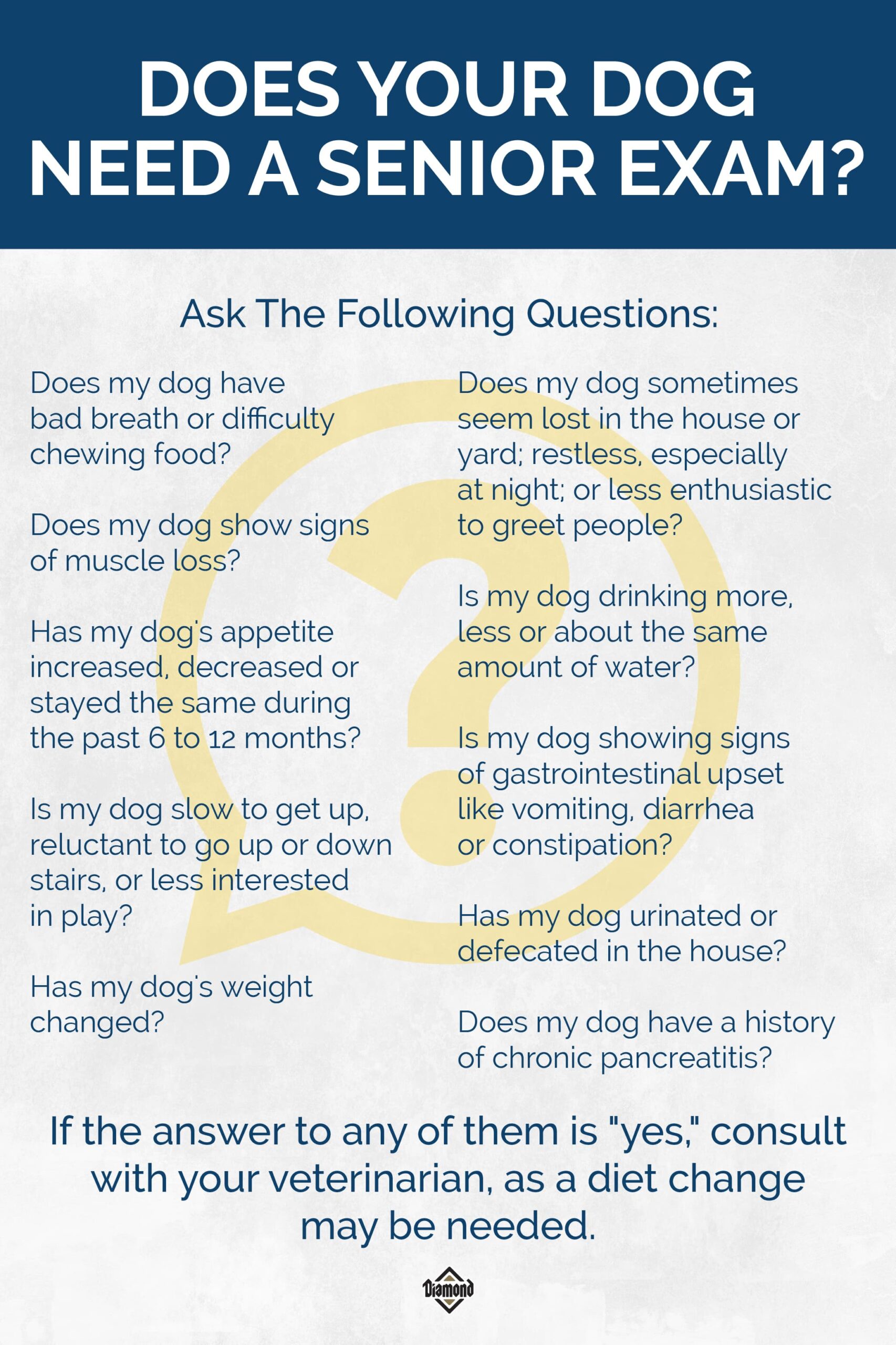
Pay close attention to how your dog reacts if you keep them on adult dog food. Look for signs like changes in appetite, weight, or energy. Also watch for digestive changes, such as diarrhea or constipation.
Keep a journal or notes on your dog’s behavior and health. This helps you spot trends and decide if a diet change is needed. Have you noticed your dog slowing down or having more trouble jumping lately? These could be signs that their food needs an upgrade.
Tips For Transitioning To Senior Dog Food
Switching your older dog to senior dog food requires care and attention. This change affects their digestion, energy levels, and overall health. Taking the right steps can make this transition smooth and beneficial for your furry friend.
Gradual Introduction
Start by mixing a small amount of senior dog food into your dog’s current adult food. Increase the senior food portion slowly over 7 to 10 days. This helps your dog’s digestive system adjust without causing upset stomach or refusal to eat.
Watch how your dog responds to the new taste and texture. Patience here can prevent food rejection and stress.
Observing Dietary Changes
Keep a close eye on your dog’s behavior and physical condition during the transition. Notice changes in energy, stool quality, and appetite.
If your dog becomes lethargic or shows digestive issues, it might mean the new food isn’t agreeing with them. Tracking these signs helps you decide whether to adjust the diet or try a different formula.
Consulting Professionals
Talk to your vet before making any major dietary changes. They can recommend the best senior dog food based on your dog’s health history and specific needs.
Your vet can also suggest supplements or special diets if your dog has conditions like arthritis or kidney problems. Don’t hesitate to ask questions—your dog’s health depends on the right guidance.
Alternative Nutrition Options For Older Dogs
Older dogs often need more than just regular adult dog food to stay healthy and happy. Their nutritional needs change as they age, and sometimes, the standard adult food may not provide all the essential nutrients or the right balance. You might find that exploring alternative nutrition options can help your senior dog feel more energetic and comfortable.
Homemade Diets
Preparing homemade meals for your older dog lets you control every ingredient. You can add lean proteins like boiled chicken or turkey and vegetables such as carrots or green beans, which support digestion and provide vitamins.
Have you noticed your dog’s coat getting dull or energy dropping? Adjusting their meals at home could make a big difference. Just make sure to check with your vet to keep the diet balanced and avoid missing key nutrients.
Supplements And Treats
Adding supplements can target specific issues like joint pain or reduced immunity. Glucosamine and omega-3 fatty acids are popular choices that many owners swear by for keeping older dogs active.
Think about treats as more than just rewards—they can be a way to add extra nutrients. Look for options fortified with vitamins or probiotics to support overall health without overfeeding calories.
Specialized Veterinary Diets
Your vet can recommend diets formulated for senior dogs with health concerns like kidney problems or weight management. These foods often have adjusted protein, fat, and mineral levels to meet your dog’s changing needs.
Have you ever tried a prescription diet and noticed improvements in your dog’s well-being? Many pet owners find that these specialized formulas help manage chronic conditions effectively.
Frequently Asked Questions
Can Older Dogs Eat Regular Adult Dog Food?
Yes, older dogs can eat adult dog food, but it depends on their health. Senior dogs often need diets with fewer calories and more nutrients to support aging joints and organs. Consult your vet to choose the best food for your dog’s age and health.
When Should I Switch My Dog To Senior Food?
Switch your dog to senior food around 7 years old or as recommended by your vet. Older dogs have different nutritional needs, including lower calories and added supplements. Monitoring your dog’s health helps determine the right time for the switch.
Are Adult Dog Foods Harmful To Senior Dogs?
Adult dog foods are not usually harmful but may lack essential nutrients for senior dogs. Older dogs need diets that support joint health and digestion. Feeding adult food long-term might lead to weight gain or deficiencies, so vet guidance is important.
Can Senior Dogs Digest Adult Dog Food Properly?
Senior dogs can digest adult dog food, but slower metabolism may affect nutrient absorption. Specialized senior diets often contain easily digestible ingredients. If your dog shows digestive issues, consult your vet to adjust their diet accordingly.
Conclusion
Older dogs can eat adult dog food, but needs may differ. Senior dogs often need fewer calories and more nutrients. Watch your dog’s health and energy to decide food changes. Always check with a vet before switching diets. Choosing the right food helps keep older dogs happy and healthy.
Small changes can make a big difference in their comfort. Remember, each dog is unique and deserves proper care.