
Are you wondering if your adult dog can eat senior dog food? You want to make sure your furry friend gets the right nutrition without causing any harm.
Choosing the right food is important for your dog’s health and happiness. You’ll discover what senior dog food really means, whether it’s safe for adult dogs, and what you should consider before making a switch. Keep reading to make the best choice for your loyal companion.
Differences Between Adult And Senior Dog Food
Understanding the differences between adult and senior dog food is essential for keeping your furry friend healthy as they age. These foods are specially designed to meet the changing needs of dogs at different life stages. Feeding your dog the right diet can improve their quality of life and prevent common age-related issues.
Nutritional Needs Of Adult Dogs
Adult dogs require a balanced diet to maintain energy, muscle mass, and overall health. Their food usually contains moderate amounts of protein and fat to support daily activity. Vitamins and minerals help sustain immune function and keep their coat shiny.
Adult dog food focuses on maintaining weight and muscle tone without adding unnecessary calories. This helps prevent obesity, which can lead to joint problems. You want to make sure your dog gets enough nutrients to stay fit and active.
Nutritional Needs Of Senior Dogs
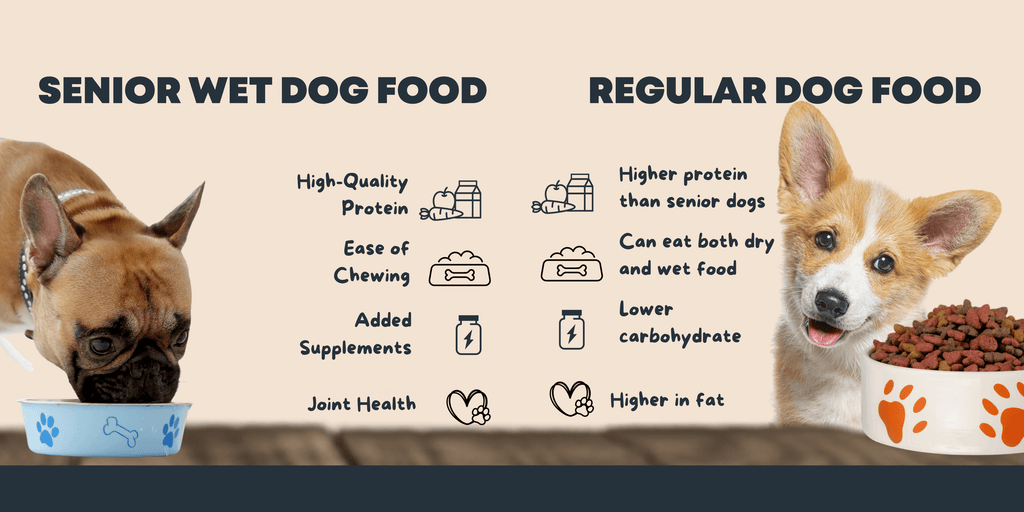
As dogs grow older, their metabolism slows down, and their activity levels usually drop. Senior dog food typically has fewer calories to avoid weight gain but includes extra nutrients to support aging joints and organs. You might notice added antioxidants to help fight cell damage.
Older dogs often need more fiber to aid digestion and maintain a healthy gut. They also benefit from nutrients that support brain function and reduce inflammation. Adjusting your dog’s diet to these needs can make a big difference in their comfort and mobility.
Key Ingredients In Senior Dog Food
- Glucosamine and Chondroitin:Support joint health and reduce arthritis symptoms.
- Omega-3 Fatty Acids:Help reduce inflammation and promote a healthy coat.
- Antioxidants:Vitamins E and C help combat aging and boost the immune system.
- Lower Fat Content:Prevents weight gain as activity levels decrease.
- Increased Fiber:Aids digestion and maintains bowel regularity.
Have you noticed changes in your dog’s energy or mobility? Choosing food with these ingredients can directly address those issues and support their golden years. Paying attention to these differences ensures you’re not just feeding your dog, but truly caring for their evolving health needs.
Credit: wefeedraw.com
Potential Benefits Of Senior Food For Adult Dogs
Senior dog food often contains fewer calories and more fiber, which can benefit adult dogs with slower metabolism. It may also support joint health and digestion, making it easier for some adult dogs to stay healthy and active.
Potential Benefits of Senior Food for Adult Dogs Choosing the right food for your dog is essential. Adult dogs can benefit from senior food in several ways. Senior dog food often contains specific nutrients that support aging bodies. These nutrients can also help adult dogs maintain their health. Let’s explore the potential benefits.Enhanced Joint Support
Senior food often includes ingredients for joint health. Glucosamine and chondroitin are common in these formulas. They help reduce joint pain and improve mobility. Adult dogs with joint issues may benefit from this support.Improved Digestive Health
Senior dog food usually has easily digestible ingredients. It can contain prebiotics and probiotics. These elements promote better gut health. Adult dogs with sensitive stomachs might find this helpful.Weight Management Advantages
Senior dog food often has fewer calories. It helps in maintaining a healthy weight. Overweight dogs can benefit from reduced-calorie formulas. These foods help prevent obesity-related health issues.Risks Of Feeding Senior Food To Adult Dogs
Feeding senior dog food to adult dogs can cause several health issues. Senior formulas are designed for older dogs with different needs. Using this food for adult dogs may lead to problems that affect their well-being. Understanding these risks helps keep your dog healthy and happy.
Possible Nutrient Imbalance
Senior dog food often has different levels of vitamins and minerals. These changes match the needs of older dogs but may not suit adult dogs. Adult dogs need balanced nutrients for growth and maintenance. Feeding senior food might cause shortages or excesses of key nutrients. This imbalance can affect their immune system and overall health.
Calorie Differences And Weight Issues
Senior dog food usually contains fewer calories to prevent weight gain in older dogs. Adult dogs have higher energy demands and need more calories. Feeding senior food to adult dogs can lead to weight loss or low energy reserves. This calorie gap may cause your dog to feel hungry or lose muscle mass.
Impact On Energy Levels
Adult dogs require consistent energy for play, exercise, and daily activities. Senior food may lack the necessary nutrients to support this energy. Dogs eating senior food might become tired or less active. Low energy levels can affect their mood and physical health. Choosing the right food helps maintain your dog’s vitality and strength.

Credit: www.businessinsider.com
When Adult Dogs Might Need Senior Food
Adult dogs usually eat adult dog food, but some might need senior food earlier. Changes in health or lifestyle can make senior food a better choice. This food has nutrients that support aging bodies and help with specific needs. Knowing when to switch helps keep dogs healthy and comfortable.
Health Conditions And Special Needs
Some adult dogs develop health issues needing special diets. Joint problems like arthritis require food with extra glucosamine. Dogs with kidney problems benefit from lower protein in their meals. Senior food often has vitamins and minerals that support these conditions. Special needs might mean an adult dog needs senior food sooner.
Veterinarian Recommendations
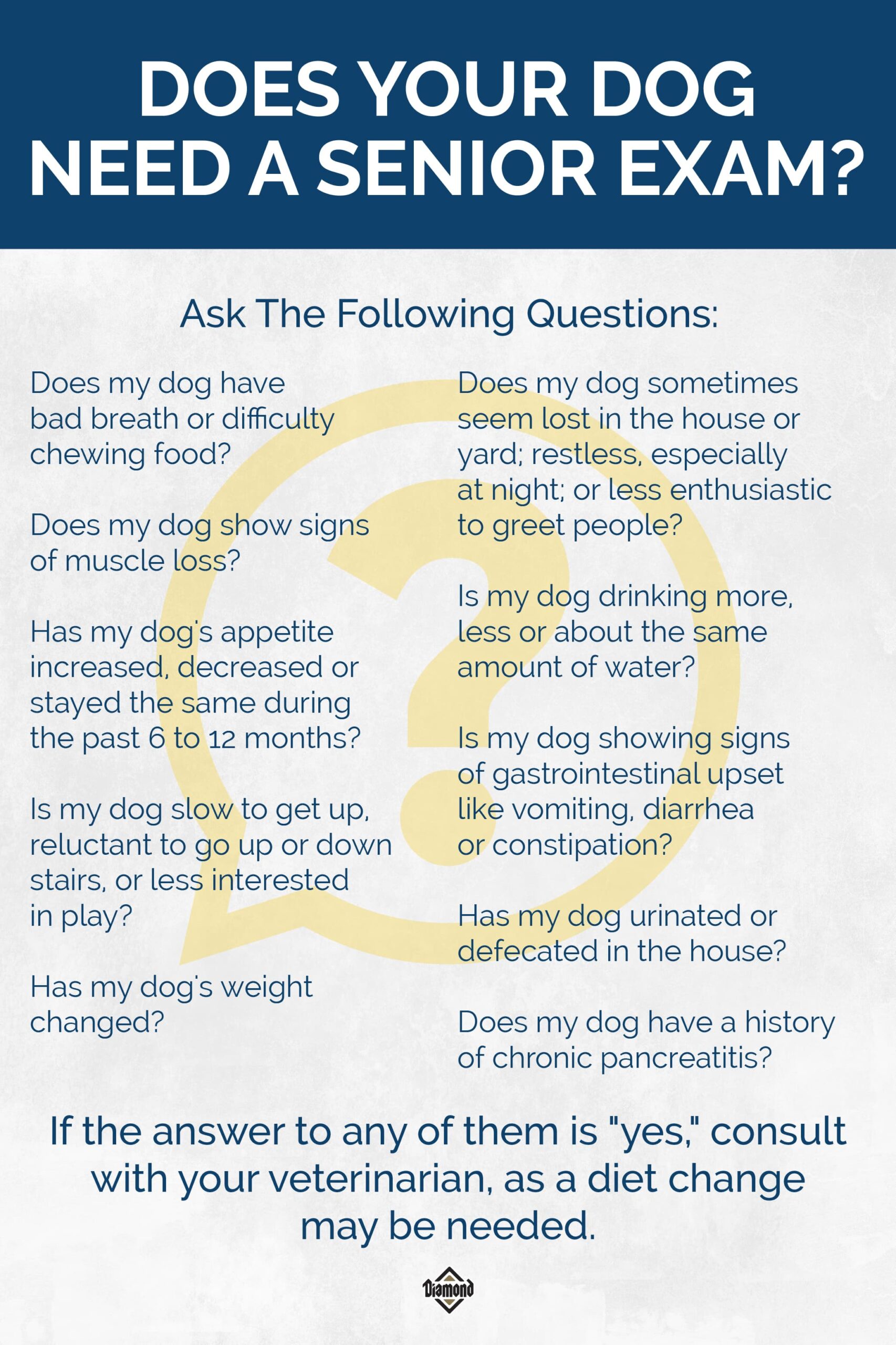
Vets watch dogs closely during yearly check-ups. They suggest diet changes based on health and activity level. Sometimes, a dog looks healthy but needs senior food for better nutrition. Follow the vet’s advice to ensure your dog’s diet matches its needs. This helps prevent future health problems and keeps dogs energetic.
Transitioning Between Diets
Switching to senior food needs care. Sudden changes can upset a dog’s stomach. Mix a small amount of senior food with the current food. Gradually increase the senior food over one to two weeks. Watch for any signs of discomfort or allergies during the change. A smooth transition helps dogs adjust without problems.
Tips For Choosing The Right Dog Food
Choosing the right food for your dog can feel overwhelming, especially when deciding if adult dogs should eat senior food. The key is focusing on your dog’s unique needs rather than just age labels. Here are some practical tips to help you pick the best option for your furry friend.
Reading Dog Food Labels
Dog food labels hold a lot of valuable information. Look for the guaranteed analysis section to check the protein, fat, and fiber content. High protein levels usually support muscle maintenance, which is important for adult dogs.
Also, notice ingredients like glucosamine or omega fatty acids that support joint health and coat condition. Avoid foods with vague terms like “meat by-products” and focus on named meat sources like “chicken” or “beef.” Does the food list vitamins and minerals to support overall health?
Consulting With Your Vet
Your vet knows your dog’s health history best. Talking to them can clarify whether senior food is a good choice for your adult dog. They can recommend specific brands or formulas based on your dog’s weight, activity level, and any health issues.
They might also suggest regular checkups to monitor how your dog’s diet affects their health. Have you asked your vet about nutrient needs that might change as your dog ages?
Monitoring Your Dog’s Response
After switching foods, watch your dog closely. Healthy skin, shiny fur, steady energy, and consistent bowel movements all signal a good match. If your dog shows signs of discomfort or reduced appetite, it might be time to reconsider the food choice.
Keep a journal of your dog’s behavior and physical changes to spot patterns over time. Are you ready to adjust your dog’s diet based on what you observe? Your attention can make a big difference in their well-being.
Credit: www.diamondpet.com
Frequently Asked Questions
Can Adult Dogs Safely Eat Senior Dog Food?
Adult dogs can eat senior dog food, but it may lack necessary nutrients. Senior formulas often have fewer calories and protein, which might not support an active adult dog’s energy needs. Consult a vet before switching to ensure balanced nutrition for your adult dog.
What Are The Differences Between Adult And Senior Dog Food?
Senior dog food is lower in calories and fat to prevent weight gain. It often contains joint-supporting ingredients like glucosamine. Adult dog food has higher protein and fat to support activity. Nutritional needs vary by age, so formulas differ to meet those needs.
Will Senior Dog Food Cause Weight Loss In Adult Dogs?
Senior dog food may cause weight loss in active adult dogs due to fewer calories. If your adult dog is active, they might not get enough energy from senior formulas. Monitor your dog’s weight and energy, and adjust food accordingly.
When Should I Switch My Dog To Senior Food?
Switch your dog to senior food around 7-8 years old or as advised by your vet. Older dogs have different nutritional needs, including joint support and fewer calories. Regular vet checkups help determine the best time for the switch.
Conclusion
Adult dogs can eat senior food in small amounts. Senior dog food has less fat and calories. It helps older dogs stay healthy and fit. But adult dogs need more energy and nutrients. Feeding only senior food may cause weight loss or lack of energy.
Mix senior food with regular adult food for balance. Always watch your dog’s health and energy levels. Consult your vet before making diet changes. A balanced diet keeps your dog happy and strong. Choose food that fits your dog’s age and needs.
Simple and clear.