
Are you wondering if a grain free diet is the right choice for your dog? You’ve probably heard a lot about it but still feel unsure what it really means.
A grain free diet for dogs focuses on removing grains like wheat, corn, and rice from their food. This can have a big impact on your dog’s health, energy, and even their coat. If you want to understand how this diet works and whether it could benefit your furry friend, keep reading.
By the end, you’ll know exactly what a grain free diet is and how it might improve your dog’s life.

Credit: kohapet.com
Grain Free Diet Basics
A grain free diet for dogs is a popular choice among pet owners who want to tailor their dog’s nutrition to avoid certain ingredients. Understanding the basics of this diet helps you make informed choices about what goes into your dog’s bowl. It’s not just about cutting out grains; it’s about knowing what replaces them and why it matters for your dog’s health.
What Does Grain Free Mean?
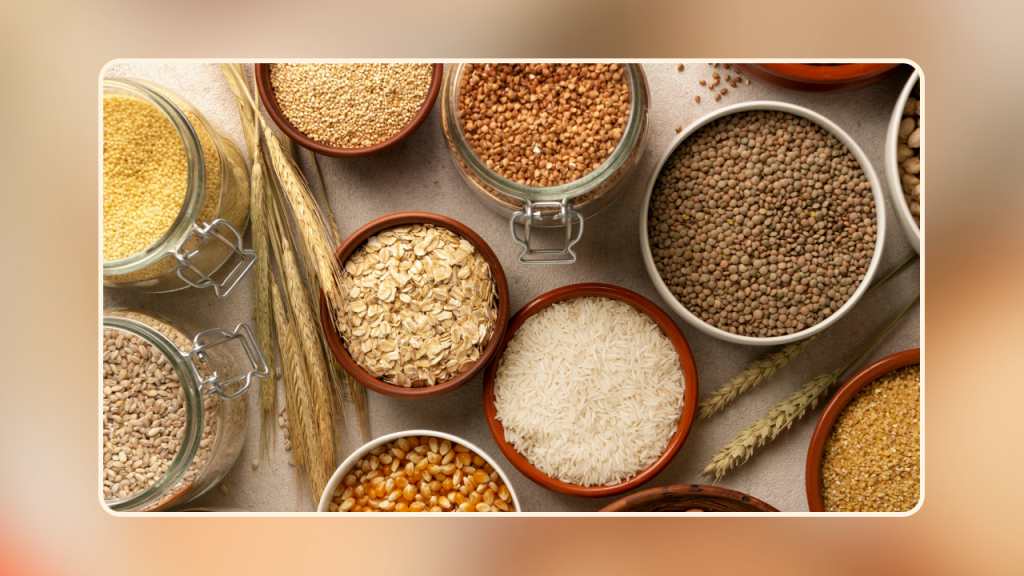
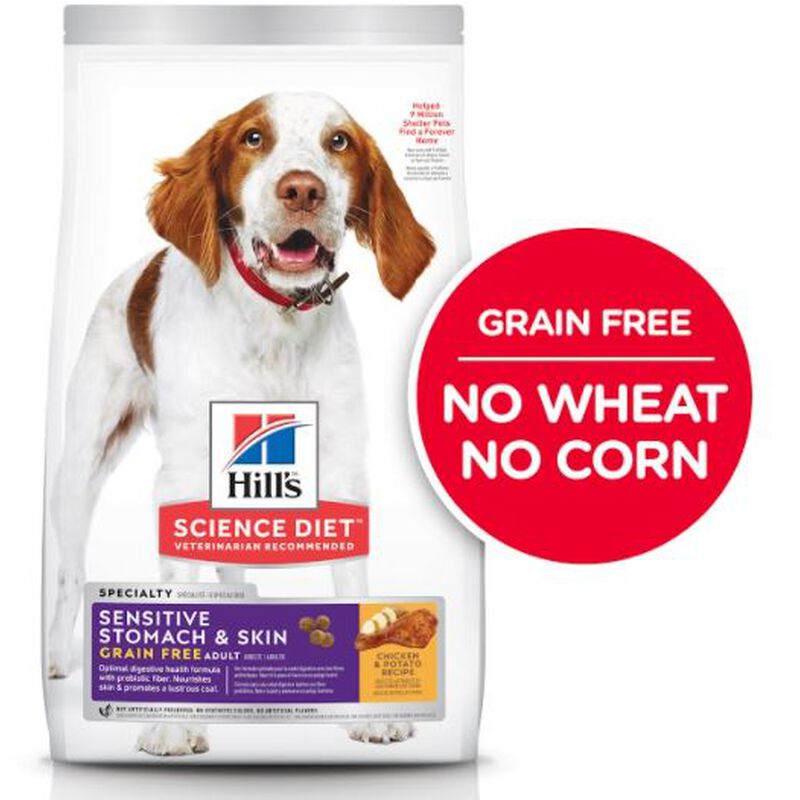
Grain free means the dog food does not contain any grains like wheat, corn, or rice. Instead, the diet focuses on other sources of carbohydrates and nutrients. This can be important if your dog has allergies or sensitivities to grains.
Have you noticed your dog scratching more or having digestive issues after eating certain foods? Grain free diets might help reduce these problems by removing common allergens.
Common Grains Avoided
- Wheat:Often linked to allergies and digestive troubles in some dogs.
- Corn:A cheap filler that can cause allergic reactions or intolerance.
- Soy:Another common allergen for dogs, sometimes found in cheaper foods.
- Rice and Barley:These grains can also be left out to avoid certain sensitivities.
Are you aware of the ingredients in your dog’s food? Checking labels for these common grains can be a simple way to decide if a grain free diet fits your pet’s needs.
Alternative Ingredients Used
Grain free dog foods often replace grains with ingredients like:
- Sweet Potatoes:Rich in fiber and vitamins, easy on the stomach.
- Peeled Potatoes:Provide carbohydrates and energy without grain allergens.
- Peas and Lentils:Good sources of protein and fiber.
- Chickpeas:Offer nutrients and help maintain steady energy levels.
Switching to these alternatives can improve your dog’s digestion and energy. Have you tried grain free options with these ingredients yet? Observing your dog’s response can tell you a lot about what works best.
Health Benefits For Dogs
A grain free diet for dogs removes grains like wheat, corn, and rice. This diet focuses on proteins and vegetables. Many dog owners choose it to support their pet’s health. Dogs often show positive changes in digestion, skin, and weight after switching.
Improved Digestion
Grains can cause stomach upset in some dogs. A grain free diet is easier on their digestive system. It reduces gas, bloating, and diarrhea. Dogs absorb nutrients better, which helps their overall health.
Reduced Allergies
Grains are a common cause of food allergies in dogs. Removing grains lowers the risk of allergic reactions. Dogs with itchy skin or ear infections often feel relief. This diet supports a stronger immune system.
Better Skin And Coat
Grain free diets provide more healthy fats and oils. These nutrients improve skin hydration and coat shine. Dogs often have less itching and dry skin. Their fur looks soft and healthy with regular feeding.
Weight Management
Grain free foods usually have higher protein and lower carbs. This helps dogs maintain a healthy weight. It supports muscle growth and reduces fat buildup. Active dogs get more energy from this balanced diet.
Potential Risks And Considerations
Grain-free diets might lack some important nutrients dogs need. Some dogs could develop allergies or digestive problems. Always watch your dog’s health closely on this diet.
Switching your dog to a grain-free diet has become a popular choice among pet owners, but it’s essential to weigh the potential risks and considerations before making the change. While many believe grain-free diets can benefit dogs with specific allergies or sensitivities, it’s crucial to evaluate the broader nutritional impact and any health concerns. Here, we delve into the important factors you should consider.Nutritional Balance
Grain-free diets often substitute grains with legumes or potatoes. While this might sound like a healthy swap, it’s vital to ensure your dog receives a balanced diet. Dogs require a mix of proteins, fats, and carbohydrates for optimal health. A grain-free diet could disrupt this balance if not carefully managed. Always check the ingredient list and nutritional content on the packaging. Are you providing all the essential nutrients your dog needs?Dilated Cardiomyopathy Concerns
Recent studies have raised concerns about a potential link between grain-free diets and dilated cardiomyopathy (DCM) in dogs. DCM is a heart condition that can be serious if left unchecked. Although the exact cause isn’t fully understood, it’s believed that certain ingredients in grain-free diets might be contributing factors. If your dog is on such a diet, monitor for symptoms like lethargy or difficulty breathing. Is your dog’s diet putting its heart health at risk?Consulting Your Veterinarian
Before making any significant changes to your dog’s diet, consulting your veterinarian is crucial. They can provide insights based on your dog’s specific health needs and history. Vets can also recommend tests or evaluations to ensure your dog remains healthy while on a grain-free diet. Discuss your concerns and ask for advice. Have you talked to your vet about the best diet for your furry friend?Choosing The Right Grain Free Food
Choosing the right grain free food for your dog is important for their health and happiness. Not all grain free foods are the same. Some have better ingredients and nutrition than others. Reading labels carefully helps find the best option. Knowing what ingredients to look for ensures your dog gets balanced meals. Some brands stand out for quality and trustworthiness. Understanding these points makes selecting grain free food easier and safer.
Reading Labels
Check the ingredient list first. The main ingredients should be proteins like chicken, beef, or fish. Avoid foods with too many fillers or artificial additives. Look for clear information on nutrient content. Check for any allergens your dog may have. Pay attention to the guaranteed analysis for protein, fat, and fiber levels. Proper labels give a good idea of food quality and nutritional value.
Quality Ingredients To Look For
- Real meat or fish as the first ingredient
- Vegetables like sweet potatoes or peas
- Natural sources of vitamins and minerals
- Healthy fats such as fish oil or flaxseed
- No artificial colors, flavors, or preservatives
- Limited fillers like corn, wheat, or soy
- Added probiotics or antioxidants for digestion and immunity
Top Grain Free Brands
Some brands have a strong reputation for quality grain free dog food. These brands use good ingredients and maintain strict quality control. Their formulas offer balanced nutrition and meet safety standards. Many dog owners trust these brands for their pets’ health. Examples include:
- Blue Buffalo Wilderness
- Merrick Grain Free
- Wellness CORE
- Natural Balance L.I.D.
- Canidae Grain Free
Transitioning Your Dog’s Diet
Switching your dog to a grain-free diet requires patience and careful attention. Sudden changes can upset your dog’s digestive system and cause discomfort. Taking the right steps to transition can help your dog adjust smoothly and enjoy the benefits of their new diet.
Gradual Switch Tips
Start by mixing a small amount of the grain-free food with your dog’s current food. Over 7 to 10 days, slowly increase the grain-free portion while decreasing the old food. This helps your dog’s stomach get used to new ingredients without stress.
Watch the texture and smell of the new food to make sure your dog likes it. Some dogs may be picky, so adding warm water or a bit of broth can make the meal more appealing. Keep mealtime calm and positive to encourage good eating habits.
Monitoring Your Dog’s Response
Pay close attention to your dog’s behavior, stool quality, and energy levels during the transition. Diarrhea, vomiting, or lethargy might indicate the switch is too fast or that the new food isn’t agreeing with them. Keep a daily journal of changes you notice—it helps you spot patterns and share accurate info with your vet if needed.
Ask yourself: Does your dog seem more energetic? Is their coat shinier? These subtle signs often show whether the new diet is working well. Remember, every dog reacts differently, so patience is key.
When To Seek Professional Advice
If your dog shows signs of allergies, persistent digestive upset, or sudden weight loss, contact your veterinarian promptly. These symptoms could mean your dog needs a tailored diet plan or tests to rule out other health issues.
Don’t hesitate to ask your vet about the grain-free diet’s suitability for your dog’s breed, age, or existing health conditions. Their guidance can save you time and worry, ensuring your dog stays happy and healthy throughout the change.
Credit: www.renspets.com
Credit: europeanpetfood.org
Frequently Asked Questions
What Is A Grain Free Diet For Dogs?
A grain free diet for dogs excludes wheat, corn, and rice. It focuses on protein and vegetables instead. This diet helps dogs with grain allergies and digestive issues.
Are Grain Free Diets Healthier For Dogs?
Not always. Grain free diets benefit dogs with allergies but lack essential nutrients for others. Always consult a vet before switching diets.
Can Grain Free Diets Cause Heart Problems In Dogs?
Some studies link grain free diets to heart disease, like dilated cardiomyopathy. However, more research is needed. Consult a vet for personalized advice.
Which Ingredients Replace Grains In Grain Free Dog Food?
Common replacements include sweet potatoes, peas, lentils, and chickpeas. These provide carbohydrates and fiber without grains, supporting digestion and energy.
Conclusion
A grain free diet for dogs means no wheat, corn, or rice. Many dogs with allergies or sensitive stomachs feel better on it. It focuses on protein and vegetables instead of grains. Always check with your vet before changing your dog’s food.
Not all dogs need a grain free diet. Watching your dog’s health is the best guide. Feeding the right diet can help your dog stay happy and strong. Simple changes can make a big difference.