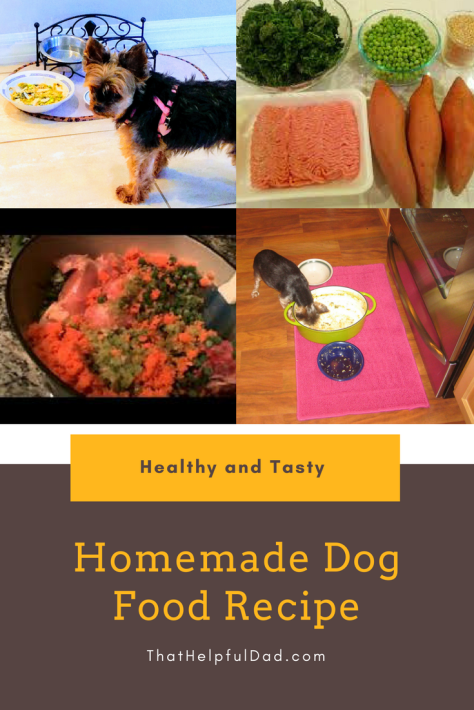

Are you tired of guessing what’s really in your dog’s food? Making homemade dog food recipes gives you full control over what your furry friend eats.
It’s easier than you think, and your dog will thank you with more energy, a shinier coat, and better health. You’ll discover simple, tasty recipes that you can prepare quickly at home. By the end, you’ll feel confident about feeding your dog meals that are both nutritious and delicious.
Ready to give your dog the best? Let’s get started!

Credit: www.k9sovercoffee.com
Benefits Of Homemade Dog Food
Choosing to make homemade dog food can have a significant positive impact on your pet’s health and happiness. When you prepare meals yourself, you get to see exactly what goes into your dog’s bowl, ensuring every bite supports their well-being. Let’s look at why many pet owners find homemade recipes beneficial and how this choice could change your dog’s life.
Improved Nutrition
Homemade dog food lets you provide fresh, whole ingredients that often contain more nutrients than processed kibble. You control the quality of proteins, vegetables, and grains, which means your dog eats meals rich in essential vitamins and minerals.
Dogs with dull coats or low energy may benefit from nutrient-rich homemade meals. Have you noticed your dog’s health improve after a diet change? That’s the power of better nutrition.
Control Over Ingredients
When you cook for your dog, you avoid fillers, artificial preservatives, and unknown additives often found in commercial dog food. This control is especially important if your dog has allergies or sensitivities.
You can skip ingredients that upset your dog’s stomach or cause itching. Plus, you can add supplements or special foods your vet recommends. Wouldn’t you feel better knowing exactly what your dog is eating every day?
Tailoring To Specific Needs
Each dog is unique, with different health conditions, activity levels, and tastes. Homemade dog food lets you customize meals to match your dog’s specific needs, whether they require weight management, joint support, or a special diet for medical issues.
For example, adding fish oil for a dog with arthritis or adjusting calories for a less active pet can make a huge difference. How well do you think commercial diets meet your dog’s individual needs?
Essential Nutrients For Dogs
Creating homemade dog food means knowing the essential nutrients dogs need. Balanced nutrition keeps dogs healthy and active. Each nutrient plays a unique role in their body functions. Understanding these nutrients helps you choose the right ingredients for homemade meals.
Proteins And Fats
Proteins build strong muscles and repair tissues. Good protein sources include chicken, beef, and fish. Fats provide energy and keep the skin shiny. Healthy fats come from fish oil, flaxseed, and chicken fat. Both proteins and fats are vital for growth and overall health.
Carbohydrates And Fiber
Carbohydrates supply energy for daily activities. Rice, oats, and sweet potatoes are common carbohydrate sources. Fiber helps digestion and keeps the stomach healthy. Vegetables like carrots, peas, and pumpkin add fiber to meals. Balancing carbs and fiber supports good digestion.
Vitamins And Minerals
Vitamins boost the immune system and support body functions. Minerals keep bones strong and help with nerve signals. Fruits and vegetables provide many essential vitamins and minerals. Calcium, phosphorus, and zinc are important minerals for dogs. A variety of fresh ingredients ensures these nutrients are included.
Safe Ingredients To Use
Feeding your dog homemade food can be a great choice. It ensures your pet gets fresh and nutritious meals. However, it’s crucial to choose safe ingredients. This keeps your dog healthy and happy. Let’s explore the safe ingredients you can use.
Meats And Proteins
Proteins are vital for your dog’s health. Opt for lean meats like chicken or turkey. Beef is also a good choice. Ensure the meat is cooked thoroughly. Avoid bones and fatty cuts. Eggs offer a great protein source too. Cook them well before serving.
Vegetables And Fruits
Vegetables provide essential vitamins and minerals. Carrots and peas are safe and nutritious. Sweet potatoes offer fiber and vitamins. For fruits, use apples and blueberries. Remove seeds and cores to prevent choking. Avoid grapes and raisins, they are harmful.
Grains And Supplements
Grains offer energy and fiber. Brown rice and oats are safe options. Quinoa is another nutritious grain. You might consider supplements for a balanced diet. Fish oil supports a shiny coat. Calcium is essential for strong bones. Always consult a vet before adding supplements.

Credit: www.youtube.com
Ingredients To Avoid
Knowing which ingredients to avoid is key when making homemade dog food. Some foods can harm your dog’s health or cause allergies. It is important to keep your pet safe by skipping toxic or irritating items.
Careful selection ensures your dog enjoys meals without risk. Always choose safe, nutritious ingredients that support their well-being.
Toxic Foods For Dogs
- Chocolate – Contains theobromine, harmful to dogs
- Grapes and raisins – Can cause kidney failure
- Onions and garlic – Damage red blood cells
- Alcohol – Affects the nervous system and organs
- Xylitol – Found in sugar-free products, deadly to dogs
- Avocado – Contains persin, toxic to some dogs
Allergens And Irritants
- Dairy – Many dogs are lactose intolerant
- Wheat and gluten – Can cause digestive upset
- Eggs – Possible allergen for some dogs
- Beef and chicken – Common sources of allergies
- Soy – May trigger allergic reactions
Unsafe Seasonings And Additives
- Salt – Excess causes dehydration and kidney issues
- Spices – Can irritate the stomach and intestines
- Sugar – Leads to obesity and dental problems
- Artificial preservatives – Harmful chemicals to avoid
- Onion powder and garlic powder – Concentrated toxins
Basic Cooking Methods
Basic cooking methods form the foundation of preparing homemade dog food. These techniques help keep nutrients intact while making food easier to digest. Simple cooking also ensures the flavors stay natural and appealing to your pet.
Choosing the right method depends on the ingredients and your dog’s preferences. Each method offers unique benefits for health and taste. Understanding these can make homemade meals both healthy and delicious.
Boiling And Steaming
Boiling and steaming are gentle ways to cook meat and vegetables. They help keep most vitamins and minerals in the food. Boiling involves cooking food in water at a high temperature. Steaming cooks food using the steam from boiling water, avoiding direct contact with water.
These methods are great for softening tough ingredients like carrots or chicken. Boiling can remove extra fat, while steaming retains more nutrients. Both options make food easier for dogs to chew and digest.
Baking And Slow Cooking
Baking uses dry heat to cook food evenly. It works well for making dog treats or cooking lean meats. Slow cooking uses low heat over many hours, perfect for tougher cuts of meat and bones. This method helps break down proteins and makes food tender.
Both methods enhance flavor without needing extra oils or spices. Slow cooking preserves moisture, while baking creates a firmer texture. These options are ideal for preparing meals in advance.
Mixing And Portioning
After cooking, mixing ingredients well ensures balanced nutrition in every bite. Combine proteins, vegetables, and grains evenly. Proper portioning helps control your dog’s calorie intake and maintains a healthy weight.
Use measuring cups or a kitchen scale for accuracy. Store portions in airtight containers or freezer bags. Label each with the date to keep food fresh and safe. Consistent mixing and portioning make feeding time simple and stress-free.
Simple Homemade Dog Food Recipes
Simple homemade dog food recipes provide fresh, nutritious meals for your pet. These recipes use common ingredients and require minimal cooking skills. Preparing food at home lets you control what your dog eats. It can improve their health and digestion.
Each recipe balances protein, carbs, and vegetables to meet your dog’s needs. Always consult your vet before changing your dog’s diet. Here are easy recipes to try at home.
Chicken And Rice Meal
- 1 cup cooked chicken breast, shredded
- 1 cup cooked white rice
- ½ cup cooked carrots, chopped
- ½ cup cooked peas
- 1 teaspoon olive oil
Mix all ingredients together and let cool before serving. Chicken and rice are gentle on your dog’s stomach. This meal is great for dogs with digestion issues.
Beef And Vegetable Stew
- 1 cup lean ground beef, cooked
- ½ cup cooked green beans, chopped
- ½ cup cooked carrots, diced
- ½ cup cooked sweet potato, mashed
- 1 cup water or low sodium beef broth
Combine beef and vegetables in a pot. Add broth and simmer for 15 minutes. Let it cool before feeding. This stew is rich in protein and vitamins.
Fish And Sweet Potato Mix
- 1 cup cooked white fish, flaked
- 1 cup cooked sweet potato, mashed
- ½ cup cooked spinach, chopped
- 1 teaspoon flaxseed oil
Mix fish, sweet potato, and spinach well. Add flaxseed oil for healthy fats. This recipe supports a shiny coat and strong muscles.
Storing And Serving Tips
Storing and serving homemade dog food properly is key to keeping your furry friend healthy and happy. Handling the food with care preserves its nutrients and taste, ensuring every meal is as good as the first. Let’s dive into some practical tips that make feeding time easier and safer for both of you.
Proper Storage Techniques
Store homemade dog food in airtight containers to keep it fresh longer. Use glass or BPA-free plastic containers to avoid harmful chemicals leaching into the food.
Label containers with the date you made the food. This helps you track freshness and avoid feeding spoiled meals.
Refrigerate food if you plan to use it within 3-4 days. For longer storage, freeze portions in single-serving sizes.
Have you noticed how quickly your dog’s food changes smell or texture when left out? That’s a clear sign that it needs to be refrigerated or frozen promptly.
Serving Sizes And Frequency
Determine your dog’s serving size based on their weight, age, and activity level. Overfeeding can lead to weight gain, while underfeeding may cause nutrient deficiencies.
Divide the daily amount into two or three meals. This helps with digestion and keeps your dog satisfied throughout the day.
Adjust serving sizes as your dog’s needs change. Puppies, adults, and senior dogs all require different portions and nutrient balances.
How do you decide the right portion size? Tracking your dog’s weight weekly can guide you in making necessary adjustments.
Reheating Guidelines
Always reheat homemade dog food to lukewarm, never hot. Hot food can burn your dog’s mouth and destroy essential nutrients.
Use a microwave or stovetop to warm the food, stirring occasionally to prevent hot spots. Check the temperature before serving.
Avoid reheating food more than once. Repeated reheating increases the risk of bacterial growth and reduces food quality.
Have you tried mixing a bit of fresh food with reheated portions? It can enhance flavor and provide extra nutrients.
Monitoring Your Dog’s Health
Keeping a close eye on your dog’s health is essential when feeding homemade meals. Your dog can’t tell you if something feels off, so you need to be extra attentive. Regular monitoring helps catch problems early and ensures your furry friend thrives on their new diet.
Signs Of Nutritional Deficiencies
Watch for changes in your dog’s coat, energy levels, and digestion. A dull coat or excessive shedding might mean they’re missing important fatty acids or vitamins. If your dog seems unusually tired or loses interest in playtime, it could signal a lack of essential nutrients.
Digestive issues like diarrhea or constipation can also indicate an imbalance. Keep a journal of these symptoms and note any patterns related to their meals. Have you noticed any subtle signs that might hint your dog’s diet needs tweaking?
Adjusting Recipes As Needed
Homemade dog food isn’t one-size-fits-all. You may need to change ingredient amounts or add supplements over time. If your dog shows signs of deficiencies, try adding ingredients rich in the missing nutrients, like sweet potatoes for fiber or eggs for protein.
Also, consider portion sizes. Too much food can lead to weight gain, while too little can cause weakness. Small tweaks can make a big difference—don’t hesitate to experiment carefully and observe how your dog responds.
Consulting Your Veterinarian
Your vet is a crucial partner in this journey. Share your homemade recipes and health observations with them regularly. They can recommend blood tests to check nutrient levels and suggest necessary supplements.
Never hesitate to ask questions about your dog’s diet or health changes. Professional guidance ensures you’re not missing anything important. What questions will you bring to your next vet visit?
Credit: keepthetailwagging.com
Frequently Asked Questions
What Ingredients Are Best For Homemade Dog Food?
The best ingredients include lean meats, vegetables, and grains. Avoid toxic foods like onions, garlic, and chocolate. Use fresh, high-quality ingredients for balanced nutrition.
How Do I Ensure Homemade Dog Food Is Nutritious?
Include protein, carbs, fats, vitamins, and minerals. Consult a vet or pet nutritionist to balance meals properly. Variety ensures your dog gets all essential nutrients.
Can Homemade Dog Food Replace Commercial Dog Food?
Yes, if recipes are balanced and meet nutritional needs. Homemade meals offer control over ingredients and quality. Regular vet check-ups help monitor your dog’s health.
How Should Homemade Dog Food Be Stored?
Store in airtight containers in the fridge for up to three days. Freeze portions for longer storage. Always thaw thoroughly before serving to maintain safety.
Conclusion
Making homemade dog food lets you control what your pet eats. It can be healthy and fresh. Always include balanced ingredients for your dog’s needs. Consult a vet to ensure safety and nutrition. Cooking at home saves money and builds trust with your dog.
Try simple recipes first and watch how your dog reacts. Homemade meals can bring joy and better health. Start small, keep it easy, and enjoy feeding your dog well.