
You want the best for your puppy, and that includes knowing exactly when to switch from puppy food to adult dog food. It’s not always clear when the right time is, and making the switch too early or too late can affect your puppy’s health and growth.
You’ll learn the key signs to watch for, the best timing, and how to make the change smooth and safe for your furry friend. Keep reading to give your puppy the nutrition they need at every stage.
Puppy Growth Stages
Puppy growth happens fast and in clear stages. Each stage needs different nutrition to support healthy development. Knowing these stages helps you decide the right time to switch your puppy to adult dog food. Understanding growth phases ensures your puppy gets the best care and diet.
Newborn To Weaning
During the first few weeks, puppies rely entirely on their mother’s milk. It provides essential nutrients and antibodies. Puppies cannot eat solid food yet. Their digestive systems are immature and sensitive. This stage lasts until about 3 to 4 weeks old. Staying with their mother is important for health and social skills.
Weaning To 3 Months
Weaning begins as puppies start tasting soft, wet food. Gradually, they eat less milk and more puppy food. Their teeth start growing, so solid food becomes easier to handle. Nutrition focuses on supporting rapid growth and energy needs. Meals should be frequent and small, about 3 to 4 times daily.
3 To 6 Months Milestone
Growth remains rapid but slows down slightly. Puppies become more active and playful. Their calorie needs stay high to fuel muscle and bone development. Feeding schedules can reduce to 3 meals per day. Foods rich in protein and fats help maintain healthy weight and coat.
6 To 12 Months Development
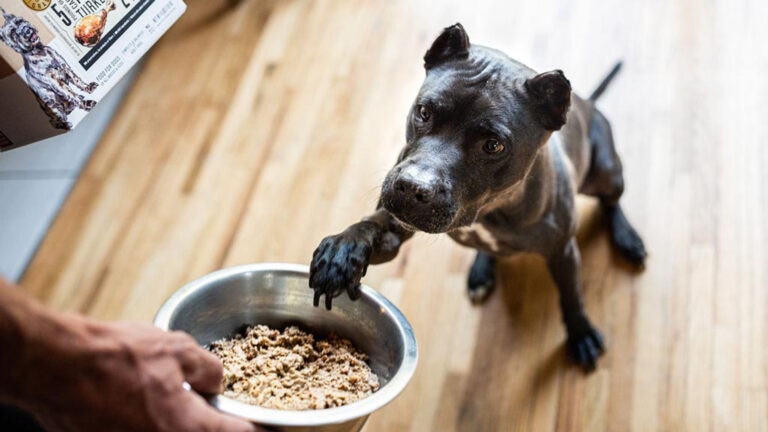
Growth rate slows further, nearing adult size. Energy needs adjust as activity levels change. Most breeds begin transitioning to adult dog food during this time. Consult your vet about the right moment to switch. Monitor your puppy’s weight and health closely during the change.
Credit: www.chewy.com
Differences Between Puppy And Adult Food
Understanding the differences between puppy and adult dog food is key to knowing when to switch your furry friend’s diet. Puppy food is specially designed to support rapid growth and high energy needs. Adult food, on the other hand, focuses on maintaining health without promoting excess weight gain.
Nutritional Needs
Puppies require specific nutrients to build strong bones, muscles, and a healthy immune system. Their food contains higher levels of vitamins and minerals like calcium and phosphorus. Adult dog food meets maintenance needs but doesn’t provide the extra nutrients needed for growth.
Think about your own diet—when you’re growing, you eat more nutrient-rich foods. Your puppy’s body works the same way, needing extra support through their food.
Calorie Content
Puppy food packs in more calories per serving to fuel their energetic play and development. Adult dogs have slower metabolisms and require fewer calories to avoid weight gain. Feeding adult food too early might leave your puppy hungry and undernourished.
Have you noticed how your puppy seems to burn energy nonstop? Their food needs to keep up with this high demand.
Protein And Fat Levels
Protein and fat are essential for growth, and puppy food contains higher amounts of both. This supports muscle development and brain growth. Adult formulas reduce fat and protein levels to maintain a healthy weight and prevent health problems.
If you start feeding adult food too soon, your puppy may miss out on critical building blocks for a strong, healthy body. Are you ready to adjust their diet at just the right time?
Signs Your Puppy Is Ready
Puppies can start eating adult dog food when they stop nursing and eat solid meals easily. Watch for steady teeth growth and increased appetite. These signs show their digestion is ready for adult food.
When can you switch your puppy to adult dog food? Puppies grow quickly and need extra nutrients. Knowing when to transition them is essential. Look for signs that show they are ready.Physical Growth Indicators
Your puppy’s size matters. Most puppies stop growing between 12 to 24 months. Small breeds mature faster than large breeds. Check your puppy’s weight and size. These should align with adult standards for their breed.Behavioral Changes
Adult behavior indicates readiness for adult food. Puppies become less playful as they mature. They start exploring less and rest more. They may also show less interest in frequent meals. Notice any changes in their eating habits.Veterinarian Recommendations
Consult your vet for expert advice. Vets know the right time based on breed and size. They may suggest a gradual change to avoid digestive issues. Follow their plan to ensure a smooth transition.
Credit: www.purina.com
Transitioning To Adult Food
Switching your puppy to adult dog food is an important milestone. This change supports their growth and health as they mature. It requires care and attention to make sure their digestion adjusts well. A smooth transition helps avoid stomach upset and keeps your dog happy.
Gradual Food Mixing
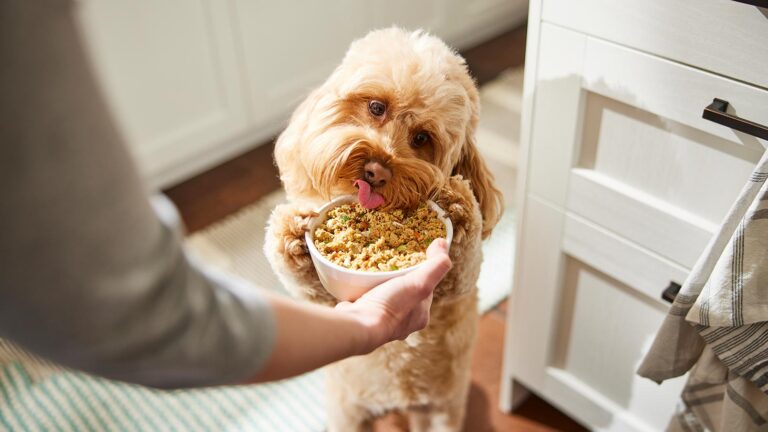
Start by mixing a small amount of adult food with puppy food. Increase the adult food portion slowly over 7 to 10 days. This gentle change helps your puppy get used to the new taste and texture. Watch for any signs of discomfort or refusal to eat.
Monitoring Digestive Health
Keep an eye on your puppy’s digestion during the transition. Look for normal stool consistency and no signs of diarrhea or constipation. If any issues arise, slow down the transition or consult your vet. Healthy digestion shows your puppy is adjusting well to the new diet.
Adjusting Portion Sizes
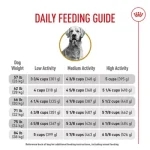
Adult dogs need different food amounts than puppies. Adjust the portions based on your dog’s weight, activity, and age. Avoid overfeeding to prevent weight gain. Use the feeding guidelines on the adult dog food package as a starting point. Monitor your dog’s body condition and energy levels regularly.
Breed And Size Considerations
Breed and size play a big role in deciding when a puppy can start adult dog food. Different breeds grow at different rates and have unique nutritional needs. Understanding these differences helps provide the right food at the right time. This keeps puppies healthy and supports their growth properly.
Small Breeds
Small breed puppies grow faster than bigger breeds. They often reach adult size around 9 to 12 months. Switching to adult food at this age is usually safe. Their metabolism is quick, so they need calorie-dense food. Choose adult dog food designed for small breeds to meet their energy needs.
Medium Breeds
Medium breed puppies grow steadily and mature around 12 to 14 months. Their food transition can happen between 10 to 12 months. Medium breeds need balanced nutrition to support muscles and bones. Pick adult dog food that offers moderate calories and nutrients for their size.
Large And Giant Breeds
Large and giant breed puppies grow slowly and take longer to mature. Their growth can continue until 18 to 24 months. Switching too early to adult food may cause joint problems. Wait until they are at least 12 to 18 months old. Use adult dog food formulated for large breeds to protect their bones and joints.
Credit: www.chewy.com
Common Mistakes To Avoid
Knowing when to switch your puppy to adult dog food is important, but avoiding common mistakes during this transition is just as crucial. These errors can affect your puppy’s health, growth, and energy levels. Paying close attention to these pitfalls helps keep your furry friend happy and thriving.
Switching Too Early
Switching your puppy to adult dog food before they are ready can lead to nutritional gaps. Puppies need higher protein and fat levels for proper growth. Moving too soon can slow their development and cause digestive upset.
Think about your puppy’s breed and size. Larger breeds often need puppy food longer than smaller ones. If you’re unsure, watch their weight and energy closely—are they playful and growing steadily? If not, it might be a sign to wait before switching.
Ignoring Puppy Energy Needs
Puppies have bursts of energy that adult dog food may not support well. Adult formulas often have fewer calories, which can leave your puppy feeling tired or hungry. It’s easy to overlook this because they might still eat the food, but energy level changes matter.
Consider how active your puppy is. Are they running and playing as much as usual? If their energy dips, check the food’s nutritional content. Sometimes, sticking with puppy food a bit longer helps maintain their lively spirit.
Skipping Vet Advice
Not consulting your vet before changing your puppy’s diet can lead to avoidable problems. Vets understand your puppy’s unique health needs and can recommend the best timing and food type. They can spot signs you might miss.
Don’t guess when it comes to your puppy’s food. A quick vet visit can save you from costly health issues later. Have you scheduled a check-up to discuss your puppy’s diet transition?
Frequently Asked Questions
When Is The Right Time To Switch To Adult Dog Food?
Puppies can start eating adult dog food around 12 months old. Large breeds may need up to 18 months. Consult your vet for breed-specific guidance. Transition gradually over 7-10 days to avoid digestive issues. Monitor your puppy’s weight and health during the switch.
Why Shouldn’t Puppies Eat Adult Dog Food Too Early?
Adult dog food lacks the extra nutrients puppies need for growth. Feeding it too early may cause nutritional deficiencies. Puppies require higher protein, fat, and calorie content. Using adult food prematurely can stunt development and weaken the immune system. Always follow age-appropriate feeding guidelines.
How To Transition My Puppy To Adult Dog Food Safely?
Start by mixing 25% adult food with 75% puppy food. Gradually increase adult food over 7-10 days until fully switched. Observe your puppy for any digestive upset or food refusal. A slow transition helps avoid stomach upset and ensures a smooth change.
Can I Feed Adult Dog Food To Small Breed Puppies?
Small breed puppies have faster metabolisms and specific nutritional needs. They should remain on puppy formula longer to support growth. Switching too soon to adult food can lead to inadequate calorie intake. Always check with your vet for breed-specific feeding advice.
Conclusion
Feeding your puppy adult dog food takes time and care. Watch their growth and energy to know the right moment. Most puppies start adult food around one year old. Change the food slowly to avoid stomach upset. Good nutrition helps your dog stay healthy and strong.
Always ask your vet if you feel unsure. Your puppy will thank you with happy, healthy days ahead. Choose the best food for their needs and enjoy the journey together.