
You want the best for your furry friend, right? Choosing the right food at the right time is one of the most important decisions you’ll make for your dog’s health.
But how do you know when it’s time to switch your dog from puppy food to adult food? Feeding your dog the wrong type can affect their growth, energy, and overall well-being. Keep reading, and you’ll discover clear signs to watch for and simple tips to make the transition smooth for both you and your dog.
Your pup’s health depends on it!
Puppy Growth Stages
Understanding your puppy’s growth stages is crucial in deciding the right time to switch from puppy food to adult food. Puppies don’t grow at the same rate throughout their early months. Their nutritional needs evolve as they hit different milestones, so keeping an eye on their development helps you make better feeding choices.
Key Development Milestones
Puppies experience rapid growth during the first 6 months, doubling or even tripling their birth weight. By around 6 months, many puppies start to slow down in growth, signaling a shift in their dietary needs.
During this time, their bones, muscles, and organs develop quickly, requiring higher protein and calorie intake. As they approach 12 months, most puppies reach their adult size, but their energy needs stabilize.
Have you noticed your puppy’s appetite changing or their energy levels shifting around this age? That’s a good sign to evaluate if it’s time to adjust their food.
Breed Size Impact
Not all puppies grow at the same pace. Small breeds often reach their adult size by 9 to 12 months. Large and giant breeds, however, can take up to 18-24 months to fully mature.
This difference means you can switch small breed puppies to adult food earlier, while large breeds benefit from staying on puppy food longer to support their extended growth period.
For example, a Chihuahua might transition by 9 months, but a Great Dane needs puppy-specific nutrition for at least 18 months to protect its joints and bones.
Are you tailoring your feeding schedule based on your puppy’s breed size? Adjusting timing can prevent nutritional gaps or excesses that affect your dog’s health.
Credit: www.purina.com
Signs Your Puppy Is Ready
Puppies may start growing slower and look less chubby as they near adulthood. Their teeth become bigger and stronger. They also show more energy and can eat adult dog food without stomach problems.
Understanding when to transition your puppy from puppy food to adult dog food is crucial for their health and development. This change isn’t just about their age; it’s about recognizing the right signs. Puppies mature at different rates, so it’s essential to observe specific indicators that your furry friend is ready for the switch.Behavioral Changes
You might notice your puppy acting less like a playful little furball and more like a mature dog. They may become less hyperactive and more independent. This transition in behavior often signals that their nutritional needs are changing. A personal experience I had with my puppy, Max, was when he started showing more interest in exploring quietly rather than bouncing off the walls. This shift in behavior prompted me to reassess his diet and make the necessary changes.Physical Indicators
Physically, puppies ready for adult food will often have reached about 80% of their expected adult size. Check your breed’s specific growth chart to see if your puppy is on track. Additionally, their teeth should be fully developed, which makes chewing adult kibble easier. Have you noticed your puppy’s coat becoming shinier or their body structure looking more robust? These can also be signs they are ready to transition. Keep an eye on their weight too. If they’re maintaining a healthy weight without significant fluctuation, it might be time to consider the switch. Are you prepared to meet your puppy’s changing needs? Recognizing these signs ensures a healthy and happy transition from puppy to adult food.Differences Between Puppy And Adult Food
Understanding the differences between puppy and adult dog food is key to making the right switch at the right time. Puppy food is designed to support rapid growth and development, while adult food focuses on maintaining health and energy levels. Knowing what sets these foods apart helps you provide the best nutrition for your furry friend’s stage of life.
Nutritional Needs
Puppies need higher levels of protein and fat to fuel their fast growth and developing muscles. Their food also contains extra vitamins and minerals like calcium and phosphorus to support strong bones and teeth. Adult dogs, however, require balanced nutrition that maintains their body without encouraging excess weight gain.
Have you noticed how your puppy seems to burn energy so quickly? Their body is like a construction site, constantly building. Adult dogs, on the other hand, need food that supports steady energy without overloading their system.
Calorie Requirements
Puppies burn more calories because they are growing and often more active. Their food is calorie-dense to meet these higher energy demands in smaller portions. Adult dogs need fewer calories to avoid weight gain, especially if they are less active than when they were puppies.
- Puppy food contains roughly 20-30% more calories per serving than adult food.
- Feeding adult food too early can leave your puppy feeling hungry and undernourished.
- Switching too late may cause your dog to gain unwanted weight as their metabolism slows.
Have you ever wondered why your puppy seems hungry all the time? Their calorie needs are sky-high. Adjusting food as they grow ensures they get enough energy without piling on extra pounds.
Timing The Switch
Knowing the right time to switch your dog from puppy food to adult food is key for their health. Puppies need different nutrients than adult dogs. Changing their diet too early or too late can affect growth and energy levels.
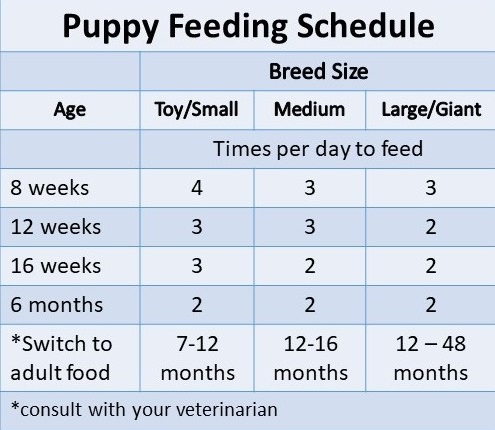
Timing depends on the breed size. Smaller dogs grow faster and need the switch sooner. Larger breeds take more time to mature and require puppy food longer.
Small Breeds
Small breed dogs usually grow quickly. Most reach adult size by about 9 to 12 months. You can start the switch around this age. Watch for signs like steady weight and less rapid growth. Use a gradual transition over 7 to 10 days to avoid stomach upset.
Medium And Large Breeds
Medium and large breeds take longer to mature. Some large dogs keep growing until 18 to 24 months. It is best to wait until at least 12 months to start switching. Check your vet’s advice based on your dog’s breed. Transition slowly to adult food to support joint and bone health.
How To Transition Food
Transitioning your dog from puppy food to adult food requires care and attention. A sudden switch can upset their stomach or cause picky eating habits. Taking time to introduce the new food gently helps your dog adjust smoothly and stay healthy.
Gradual Introduction Tips
Start by mixing a small amount of adult food with your puppy’s current food. Increase the adult food portion slowly over 7 to 10 days until you feed only adult food. This slow change helps your dog’s digestive system adapt without stress.
Watch how your dog reacts each day. If they seem hesitant or refuse the new food, try mixing in some warm water or a bit of low-sodium broth to make it more appealing. Have you noticed your dog’s favorite texture or flavor? Use that to guide your choices.
- Mix 25% adult food with 75% puppy food for the first 2-3 days.
- Change to 50% adult food and 50% puppy food for the next 2-3 days.
- Shift to 75% adult food and 25% puppy food after that.
- Feed 100% adult food by day 7 to 10.
Avoiding Digestive Upset
Sudden food changes can cause diarrhea, vomiting, or gas in dogs. To prevent this, keep your dog’s feeding schedule consistent during the transition. Avoid introducing treats or table scraps that might confuse their stomach further.
If you notice loose stools or vomiting, slow down the transition pace. Give your dog more time at each stage before increasing the adult food amount. Have you ever had to pause a food change because your dog felt unwell? That extra patience pays off in the long run.
Remember to provide plenty of fresh water and observe your dog’s overall behavior. Healthy energy levels and a shiny coat are good signs your dog is adjusting well. If digestive issues persist, consult your vet for guidance.
Credit: www.thinkjinx.com
Monitoring Your Dog’s Health
Monitoring your dog’s health is key when deciding to switch from puppy food to adult food. Puppies grow at different rates, and their nutritional needs change accordingly. Keeping a close eye on their physical condition helps you make the right call at the right time.
Weight Management
Watch your dog’s weight closely as they grow. Sudden gains or losses can signal that their diet isn’t matching their needs anymore. If your puppy starts gaining too much weight, it might be time to switch to adult food with fewer calories to avoid future health issues.
I noticed my Labrador puppy quickly put on extra pounds after six months. Adjusting his food to an adult formula helped keep him fit and active. Are you tracking your dog’s weight regularly enough to spot these changes early?
Energy Levels
Your dog’s energy is a great indicator of whether their food suits their stage of life. Puppies usually have boundless energy, but as they mature, their activity level will settle. If your dog seems sluggish or unusually tired, it might mean their current diet isn’t providing the right nutrients anymore.
When my pup started slowing down around eight months, I checked her food and consulted the vet. Switching to adult food helped restore her natural energy. Have you noticed shifts in your dog’s energy that could signal a dietary change?
When To Consult A Vet
Knowing when to consult a vet about switching your dog from puppy food to adult food is crucial for your pet’s well-being. Each dog grows and develops differently, and some might need professional guidance to make this transition smooth and safe. Ignoring signs that your dog needs special care could lead to health issues or nutritional imbalances.
Health Concerns
Have you noticed any sudden changes in your dog’s appetite, weight, or energy levels? These could signal underlying health problems that affect their dietary needs. A vet can help identify if your dog has conditions like allergies, digestive issues, or metabolic disorders that require a specific diet.
For instance, if your puppy starts losing weight after switching to adult food, don’t wait. Schedule a vet visit to rule out illnesses or nutrient deficiencies. Your vet’s advice ensures your dog gets the right nutrition for their health status.
Special Dietary Needs
Some dogs need diets tailored to their breed, size, or activity level. If your dog has special dietary requirements, a vet’s input is essential before changing their food. This helps avoid nutritional gaps or excesses that can harm your dog’s development.
Consider dogs with food sensitivities or chronic conditions like kidney disease or obesity. Your vet may recommend specific adult formulas or supplements to support their health. Have you checked if your dog’s new food meets these unique needs?

Credit: www.reddit.com
Frequently Asked Questions
When Should I Switch My Dog From Puppy To Adult Food?
Switch your dog to adult food around 12 months old for most breeds. Larger breeds may need adult food later, at 18-24 months. This timing supports healthy growth and meets nutritional needs as your puppy matures.
How Do I Know My Puppy Is Ready For Adult Food?
Look for signs like steady weight, slower growth, and adult teeth. Your vet can confirm readiness based on breed, size, and health. Transitioning too early or late can affect your dog’s nutrition and development.
Can Switching Dog Food Too Early Cause Health Issues?
Yes, switching too early may lead to nutritional deficiencies or digestive upset. Puppy food has higher nutrients for growth. Adult food suits maintenance needs. Follow vet advice for the best transition time to avoid problems.
Should I Mix Puppy And Adult Food During Transition?
Mixing puppy and adult food gradually over 7-10 days helps avoid stomach upset. Start with mostly puppy food and increase adult food daily. This slow change allows your dog’s digestive system to adjust smoothly.
Conclusion
Switching your dog to adult food at the right time is important. Puppies grow fast and need special nutrition. Once they reach the right age or size, adult food helps keep them healthy. Watch your dog’s behavior and body for signs it’s time to change.
Consult your vet if unsure. A smooth switch supports your dog’s energy and well-being. Feeding the right food helps your dog live a happy, healthy life. Timing matters. Your dog will thank you.