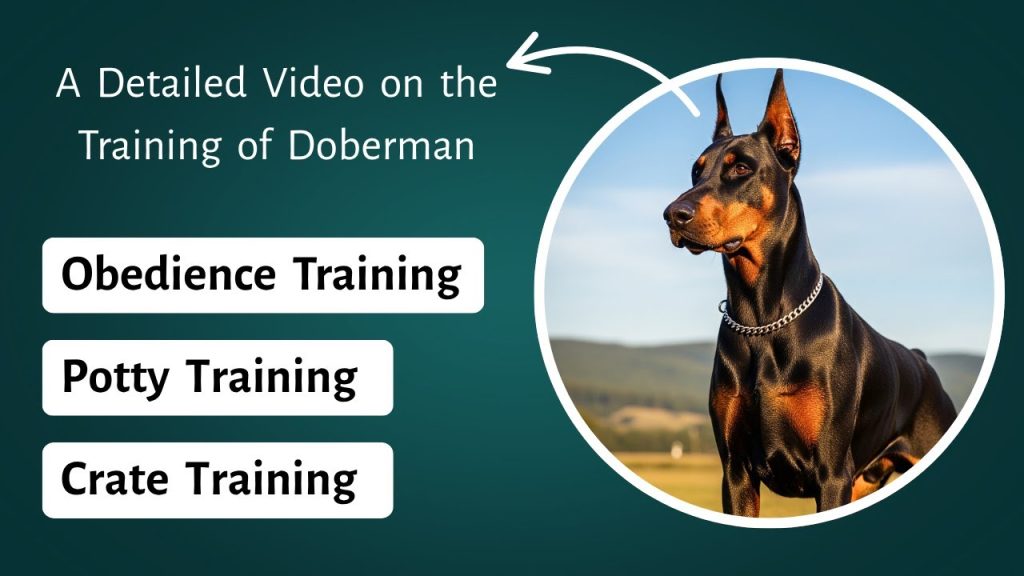

If you want a loyal protector who watches over your home with alertness and strength, training your Doberman to be a guard dog is the key. You might already know that Dobermans are smart and strong, but turning that natural ability into reliable protection takes the right approach.
In this guide, you’ll discover simple, effective steps to train your Doberman to guard your family and property confidently. Keep reading, and you’ll learn how to build a bond with your dog that makes protection second nature.
Choosing The Right Doberman
Choosing the right Doberman is the foundation for effective guard dog training. Not every Doberman will naturally have the qualities needed to protect your home or family. Understanding which traits and characteristics to look for helps you select a dog that can excel in guarding roles.
Traits For Guarding
Look for a Doberman with strong alertness and confidence. These dogs need to be naturally aware of their surroundings and quick to respond to unusual activity.
Physical strength and agility are important too. A guard dog must be able to move quickly and assert itself when necessary without hesitation.
Social intelligence is another key trait. Your Doberman should distinguish between normal visitors and potential threats, avoiding unnecessary aggression.
- Alertness:Reacts promptly to sounds and movements.
- Confidence:Stands firm without fear or excessive nervousness.
- Physical Fitness:Strong, agile, and healthy body.
- Discrimination:Can tell friend from foe effectively.
Age And Temperament
Choosing the right age matters. Puppies offer a clean slate but require more time and patience to train properly.
Adult Dobermans with stable temperaments can sometimes be better candidates because their personalities are already developed. You can assess their behavior before committing.
Temperament tests help reveal if the dog is naturally protective or overly aggressive. A balanced temperament is crucial to avoid problems later on.
- Younger Dogs:Easier to shape but need consistent guidance.
- Older Dogs:Personality traits are clear, making selection easier.
- Temperament Testing:Look for calmness under pressure and controlled aggression.
Have you ever met a Doberman that seemed too shy or too wild? That’s why matching the dog’s temperament to your guard dog goals is essential before starting training.

Credit: ptbodogtrainer.ca
Basic Obedience Training
Training your Doberman to be a guard dog begins with mastering basic obedience. This foundational step ensures your dog understands your expectations and can respond to commands even in high-pressure situations. Think of it as setting the stage for more advanced training.
Essential Commands
To start, focus on teaching your Doberman essential commands like sitting, staying, and coming. These are the building blocks of effective communication between you and your dog.
- Sit:A simple command that helps establish your authority. Use a treat to guide your dog into a sitting position, rewarding them when they succeed.
- Stay:Crucial for safety, especially in potentially dangerous situations. Gradually increase the distance and duration of the stay command to build reliability.
- Come:Ensures your Doberman returns to you promptly. Practice in a safe, enclosed area, using a happy tone and rewards to encourage compliance.
Mastering these commands creates a solid obedience foundation, which is essential for any guard dog.
Consistency And Patience
Training isn’t just about what you teach but how you teach it. Consistency and patience are your best allies in this journey.
Reinforce commands daily, integrating them into your regular interactions. This repetition helps your Doberman learn faster and more efficiently.
Patience is equally important. Every dog learns at their own pace, and rushing can lead to frustration for both you and your pet. Celebrate small victories and remember that progress takes time.
Have you ever noticed how your mood affects your dog’s training sessions? Your calm and consistent demeanor can inspire your Doberman to focus and succeed.
By dedicating time and effort to basic obedience training, you’re not just teaching commands. You’re building a strong, trusting bond with your Doberman that will support their role as a reliable guard dog.
Building Socialization Skills
Building socialization skills is a crucial part of training your Doberman to be an effective guard dog. A well-socialized Doberman can distinguish between normal situations and real threats, making them alert without being overly aggressive. This balance helps your dog protect your home confidently and calmly.
Introducing To People
Start by introducing your Doberman to a variety of people in controlled settings. Let your dog meet men, women, and children of different ages and appearances. Watch how your dog reacts and gently guide them to stay calm and polite.
You want your Doberman to feel comfortable around strangers, but also aware. If your dog shows signs of fear or aggression, step back and give them space before trying again. Positive experiences build trust and reduce unnecessary anxiety.
Try involving friends or neighbors to visit regularly. This keeps your dog used to new faces and helps you observe how they behave. Have treats handy to reward calm behavior, reinforcing that meeting new people is safe and positive.
Exposure To Environments
Take your Doberman to different places such as parks, busy streets, and quiet neighborhoods. Each new environment offers unique sights, sounds, and smells that challenge your dog’s focus. This variety helps your dog adapt and stay alert without becoming overwhelmed.
Keep initial trips short and gradually increase duration as your dog grows more comfortable. Pay attention to your Doberman’s body language—are they curious, anxious, or distracted? Use treats and praise to encourage calm behavior in each setting.
Have you noticed how some dogs freeze or bark at unfamiliar noises? Teaching your Doberman to stay calm during these moments is key. Practicing exposure builds confidence and sharpens their ability to identify real threats versus everyday distractions.
Developing Guarding Instincts
Developing guarding instincts in a Doberman is key to creating a reliable guard dog. These instincts do not come fully formed. They need careful training and guidance. The goal is to help your Doberman understand when and how to protect without causing harm unnecessarily. Training should build confidence and control. This ensures the dog reacts correctly in real situations. Focus on specific skills that sharpen natural protective behaviors.
Controlled Aggression
Controlled aggression teaches your Doberman to stay calm but ready to act. This balance is important for safety and effectiveness. Start by encouraging assertive behavior in safe settings. Use commands to signal when to be alert and when to relax. Reward calm responses to strangers and unusual noises. Avoid harsh punishment, which can increase fear or aggression. Controlled aggression means the dog listens carefully to your cues. It also means the dog does not attack without reason.
Alert Barking Training
Alert barking warns you about possible threats. Train your Doberman to bark only when necessary. Use short commands like “Speak” to encourage barking. Reward the dog immediately after barking on command. Teach a “Quiet” command to stop barking when asked. This prevents excessive noise and confusion. Practice with different sounds and people. This helps your Doberman understand what needs attention. Alert barking training improves communication between you and your guard dog.
Advanced Protection Training
Advanced protection training takes your Doberman’s natural guarding instincts to a higher level. It sharpens their ability to respond appropriately under pressure while maintaining control and precision. This phase builds on basic obedience and socialization, focusing on real-world scenarios that require quick thinking and discipline.
Bite Work
Bite work is a crucial part of training your Doberman to be an effective guard dog. This training teaches your dog how to bite correctly—targeting the right areas without causing unnecessary harm.
Start by introducing a bite sleeve or protective gear to your dog. Let them get comfortable with biting and holding on command. This ensures your dog understands when and how to use their bite as a defensive tool.
Consistency is key. Reward your Doberman only when they bite on command and release immediately when told. This teaches control and prevents aggressive, uncontrolled behavior.
Controlled Attacks
Controlled attacks refine your Doberman’s ability to respond to threats without losing discipline. Your dog learns to approach, engage, and disengage on your command, which is vital for safety and effectiveness.
During training, use clear verbal cues and hand signals. This helps your Doberman associate commands with specific actions during high-stress situations.
Remember, the goal is not to create a dog that attacks on its own but one that follows your lead precisely. Have you considered how much trust you need to build with your dog to make this possible?
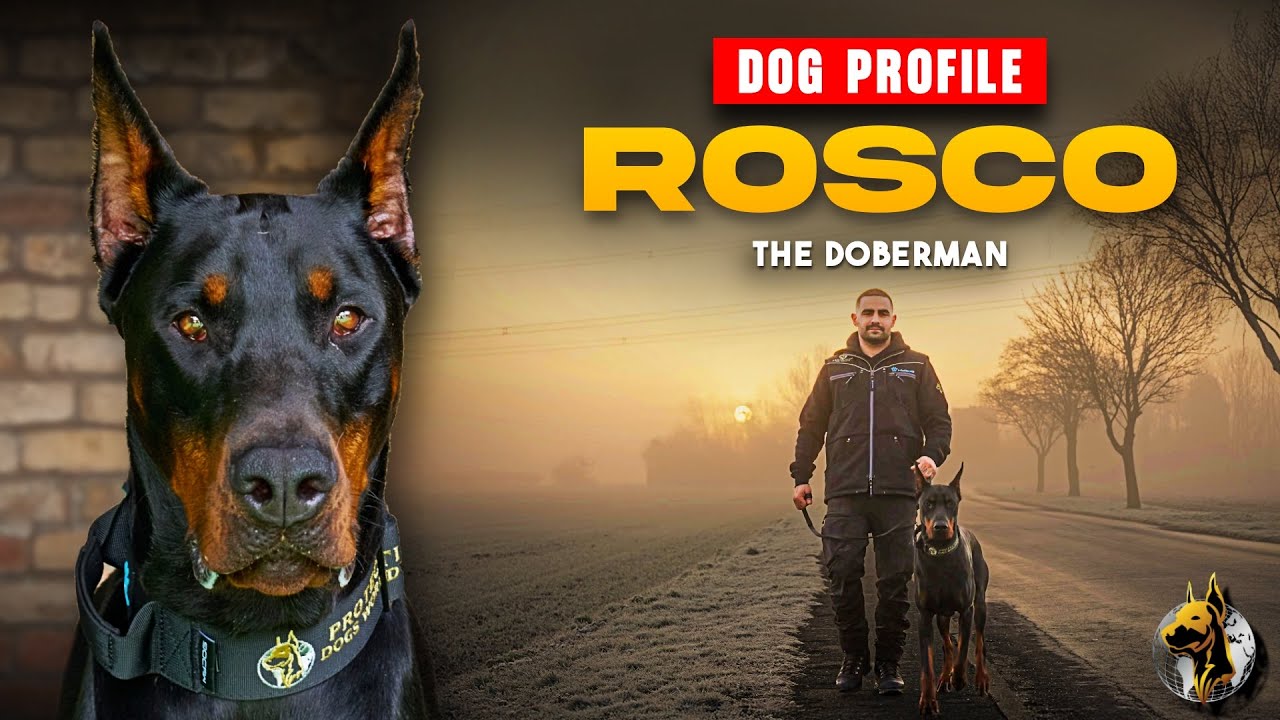
Credit: www.youtube.com
Maintaining Physical Fitness
Maintaining physical fitness is key to training a Doberman as a reliable guard dog. A fit dog has more energy, alertness, and strength. These traits help the Doberman perform guard duties well. Physical fitness also supports mental sharpness. It lowers the risk of injuries and health problems. Regular exercise and a balanced diet keep your dog in top shape. Consistency in fitness routines builds discipline and confidence.
Exercise Routines
Exercise routines must be regular and varied. Dobermans need a mix of endurance, strength, and agility training. Daily walks are a simple start. Increase the intensity with running or jogging. Play fetch or tug-of-war to build muscle and reflexes. Agility courses improve coordination and speed. Short bursts of high-energy activities sharpen focus and reaction times. Rest days are important to avoid overtraining and injuries.
- 30-60 minutes of walking or running daily
- Agility exercises twice a week
- Strength games like tug-of-war or obstacle courses
- Short training sessions with quick commands
- Rest and recovery time included
Diet And Health
A healthy diet fuels a Doberman’s body and mind. Feed high-quality dog food rich in protein and essential nutrients. Balance protein, fats, and carbohydrates for energy and muscle repair. Avoid foods with fillers or artificial additives. Fresh water must be available at all times. Regular vet check-ups ensure your dog stays healthy and injury-free. Supplements may help with joints and coat health but consult a vet first. Monitor your dog’s weight to prevent obesity or malnutrition.
| Diet Component | Benefit |
|---|---|
| Protein | Muscle growth and repair |
| Healthy fats | Energy and skin health |
| Carbohydrates | Energy for exercise |
| Vitamins & Minerals | Overall health and immunity |
Handling And Safety Tips
Training a Doberman to guard requires careful handling and strict safety measures. This section covers essential tips to keep both the dog and people safe. Proper management helps the dog stay confident and controlled. It also prevents unwanted behavior. Understanding your role as an owner is key to success.
Owner Responsibility
Owners must set clear rules and limits for their Doberman. Consistent training helps the dog understand what is allowed. Always supervise your dog during guard training sessions. Provide daily exercise to keep energy levels balanced. Socialize the dog with different people and environments. A well-socialized Doberman is less likely to act out.
Patience is crucial. Avoid harsh punishment that can cause fear or aggression. Reward good behavior with treats and praise. This builds trust between you and your dog.
Preventing Aggression Issues
Guard training can trigger aggressive tendencies if mishandled. Teach your Doberman to obey commands like “sit,” “stay,” and “leave it.” This control reduces risks during stressful situations. Watch for signs of anxiety or fear. Address these early with positive reinforcement.
- Never encourage biting or attacking without command.
- Discourage growling or snapping at family members.
- Use a secure leash or harness during training.
- Keep children and strangers safe by limiting unsupervised contact.
Regular vet check-ups ensure your dog’s health and behavior remain stable. Proper handling creates a reliable guard dog and a safe home environment.
When To Consult A Professional
Training a Doberman to be a reliable guard dog takes skill and patience. Some challenges need expert advice to keep your dog safe and well-behaved. Knowing when to ask for professional help can save time and avoid problems.
Signs You Need Help
- Your Doberman shows aggressive behavior without clear reasons.
- Training progress stops or the dog ignores commands.
- The dog is fearful or anxious around strangers.
- You struggle to control the dog during training sessions.
- Safety concerns arise for family members or visitors.
- Confusion about proper guard dog training methods.
These signs mean it is time to seek professional guidance. Experts can assess your dog’s behavior and suggest tailored training plans.
Choosing A Trainer
- Look for trainers experienced with Dobermans and guard dog skills.
- Check for certifications from recognized dog training organizations.
- Read reviews or ask for references from previous clients.
- Make sure the trainer uses positive reinforcement techniques.
- Discuss training goals clearly before starting sessions.
- Observe a training session to ensure it fits your needs.
Picking the right trainer improves your Doberman’s learning and safety. Professional help builds confidence in your dog and yourself.

Credit: www.youtube.com
Frequently Asked Questions
How Long Does It Take To Train A Doberman As A Guard Dog?
Training a Doberman to be a guard dog typically takes 6 to 12 months. Consistency and early socialization speed up the process. Regular obedience and protection drills are essential. Ongoing training ensures the dog remains alert and responsive to threats.
What Basic Commands Should A Guard Doberman Learn?
A guard Doberman should master commands like sit, stay, come, heel, and bark on command. These establish control and responsiveness. Advanced commands include “guard,” “attack,” and “release” for protection work. Proper command training enhances safety and effectiveness.
Can A Doberman Be Trained For Protection Without Aggression?
Yes, Dobermans can be trained for protection without unnecessary aggression. Training focuses on controlled defense and obedience. Socialization reduces fear-based aggression. A well-trained Doberman protects only on command and remains calm otherwise.
What Are The Best Training Methods For A Guard Doberman?
Positive reinforcement combined with firm, consistent commands works best. Use rewards like treats and praise to encourage good behavior. Avoid harsh punishment to prevent fear or aggression. Regular, structured training sessions build trust and discipline.
Conclusion
Training a Doberman to guard takes time and patience. Consistency helps build trust and respect. Use clear commands and reward good behavior. Early socialization keeps your dog confident and calm. Regular practice improves their skills and focus. A well-trained Doberman protects your home well.
Stay calm and firm during training sessions. Your effort creates a loyal and alert guard dog. Keep learning and adapting as your dog grows. A safe home starts with good training habits.