Are you wondering if your adult dog should switch to senior dog food? It’s a common question many pet owners face.
You want to make sure your furry friend gets the right nutrition at every stage of life. But is senior dog food really the best choice for your adult dog? You’ll discover the key differences between adult and senior dog food and find out what’s best for your dog’s health and happiness.
Keep reading to make the best decision for your loyal companion.
Credit: wefeedraw.com
Differences Between Adult And Senior Dog Food
Understanding the differences between adult and senior dog food is key to making the right choice for your pet. These formulas are designed to meet the changing needs of dogs as they age. But what exactly sets them apart, and how does this affect your dog’s health?
Nutritional Variations
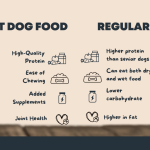
Senior dog food usually contains adjusted levels of protein to support aging muscles without overloading the kidneys. You might notice added supplements like glucosamine and chondroitin to help maintain joint health. Adult dog food, on the other hand, focuses on balanced nutrition for maintaining energy and muscle mass in younger dogs.
Calorie Content
Older dogs tend to be less active, so senior dog foods often have fewer calories to prevent unwanted weight gain. If your adult dog is highly active, feeding them lower-calorie senior food might leave them feeling hungry or lacking energy. Have you checked your dog’s daily activity level to match their calorie needs?
Ingredient Adjustments
Ingredients in senior formulas often include antioxidants like vitamins E and C to support the immune system. Fiber content can be higher to aid digestion, which can slow down with age. Adult dog food ingredients typically focus on maintaining overall vitality without these extra adjustments.
Health Benefits Of Senior Dog Food For Adults
Senior dog food isn’t just for older dogs. Adult dogs can benefit from the special nutrients designed to support aging joints, digestion, and healthy weight. If you’ve noticed your adult dog slowing down or having digestive issues, senior formulas might offer the support they need.
Joint Support Ingredients
Many senior dog foods contain ingredients like glucosamine and chondroitin, which help maintain joint health and reduce inflammation.
These components can be beneficial for adult dogs that are active or prone to joint problems. I’ve seen dogs become more playful and comfortable after switching to food with these supplements.
Could your dog’s occasional stiffness improve with added joint support?
Digestive Health
Senior formulas often include prebiotics and probiotics to promote a healthy gut. These help balance good bacteria and improve digestion.
If your adult dog struggles with upset stomach or irregular bowel movements, this boost to digestive health can make a noticeable difference.
Think about how better digestion could enhance your dog’s energy and mood daily.
Weight Management
Senior dog foods typically have fewer calories and higher fiber content to manage weight effectively. This can help adult dogs maintain a healthy body condition without feeling hungry.
If your adult dog tends to gain weight easily, switching to a senior formula might prevent obesity-related health problems.
How much easier would it be to keep your dog at an ideal weight with food designed for balanced nutrition?
Potential Risks Of Feeding Senior Food To Adults
Feeding senior dog food to adult dogs can carry certain risks. While it may seem convenient, this choice might not meet an adult dog’s nutritional needs. Let’s explore the potential risks associated with this decision.
Nutrient Imbalances
Senior dog food often contains different nutrient levels. These are tailored to older dogs’ needs. Adult dogs need more protein and certain nutrients for energy and health. Feeding senior food may lead to imbalances. This can affect their growth, energy levels, and overall health.
Calorie Deficiency Or Excess
Senior foods usually have lower calories. Older dogs are less active and need fewer calories. Adult dogs, especially active ones, require more. Feeding them senior food might not provide enough calories. This can result in weight loss or energy deficiency. Conversely, if the dog is less active, it might consume too many calories. This could lead to weight gain and related health issues.
Possible Allergic Reactions
Some senior dog foods contain unique ingredients. These are meant to aid aging dogs. Adult dogs may not tolerate these ingredients well. This can lead to allergic reactions, including skin issues or digestive problems. Monitoring your dog for any adverse reactions is crucial.

Credit: us.eukanuba.com
When Adult Dogs Might Need Senior Food
Adult dogs might need senior dog food before they reach old age. This depends on their health and physical changes. Senior dog food has nutrients that support aging bodies. Knowing when to switch can help keep dogs healthy and active.
Early Signs Of Aging
Look for changes in your dog’s behavior and health. Some signs include:
- Less energy and slower movements
- Stiffness or difficulty climbing stairs
- Changes in appetite or weight
- Graying fur around the muzzle
- More frequent sleeping
These signs may mean your dog’s body needs more support. Senior food can provide extra nutrients for joints, digestion, and skin.
Veterinary Recommendations
Veterinarians often suggest senior food based on health checks. They assess your dog’s weight, activity, and overall health. A vet may recommend senior food to:
- Improve joint health
- Support kidney or heart function
- Help maintain a healthy weight
- Provide balanced vitamins and minerals
Always follow your vet’s advice about diet changes. They know your dog’s needs best.
Special Health Conditions
Some adult dogs develop health issues that benefit from senior food. Conditions like arthritis, diabetes, or kidney disease need special nutrition. Senior dog food often has:
- Lower calories to prevent weight gain
- Added joint supplements like glucosamine
- Controlled protein levels for kidney health
- High fiber for better digestion
Feeding the right food helps manage these conditions. It improves comfort and quality of life for your dog.
Alternatives To Senior Dog Food For Adults
Adult dogs have different nutritional needs than senior dogs. Feeding senior dog food to adults may not provide the right balance of nutrients. There are several alternatives that can support adult dogs’ health effectively. These options focus on maintaining energy, muscle tone, and joint function.
Age-appropriate Adult Formulas
Adult dog foods are designed to meet the energy needs of dogs between one and seven years old. These formulas contain balanced proteins, fats, and carbohydrates for active dogs. They support healthy skin, shiny coats, and strong muscles. Choosing age-appropriate food helps prevent weight gain and nutrient deficiencies.
Supplements For Joint Health
Joint health is important for all dogs, not just seniors. Supplements like glucosamine, chondroitin, and omega-3 fatty acids can help keep joints flexible. These supplements reduce inflammation and support cartilage repair. Adding them to an adult dog’s diet can improve mobility and comfort without switching to senior food.
Custom Diet Plans
Some adult dogs have special dietary needs. Custom diet plans created by veterinarians offer tailored nutrition. These plans consider breed, size, activity level, and health conditions. A personalized diet ensures the dog gets the right nutrients in the right amounts. It can include fresh ingredients, homemade meals, or prescription foods.

Credit: www.businessinsider.com
Tips For Transitioning Dog Food
Switching your dog’s food requires care and patience. Sudden changes can upset their stomach or cause refusal to eat. Following simple tips helps your dog adapt smoothly to new food. This lowers the risk of digestive issues and keeps your dog happy and healthy.
Gradual Introduction
Start by mixing a small amount of the new food with the current food. Increase the new food portion slowly over 7 to 10 days. This gradual change lets your dog’s digestive system adjust. Watch if your dog eats well and does not show signs of upset stomach.
Monitoring Health Changes
Observe your dog’s behavior and physical health during the transition. Look for changes in energy, appetite, and stool quality. Any vomiting or diarrhea needs attention. Record any unusual signs to discuss with your veterinarian. Early detection helps prevent serious problems.
Consulting A Veterinarian
Talk to your veterinarian before switching dog food, especially to senior formulas. Your vet can advise if the new food suits your dog’s age and health needs. They may suggest blood tests or special diets. Professional guidance ensures your dog stays balanced and nourished.
Frequently Asked Questions
Can Adult Dogs Eat Senior Dog Food Safely?
Yes, adult dogs can eat senior dog food, but it’s not ideal. Senior formulas have lower calories and different nutrients suited for older dogs. Feeding adult dogs senior food regularly may cause nutritional imbalances or weight gain. Consult your vet before switching dog food types.
What Are The Differences Between Adult And Senior Dog Food?
Senior dog food has fewer calories, more joint support ingredients, and adjusted protein levels. Adult dog food focuses on balanced nutrition for active dogs. These differences help older dogs maintain health, mobility, and weight. Choosing the right formula supports your dog’s life stage needs effectively.
Will Senior Dog Food Affect An Adult Dog’s Health?
Feeding senior dog food to adult dogs occasionally is safe. However, long-term feeding may lead to weight gain or nutrient deficiencies due to lower calorie and protein content. Always monitor your dog’s health and energy levels. Consult your vet for tailored dietary advice.
When Should I Switch My Dog To Senior Food?
Switch to senior food around 7 to 8 years old or when advised by your vet. Signs include reduced activity, joint stiffness, or weight changes. Senior formulas support aging dogs’ specific health needs. Timely switching helps maintain their overall well-being.
Conclusion
Adult dogs can eat senior dog food, but it’s not always ideal. Senior formulas have fewer calories and extra nutrients for aging pets. This may not meet the energy needs of younger adult dogs. Always watch your dog’s health and weight closely.
Talk to your vet before changing your dog’s diet. Choosing the right food keeps your dog happy and healthy. Balance and care matter most for every stage of life.