
Are you wondering when it’s the right time to switch your furry friend to adult dog food? Feeding your dog the right type of food at the right age is crucial for their health and happiness.
Giving your pup adult food too soon or too late can affect their growth, energy, and overall well-being. You’ll discover clear signs and expert advice to help you make the best choice for your dog’s diet. Keep reading to learn exactly when to make the switch and why it matters for your pet’s future.
Signs Your Dog Is Ready
Knowing the right time to switch your dog to adult food can make a big difference in their health and happiness. Dogs don’t all grow at the same pace, so watching for clear signs is key. Paying attention to your dog’s growth, behavior, and physical changes helps you decide when they’re ready for a new diet.
Growth Milestones
Most dogs reach their adult size between 9 and 12 months, but some large breeds take up to 18 months. You’ll notice their rapid growth slowing down and their body filling out rather than stretching longer.
Ask yourself if your dog’s puppy coat is being replaced by a thicker, adult coat. This often signals they are nearing adulthood and ready for adult food.
Behavioral Changes
As your dog matures, their energy levels and eating habits will shift. You might see less hyperactive play and more calm, steady activity.
Has your dog’s appetite changed? A more consistent appetite that’s less frequent but larger in amount can mean it’s time to switch diets.
Physical Development
Look for solid muscle development and stronger bones. If your dog appears leaner and more muscular rather than chubby, their body is adapting to adult nutrition needs.
Dental development also provides clues. Adult teeth replacing baby teeth is a clear sign your dog is moving into adulthood.
Age Guidelines By Breed Size
Knowing when to switch your dog to adult food depends a lot on their breed size. Different breeds grow at different rates, so the right time varies. Feeding adult food too early or too late can affect your dog’s health and energy.
Small Breeds
Small breed dogs, like Chihuahuas or Dachshunds, usually reach adulthood faster. They often transition to adult food around 9 to 12 months old. Their fast growth means they need nutrient-rich puppy food longer to support their development.
If you switch too early, they might miss out on important nutrients. Watch for signs like slowed growth or less energy. Have you noticed your small dog acting tired? That could mean it’s time to review their diet.
Medium Breeds
Medium breeds such as Beagles or Cocker Spaniels generally move to adult food between 12 and 14 months. Their growth is steadier, so you have a bit more flexibility. Keep an eye on their weight and activity levels during this period.
Switching at the right time helps maintain their muscle tone and keeps them active. If your dog seems overly hungry or gaining too much weight, consider adjusting the timing. Are you tracking your dog’s growth milestones regularly?
Large Breeds
Large breeds like Golden Retrievers or German Shepherds grow more slowly and need puppy food up to 18-24 months. Their bones and joints require extra care to develop properly. Moving to adult food too soon can cause health issues later on.
Look for steady growth and stable energy before making the switch. Sometimes, a vet’s advice is best to decide the right moment. Have you checked with your vet about your large dog’s feeding schedule recently?
Nutritional Differences
Understanding the nutritional differences between puppy and adult dog food helps you choose the right time to switch. Dogs have changing dietary needs as they grow. Feeding the correct formula supports their health and energy levels.
Puppy Vs Adult Formulas
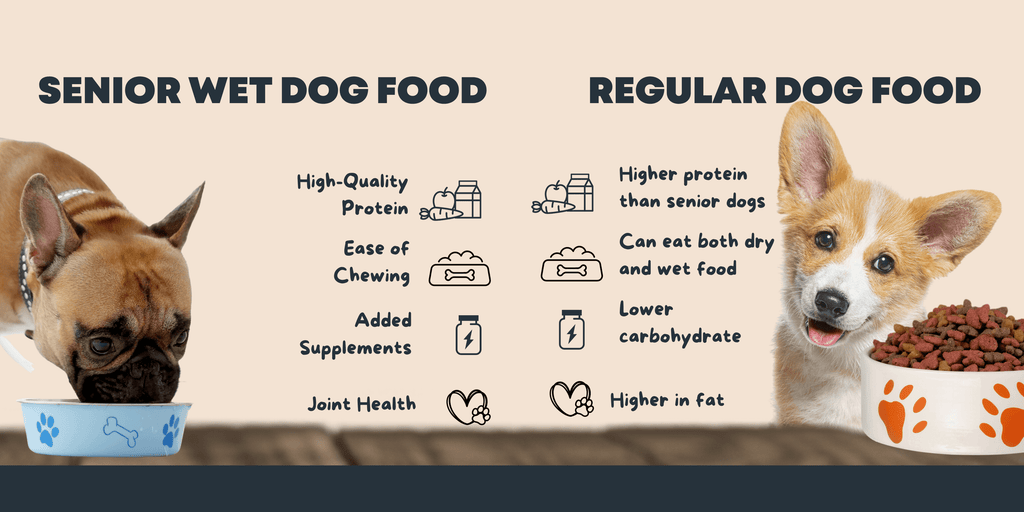
Puppy food has extra protein and fat to support growth. It contains nutrients that help build strong bones and muscles. Adult food focuses on maintaining health, not growth. It has balanced nutrients for daily energy and body maintenance.
Key Nutrient Changes
- Puppy food has higher calcium for bone development.
- More protein in puppy food supports muscle growth.
- Adult food has controlled fat to prevent weight gain.
- Adult formulas often include joint support nutrients.
- Antioxidants in adult food boost the immune system.
Calorie Needs
Puppies need more calories per pound than adult dogs. They burn energy fast due to rapid growth. Adult dogs require fewer calories to stay healthy. Overfeeding adult dogs can cause obesity and health issues. Adjusting calorie intake helps maintain your dog’s ideal weight.
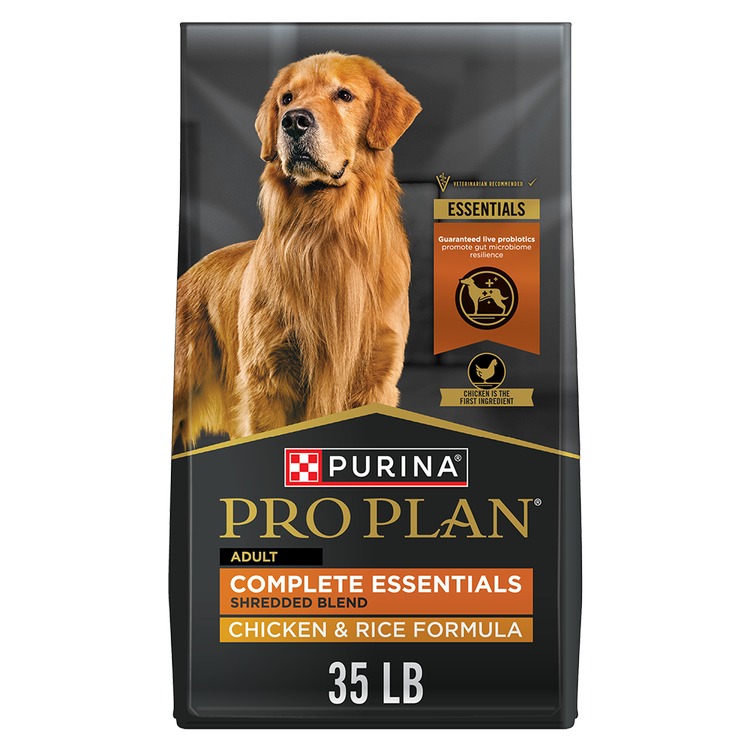
Credit: www.purina.com
Transitioning Smoothly
Puppies usually switch to adult food around one year old, but breed size matters. Gradually mix adult food with puppy food over a week for a smooth change. Watch for any stomach upset during the transition.
Transitioning a dog from puppy food to adult food is important. A smooth transition ensures your dog stays healthy and happy. Knowing the right steps can make this process easy for both you and your pet.Gradual Food Changes
Switching to adult food should be gradual. Start by mixing a small amount of adult food with their current food. Increase the adult food amount over a week. This helps your dog’s digestive system adjust.Monitoring Digestive Health
Watch for any changes in your dog’s digestion. Look for signs of upset stomach or diarrhea. If problems occur, slow down the transition. Your dog’s comfort is a priority.Avoiding Common Mistakes
Avoid switching foods too quickly. This can upset your dog’s stomach. Also, don’t ignore your dog’s reactions to the new food. Every dog is different and needs care during this transition.Veterinarian Advice
Veterinarian advice is crucial when deciding the right time to switch your dog to adult food. Vets have the training and experience to assess your dog’s unique growth patterns and health needs. Listening to their guidance can prevent common feeding mistakes and ensure your dog’s diet supports long-term wellbeing.
When To Consult A Vet
It’s a good idea to talk to your vet before changing your dog’s diet. Puppies grow at different rates depending on their breed and size, so timing the switch to adult food varies. If you notice changes in appetite, energy, or digestion, your vet can help determine if the diet needs adjustment.
I once delayed consulting my vet about feeding my Labrador adult food. It turned out my dog’s slow growth meant he needed puppy food a bit longer. That conversation saved me from unnecessary diet changes and kept him healthy.
Tailoring Feeding To Health Needs
Not all dogs thrive on the same adult food. Some have allergies, sensitive stomachs, or specific health conditions that require special diets. Your vet can recommend food that matches your dog’s health profile, making sure they get the right nutrients without causing problems.
For example, dogs with joint issues might benefit from food rich in omega-3 fatty acids, while dogs prone to weight gain may need low-calorie options. Adjusting the diet based on health keeps your dog active and comfortable.
Special Dietary Considerations
Does your dog have any special dietary needs? Vets can guide you through options like grain-free, hypoallergenic, or prescription diets. These diets address health problems such as allergies, digestive troubles, or chronic illnesses.
Ignoring these needs can lead to worsening symptoms or poor health. Your vet’s advice helps you avoid guesswork and choose food that supports recovery and quality of life.
Credit: dogsauce.co
Signs Of Feeding Issues
Recognizing signs of feeding issues helps ensure your dog stays healthy. Changes in eating habits or physical condition can point to problems. Early detection lets you adjust your dog’s diet for better health.
Allergic Reactions
Watch for itching, redness, or swelling on your dog’s skin. Sneezing and coughing might also mean an allergy. Digestive upset like vomiting or diarrhea can indicate a food allergy.
Weight Fluctuations
Sudden weight gain or loss signals feeding issues. Too much weight can cause joint and heart problems. Weight loss often means your dog is not getting enough nutrients.
Behavioral Signs
Changes in behavior might relate to diet problems. Your dog may become restless or lethargic. Loss of appetite or food refusal are key signs to note.

Credit: www.topdogtraining.ie
Frequently Asked Questions
When Should I Switch My Dog To Adult Food?
Switch your dog to adult food when they reach one year old. This age varies for larger breeds, often between 12-24 months. Adult food meets their changing nutritional needs as growth slows down, supporting a healthy metabolism and maintenance.
How Do I Know If My Dog Is Ready For Adult Food?
Look for signs like stable weight, decreased growth, and increased activity. Puppies usually transition around one year old. Consult your vet for breed-specific advice. Proper timing ensures your dog receives balanced nutrition for their stage of life.
Can Feeding Adult Food Too Early Harm My Puppy?
Yes, feeding adult food too early can cause nutrient imbalances. Puppies need higher calories and nutrients for growth. Adult formulas may lack these, risking developmental issues. Always follow age guidelines or vet advice to feed appropriate food.
What Are The Benefits Of Adult Dog Food?
Adult dog food supports maintenance, energy levels, and overall health. It contains balanced nutrients tailored for mature dogs. This food helps maintain optimal weight, supports joint health, and prevents obesity common in inactive adult dogs.
Conclusion
Feeding your dog adult food at the right time keeps them healthy. Watch for signs like age, size, and activity level changes. Gradually switch to adult food to avoid stomach upset. Choosing the best food helps your dog feel good and stay strong.
Always check with your vet for the best advice. Taking care of your dog’s diet shows love and keeps them happy. Small changes make a big difference in your dog’s life. Remember, healthy food supports a long, joyful life for your pet.