
Are you wondering if you can feed your puppy adult dog food? Or maybe you’re unsure how much of it is safe and healthy for your growing friend.
Getting this right is crucial because too much or too little can affect your puppy’s growth and energy. You’ll discover exactly how much adult dog food to give your puppy, what to watch out for, and tips to keep your furry buddy happy and healthy.
Keep reading to make sure you’re giving your puppy the best start in life!
Choosing The Right Food
Choosing the right food for your puppy is crucial for healthy growth and development. You might wonder if adult dog food can meet your puppy’s needs or if sticking to puppy-specific formulas is better. Understanding the differences and the right timing can help you make the best decision for your furry friend.
Adult Vs Puppy Food Differences
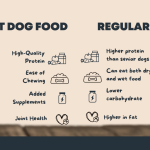
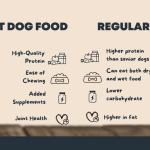
Puppy food is specially made to support rapid growth. It contains higher levels of protein, fat, and calories compared to adult dog food. This extra nutrition helps build strong muscles and energy reserves.
Adult dog food, on the other hand, has lower calorie content to maintain a healthy weight in fully grown dogs. It might lack certain nutrients that puppies need during their critical development stages. Feeding your puppy adult food too early could slow their growth or affect their immune system.
Nutritional Needs Of Puppies
Puppies need more than just protein and calories. They require specific vitamins and minerals like calcium and phosphorus to develop strong bones and teeth. DHA, a type of omega-3 fatty acid, supports brain and eye development.
Ignoring these needs can lead to health problems later on. I remember once feeding my puppy adult food too soon, and I noticed slower energy levels and less playfulness. Paying attention to these nutritional details ensures your puppy grows up strong and healthy.
When To Introduce Adult Dog Food
Most puppies can start transitioning to adult dog food between 9 and 12 months of age. However, this depends on your puppy’s breed and size. Large breeds often need puppy food longer to support their extended growth periods.
Switch gradually by mixing adult food with puppy food over several days to avoid digestive upset. Keep an eye on your puppy’s weight and energy. If you notice changes, consult your vet before continuing the transition.
Have you noticed any signs that your puppy might be ready for adult food? Observing their behavior and growth carefully helps you decide the perfect moment.
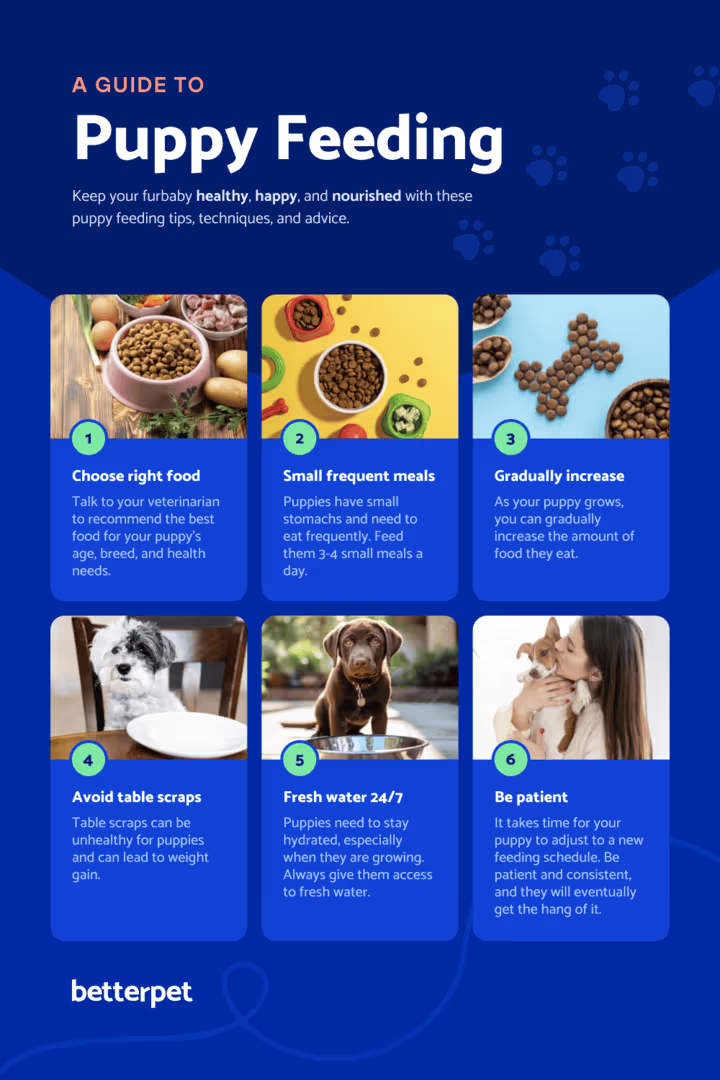
Credit: www.betterpet.com
Determining The Right Amount
Determining the right amount of adult dog food to feed a puppy can be tricky. Puppies have different nutritional needs than adult dogs. Feeding too much or too little can affect their growth and health. It is important to find the right balance to support their development and energy levels.
Factors Influencing Food Quantity
Several factors affect how much food a puppy needs. Breed size plays a big role. Large breed puppies need more calories for growth than small breeds. Activity level matters too. More active puppies burn more energy and need extra food. Age is crucial since puppies grow quickly and need more nutrients. Health conditions can also change feeding needs.
Using Weight And Age As Guidelines
Weight and age help estimate the right portion size. Puppies gain weight fast, so adjust food amounts often. Use a growth chart for your puppy’s breed to track progress. Younger puppies usually eat four meals daily, reducing to two as they mature. Weigh your puppy regularly to ensure steady growth. Feeding portions increase as the puppy grows and gains weight.
Reading Feeding Instructions On Packages
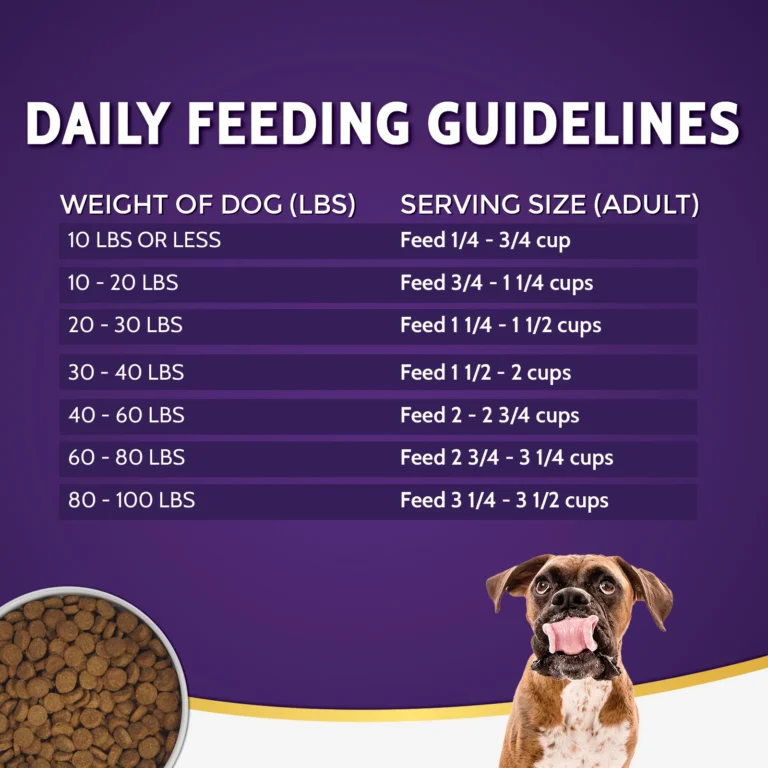
Food packages offer useful feeding guides. They show recommended amounts based on weight ranges. These guides are a good starting point but not exact rules. Adjust food quantity depending on your puppy’s appetite and energy. Monitor your puppy’s weight and body condition closely. Use the package instructions as a flexible tool to help feed properly.
Feeding Schedule Tips
Puppies need smaller, frequent meals to support their growth. Feed adult dog food in controlled portions to avoid overfeeding. Monitor your puppy’s weight and adjust amounts as they grow.
Feeding your puppy the right amount of adult dog food can be a balancing act. It’s crucial to establish a feeding schedule that suits your puppy’s growing needs. Let’s dive into some practical tips to ensure your puppy is getting the right nutrition at the right times.Frequency Of Meals For Puppies
Puppies have small stomachs but high energy needs, so they require frequent meals. A good rule of thumb is to feed your puppy three to four meals a day. This ensures they get the energy they need to play, grow, and thrive. As your puppy grows, you can gradually reduce the number of meals. By about six months, most puppies can transition to two meals a day. This transition helps them adjust to adult feeding schedules.Adjusting Portions As Puppy Grows
It’s important to adjust your puppy’s food portions as they grow. Begin with the feeding guidelines on the adult dog food packaging, but be ready to tweak based on your puppy’s needs. Monitor your puppy’s weight and energy levels. If they seem overly hungry or are gaining too much weight, adjust the portion sizes accordingly. Regular vet checkups can also help guide the portion adjustments. Your vet can provide personalized advice based on your puppy’s breed, size, and activity level. Remember, feeding isn’t just about the quantity. Pay attention to the quality of the food, ensuring it meets your puppy’s nutritional needs. Are you providing a balanced diet that supports their growth and energy? Keep tweaking until you find the perfect balance for your furry friend.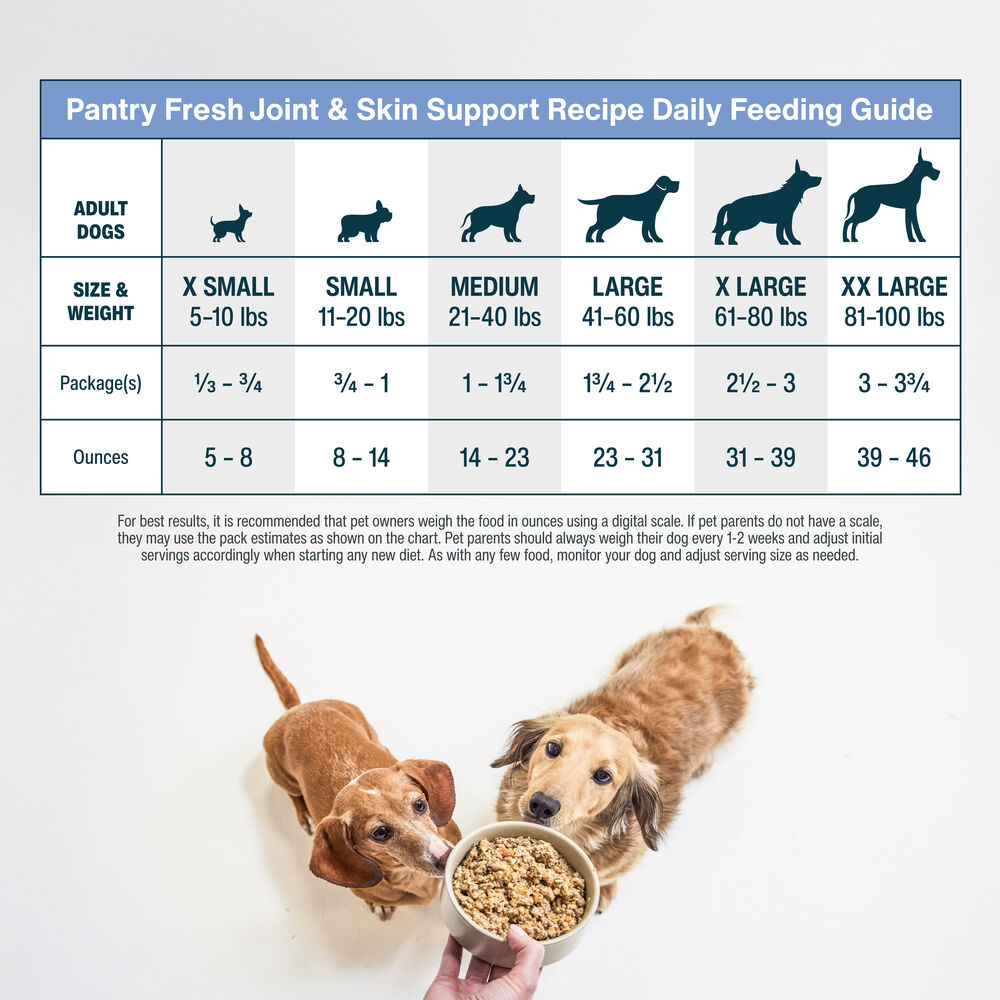
Credit: www.justfoodfordogs.com
Monitoring Puppy Health
Monitoring your puppy’s health is key to feeding the right amount of adult dog food. Puppies grow fast and need balanced nutrition for strong bones and muscles. Careful observation helps avoid feeding too much or too little. Healthy puppies show energy, shiny coats, and steady growth. Watch closely for any changes in behavior or appearance during feeding.
Signs Of Overfeeding And Underfeeding
Overfeeding can lead to weight gain and sluggishness. Your puppy may have a bloated belly or difficulty moving. Excess food can cause digestive problems like diarrhea or vomiting. Underfeeding makes puppies weak and less active. They might lose weight or have dull fur. Watch for constant hunger or whining, which can signal not enough food.
Tracking Weight And Growth Progress
Weigh your puppy regularly, at least once a week. Use a small scale or visit the vet for accurate measures. Write down the numbers to spot trends over time. Compare your puppy’s weight to breed growth charts. Healthy puppies gain weight steadily without sudden jumps. Growth progress shows if the food amount meets their needs.
When To Consult A Veterinarian
Visit the vet if your puppy shows unusual weight changes. Persistent vomiting, diarrhea, or lack of appetite need professional care. If your puppy is very weak or stops growing, seek advice quickly. The vet can adjust the diet and check for health problems. Early help ensures your puppy stays strong and happy.
Special Considerations
Feeding a puppy adult dog food requires more than just adjusting quantity. You must consider several factors that impact their growth and health. Ignoring these special considerations can lead to nutritional gaps or health issues down the road.
Breed-specific Feeding Needs
Different breeds grow at different rates and have unique dietary needs. Large breeds, like Great Danes, require controlled calcium and calorie intake to avoid rapid growth that harms their joints.
Smaller breeds, such as Chihuahuas, often need more calorie-dense food due to their high metabolism. Understanding your puppy’s breed helps you tailor feeding amounts and nutrient balance more effectively.
Puppies With Allergies Or Sensitivities
If your puppy shows signs of allergies—like itching or digestive upset—you may need to avoid certain ingredients in adult dog food. Common allergens include beef, dairy, and grains.
Choose hypoallergenic or limited-ingredient adult foods designed for sensitive pups. Always introduce new food slowly and watch for reactions to protect your puppy’s health.
Transitioning From Puppy To Adult Food
Switching to adult dog food isn’t just about age; it’s about your puppy’s development and activity level. Start the transition gradually over 7–10 days by mixing increasing amounts of adult food with puppy food.
Watch your puppy’s weight and energy during the switch. Adjust portions if they seem too hungry or gain weight too quickly—your goal is a smooth, healthy change.
Credit: www.thinkjinx.com
Frequently Asked Questions
How Much Adult Dog Food Can I Feed My Puppy Daily?
Feeding adult dog food to a puppy requires careful portion control. Typically, feed 50-75% of the adult recommended amount. Adjust based on your puppy’s weight, age, and activity. Consult your vet for the best feeding plan to ensure healthy growth and development.
Is Adult Dog Food Nutritious Enough For Puppies?
Adult dog food lacks essential nutrients puppies need. Puppies require higher protein, fat, and calorie content. Adult food may not support their rapid growth. Use puppy-formulated food for balanced nutrition or consult a vet before feeding adult dog food.
Can Feeding Adult Dog Food Harm My Puppy’s Health?
Feeding only adult dog food to puppies can cause deficiencies. Puppies need more nutrients for bone growth and energy. Insufficient nutrition may lead to poor development or health issues. Always choose puppy-specific food or mix with adult food under vet guidance.
When Can I Switch My Puppy To Adult Dog Food?
Most puppies switch to adult food around 12 months. Large breeds may need longer, up to 18 months. Transition gradually over 7-10 days to avoid digestive upset. Consult your vet to determine the optimal timing for your puppy’s breed and size.
Conclusion
Feeding a puppy adult dog food needs careful thought. Puppies require more nutrients to grow strong. Check the food label for feeding amounts. Adjust the portion based on your puppy’s weight and activity. Watch your puppy’s body and energy for signs.
Too much food can cause weight gain. Too little food can slow growth. Regular vet visits help track health and diet. Feeding right supports a happy, healthy puppy. Keep meals consistent and balanced every day. Simple steps make a big difference in puppy care.