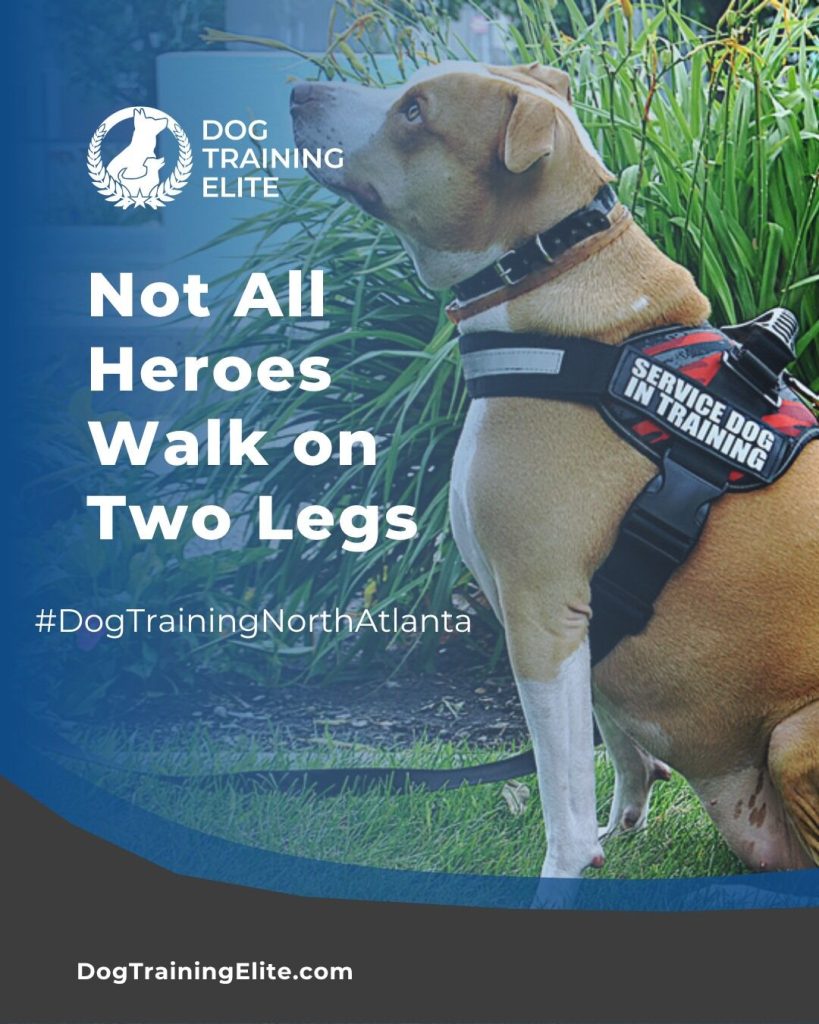

Are you struggling to find comfort during tough times? An emotional support dog could be the key to bringing calm and happiness into your life.
But where can you get a trained emotional support dog that truly meets your needs? You deserve a companion who understands you and helps ease your stress. Keep reading, and you’ll discover the best places to find a well-trained emotional support dog ready to support your emotional well-being.
Certified Training Organizations
Finding a trained emotional support dog (ESD) through certified training organizations ensures you receive professional guidance and a well-prepared companion. These organizations follow specific methods and standards to train dogs that can truly assist with emotional well-being. Understanding the differences between types of trainers, their certifications, and reputations can save you time and frustration.
Nonprofit Vs For-profit Trainers
Nonprofit trainers often focus on community service and may offer lower-cost training programs. Their primary goal is helping individuals who genuinely need emotional support dogs, sometimes providing financial aid or sliding scale fees.
For-profit trainers, on the other hand, operate as businesses aiming to deliver quality services but at a price. They might have more resources and advanced training facilities, which can benefit your dog’s development.
Ask yourself: Are you looking for affordability or extensive training options? Your choice depends on what fits your budget and expectations.
Accreditation And Certification
Always check if the training organization holds accreditation from recognized bodies like the International Association of Assistance Dog Partners (IAADP) or Assistance Dogs International (ADI). These certifications mean trainers follow strict ethical and training standards.
Certification ensures your emotional support dog has undergone appropriate training to behave well in public and support your needs. Without proper certification, you risk receiving a dog that may not meet legal or practical requirements.
Verify credentials carefully—sometimes websites display certifications that are not current or from unrecognized groups. This step protects you and your dog’s future.
Reputation And Reviews
Look beyond the organization’s marketing. Read reviews and testimonials from people who have gone through their training programs. Honest feedback can reveal strengths and weaknesses you might not find on official sites.
Contact past clients if possible and ask about their experience, success rate, and ongoing support. A reputable organization will be transparent and willing to connect you with references.
Remember, your emotional support dog is a long-term partner. Choosing a trainer with a strong reputation increases your chances of building a reliable and supportive bond.

Credit: servicedogcertificates.org
Licensed Emotional Support Animal Providers
Licensed emotional support animal providers play a vital role in helping individuals obtain trained emotional support dogs. These providers ensure that the animals meet specific needs and legal requirements. They offer professional guidance throughout the process, making it easier to find a suitable support dog.
Role Of Licensed Therapists
Licensed therapists evaluate a person’s mental health needs. They determine if an emotional support dog can help improve well-being. Therapists provide official documentation that supports the need for an ESA. Their expertise ensures that the animal serves a real therapeutic purpose.
Obtaining Esa Letters
ESA letters are official documents that verify the need for an emotional support animal. Licensed therapists issue these letters after a thorough evaluation. The letter explains how the ESA aids in managing mental health symptoms. This document is necessary for housing and travel accommodations.
Partnering With Trainers
Trainers specialize in preparing dogs for emotional support roles. They focus on obedience, calm behavior, and social skills. Partnering with a professional trainer ensures the dog meets ESA standards. Training helps the dog provide comfort and support effectively.
Specialized Esa Training Programs
Specialized ESA training programs help prepare dogs to provide emotional support effectively. These programs teach skills that calm and comfort their owners during stressful times. Finding a trained emotional support dog ensures reliable companionship and emotional relief.
Specialized ESA Training Programs offer tailored approaches for training emotional support animals. These programs focus on enhancing the bond between the owner and the dog. They aim to equip dogs with the skills needed to support their owner’s emotional well-being. Various options cater to different needs and preferences.In-person Training Options
In-person training provides hands-on guidance from experienced trainers. These programs often take place in local facilities or private settings. Trainers assess the dog’s temperament and design a suitable plan. The personal interaction helps reinforce learning and build trust. Owners can observe and learn from the trainer’s techniques.Online Training Courses
Online courses offer flexibility and convenience for busy schedules. They include video tutorials, webinars, and downloadable resources. Owners can learn at their own pace and revisit materials as needed. These courses often cover basic obedience and specialized support tasks. Some platforms provide access to experienced trainers for questions.Customizing Training Plans
Customizing a training plan ensures it meets specific needs. Trainers evaluate both the dog’s abilities and the owner’s requirements. Personalized plans focus on strengthening the dog’s supportive behaviors. They include targeted exercises and regular progress assessments. This approach helps maximize the dog’s effectiveness as an emotional support animal.
Credit: pawswithacause.org
Animal Shelters And Rescue Groups
Animal shelters and rescue groups are valuable places to find emotional support dogs. These organizations care for many animals, some already trained to assist people. They offer a chance to adopt a dog that can provide comfort and support.
Many shelters work with trainers or volunteers to prepare dogs for emotional support roles. These dogs often have calm temperaments and social skills. They learn how to behave in homes and public spaces.
Adopting a trained support dog from a shelter can be a rewarding choice. It gives a dog a new home and helps someone in need. Shelters also provide advice on caring for and training your new companion.
Adopting Trained Support Dogs
Some shelters have dogs already trained as emotional support animals. These dogs are ready to offer comfort and companionship. Adoption staff can guide you to dogs that match your needs.
Meeting the dog before adoption helps ensure a good fit. Staff can explain the dog’s behavior and training history. This helps you understand what to expect at home.
Training Support For Shelter Pets
Shelters often train dogs to improve their skills and social behavior. Training focuses on obedience, calmness, and responding to commands. Volunteers or professionals may lead these sessions.
Training helps dogs become better companions for people with emotional needs. Some programs specialize in preparing shelter dogs for support roles. This work increases the chances of successful adoption.
Benefits Of Adoption
- Saving a dog from homelessness
- Providing a loving home for a needy animal
- Often lower cost than buying a trained dog
- Access to shelter support and resources
- Helping reduce pet overpopulation
Adopting from shelters supports animal welfare. It gives emotional support dogs a second chance at a happy life.
Veterinary Behaviorists And Trainers
Veterinary behaviorists and trainers play a vital role in preparing emotional support dogs. These professionals combine medical knowledge with training skills to help animals meet specific emotional needs. Their expertise ensures dogs are well-behaved, safe, and effective in providing support.
Role Of Veterinary Experts
Veterinary behaviorists are doctors specialized in animal behavior and health. They diagnose behavior problems that may affect training. Their medical background helps in treating anxiety, fear, or aggression in dogs. This work creates a strong base for emotional support training.
Behavioral Assessments
Behavioral assessments measure a dog’s temperament and reactions. Experts observe how dogs respond to different situations. They identify traits like calmness, friendliness, and focus. These traits are important for emotional support dogs. Assessments guide trainers to create custom training plans.
Collaboration With Trainers
Veterinary behaviorists and trainers work closely together. They share insights about the dog’s health and behavior. Trainers use this knowledge to teach commands and social skills. This teamwork improves the dog’s ability to support emotional needs. It also helps solve any behavior issues during training.
Key Factors To Consider
Choosing a trained emotional support dog involves several important factors. Each factor affects your experience and the dog’s effectiveness in providing support. Careful consideration helps ensure you find the right fit for your needs.
Cost And Financing
Training an emotional support dog can be expensive. Prices vary based on the dog’s breed and training center. Some programs charge from a few hundred to several thousand dollars. Look for options that offer payment plans or financial aid. Budgeting ahead avoids unexpected costs and stress.
Training Duration And Methods
Training time depends on the dog’s age and background. It may last weeks or several months. Effective programs use positive reinforcement and reward-based techniques. These methods encourage good behavior gently and reliably. Check if the trainers customize sessions for your specific emotional needs.
Legal And Housing Rights
Emotional support dogs have specific legal protections under federal law. They allow access to housing without extra fees in many cases. Know your rights under the Fair Housing Act. Ensure the training provider issues proper documentation. This paperwork supports your legal claims in housing or travel situations.
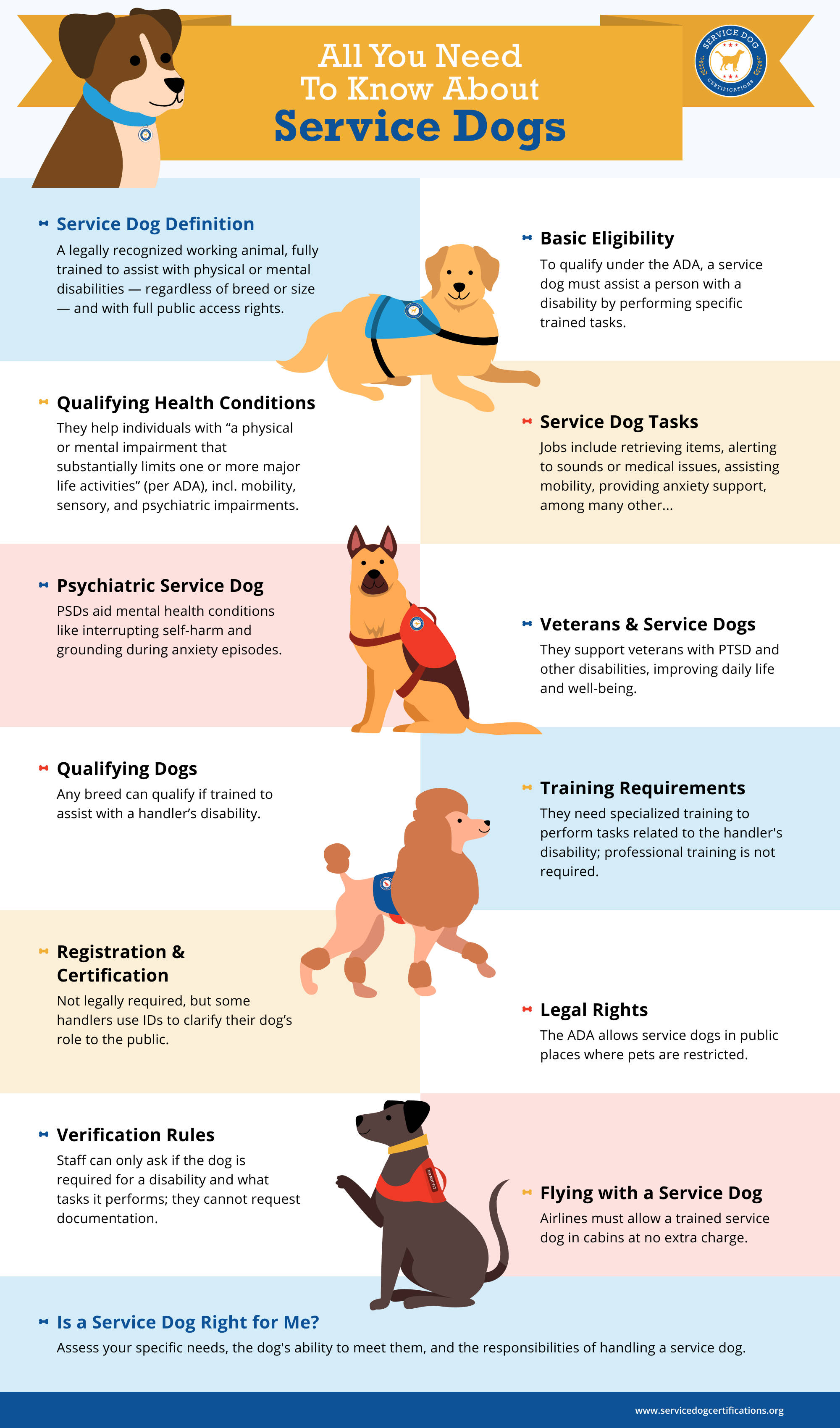
Credit: www.servicedogcertifications.org
Frequently Asked Questions
Where Can I Find Trained Emotional Support Dogs?
You can find trained emotional support dogs through certified training centers, professional trainers, or reputable organizations specializing in assistance animals. Always verify their credentials and training methods before committing.
How Do I Get An Emotional Support Dog Legally?
To get an emotional support dog legally, you need a valid ESA letter from a licensed mental health professional. This letter certifies your need for an emotional support animal.
What Qualifications Do Emotional Support Dogs Need?
Emotional support dogs must be well-behaved, calm, and able to provide comfort. Formal training helps them respond appropriately to their owner’s emotional needs.
Can I Train My Own Emotional Support Dog?
Yes, you can train your own emotional support dog with the right guidance. Focus on obedience, socialization, and emotional support skills for effective training.
Conclusion
Finding a trained emotional support dog takes time and research. Choose a trusted trainer or organization that understands your needs. Check their experience and reviews carefully. A well-trained dog can help improve your daily life and mental health. Patience and care make the process easier.
Remember, the right support dog brings comfort and companionship. Start your journey with clear goals and realistic expectations. Your emotional well-being matters most in this decision. Keep hope alive and take one step at a time.