
If you’re tired of cleaning up messes all over your home or yard, training your dog to poop in one place can be a game changer. Imagine having a specific spot where your furry friend always goes, making cleanup easier and your space cleaner.
It might seem tricky at first, but with the right steps, you can teach your dog this habit quickly and effectively. Keep reading, and you’ll discover simple, proven techniques that will save you time and frustration—and make life better for both you and your dog.
Choose The Right Spot
Choosing the right spot for your dog to poop is essential for effective training. This place should be easy for your dog to reach and feel comfortable using every time. Picking a consistent location helps your dog understand where to go. A safe and calm area encourages your dog to relax and do their business without stress. Let’s explore how to find that perfect spot.
Consider Accessibility
Pick a place your dog can easily access. It should be close to your home or where you take your dog for walks. Avoid spots with many obstacles or difficult paths. Accessibility helps your dog reach the spot quickly and often. This consistency supports good habits and faster training.
Pick A Consistent Location
Choose one spot and use it every time. Dogs learn by repetition. A consistent place helps your dog remember where to go. Avoid moving the spot around. This confuses your dog and slows training. Make it a routine to take your dog to the same area.
Ensure Safety And Comfort
Find a quiet and safe spot. Avoid busy roads or noisy areas. Your dog needs to feel calm and secure. Check for any harmful plants or sharp objects. A clean and comfortable place makes your dog more willing to use it. Safety and comfort improve your dog’s confidence during training.
:strip_icc()/scared-of-vet-174675383-resized-56a26ace3df78cf77275634e.jpg)
Credit: www.thesprucepets.com
Set A Routine
Training your dog to poop in one place needs a clear routine. Dogs thrive on consistency and predictability. A steady schedule helps your dog know when and where to go. This reduces accidents and makes training easier.
Setting a routine creates a habit. Your dog will start to expect bathroom breaks at certain times. This builds trust and confidence. The dog learns what you want without confusion.
Establish Regular Potty Times
Pick specific times each day for bathroom breaks. Most dogs need to go after waking, eating, and playing. Take your dog outside at these times. Stick to the same spots so your dog associates the place with pooping. Regular potty times train the dog’s body to follow a schedule.
Monitor Feeding Schedule
Feed your dog at the same times daily. A set feeding schedule controls digestion and bathroom timing. Avoid free feeding or random meal times. Eating at regular intervals helps predict when your dog will need to poop. This makes it easier to plan potty breaks.
Use Bathroom Cues
Choose a simple word or phrase for bathroom time. Say it each time you take your dog outside. The dog will link the cue to the action. Over time, your dog will go when you say the cue. This helps speed up training and keeps your dog focused.
Use Positive Reinforcement
Training a dog to poop in one place is easier with positive reinforcement. This approach helps dogs learn by rewarding good behavior. It builds trust and encourages your dog to repeat the right actions. Positive reinforcement creates a happy learning environment for your pet.
Reward Desired Behavior
Notice when your dog poops in the right spot. Immediately reward this behavior. Rewards can be treats, toys, or kind words. Quick rewards help your dog connect the action with the positive result. This makes your dog more likely to go in the correct place again.
Incorporate Treats And Praise
Use small, tasty treats to motivate your dog. Give a treat right after your dog poops in the chosen area. Along with treats, use cheerful praise like “Good job!” or “Well done!” This combination helps your dog feel happy and confident. Keep treats ready during training sessions.
Avoid Punishment
Never punish your dog for accidents. Punishment can cause fear and confusion. It may make your dog hide or avoid you. Focus on rewarding good behavior instead. Gentle guidance works better than scolding. Patience and kindness lead to better results.
Supervise And Guide
Keep a close eye on your dog during potty times to prevent accidents. Gently guide them to the chosen spot, praising them when they go there. Consistent supervision helps build good bathroom habits quickly.
Training your dog to poop in one spot requires patience. Supervision and guidance are crucial. These steps help create a routine and reinforce good habits. Follow these tips to make the process smooth.Watch For Signs
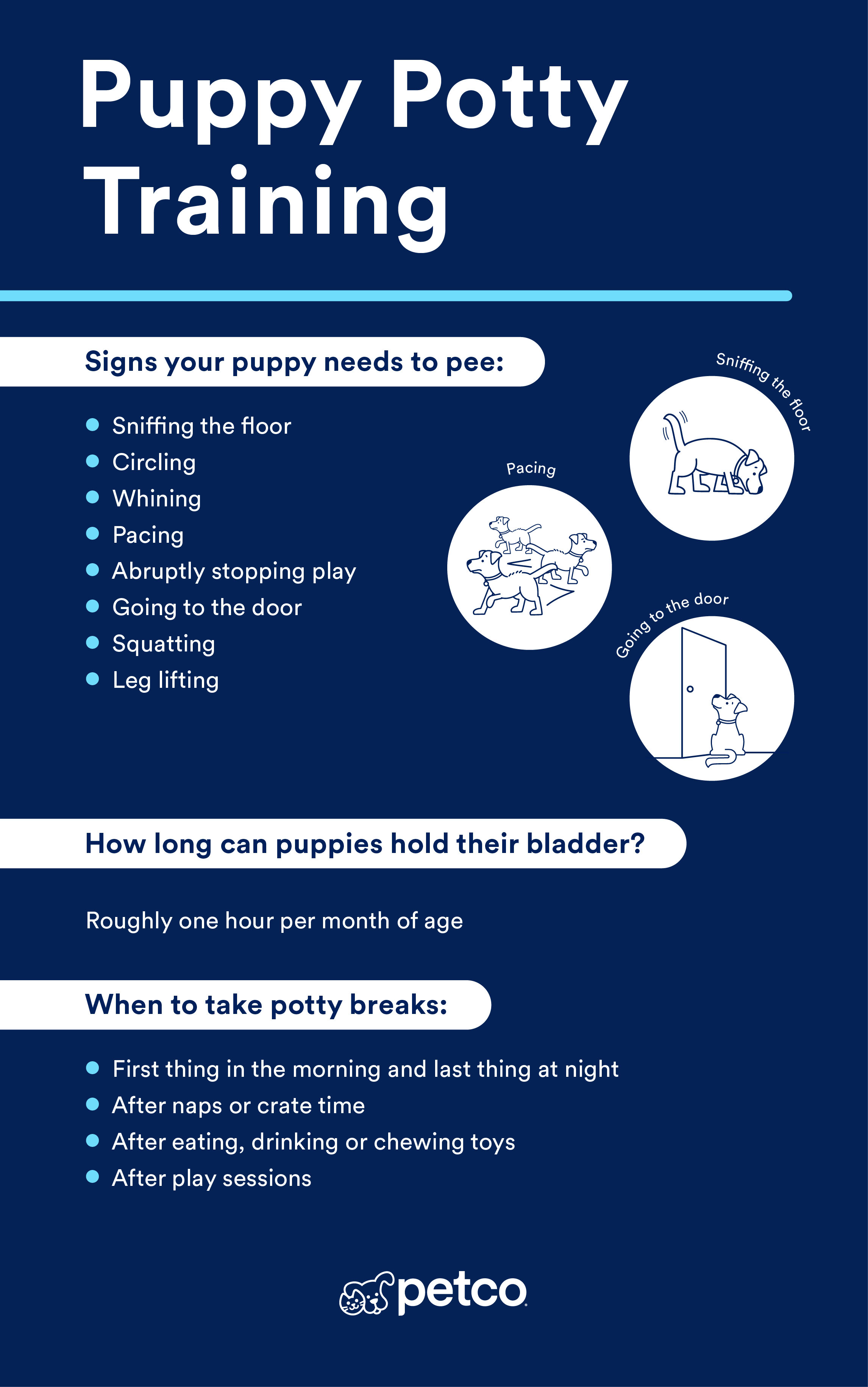
Keep a close eye on your dog’s behavior. Notice signs like sniffing or circling. These indicate your dog needs to go. Recognizing these signs is key to timely guidance.Lead To The Spot Promptly
Once you see the signs, take action quickly. Gently guide your dog to the designated spot. Use a leash if needed. Encourage your dog to relieve itself there. Praise your dog when it uses the spot.Limit Unsupervised Freedom
Restrict your dog’s unsupervised time in the house. This helps prevent accidents in unwanted areas. Use a crate or a specific room. Supervise until your dog reliably uses the spot. This limits mistakes and builds consistency.Maintain Cleanliness
Maintaining cleanliness is a key part of training your dog to poop in one place. A clean area encourages your dog to return and use the spot consistently. It also helps avoid unpleasant smells and keeps your home fresh.
Remove Waste Immediately
Pick up your dog’s waste right after they go. Leaving it there can confuse your dog and discourage them from using the spot again. Plus, it can attract pests or create odors that make the area unappealing.
Try using biodegradable bags to make cleanup easier and more eco-friendly. Have supplies ready nearby so you’re always prepared. How often do you check the spot to keep it clean?
Prevent Distractions
Distractions like loud noises, other pets, or busy foot traffic can stop your dog from focusing on the designated spot. Choose a quiet corner or shield the area with barriers if needed.
Keep the space calm when your dog is about to go. You might notice your dog hesitates if there’s too much activity around—what distractions can you remove today?
Keep The Area Inviting
Make the spot comfortable for your dog. Soft grass, a clean mat, or a familiar scent can encourage your dog to use it. Avoid harsh cleaning chemicals that might repel them.
Sometimes, adding a small toy or reward near the spot helps your dog feel positive about it. What simple change can you try to make the spot more welcoming right now?
Handle Setbacks Calmly
Training your dog to poop in one place can be frustrating when setbacks happen. It’s important to handle these moments calmly to keep your progress on track. Staying composed helps your dog feel secure and understand what you expect without adding stress to the situation.
Identify Causes
Look closely at what might be causing your dog to miss the spot. Changes in routine, health issues, or distractions outside can all play a role. Sometimes, your dog may feel anxious or confused, especially if the training area isn’t easily accessible or smells different.
Ask yourself: Has anything changed in your dog’s environment recently? Pinpointing the cause helps you avoid repeating mistakes and adjusts your approach effectively.
Stay Patient
Patience is key during setbacks. Remember, your dog isn’t trying to frustrate you; they are learning at their own pace. Taking a deep breath and keeping a calm tone can prevent negative associations with training.
Think about how your own learning feels when pressured. Would you perform better or worse? Treat your dog with the same understanding. Your calmness encourages your dog to try again without fear of punishment.
Adjust Training Techniques
If your dog struggles to stick to one spot, it might be time to tweak your methods. Try using stronger rewards, like their favorite treat or extra praise, to motivate them. Moving the training area slightly closer to where your dog usually prefers to go can also help.
Consider adding a consistent command or cue so your dog knows exactly what you want. What small change can you make today to improve your dog’s success? Experimenting with different approaches keeps training fresh and effective.
Use Training Aids
Training aids help guide your dog to poop in one spot. They create a clear place for your dog to go. These tools make the training faster and easier. Using aids can reduce accidents and confusion for your dog.
Introduce Potty Pads Or Boxes
Potty pads or boxes give a specific spot for your dog to relieve itself. Place them in a quiet area with low traffic. Show your dog where the pad or box is. Praise your dog when it uses the spot correctly. Clean the area often to keep it inviting.
Apply Scent Attractants
Scent attractants help your dog find the right place to poop. Spray or drop attractants on the potty pad or box. The smell encourages your dog to use that spot. Use the attractant every time you place a new pad. Replace the attractant if the smell fades.
Consider Crate Training
Crate training teaches your dog to hold its bathroom needs. Dogs avoid soiling their small, clean space. Use the crate for short periods at first. Take your dog immediately to the potty spot after leaving the crate. Crate training builds good bathroom habits quickly.
Credit: www.petco.com
Gradually Increase Freedom
Giving your dog more freedom after training them to poop in one place is a crucial stage. It helps your dog build confidence and understand that the designated spot is their go-to area, even when they’re exploring more spaces. Moving too fast can confuse your dog, so take small, careful steps to expand their access.
Expand Access To Other Areas
Start by opening the door to one new room for short periods. Let your dog explore while keeping an eye on their behavior. Gradually increase the time and number of rooms they can access as long as they continue using the designated potty spot.
Try to keep consistent signals and routines in every new area. This helps your dog connect the idea that the same rules apply no matter where they are.
Monitor Behavior Changes
Watch closely for any signs your dog might be confused or reverting to old habits. Are they sniffing around more or showing signs of stress? These can indicate they need more guidance before expanding freedom further.
Take notes on when and where accidents happen. This information can reveal patterns and help you adjust your training pace. Are accidents more common after playtime or naps?
Reinforce Good Habits
Always praise your dog immediately after they poop in the right place. Use treats, verbal praise, or petting—whatever motivates your dog most. This positive feedback strengthens the habit.
Consistency is key here. Even if your dog has been doing well, continue to reward good behavior to make it a lasting habit. You might find that your dog appreciates the extra attention as much as the treats.
Credit: konstruktor.info.pl
Frequently Asked Questions
How Long Does It Take To Train A Dog To Poop In One Place?
Training usually takes 2 to 4 weeks with consistency and patience. Regular schedules and positive reinforcement speed up learning.
What Is The Best Method To Train Dog To Poop Outside?
Use a consistent potty spot, take your dog there frequently, and reward them immediately after they go.
How Often Should I Take My Dog To Poop Training Spot?
Take your dog every 1-2 hours, especially after meals, naps, and playtime to build a routine.
Can Crate Training Help With Dog Potty Training?
Yes, crate training encourages dogs to hold their bladder and poop until taken outside.
Conclusion
Training your dog to poop in one place takes time and patience. Stay consistent with your routine and praise your dog often. Choose a quiet spot and bring your dog there regularly. Watch for signs when your dog needs to go.
Avoid punishment; gentle guidance works best. Soon, your dog will learn where to go. This makes cleanup easier and keeps your home clean. Keep calm and enjoy the training process. Your efforts will pay off with a happy, well-trained dog.