
Is your dog’s constant whining driving you crazy? You’re not alone.
Whining can be frustrating, but it’s also your dog’s way of asking for something. The good news is, you can teach your furry friend to stop whining and communicate in a calmer way. You’ll discover simple, effective steps to train your dog to be quiet when needed.
Keep reading, and soon you’ll enjoy a more peaceful home—and a happier pup.
Reasons Dogs Whine
Dogs use whining to express their feelings and needs. Understanding why your dog whines helps you respond properly. Whining can signal many things. It is important to know the reasons behind this behavior.
Common Causes
Dogs often whine to get attention from their owners. They may want to play or be petted. Sometimes whining means they want food or water. Puppies whine when they feel lonely or scared. Dogs also whine when they want to go outside. These are regular causes that can be easily fixed.
Emotional Triggers
Whining can show a dog’s emotions. Dogs may whine when they feel anxious or stressed. Separation anxiety is a common emotional cause. Dogs miss their owners and feel nervous alone. Fear also causes whining, like during loud noises. Excitement can make dogs whine too, such as before a walk. Understanding these feelings helps calm your dog.
Health Issues
Sometimes whining signals health problems. Dogs may whine if they feel pain or discomfort. Illness or injury can cause constant whining. Older dogs might whine due to arthritis. Digestive issues or infections also lead to whining. If whining is new or unusual, check with a vet. Health concerns must be ruled out to help your dog.
Recognizing Whining Patterns
Understanding when and why your dog whines is the first step toward effective training. Recognizing whining patterns helps you respond appropriately and prevent the behavior from becoming a habit. Pay close attention to the context and timing of your dog’s whining to identify what triggers it.
Situational Whining
Notice if your dog whines only during specific situations. This might include being left alone, encountering strangers, or when they want to play or go outside.
For example, my dog would whine every time I opened the door to leave the house. Realizing this was her way of expressing separation anxiety helped me work on gradual departures and arrivals.
Ask yourself: does the whining happen during a particular activity or event? Pinpointing the situation can guide you to the right training approach.
Time-based Patterns
Observe whether your dog whines at particular times of the day. Some dogs whine more in the morning, perhaps because they’re hungry or eager for attention.
Others might whine in the evening when they feel lonely or want to settle down.
Keeping a simple log of whining episodes and their times can reveal patterns you might otherwise miss. This clarity helps you anticipate needs and reduce whining by addressing them before your dog starts.
Basic Training Techniques
Training a dog to stop whining can seem challenging. But with basic techniques, it’s easier than you think. These methods help you understand and address the behavior. Let’s explore some effective approaches.
Positive Reinforcement
Reward your dog for calm behavior. Use treats or praise. Offer these rewards when the dog is quiet. This encourages silence over noise. Dogs learn quickly through positive experiences. Always keep treats handy for spontaneous quiet moments. This method builds trust and reduces anxiety.
Ignoring Attention-seeking Whines
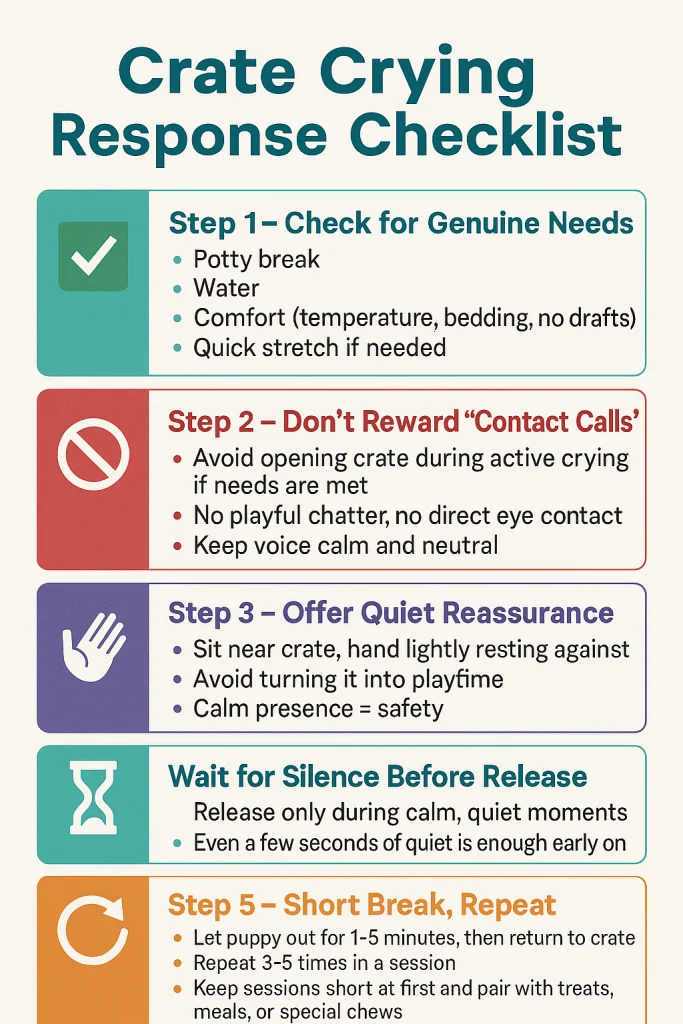
Dogs often whine for attention. Ignore these attempts. Don’t make eye contact or speak. Wait for the dog to calm down. Then, reward the quiet behavior. Consistent ignoring teaches the dog whining doesn’t work. It redirects their need for attention to positive actions.
Consistency Is Key
Consistency is crucial in training. Stick to the routine. Use the same commands and rewards. Inconsistency confuses the dog. It makes learning harder. Be patient and persistent. Over time, your dog will respond better. Consistent training builds a strong, understanding bond.

Credit: pethelpful.com
Using Commands To Control Whining
Using commands to control whining helps your dog understand what behavior you expect. Clear commands give your dog direction and reduce confusion. Training with commands builds trust and improves communication between you and your pet.
Commands also provide a simple way to stop whining immediately. Your dog learns to listen and respond to your voice. Consistency is key when using commands to change behavior.
Teaching Quiet Command
Start by waiting for your dog to stop whining. Use a calm voice to say “quiet.” Reward your dog with a treat or praise right away. Repeat this often so your dog links the command with stopping whining.
Practice in different settings to make the command strong. Avoid yelling, which can confuse or scare your dog. Keep training sessions short and positive.
Redirecting Behavior
Whining often comes from boredom or anxiety. Offer your dog a toy or a game to shift attention. Say a command like “play” or “go fetch” to guide your dog away from whining.
Use treats and praise when your dog chooses the new activity. This teaches your dog that good behavior gets rewards. Redirecting helps your dog focus on something fun and quiet.
Managing Anxiety And Stress
Whining in dogs often links to anxiety and stress. Managing these feelings helps reduce whining. Creating calm moments and safe places supports your dog’s emotional health. These steps build trust and comfort for your pet.
Calming Exercises
Calming exercises help your dog relax their mind and body. Simple activities ease tension and lower stress levels. Try gentle massages to soothe muscles and promote calmness. Slow, deep breathing exercises can also relax your dog.
- Practice slow petting strokes from head to tail.
- Use soft, calm voices during interaction.
- Engage in quiet play or gentle fetch indoors.
- Teach your dog to focus on you with simple commands.
Safe Spaces For Dogs
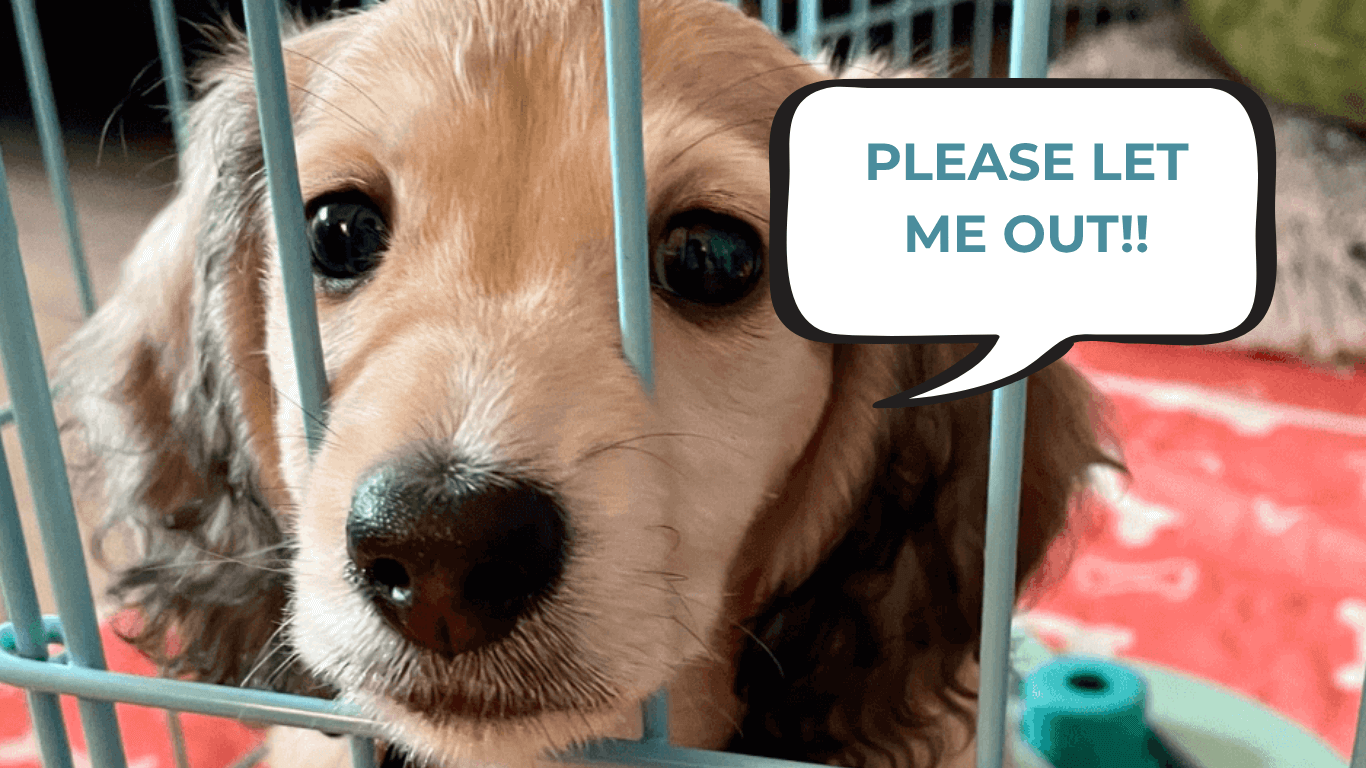
Safe spaces give dogs a refuge from stress. A quiet corner or a cozy crate works well. This space should feel secure and comfortable. Use soft bedding and familiar toys to encourage relaxation.
- Choose a low-traffic, quiet area for the safe space.
- Keep the space clean and free of distractions.
- Allow your dog to enter the space anytime they want.
- Never force your dog into the safe space.
Exercise And Mental Stimulation
Exercise and mental stimulation play a crucial role in reducing your dog’s whining. Dogs often whine out of boredom or excess energy, so providing them with enough physical and mental activities can calm their nerves and keep them focused. Have you noticed how your dog acts after a long walk or a play session? They usually seem more relaxed and less vocal.
Physical Activity Benefits
Regular physical activity helps release pent-up energy that might otherwise turn into whining. Activities like walking, running, or playing fetch not only tire your dog physically but also improve their overall mood.
I once had a neighbor whose dog whined constantly until she started daily jogs with him. The change was immediate—less noise and a much happier dog. Could your dog’s whining be a sign they need more exercise?
- Improves sleep quality
- Reduces anxiety and stress
- Strengthens the bond between you and your dog
Interactive Toys
Interactive toys challenge your dog’s brain, making whining less likely because their mind stays busy. Puzzle feeders and treat-dispensing toys are excellent choices that reward your dog for focus and problem-solving.
My dog used to whine whenever I left the room until I gave her a Kong filled with treats. She quickly learned to focus on the toy rather than seek attention through whining.
- Encourages independent play
- Provides mental challenges
- Can be customized to your dog’s skill level
What interactive toy could keep your dog’s mind engaged today? Trying something new might be just what your dog needs to stop whining for attention.
When To Seek Professional Help
Knowing when to seek professional help is crucial if your dog’s whining persists despite your efforts. Sometimes, whining signals deeper issues that need expert attention. Recognizing these moments can save you and your pet unnecessary frustration and stress.
Behavioral Specialists
If your dog’s whining seems linked to anxiety, fear, or other emotional problems, a behavioral specialist can offer targeted strategies. These experts observe your dog’s behavior and environment to uncover triggers you might miss.
Have you noticed your dog whining more during thunderstorms or when left alone? A specialist can help you create a plan to reduce this stress. Professional guidance often includes training adjustments and calming techniques tailored to your dog’s personality.
Veterinary Advice
Persistent whining might indicate pain or medical issues that only a vet can diagnose. If your dog suddenly starts whining more than usual, check for signs like limping, changes in appetite, or lethargy.
Veterinarians can rule out illnesses or injuries that could be causing discomfort. Early intervention often prevents problems from worsening and helps your dog recover faster.

Credit: canna-pet.com
Credit: www.dogsavvylosangeles.com
Frequently Asked Questions
How Long Does It Take To Train A Dog To Stop Whining?
Training duration varies by dog, but consistency is key. Most dogs show improvement within 2 to 4 weeks. Daily practice and patience speed up results. Avoid rewarding whining to reinforce quiet behavior effectively.
Why Does My Dog Whine Constantly?
Dogs whine to express needs like hunger, anxiety, or boredom. It can also signal discomfort or desire for attention. Identifying the cause helps address whining. Providing exercise, mental stimulation, and proper care reduces whining frequency.
Can Positive Reinforcement Stop Dog Whining?
Yes, positive reinforcement is effective. Reward calm, quiet behavior with treats or praise. Ignoring whining prevents reinforcing it. Consistent rewards for silence teach dogs that whining won’t get attention.
Should I Ignore My Dog’s Whining Completely?
Ignoring whining helps but be careful. Ensure the dog’s needs are met first. Ignoring only works if whining isn’t due to pain or urgent needs. Combine ignoring with training for best results.
Conclusion
Training your dog to stop whining takes time and patience. Stay calm and consistent with your approach. Reward quiet behavior to encourage good habits. Avoid giving attention when your dog whines. Use simple commands and gentle corrections. Remember, your dog learns best through kindness.
Keep practicing daily for steady progress. Soon, your dog will understand what you want. Enjoy a peaceful and happy home together.