
Are you wondering if a grain free diet is really better for your dog? You want the best for your furry friend, but with so many opinions out there, it’s hard to know what’s right.
Could cutting out grains improve your dog’s health, energy, or digestion? Or is it just another pet food trend? You’ll discover the facts behind grain free diets and what they mean for your dog’s well-being. Keep reading to make an informed choice that truly benefits your loyal companion.
Grain Free Diet Basics
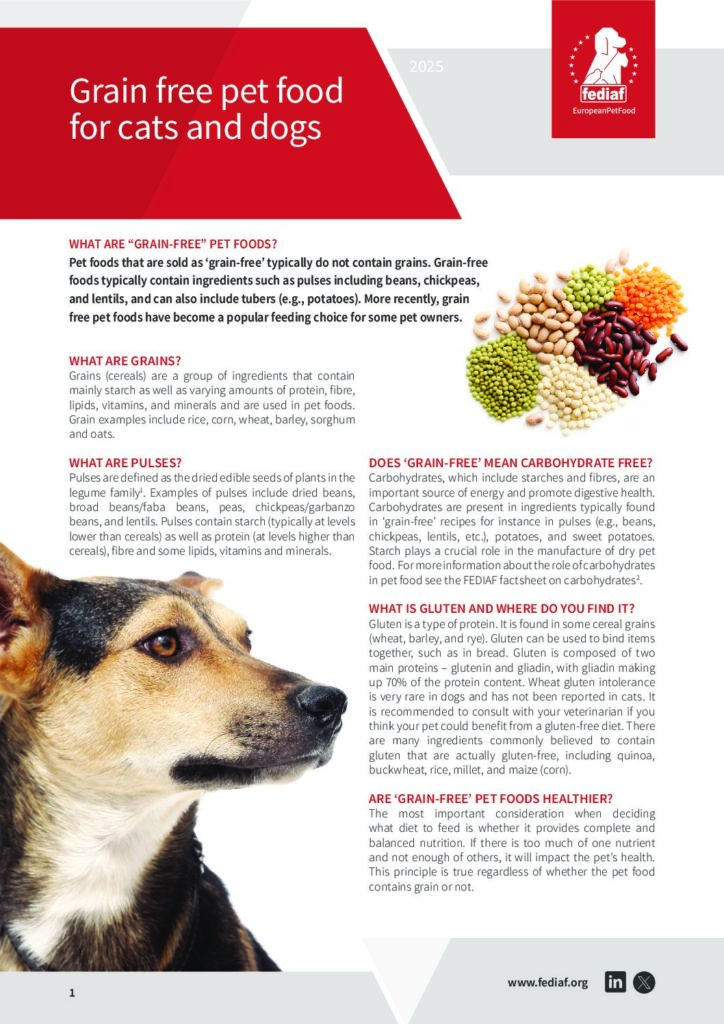
A grain free diet for dogs removes grains like wheat, corn, and rice. This diet focuses on other ingredients to provide energy and nutrients. Many pet owners choose grain free foods to avoid allergies or digestive problems in dogs. Understanding the basics helps decide if this diet suits your dog’s needs.
What Is Grain Free Dog Food
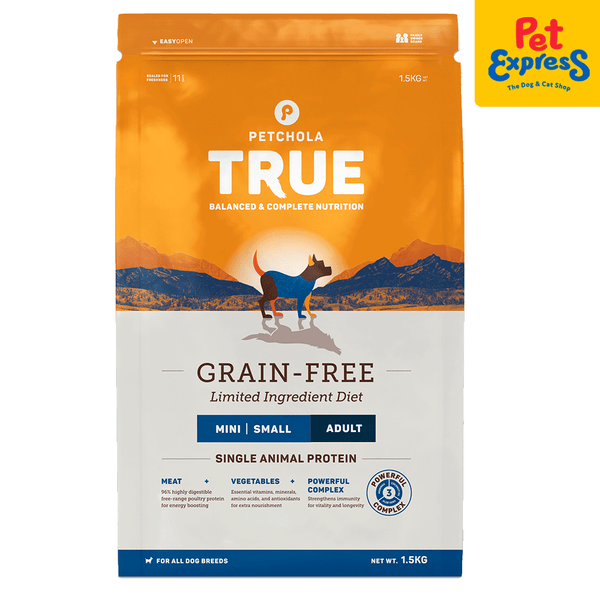
Grain free dog food contains no cereal grains such as wheat, barley, or oats. It uses alternative sources of carbohydrates and protein. This type of food aims to mimic a dog’s natural diet. It often contains more meat and vegetables instead of grains.
Some dogs benefit from grain free diets if they have grain allergies or sensitivities. It may also help with certain skin or stomach issues. Many brands label their products as grain free to meet this demand.
Common Ingredients In Grain Free Diets
Grain free dog foods usually include:
- Meat and meat meals (chicken, beef, fish)
- Pulses like peas, lentils, and chickpeas
- Vegetables such as sweet potatoes and carrots
- Fruits like apples and blueberries
- Alternative starches like potatoes and tapioca
These ingredients provide protein, fiber, and energy without grains. Grain free diets focus on whole food sources to support health and digestion.
Credit: europeanpetfood.org
Benefits Of Grain Free Diets
Grain free diets offer several benefits for dogs, especially those with specific health needs. These diets focus on eliminating grains like wheat, corn, and rice. This change can help improve overall well-being and comfort for many dogs.
Many pet owners choose grain free foods to support their dog’s health naturally. The positive effects can be seen in allergy relief and better digestion. Dogs often show more energy and vitality too.
Allergy And Sensitivity Relief
Grain free diets reduce exposure to common allergens found in grains. Many dogs suffer from allergies or sensitivities to wheat, corn, or soy. Removing these ingredients helps decrease itching, redness, and skin problems.
Dogs with food sensitivities often develop digestive issues. Grain free food can reduce stomach upset and diarrhea. This diet helps dogs feel more comfortable and less irritated.
Improved Digestion And Energy
Grain free foods often contain higher protein and healthy fats. These nutrients support strong muscles and steady energy levels. Dogs digest grain free meals more easily, reducing bloating and gas.
A healthy gut improves nutrient absorption. Better digestion leads to improved vitality and activity. Many dogs on grain free diets show increased playfulness and alertness.
Potential Risks And Concerns
Choosing the right diet for your dog is a crucial decision. While grain-free diets have gained popularity, they come with their own set of potential risks and concerns. It’s important to weigh these factors carefully to ensure your furry friend stays healthy and happy.
Nutritional Imbalances
Grain-free diets might miss essential nutrients your dog needs. Grains are a source of fiber, vitamins, and minerals. Without them, your dog might not get a balanced diet.
Consider whether the grain-free alternatives provide enough of these nutrients. Some commercial grain-free foods may compensate with other ingredients, but it’s not always guaranteed. Have you noticed any changes in your dog’s energy levels or coat condition?
Dilated Cardiomyopathy And Grain Free Diets
There’s growing concern about the link between grain-free diets and dilated cardiomyopathy (DCM). This heart condition has been reported in dogs on grain-free diets more frequently. The exact cause is still under research, but it’s a serious consideration.
Pet owners have raised alarms after noticing symptoms like lethargy and coughing. It’s crucial to monitor your dog’s health and consult your vet if you see any signs. Are the potential benefits of a grain-free diet worth the risk of heart issues?
Ultimately, it’s about finding the right balance for your dog’s individual needs. Regular vet check-ups and being informed about your dog’s diet can make all the difference. What steps will you take to ensure your dog’s diet is both safe and nutritious?
Credit: www.humboldt.ca
When To Choose Grain Free
Deciding whether to switch your dog to a grain free diet can feel overwhelming. Not every dog benefits from removing grains, but certain signs and situations clearly suggest it might help. Understanding when to choose grain free can improve your dog’s health and comfort significantly.
Signs Your Dog May Need Grain Free
Watch for persistent digestive issues like diarrhea, vomiting, or excessive gas. These symptoms can indicate a grain sensitivity or allergy that a grain free diet might ease.
Skin problems also offer clues. If your dog scratches constantly, has dry patches, or develops hot spots, grains in their food could be the culprit.
Notice changes in energy or coat quality. A dull coat or lethargy can sometimes improve when grains are removed from the diet.
Consulting Your Veterinarian
Before making any diet changes, talk to your vet. They can help identify if grain allergies or sensitivities are causing your dog’s issues.
Your vet might suggest allergy testing or recommend a trial period on a grain free diet to see if symptoms improve. This ensures your dog’s nutritional needs are met safely.
Don’t hesitate to ask questions and share your observations. Your vet’s guidance is key to making the best decision for your dog’s health.
Alternatives To Grain Free Diets
Choosing the right diet for your dog can be confusing. Grain free is not the only option. Many alternatives meet your dog’s needs while keeping them healthy and happy. These choices offer variety and balance without excluding important nutrients.
Limited Ingredient Diets
Limited ingredient diets use fewer components to reduce allergies and sensitivities. They focus on one protein source and a few carbohydrates. This simplicity helps identify food allergies easily.
These diets often include:
- Single meat protein like chicken or lamb
- Simple carbohydrate sources like sweet potatoes or peas
- Essential vitamins and minerals
Limited ingredient diets offer clear benefits for dogs with sensitive stomachs or skin issues. They avoid unnecessary fillers and additives that may cause reactions.
Balanced Grain Inclusive Options
Grains can be a healthy part of a dog’s diet. Whole grains provide fiber, vitamins, and energy. Balanced diets include grains like brown rice, oats, or barley in moderate amounts.
Grain inclusive foods are tested for nutrition and digestibility. They support digestion and provide steady energy release. These diets ensure your dog gets a complete range of nutrients.
Look for foods that:
- Use whole, natural grains
- Combine grains with quality proteins
- Include fruits and vegetables for extra nutrition
Grain inclusive options suit many dogs well and can be more affordable than grain free choices.
Credit: wefeedraw.com
Tips For Switching Diets Safely
Switching your dog to a grain-free diet requires care and attention. Sudden changes can upset their stomach or cause refusal to eat. A safe switch helps your dog adjust smoothly and stay healthy. Follow these tips to make the transition easier for your pet.
Gradual Transition Process
Start by mixing a small amount of the new food with the current diet. Increase the new food amount slowly over 7 to 10 days. This helps your dog’s digestive system get used to the new ingredients.
- Day 1-3: 25% new food, 75% old food
- Day 4-6: 50% new food, 50% old food
- Day 7-9: 75% new food, 25% old food
- Day 10: 100% new food
Watch your dog’s reaction at each stage. If they show signs of stomach upset, slow down the transition. Patience is key to a successful diet change.
Monitoring Your Dog’s Health
Check your dog’s behavior and digestion daily during the switch. Look for signs like vomiting, diarrhea, or loss of appetite. Note any changes in energy or mood as well.
Keep a journal to track their progress and symptoms. This record helps you and your vet make informed decisions. If problems persist beyond two weeks, consult your veterinarian.
Frequently Asked Questions
What Are The Benefits Of A Grain Free Diet For Dogs?
A grain free diet can reduce allergies and improve digestion in some dogs. It often contains more protein and fewer fillers, promoting better energy levels and healthier skin.
Are Grain Free Diets Safe For All Dog Breeds?
Grain free diets are generally safe but not necessary for all breeds. Dogs with allergies or sensitivities to grains benefit most. Always consult a vet before switching diets.
Can Grain Free Food Cause Health Issues In Dogs?
Some studies link grain free diets to heart problems in dogs. However, issues are rare and often related to specific ingredients. Vet guidance is essential when choosing dog food.
How Do I Know If My Dog Needs A Grain Free Diet?
Look for signs like itching, digestive upset, or low energy. A vet can diagnose allergies or sensitivities that may require a grain free diet.
Conclusion
Choosing the right diet for your dog is important. Grain free diets can help some dogs with allergies or sensitivities. Still, they are not always better for every dog. Dogs need a balanced diet with all essential nutrients. Talk to your vet before changing your dog’s food.
Watch how your dog reacts to new diets. Healthy dogs can do well on many types of food. The best diet suits your dog’s unique needs and health. Careful choices lead to happy, healthy pets.