
Are you wondering if it’s okay to feed your adult dog puppy food? You’re not alone.
Many dog owners ask this question because they want the best for their furry friend. But could giving your adult dog puppy food actually cause harm? Or might it even benefit them in some way? Keep reading to discover the surprising facts that could change how you feed your dog—and help you make the right choice for their health and happiness.
Credit: www.purina.com
Differences Between Puppy And Adult Dog Food
Understanding the differences between puppy and adult dog food helps you choose the right diet. Puppies need more energy and nutrients to grow strong and healthy. Adult dogs require balanced nutrition to maintain their health and energy levels. Feeding the correct food supports your dog’s life stage needs.
Nutritional Needs Of Puppies
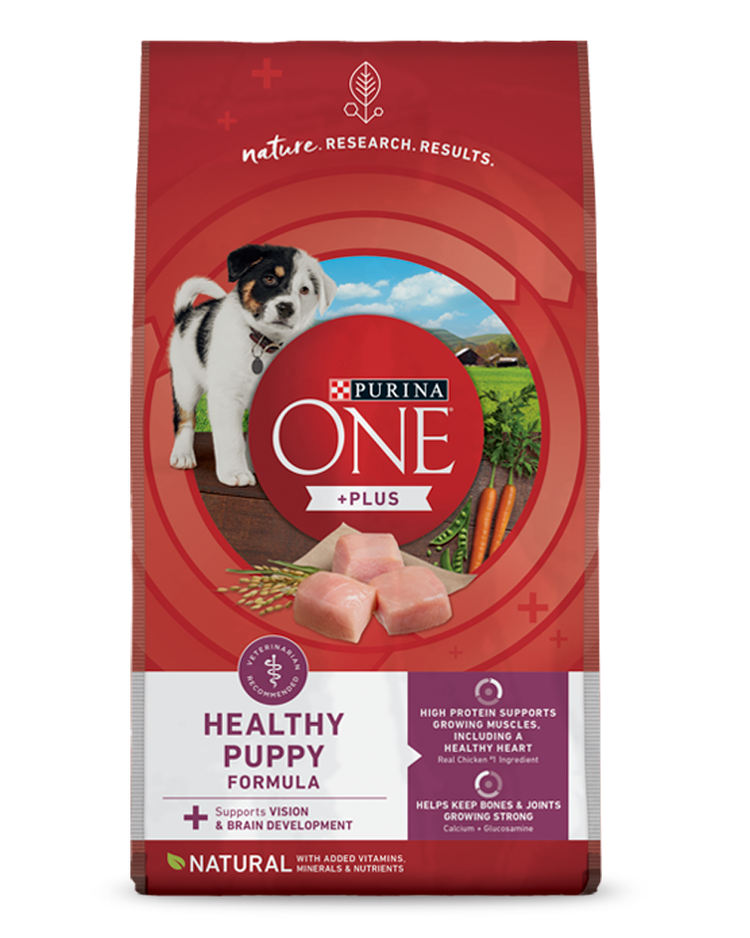
Puppies grow quickly and need extra calories. They require higher protein for muscle development. Calcium and phosphorus support strong bones and teeth. Puppies also benefit from DHA for brain and eye growth. Their food is rich in vitamins and minerals to boost immunity.
Nutritional Needs Of Adult Dogs
Adult dogs need fewer calories than puppies. Their food focuses on maintaining a healthy weight. Balanced protein supports muscle maintenance without overloading kidneys. Fiber helps with digestion and regular bowel movements. Antioxidants promote a strong immune system in adults.
Key Ingredients In Puppy Food
- High-quality protein sources like chicken or lamb
- Increased fat content for energy
- Essential fatty acids such as omega-3 and omega-6
- Vitamins A, C, and E for growth and immunity
- Calcium and phosphorus for bone development

Credit: www.petscare.com
Potential Effects Of Feeding Puppy Food To Adults
Feeding puppy food to an adult dog can cause several health issues. Puppy formulas are designed for growing dogs and contain more calories and nutrients. Adults may not need this extra nutrition, which can lead to problems over time.
Understanding the potential effects helps keep your dog healthy and comfortable. Below are key concerns linked to feeding puppy food to adult dogs.
Weight Gain And Obesity Risks
Puppy food has higher calories and fat to support growth. Adult dogs eating this rich food may gain weight quickly. Excess weight can cause joint pain, reduce energy, and increase disease risk. Obesity also shortens a dog’s life and lowers quality of life.
Digestive Issues And Discomfort
Adult dogs may have trouble digesting the richer ingredients in puppy food. This can cause upset stomach, diarrhea, or gas. Their digestive systems are not set up for the extra protein and fat. Digestive discomfort may lead to less appetite or reluctance to eat.
Long-term Health Consequences
Feeding puppy food long-term can strain organs like the kidneys and liver. Too many nutrients stress these organs and may cause damage. Imbalanced nutrition can lead to nutrient excess or deficiency, harming overall health. This may result in chronic illnesses or early aging in dogs.
When Puppy Food Might Be Suitable For Adults
Feeding your adult dog puppy food might seem unusual. Yet, there are situations where it’s beneficial. Puppy food is rich in calories and nutrients. This can support certain adult dogs with special needs. Knowing when to make this choice is crucial.
Pregnant Or Nursing Dogs
Pregnant and nursing dogs need extra nutrition. Puppy food offers higher protein and fat. This supports their increased energy demands. It ensures they stay healthy during this period. Puppy food can aid in milk production. This keeps both mother and puppies well-fed.
Senior Dogs With Special Needs
Some senior dogs benefit from puppy food. It provides essential nutrients for their condition. Puppy food can boost their calorie intake. This helps maintain their energy levels. Always consult with a vet before making changes. They will guide you based on your dog’s health.
Underweight Or Malnourished Adults
Underweight dogs require more calories. Puppy food can help them gain weight. Its nutrient-rich formula supports their growth. Gradually, they regain their ideal body condition. Monitor their progress closely. Adjust the diet as they improve. Always prioritize their health and well-being.

Credit: www.becopets.com
How To Transition Between Dog Foods Safely
Changing your adult dog’s food to puppy food requires care. Sudden switches can upset their stomach and cause digestive issues. A smooth transition keeps your dog comfortable and healthy. Follow these steps to change foods safely and gently.
Gradual Switching Techniques
Start by mixing a small amount of puppy food with your dog’s current food. Increase the puppy food portion slowly over 7 to 10 days. Watch for any signs of stomach upset like vomiting or diarrhea. A gradual switch helps your dog’s digestive system adjust without stress.
- Day 1-3: 25% puppy food, 75% current food
- Day 4-6: 50% puppy food, 50% current food
- Day 7-9: 75% puppy food, 25% current food
- Day 10: 100% puppy food
Monitoring Your Dog’s Reaction
Watch your dog’s behavior and stool quality closely during the change. Healthy stools are firm and brown. Soft stools, diarrhea, or vomiting signal a problem. Your dog’s appetite and energy levels also show how well they adapt. Stop switching and consult a vet if you see these symptoms.
Consulting A Veterinarian
Talk to your veterinarian before changing your dog’s food. They can advise if puppy food suits your dog’s health needs. Your vet helps identify the best diet plan. Visit the vet promptly if your dog shows any digestive issues during transition.
Alternatives To Puppy Food For Adult Dogs
If you’re wondering about alternatives to feeding your adult dog puppy food, you’re not alone. Many pet owners ask whether there are better options tailored specifically for adult dogs’ nutritional needs. Choosing the right food helps maintain your dog’s health without unnecessary calories or imbalanced nutrients.
High-quality Adult Dog Foods
Adult dog foods are formulated to meet the energy levels and nutrient requirements of grown dogs. Look for brands that list real meat as the first ingredient and avoid artificial fillers. You might find options with added glucosamine for joint health or omega fatty acids for a shiny coat.
Have you checked the ingredient list on your dog’s current food lately? Sometimes switching to a premium adult formula can make a noticeable difference in your dog’s energy and digestion.
Homemade Balanced Diets
Preparing homemade meals can give you control over what your dog eats. You can include lean proteins, vegetables, and grains, but it’s crucial to balance vitamins and minerals properly. Consulting with a vet or pet nutritionist ensures your dog gets everything needed without risks.
Remember, simply feeding table scraps won’t cut it. Your dog’s diet needs to be thoughtfully planned to avoid deficiencies or excesses.
Supplements And Additives
If you’re concerned about nutrient gaps, supplements can help fill them in. Adding fish oil can improve skin and coat health, while probiotics support digestion. Be careful not to overdose—too many supplements can cause harm instead of good.
Ask yourself: Is your dog’s current diet missing something essential? Sometimes, a small addition makes a big impact on overall health.
Frequently Asked Questions
Will Feeding Puppy Food Harm My Adult Dog?
Feeding puppy food to an adult dog occasionally is generally safe. However, puppy food has more calories and nutrients. Long-term use may cause weight gain and digestive issues. It’s best to feed age-appropriate food to meet your dog’s specific needs.
Can Adult Dogs Digest Puppy Food Properly?
Adult dogs can digest puppy food, but it’s richer in protein and fat. This may cause stomach upset or diarrhea if fed regularly. Adult dog formulas are balanced for their metabolism and health requirements, ensuring optimal digestion and nutrient absorption.
Is Puppy Food Better Than Adult Dog Food?
Puppy food is formulated for growth and development, so it contains more calories and nutrients. Adult dog food supports maintenance and energy needs. Feeding puppy food to adults long-term isn’t ideal and can lead to obesity or nutrient imbalance.
How Long Can I Feed Puppy Food To My Adult Dog?
Short-term feeding of puppy food to adults, like a few days, is usually fine. Extended feeding may cause weight gain or digestive problems. Always transition back to adult dog food for balanced nutrition and health maintenance.
Conclusion
Feeding adult dogs puppy food can cause health problems. Puppy food has more calories and nutrients than adults need. This may lead to weight gain or upset stomach. Always choose food made for your dog’s age. Consult your vet for the best diet advice.
Keeping your dog healthy starts with the right food. Small changes make a big difference in their life. Give your dog what they truly need. Healthy meals mean a happy, active dog every day.