

Training your Ridgeback dog can feel like a big challenge, but it doesn’t have to be. If you want a well-behaved, happy companion, knowing the right steps is key.
You might wonder how to handle their strong-willed nature or how to keep their energy in check. This guide will give you simple, clear tips that work, so you can build a strong bond with your Ridgeback. Keep reading, and you’ll discover easy ways to train your dog that make every day more enjoyable for both of you.
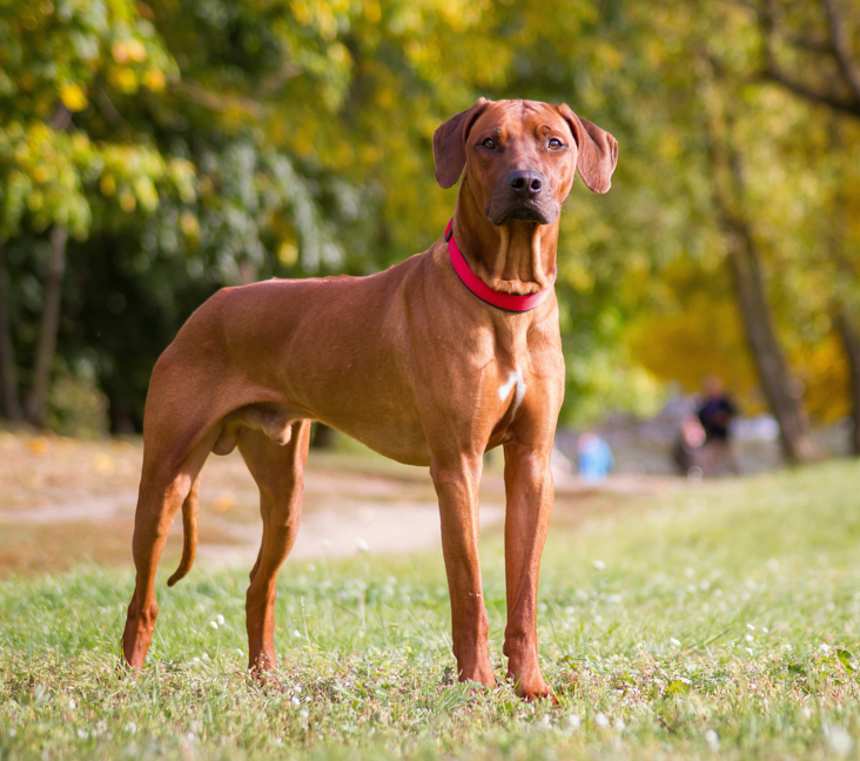
Credit: www.adoptapet.com
Ridgeback Traits
The Rhodesian Ridgeback is a unique dog breed known for its distinct ridge of hair along its back. These dogs are strong, loyal, and intelligent. Understanding their traits helps in training them effectively. Ridgebacks have specific characteristics that shape their behavior and needs.
Temperament And Behavior
Ridgebacks are calm but alert. They are loyal to family members. These dogs can be independent and sometimes stubborn. They may be reserved with strangers. Ridgebacks have a strong prey drive. Early socialization is important to guide their behavior. They respond best to firm but gentle training. Consistency builds trust and respect.
Energy Levels
These dogs have moderate to high energy. They enjoy daily exercise like running and playing. Without enough activity, they can become bored and restless. Mental stimulation is as important as physical. Puzzle toys and training sessions help keep them engaged. Ridgebacks thrive with regular, structured exercise routines.
Common Challenges
- Stubbornness can make training slow at times.
- Strong prey drive may lead to chasing small animals.
- Socialization is needed to prevent shyness or aggression.
- They may test boundaries without clear rules.
- Separation anxiety can occur if left alone too long.
Patience and consistency are key to managing these challenges. Positive reinforcement works best for Ridgebacks.
Essential Training Tools
Training your Ridgeback requires the right tools to make the process smooth and effective. These essential items not only help you guide your dog’s behavior but also build trust between you and your pet. Having the correct gear can make training sessions more productive and enjoyable for both of you.
Leashes And Collars
Choosing the right leash and collar is crucial for controlling your Ridgeback without causing discomfort. A sturdy, comfortable collar with adjustable settings fits your dog well and prevents slipping.
Opt for a leash that offers both strength and flexibility. A 6-foot leash gives you enough control while allowing your Ridgeback some freedom to explore.
Have you noticed how a lightweight leash changes your dog’s willingness to walk calmly? It’s worth trying different types until you find the best fit for your dog’s temperament.
Treats And Rewards
High-value treats motivate your Ridgeback to learn new commands quickly. Use small, soft snacks that your dog can eat fast during training sessions to keep focus sharp.
Rewards don’t always have to be food. Praise, petting, or playtime can reinforce good behavior just as effectively. What kind of rewards does your Ridgeback respond to best?
Keeping a variety of treats handy can help you switch things up and maintain your dog’s interest throughout training.
Training Equipment
Besides basic leashes and treats, some additional tools can speed up your Ridgeback’s learning. Clickers are excellent for marking correct behavior instantly, making commands clearer.
Target sticks can help teach your dog to focus and follow specific cues, especially useful with a Ridgeback’s strong prey drive. Have you tried using a target stick to direct your dog’s attention?
Consider a training mat or designated spot to help your dog understand boundaries and where to settle during training sessions.
Basic Commands
Basic commands like sit, stay, and come form the foundation of Ridgeback training. Consistent practice helps your dog understand and follow your instructions easily. Clear and simple commands build good behavior and trust.
Training a Ridgeback dog requires patience and consistency. These intelligent dogs respond well to basic commands when taught correctly. Building a strong foundation with basic commands makes advanced training easier. Let’s explore essential commands to teach your Ridgeback.Sit And Stay
Start with the “sit” command. Hold a treat near their nose. Move it upward slowly. Their bottom should naturally lower. As they sit, say “sit.” Reward them with the treat. Practice this command several times daily. To teach “stay,” have them sit first. Open your palm toward them and say “stay.” Take a step back. If they stay, reward them. Gradually increase the distance. This command teaches them patience and control.Recall
Recall is vital for safety. Begin indoors with a short distance. Call their name followed by “come.” Use a happy tone. Reward them when they reach you. Gradually increase the distance. Move training outdoors when consistent indoors. This ensures they respond in different settings.Heel And Walk
Teaching “heel” ensures they walk calmly by your side. Start walking with them on a leash. Keep treats handy. Say “heel” and reward them when they walk beside you. Practice this in short sessions. This command helps during walks and reduces pulling.Socialization Tips
Socialization is vital for a Ridgeback’s growth and happiness. It shapes their behavior and helps prevent fear or aggression. Start socializing your dog early for best results. Use positive experiences to build confidence and trust. Keep sessions short and fun to hold their attention. Consistency helps Ridgebacks adapt well to new situations.
Introducing To Other Dogs
Introduce your Ridgeback to calm, friendly dogs first. Choose a quiet, neutral place to avoid guarding behavior. Watch body language closely for signs of stress or aggression. Let dogs sniff and greet naturally without forcing interaction. Praise your Ridgeback for calm behavior during introductions. Gradually increase the time spent with other dogs.
Meeting New People
Expose your Ridgeback to many types of people early on. Include men, women, children, and people wearing hats or glasses. Allow your dog to approach at their own pace. Offer treats to create positive links with strangers. Avoid overwhelming your Ridgeback with large groups initially. Consistent, gentle exposure helps your dog feel safe around new people.
Exposure To Different Environments
Take your Ridgeback to various places like parks, streets, and pet stores. Let them explore different sounds, smells, and sights calmly. Use treats and praise to reward relaxed behavior. Avoid crowded or noisy places that could scare your dog. Regular exposure helps Ridgebacks become adaptable and well-rounded pets.
Handling Behavioral Issues
Handling behavioral issues in a Ridgeback requires patience and consistency. These dogs are intelligent but can be independent, so understanding their mindset helps you guide them effectively. Tackling these challenges head-on improves your bond and makes training more rewarding.
Dealing With Stubbornness
Ridgebacks are known for their strong will. Instead of forcing obedience, use positive reinforcement like treats and praise to motivate your dog. Try breaking commands into smaller steps and reward progress frequently.
Switch up your training routine if your Ridgeback seems bored or resistant. Changing locations or adding new activities can spark their interest. Have you noticed that your dog reacts better when training feels like play?
Reducing Excessive Barking
Excessive barking often signals boredom, anxiety, or a need for attention. Identify the cause by observing when and why your Ridgeback barks. This insight lets you address the root problem, not just the symptom.
Teach the “quiet” command by rewarding silence after a bark. Consistent practice helps your dog understand the behavior you want. Also, increase physical and mental exercise to reduce excess energy that fuels barking.
Managing Separation Anxiety
Separation anxiety can be tough for Ridgebacks who form strong attachments. Start by leaving your dog alone for short periods and gradually increase the time. This builds confidence and reduces stress.
Provide toys or puzzles to keep your dog busy when you’re away. Avoid making a big deal out of departures and arrivals to prevent heightening anxiety. Have you tried a calming routine before you leave? It can make a big difference.

Credit: www.youtube.com
Exercise And Mental Stimulation
Keeping your Ridgeback active and mentally sharp is key to a happy, well-behaved dog. Exercise and mental stimulation go hand in hand to prevent boredom and unwanted behaviors. Let’s look at how you can balance both to meet your Ridgeback’s needs.
Daily Physical Activity
Ridgebacks are energetic dogs that need plenty of movement every day. Aim for at least an hour of exercise, which can include brisk walks, jogging, or running in a safe, enclosed area.
Mix up the activities to keep your dog interested. Have you noticed how your Ridgeback reacts to different types of exercise? Some prefer chasing a ball, while others enjoy exploring new trails.
Interactive Games
Games that challenge your Ridgeback’s mind are just as important as physical workouts. Try hide-and-seek with treats or toys, which encourages your dog to use its nose and brain together.
Another great option is puzzle feeders that require your dog to solve a challenge before getting a reward. These games build problem-solving skills and keep your Ridgeback engaged during downtime.
Training Challenges
Regular training sessions provide excellent mental stimulation. Teach your Ridgeback new commands or tricks to keep their mind busy and improve obedience.
You can even create obstacle courses or agility drills at home. How does your Ridgeback respond when you add a new challenge? Watching them figure out a tricky task can be incredibly rewarding for both of you.
Consistency And Patience
Training a Ridgeback demands both consistency and patience. These two qualities build trust between you and your dog, making learning smoother and more enjoyable. Without them, progress can stall, and frustration may grow on both sides.
Setting A Routine
Your Ridgeback thrives on predictability. Establish a daily training schedule with short, frequent sessions rather than long, sporadic ones. This keeps your dog engaged without becoming overwhelmed or bored.
Try training at the same times each day, such as after a walk or before meals. This helps your dog anticipate learning moments and mentally prepares them. Have you noticed how dogs respond better when they know what to expect?
Positive Reinforcement
Reward your Ridgeback immediately when they follow a command. Use treats, praise, or play—whatever motivates your dog the most. This makes training feel like a fun game rather than a chore.
Remember, harsh corrections can damage your bond and slow progress. Instead, highlight the good behavior you want to see more often. Your calm encouragement teaches your dog to trust you and stay eager to learn.
Avoiding Common Mistakes
One common mistake is expecting too much too soon. Ridgebacks are intelligent but independent, so pushing them aggressively can backfire. Give your dog time to understand new commands fully before moving on.
Another error is inconsistent commands or signals. Use the same words and gestures every time to avoid confusion. Are you sure you’re not accidentally mixing cues that leave your dog puzzled?
Lastly, don’t forget to keep training sessions enjoyable and stress-free. A frustrated trainer often leads to a stressed dog, which slows down progress and damages your relationship.

Credit: zoeta-dogsoul.com
Frequently Asked Questions
How Long Does It Take To Train A Ridgeback Dog?
Training a Ridgeback typically takes 3 to 6 months with consistent effort. Early socialization and obedience training are crucial. Regular, short sessions help maintain focus. Patience and positive reinforcement speed up learning and build a strong bond with your dog.
What Is The Best Age To Start Training Ridgebacks?
Start training Ridgebacks between 8 to 12 weeks old. Early training helps shape good behavior and social skills. Puppies are more adaptable and eager to learn at this age. Begin with basic commands and gradually introduce advanced obedience.
How Do I Socialize My Ridgeback Puppy Effectively?
Expose your Ridgeback puppy to various people, animals, and environments early. Use positive experiences to build confidence and reduce fear. Socialization helps prevent aggression and anxiety. Regular, controlled interactions improve your dog’s behavior and adaptability.
Are Ridgebacks Easy To Train For Beginners?
Ridgebacks can be challenging for beginners due to their independent nature. Consistency, patience, and positive reinforcement are essential. Beginners should focus on basic obedience and socialization. Professional training classes can provide valuable support and guidance.
Conclusion
Training a Ridgeback takes time and patience. Consistency helps your dog learn better. Use clear commands and reward good behavior. Keep training sessions short and fun. Socialize your Ridgeback with other dogs early. Stay calm and confident during training. This breed is smart and eager to please.
A well-trained Ridgeback makes a happy pet. Enjoy the bond you build together. Training is a journey, not a race. Keep practicing, and success will come.