
Are you wondering when to switch your puppy to adult dog food? It’s a question every dog owner faces, and getting it right can make a big difference in your furry friend’s health.
Feed them too early, and they might miss out on key nutrients. Wait too long, and you could be overfeeding or causing digestive issues. You’ll discover the signs to watch for, the best timing to make the change, and tips to help your dog adjust smoothly.
Keep reading to give your pup the nutrition they need at every stage of life.
Puppy Vs Adult Dog Food
Puppy food and adult dog food are designed for different life stages. Puppies need more energy to grow strong and healthy. Adult dogs require balanced nutrition to maintain their health. Feeding the right food at the right time supports your dog’s overall well-being and development.
Nutritional Differences
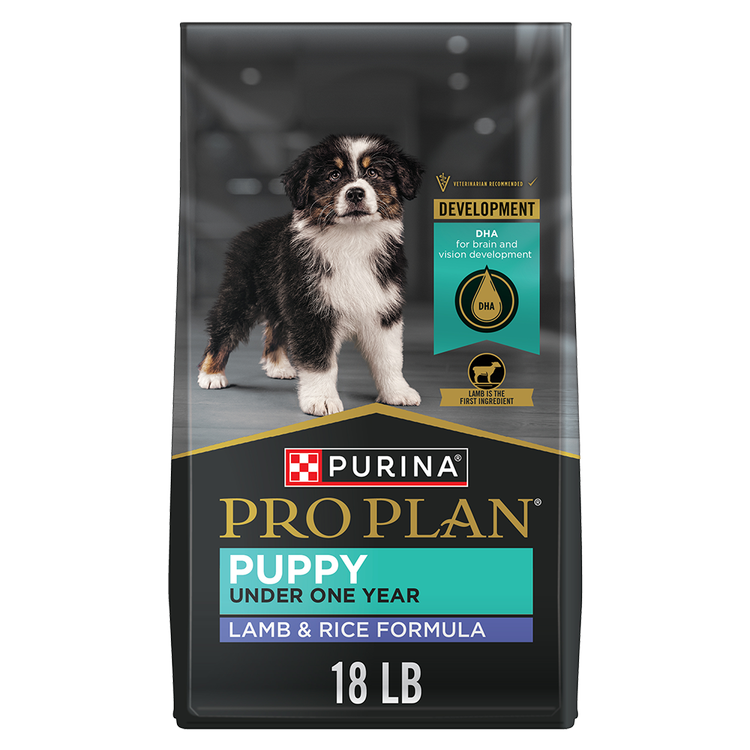
Puppy food contains more calories and protein than adult food. These nutrients help build muscles and support brain development. Puppy food also has extra vitamins and minerals for bone growth. Adult dog food focuses on maintaining weight and preventing health issues. It usually has fewer calories and less fat to avoid obesity. The size of the kibble may differ too, making it easier for puppies to chew.
Why Age Matters
Age determines the type of food your dog needs. Puppies grow rapidly and need more nutrients to fuel their bodies. Feeding adult food too early may slow down growth or cause nutrient gaps. Switching to adult food too late can lead to weight gain and digestive problems. Watch your puppy’s size and behavior to choose the right moment to switch. Most dogs transition between 9 to 12 months old, but breed size can affect timing.
Credit: www.purina.com
Signs Your Puppy Is Ready
Knowing when to switch your puppy to adult dog food is crucial for their health and well-being. The transition should happen not just based on age but on clear signs your puppy shows. Paying close attention to these signals helps you provide the right nutrition at the right time.
Physical Growth Indicators
Your puppy’s size and weight gain give strong clues about readiness. Puppies often reach about 80% of their adult size before needing adult food. If your puppy’s growth rate slows down and their body shape starts to look more mature, it’s time to think about switching.
Check their teeth too. When puppies have most of their adult teeth, typically around six months, their digestion improves, making adult food easier to handle. Watch for a sturdy frame rather than a chubby puppy shape—it’s a sign their development is nearing completion.
Behavioral Changes
Behavior shifts can signal that your puppy’s metabolism is changing. If your puppy seems less hyperactive and more focused during play, they might need a diet that supports adult energy levels. You might notice changes in appetite or how quickly they finish their meals, too.
Have you seen your puppy’s bathroom habits stabilize? More regular bowel movements often coincide with digestive maturity. These behavioral signs tell you that your puppy’s body is adapting, and adult food could be a better fit.
Breed Size Considerations
Breed size affects when to switch foods. Small breeds often mature faster and may be ready for adult food by 9 months. Larger breeds can take up to 12-18 months to fully grow, needing puppy food longer to support joint and bone development.
Think about your puppy’s expected adult size and energy needs. Giant breeds like Great Danes or Mastiffs require special attention to avoid switching too soon. Asking your vet about your specific breed’s timeline can prevent nutritional gaps or overfeeding.
Timing The Transition
Transitioning a puppy to adult dog food is a significant step. It ensures they receive proper nutrition for their changing bodies. Timing is crucial for a smooth transition. Knowing when to start is essential for your puppy’s health.
General Age Guidelines
Most puppies start transitioning around 12 months old. Smaller breeds may transition earlier, around 9 months. Larger breeds might need puppy food until 18 months. It’s important to consult a vet for specific guidance.
Gradual Switching Process
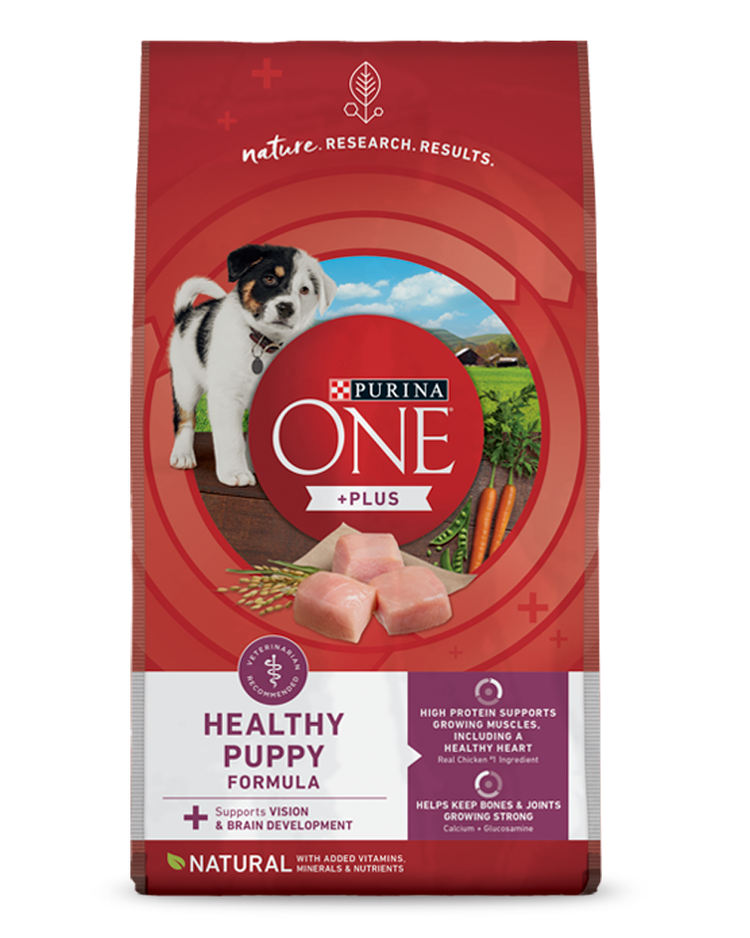
Switching food should be a gradual process. Start by mixing a small amount of adult food with their puppy food. Gradually increase the adult food over a week.
- Day 1-2: 75% puppy food, 25% adult food
- Day 3-4: 50% puppy food, 50% adult food
- Day 5-6: 25% puppy food, 75% adult food
- Day 7: 100% adult food
Avoiding Digestive Issues
Rapid changes in diet can upset a puppy’s stomach. Watch for signs of digestive issues, like diarrhea or vomiting. If these occur, slow down the transition process.
Maintain consistency in feeding times. Ensure your puppy has access to fresh water. This helps prevent dehydration and supports digestion.
Credit: www.purina.com
Choosing The Right Adult Food
Choosing the right adult dog food is key for your dog’s health after puppyhood. Adult dog food meets different needs than puppy food. It supports maintenance, energy levels, and overall wellness. Careful selection helps your dog stay active and happy.
Nutrient Requirements
Adult dogs need balanced nutrients for daily energy and body repair. Protein supports muscles. Fat provides energy. Fiber aids digestion. Vitamins and minerals keep immune systems strong. Adult food has less calcium than puppy food to prevent bone issues. Check labels for complete nutrition.
Special Diet Needs
Some dogs need special diets. Age, size, and breed affect food choice. Large breeds may need joint-supporting nutrients. Small breeds benefit from smaller kibble. Dogs with allergies require limited ingredient diets. Weight management formulas help overweight dogs stay fit. Tailor food to your dog’s unique needs.
Consulting A Veterinarian
Veterinarians guide the best food for your dog. They assess health, weight, and activity level. They recommend foods with the right nutrients. A vet can spot health issues needing special diets. Regular check-ups ensure your dog thrives on adult food. Always ask your vet before changing food.
Monitoring Growth And Health
Monitoring your puppy’s growth and health helps decide the right time to switch to adult dog food. Watching changes in weight, energy, and overall health shows if your puppy needs new nutrition. Proper care ensures a smooth transition and supports strong development.
Weight Management
Keep track of your puppy’s weight regularly. Healthy growth means steady weight gain, not sudden jumps. Overweight puppies may need adult food sooner to control calories. Underweight pups might need extra nutrients from puppy food. Adjust feeding amounts based on weight checks.
Energy Levels
Notice changes in your puppy’s energy. High energy is normal for puppies but should balance out as they grow. If energy drops or your dog seems tired, nutrition might need review. Adult dog food suits lower activity levels in mature dogs. Match food to your dog’s energy needs.
Regular Vet Checkups
Visit the vet often during your puppy’s first year. Vets assess growth, health, and diet needs. They can tell when to start adult food based on breed and size. Regular checkups catch problems early and keep your dog healthy. Follow your vet’s advice for diet changes.

Credit: us.eukanuba.com
Frequently Asked Questions
When Is The Right Age To Switch Puppy Food?
Switch your puppy to adult dog food around 12 months old. Small breeds may switch earlier, large breeds later. Monitor growth and energy to decide the best time.
How To Transition Puppy To Adult Dog Food?
Gradually mix adult dog food with puppy food over 7-10 days. Increase adult food while decreasing puppy food. This helps your dog adjust and avoids digestive issues.
Why Switch From Puppy To Adult Dog Food?
Adult dog food meets mature dogs’ nutritional needs. It has fewer calories to prevent weight gain and supports overall health after growth stops.
Can Feeding Puppy Food Harm Adult Dogs?
Feeding puppy food long-term to adults can cause obesity. Puppy food is calorie-rich and may lead to excess weight and health problems in adult dogs.
Conclusion
Feeding your puppy adult dog food at the right time matters a lot. Watch their growth and energy levels carefully. Most puppies switch food around one year old. This helps meet their changing nutrition needs well. Always choose good quality food for their health.
Consult your vet for the best advice. Healthy food means a happy, strong dog. Keep an eye on their weight and coat shine. Changing food too soon or too late can cause problems. Trust your instincts and your vet’s guidance.
Your dog will thank you with lots of love and play.