You want the best for your puppy, and that includes feeding them the right food at the right time. But when exactly should you switch your furry friend from puppy food to adult dog food?
Making this change too early or too late can affect your pup’s health and growth. You’ll discover the signs to watch for and the best timing to make this important transition. Keep reading to learn how to give your puppy the nutrition they need to thrive as they grow into a strong, healthy adult dog.
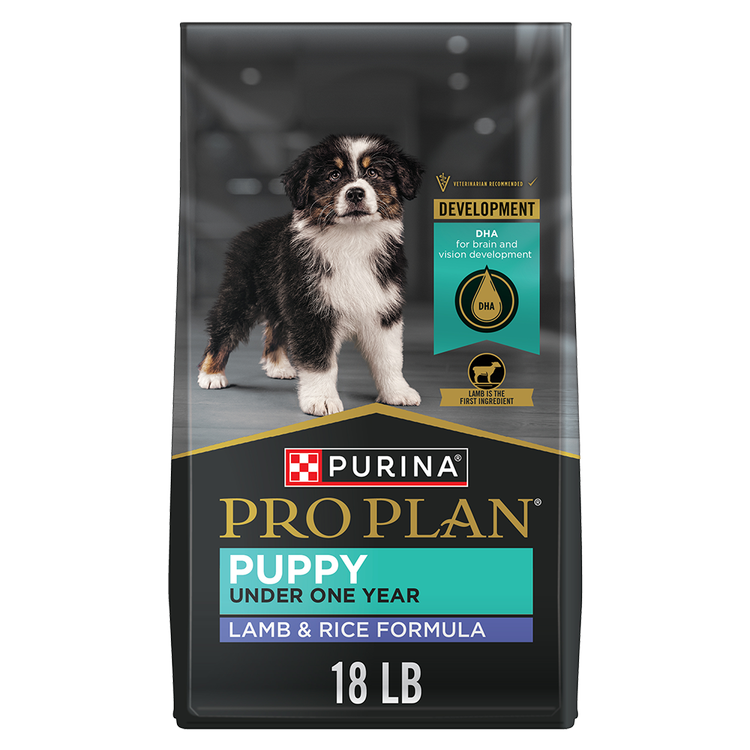
Credit: www.purina.com
Signs Puppies Are Ready
Puppies grow fast and their food needs change with time. Knowing when to switch to adult dog food helps keep them healthy. Recognizing the right signs ensures the change is smooth. Watch closely for key signals that your puppy is ready.
Age Milestones
Puppies usually start adult food around 9 to 12 months. Small breeds may switch earlier, about 9 months. Large breeds often wait until 12 months or later. Age is a basic guide but not the only factor. Each puppy grows at a different pace.
Behavioral Changes
Watch for changes in your puppy’s eating habits. Puppies may eat less or show less interest in puppy food. They might start chewing harder foods or exploring new tastes. More energy or calmer behavior can also signal readiness. These signs show their body is maturing.
Nutritional Needs
Puppies need more protein and calories to grow fast. As they age, their growth slows and needs change. Adult dog food has balanced nutrients for maintenance, not growth. Switching too early or late can cause health issues. Feeding the right diet supports strong bones and a healthy coat.
Choosing The Right Adult Food
Choosing the right adult food for your puppy is a crucial step in their growth journey. The transition from puppy to adult food should support their changing nutritional needs without causing digestive upset. Selecting the right formula can set the foundation for a healthy and energetic life.
Key Ingredients To Look For
Look for high-quality protein sources like chicken, beef, or fish listed as the first ingredient. Protein supports muscle maintenance and overall health as your dog matures.
Healthy fats such as omega-3 and omega-6 fatty acids help keep your dog’s coat shiny and skin healthy. Ingredients like flaxseed or fish oil are excellent sources.
Don’t forget about fiber. Ingredients like beet pulp or pumpkin aid digestion and help maintain regular bowel movements.
Avoiding Common Pitfalls
Beware of foods with too many fillers such as corn, wheat, or soy. These can cause allergies or digestive issues in some dogs.
Check for artificial colors, flavors, and preservatives. These additives provide no nutritional value and may trigger sensitivities.
Watch out for sudden changes in food. Abrupt switches can lead to upset stomachs or refusal to eat. Gradually mix the new food over a week for the best results.
Special Diet Considerations
If your dog has allergies or sensitivities, look for limited ingredient diets designed to minimize reactions.
Some breeds need specific nutrients, like glucosamine for joint health in large breeds. Check if your dog’s adult food includes these extras.
Consider your dog’s activity level and weight. Active dogs need more calories and protein, while less active ones may require lower calorie options to avoid weight gain.
Step-by-step Transition Process
Begin by mixing a small amount of adult dog food with puppy food. Gradually increase the adult food portion over 7 to 10 days. Watch your puppy’s reaction and adjust the mix until fully switched.
Transitioning your puppy from puppy food to adult dog food is a significant milestone in their life. It’s crucial to handle this change delicately to ensure their digestive system adapts smoothly. A structured approach can help prevent any upset stomachs and ensure your puppy thrives on their new diet.Gradual Food Mixing
Start by mixing a small amount of adult dog food with your puppy’s current food. Gradually increase the proportion of adult food over a week or two. This slow introduction helps your puppy’s stomach adjust without causing digestive distress.Monitoring Puppy’s Response
Observe your puppy’s behavior and stools during the transition. Are they energetic and happy, or lethargic and uncomfortable? Paying attention to their response can indicate if the transition is going smoothly or if adjustments are needed.Adjusting Portions
Ensure you’re feeding the correct portion sizes as you transition to adult food. Adult dog food is often more calorie-dense, so you might need to adjust the amount. Keep an eye on your puppy’s weight and body condition to make sure they’re maintaining a healthy size. Each puppy is unique, and this process may take some tweaking. Have you noticed any particular foods your puppy seems to enjoy more? Share your experiences, and remember that patience is key in this transition.
Credit: www.youtube.com
Handling Common Issues
Switching your puppy to adult dog food can bring up a few challenges. Knowing how to handle common issues helps keep your dog comfortable and ensures the transition goes smoothly. Addressing problems early means less stress for both you and your furry friend.
Digestive Upset
Digestive upset is a frequent problem during diet changes. Your puppy’s tummy might react with diarrhea, gas, or vomiting. To ease this, introduce adult food gradually over 7 to 10 days by mixing it with their current food.
If upset persists, try feeding smaller, more frequent meals. Adding plain boiled chicken and rice can soothe the stomach temporarily. Always keep fresh water available to prevent dehydration.
Refusal To Eat
Sometimes puppies refuse adult dog food because it tastes different or they are used to puppy food. Don’t panic if your dog ignores the new food for a day or two. Try warming the food slightly or adding a bit of low-sodium broth to make it more appealing.
Consistency is key here—offer the adult food at regular times without giving in to treats or snacks. Have you noticed your dog’s favorite flavors? Choosing adult food with similar ingredients might make the switch easier.
Allergic Reactions
Watch for signs like itching, redness, swelling, or digestive issues after switching foods. These could mean your puppy is allergic to something in the adult formula. Keep a food diary to track symptoms and ingredients.
If allergies occur, consult your vet for a recommended hypoallergenic or limited-ingredient diet. Early detection can prevent discomfort and more serious health issues. Are you prepared to test different foods safely to find what suits your dog best?
Veterinarian Recommendations
Transitioning your puppy to adult dog food is a significant milestone that impacts their growth and health. Veterinarians offer valuable advice tailored to your puppy’s unique needs. Their guidance helps ensure a smooth switch without upsetting your pet’s digestive system or nutritional balance.
When To Consult A Vet
Wondering if your puppy is ready for adult food? Your vet can assess your dog’s breed, size, and development to recommend the right timing. Generally, most puppies start switching between 9 to 12 months, but this varies widely.
If your puppy has health issues or shows signs of food intolerance, check with your vet before making any changes. They can help you avoid complications and select the best diet for your dog’s well-being.
Professional Feeding Guidelines
Veterinarians suggest gradually mixing adult food with puppy food over 7 to 10 days. This slow transition helps reduce stomach upset and allows your puppy’s digestive system to adjust.
- Start by replacing 25% of the puppy food with adult food.
- Increase the adult food portion every few days until fully transitioned.
- Watch for any changes in stool consistency or appetite.
Your vet might also recommend specific adult formulas based on your dog’s activity level and health needs. Don’t hesitate to ask for advice on portion sizes and feeding frequency tailored to your puppy.
Health Checkups During Transition
Regular vet visits during the food switch are crucial. Your vet can monitor your puppy’s weight, coat condition, and energy levels to ensure the new diet supports their health.
If you notice any vomiting, diarrhea, or lethargy, schedule a checkup promptly. Early intervention can prevent minor issues from becoming serious problems.
Have you noticed your puppy’s behavior or digestion change during feeding transitions? Sharing these observations with your vet can help fine-tune your dog’s nutrition plan for optimal results.
Maintaining Balanced Nutrition
Maintaining balanced nutrition is key when puppies transition to adult dog food. Their growing bodies need the right mix of nutrients to stay healthy and active. Proper nutrition supports strong bones, shiny coats, and good energy levels. Careful attention to diet helps prevent health issues later in life.
Supplements And Treats
Supplements can fill small nutrient gaps in your dog’s diet. Omega-3 fatty acids support brain and joint health. Probiotics help digestion and boost the immune system. Treats should be healthy and given in moderation. Choose low-calorie options made with natural ingredients.
Hydration Tips
Water is vital for every dog’s health. Always provide fresh, clean water throughout the day. Wet dog food can add moisture to their diet. During hot days or after exercise, increase water availability. Avoid sugary drinks or milk, which can upset digestion.
Long-term Feeding Strategies
Consistency in feeding helps maintain healthy weight and energy. Stick to a regular schedule with measured portions. Adjust food amounts based on activity level and age. Monitor your dog’s weight and body condition often. Consult your vet to update diet plans as needed.
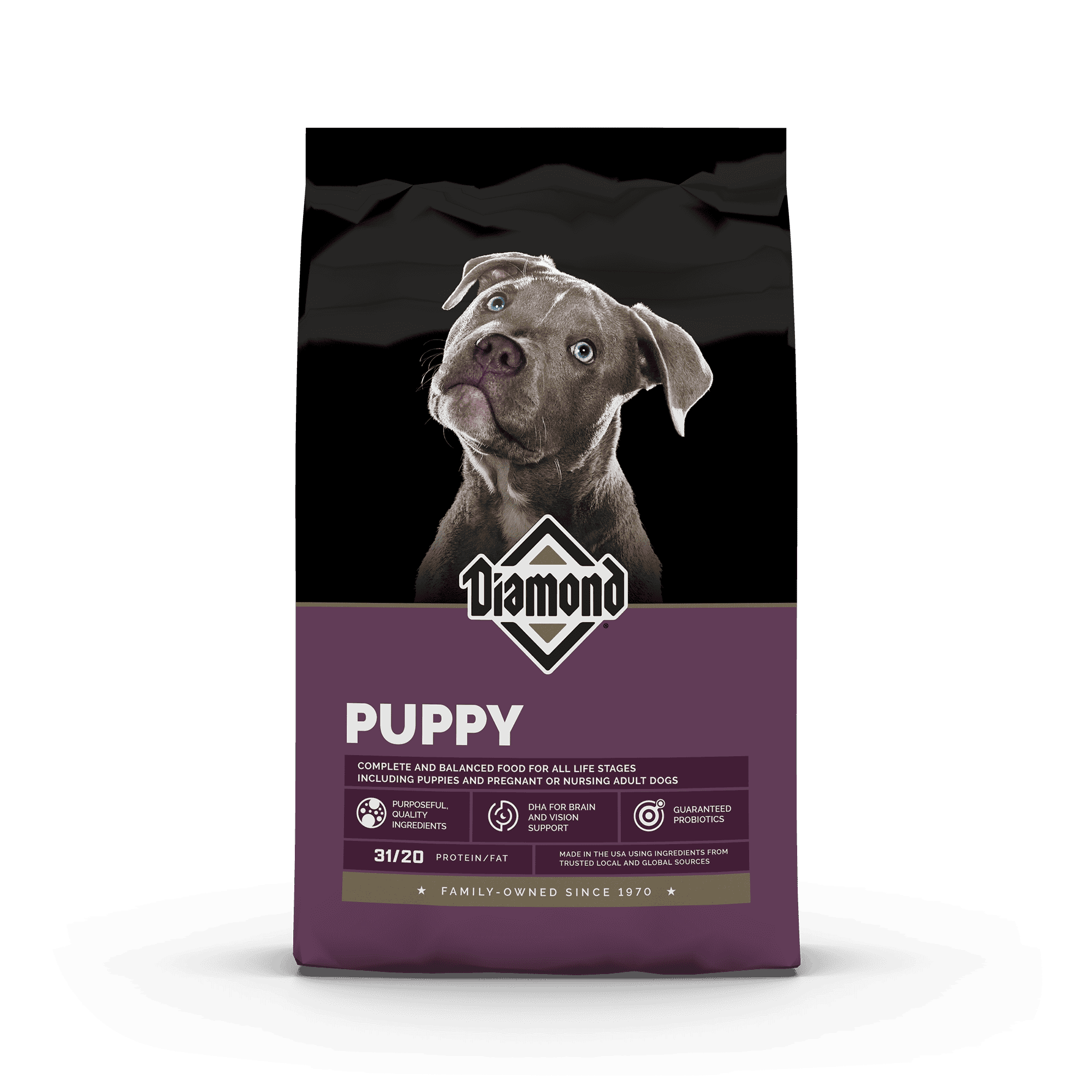
Credit: www.diamondpet.com
Frequently Asked Questions
When Should Puppies Start Eating Adult Dog Food?
Puppies typically begin adult dog food around 12 months old. Larger breeds may transition later, at 12-18 months. Consult your vet for breed-specific timing to ensure proper nutrition and growth.
Why Switch Puppies To Adult Dog Food?
Adult dog food meets mature dogs’ nutritional needs. It contains fewer calories and adjusted protein levels to maintain healthy weight and energy after growth stops.
How To Transition Puppies To Adult Dog Food?
Gradually mix adult food with puppy food over 7-10 days. Increase adult food while decreasing puppy food to avoid digestive upset and ensure a smooth changeover.
Can Feeding Adult Food Early Harm Puppies?
Yes, adult food lacks nutrients puppies need for growth. Feeding it too soon can cause nutrient deficiencies and affect bone and muscle development.
Conclusion
Puppies need the right food to grow strong and healthy. Switching to adult dog food usually happens around one year old. Watch your puppy’s size and energy to know the best time. Choose food made for adult dogs to support their needs.
Always check with your vet before changing their diet. A smooth transition helps avoid stomach problems. Feeding adult food too early or late can cause issues. Careful timing keeps your dog happy and healthy for years. Trust your puppy’s signals and keep their diet balanced.