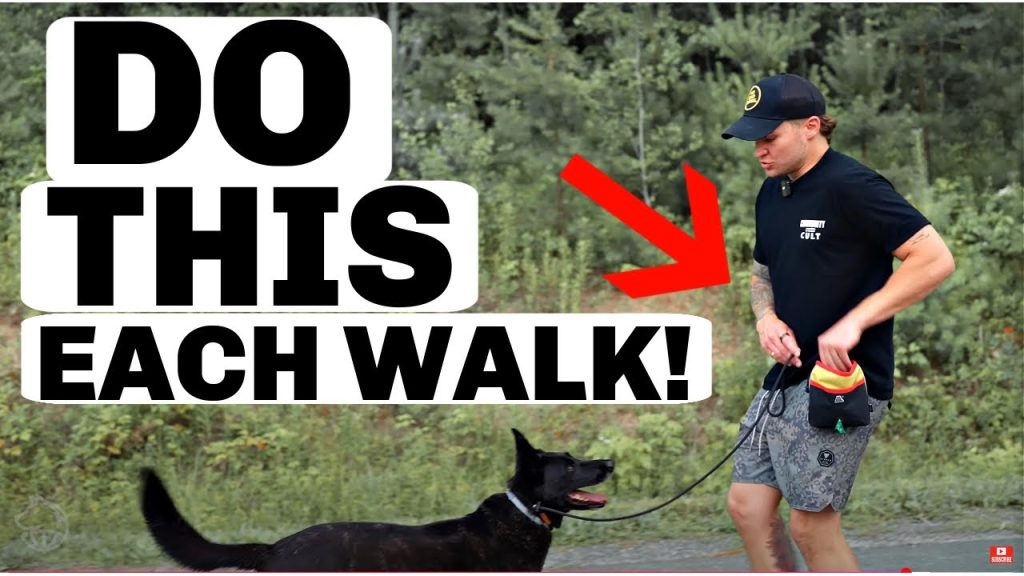

Training your dog to walk off leash is one of the most rewarding experiences you can share. Imagine the freedom to explore together without the constant tug of a leash, knowing your dog listens and stays safe by your side.
But how do you get there? It’s easier than you think, and you can start right now. You’ll discover simple, proven steps to build trust and control, making off-leash walks enjoyable for both you and your dog. Keep reading, and unlock the secret to stress-free adventures with your best friend.
Preparing Your Dog
Getting your dog ready to walk off leash takes careful preparation. It’s not just about letting go of the leash; it’s about making sure your dog is confident, obedient, and safe. Before you start, spend time understanding your dog’s behavior and skills to set both of you up for success.
Assessing Readiness
Is your dog ready to walk off leash? Look for signs like steady focus on you, calm behavior around distractions, and consistent recall during walks. If your dog gets easily distracted or scared, more training is needed before trying off-leash walks.
Think about your environment too. Are there busy roads nearby? Lots of other dogs? Choose a quiet, enclosed area first to test your dog’s off-leash skills. Always prioritize safety over speed in this stage.
Basic Obedience Skills
Your dog must master basic commands before going off leash. Commands like “come,” “sit,” “stay,” and “leave it” are essential. Practice these commands daily in different settings to build your dog’s reliability.
Use positive reinforcement like treats or praise to motivate your dog. I noticed my dog responded best when I rewarded immediately after a command. This helped him understand exactly what I wanted.
Choosing The Right Equipment
Even when your dog is ready, the right gear matters. Start with a long training leash or a retractable leash. This gives your dog freedom but keeps control within reach.
Consider a comfortable, secure harness instead of a collar to avoid neck strain. A brightly colored or reflective harness can improve visibility if you’re training near roads or in low light.
What equipment do you trust most for your dog’s safety? Picking gear that fits well and suits your dog’s personality can make training smoother and safer.
Building A Strong Recall
Building a strong recall is key to safe off-leash walks. Your dog must come back quickly when called. This skill keeps your dog close and out of danger. Training recall takes patience and clear communication. Consistency helps your dog understand the command well.
Using Positive Reinforcement
Positive reinforcement motivates your dog to listen. Reward your dog with treats, praise, or toys. Always reward immediately after your dog responds. This helps your dog connect the recall with good things. Avoid punishment, as it can make your dog afraid to come.
Practice In Controlled Environments
Start recall training in quiet, safe places. Use a fenced yard or a small room. Few distractions help your dog focus on you. Call your dog often and reward every success. This builds your dog’s confidence in responding to recall.
Increasing Distance Gradually
Slowly increase the distance between you and your dog. Begin with a few steps, then more space each time. Always use the recall command clearly and confidently. Reward your dog for coming from farther away. Gradual increase helps your dog learn to come from any distance.
Creating Safe Off-leash Zones
Safe off-leash zones give dogs space to explore without danger. Choose quiet, enclosed areas to practice walking off leash. Consistent training in these zones builds trust and control.
Creating safe off-leash zones for your dog is essential for their well-being and your peace of mind. Having a space where your dog can roam freely, without the constraints of a leash, can boost their confidence and encourage natural behaviors. However, ensuring these areas are safe and conducive to training is crucial for both you and your furry friend.Finding Suitable Locations
When looking for the perfect off-leash zone, consider areas that are spacious yet enclosed. This could be a fenced-in backyard or a designated dog park with secure boundaries. Public spaces like beaches or hiking trails might work, but always check local regulations to ensure off-leash activities are allowed. Think about your dog’s comfort level in various environments. If your pup is easily overwhelmed by noise or crowds, a quiet park might be more suitable than a bustling dog park. Finding a location that matches your dog’s temperament can significantly enhance their off-leash experience.Managing Distractions
Distractions are inevitable, but managing them effectively can keep your training on track. Start by identifying common distractions for your dog, such as other animals, people, or loud noises. Gradually introduce these elements during off-leash time to help your dog learn to focus. You can use treats or toys to redirect your dog’s attention when distractions arise. Consistent recall training in these environments will reinforce your dog’s ability to respond to your commands, even amidst chaos. How well can your dog ignore a squirrel or another playful pup? Practicing in controlled settings will prepare them for unexpected distractions.Establishing Boundaries
Clear boundaries are vital in off-leash training to ensure your dog understands where they can roam. Use visual markers like trees, rocks, or even cones to define the off-leash zone’s perimeter. This visual cue helps your dog understand the limits without physical barriers. Consider using verbal commands or signals to reinforce boundaries. Teaching commands like “stop” or “come back” can be crucial if your dog approaches the edge of their safe zone. Consistency in enforcing these boundaries will create a reliable framework for your dog’s off-leash adventures. How confidently can you trust your dog to stay within these limits? Establishing clear expectations will make both of you feel more secure.
Credit: greensafaris.com
Training Techniques For Off-leash Walking
Training your dog to walk off leash requires patience, clear communication, and gradual progression. The key is to build trust and reinforce good behavior consistently. Here are some effective training techniques that help make off-leash walking a safe and enjoyable experience for both you and your dog.
Leash To Off-leash Transition
Start by letting your dog get comfortable walking calmly on a leash. Use a long leash or a training lead to give them some freedom while still keeping control. This setup allows your dog to explore but keeps them close enough to correct any wandering or distractions.
Gradually increase the distance between you and your dog while rewarding them for staying near. If your dog starts ignoring you, gently reel them back and try again. This slow transition helps your dog understand that staying close is rewarding and expected.
Consistent Commands
Choose clear, simple commands like “come,” “stay,” and “heel,” and use them consistently. Your dog needs to associate these words with specific actions, so avoid using different words for the same command. Consistency helps your dog respond quickly and accurately, even when off leash.
Practice these commands in various environments to ensure your dog listens despite distractions. Always reward your dog immediately after they obey. This positive reinforcement strengthens their desire to follow your instructions.
Handling Unpredictable Situations
Off-leash walking brings unexpected challenges like sudden noises, other animals, or tempting scents. Prepare your dog by practicing recall in areas with mild distractions first. Gradually introduce more challenging environments as their focus improves.
If your dog gets distracted, stay calm and call them back with a cheerful voice or a favorite treat. Avoid punishing your dog for distractions; instead, use positive rewards to guide them back. How would you react if your dog suddenly spots a squirrel? Training your dog to respond reliably can keep both of you safe in moments like these.
Troubleshooting Common Issues
Troubleshooting common issues helps keep off-leash training on track. Challenges can slow progress but solving them builds trust. Patience and clear steps guide you through problems. Focus on one issue at a time for best results.
Dealing With Disobedience
Disobedience often means your dog is unsure or distracted. Use short training sessions with simple commands. Reward good behavior immediately to encourage repeats. Keep calm and avoid yelling, which can confuse your dog. Consistency is key; practice daily to build habits.
Preventing Chasing Behaviors
Chasing is a natural instinct but can be dangerous off leash. Teach a strong recall command with high-value treats. Practice in safe, enclosed areas before going outside. Use a long leash for control and gradually increase freedom. Distract your dog with toys or attention before a chase starts.
Addressing Fear Or Anxiety
Fear can stop your dog from enjoying off-leash walks. Start in quiet places with few distractions. Use gentle praise and treats to create positive experiences. Avoid forcing your dog into scary situations. Gradually expose your dog to new sights and sounds at their own pace.
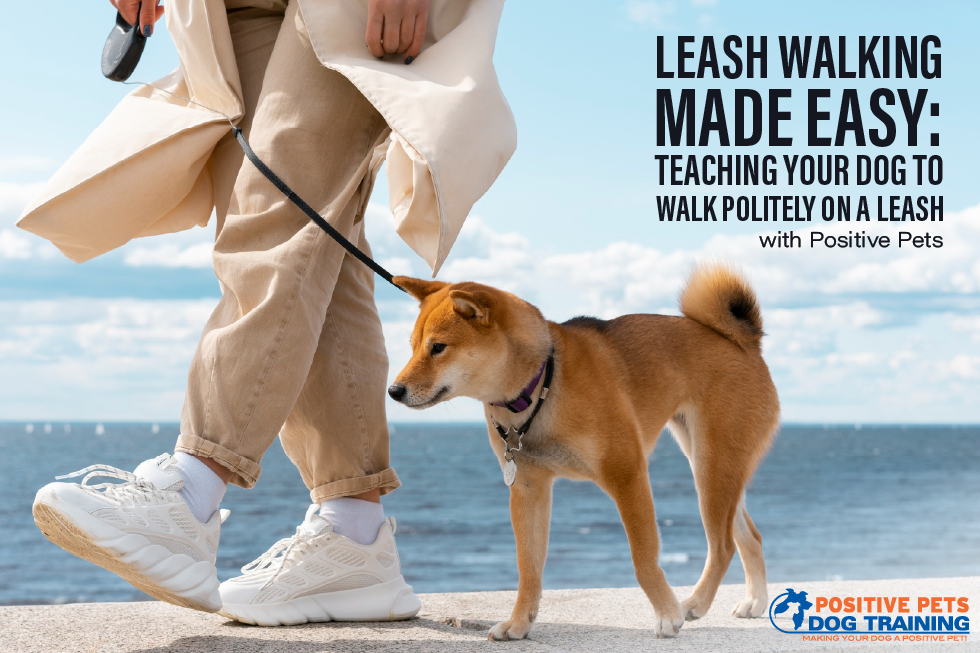
Credit: www.positivepetsboise.com
Maintaining Off-leash Success
Keeping your dog reliably off leash takes more than just initial training. It demands consistent effort and attention to maintain the behavior. You want your dog to respond instantly, no matter the distractions or environment.
Regular Practice Sessions
Practice often, but keep sessions short and fun. Frequent, brief training helps your dog stay sharp without getting bored. Try mixing in different locations, such as parks, quiet streets, or even your backyard, to help your dog generalize the command.
For example, I noticed my dog started ignoring recall commands in busy parks until I made those spots part of our regular training routine. How often do you practice off-leash commands with your dog in new places?
Ongoing Reinforcement
Rewards don’t have to be treats every time, but some form of positive reinforcement is essential. Use praise, play, or even a quick petting session to celebrate your dog’s success. This keeps your dog motivated and eager to obey.
Also, be consistent with your cues and signals. Mixed messages confuse dogs, reducing off-leash reliability. What kind of rewards does your dog respond to best?
Adjusting Training As Needed
Watch for signs that your dog’s behavior is slipping. Maybe your dog’s focus fades in noisy areas or around other dogs. When you notice this, adjust by increasing training difficulty gradually or returning to basics for a refresher.
Sometimes, your dog’s needs change over time. Age, health, or environment can affect performance. How do you recognize when your dog needs a training tune-up?

Credit: www.youtube.com
Frequently Asked Questions
How Long Does It Take To Train A Dog Off Leash?
Training time varies by dog’s breed, age, and temperament. Typically, consistent daily sessions over several weeks lead to success. Patience and positive reinforcement speed up learning. Always prioritize safety and gradual progress when training your dog off leash.
What Are The First Steps For Off-leash Training?
Start with basic obedience commands like sit, stay, and come. Use a leash for control while practicing commands in a quiet area. Gradually introduce distractions and increase distance. Always reward your dog immediately for correct responses to reinforce behavior.
How To Ensure My Dog’s Safety Off Leash?
Choose safe, enclosed areas free from hazards and traffic. Use reliable recall commands and a long training leash initially. Monitor your dog closely to prevent chasing or running off. Regularly update your dog’s ID tags and microchip information for safety.
What Tools Help With Off-leash Dog Training?
Use a long training leash, clicker, and high-value treats. These tools improve control and reinforce positive behavior. Avoid harsh corrections; focus on reward-based methods. Consistent use of these tools enhances trust and communication between you and your dog.
Conclusion
Training your dog to walk off leash takes time and patience. Start slow and practice often in safe areas. Always reward good behavior to encourage learning. Keep your dog’s safety as your top priority. Trust between you and your dog will grow.
Enjoy the freedom and fun of off-leash walks together. Small steps lead to big progress. Keep training simple and consistent for best results. Your dog will thank you with loyalty and joy.
