
Are you wondering when it’s the right time to switch your dog to adult food? Knowing the perfect moment can make a big difference in your dog’s health and happiness.
Feeding your dog the right food at the right age supports their energy, growth, and overall well-being. Keep reading, and you’ll discover clear signs and expert tips to help you make this important change with confidence. Your dog deserves the best, and so do you.
Signs Puppy Is Ready
Knowing the right moment to switch your puppy to adult dog food can feel tricky. However, certain signs clearly show your puppy is ready for this change. Watching these signs helps you support your dog’s health and growth properly.
Age Milestones
Puppies usually start eating adult food between 9 and 12 months old. However, breed size matters—smaller breeds may switch earlier, while larger breeds might need puppy food longer. Checking your puppy’s age is a simple first step, but it’s not the only factor to consider.
Behavioral Changes
Notice if your puppy’s eating habits change. If they start eating less frequently or seem less interested in their current food, it might be time to switch. Also, watch for increased energy or changes in activity levels, which often signal that their nutritional needs are evolving.
Physical Development
Look at your puppy’s body shape and weight. When they reach close to their adult size, their growth plates begin to close, indicating readiness for adult food. You might also see their teeth fully grown and stronger, which helps them chew tougher adult kibble comfortably.

Credit: www.lilyskitchen.co.uk
Benefits Of Switching On Time
Switching your dog to adult food at the right time offers several important benefits that impact their overall health and happiness. It ensures your pet gets exactly what they need as they grow and their body changes. Timing this transition well can make a noticeable difference in their well-being and energy.
Nutritional Needs
Your dog’s nutritional needs shift as they mature. Puppy food is rich in calories and certain nutrients to support rapid growth, but adult dogs require a balanced diet tailored to maintain their health and prevent weight gain.
Switching on time means your dog receives the right vitamins, minerals, and protein levels. Missing this window can lead to nutrient imbalances or deficiencies that affect their coat, joints, and immune system.
Digestive Health
Adult dog food is formulated with ingredients that are easier on mature digestive systems. Feeding puppy food for too long may overload your dog’s stomach and intestines with excess nutrients, causing upset or irregular bowel movements.
Introducing adult food at the right moment helps keep your dog’s digestion smooth and comfortable. Have you noticed any changes in your dog’s stool or appetite? These can be clues to whether it’s time to switch.
Energy Levels
Energy needs slow down as dogs leave puppyhood, so adult food provides the right balance without extra calories that lead to lethargy or weight issues. Feeding adult food too late might cause your dog to feel sluggish or gain unnecessary weight.
On the other hand, switching too early might leave your dog without enough energy to stay active and playful. Observing your dog’s activity level can help you decide the best time to make the change.
Risks Of Early Or Late Transition
Switching dog food too early can cause digestive issues and poor growth. Waiting too long may lead to nutrient imbalances and weight problems. Timing the transition carefully supports your dog’s health and development.
Transitioning your dog from puppy food to adult food is a crucial step in their development. Timing it just right can help avoid potential health issues that might arise if the switch happens too early or too late. Understanding the risks associated with premature or delayed transitions is key to ensuring your furry friend grows up healthy and strong.Growth Problems
Switching to adult food too early can stunt your dog’s growth. Puppies require more protein and calories to support their development. Adult food lacks these essential nutrients, potentially leading to underdeveloped muscles and bones. On the other hand, delaying the transition can also cause problems. Puppy food is calorie-dense, which is beneficial for growing dogs but not for those who have reached maturity. Keeping your dog on puppy food for too long can lead to overfeeding and other health issues.Weight Issues
The right timing for transitioning your dog is crucial to managing their weight. If your dog continues on puppy food after reaching adulthood, they may consume more calories than they need. This can lead to unhealthy weight gain and even obesity. Conversely, switching to adult food too early can result in weight loss or a failure to gain weight properly. Puppies need the extra calories for their high energy levels and rapid growth. A sudden lack of sufficient nutrients can leave them underweight and lethargic.Digestive Upset
A sudden change in diet can upset your dog’s digestive system. If you switch too early, your puppy’s stomach might not be ready to handle the composition of adult dog food. This can lead to diarrhea or vomiting, making your pet uncomfortable and unhappy. Waiting too long to switch can also cause digestive issues. Adult dogs need a different balance of nutrients than puppies, and sticking with puppy food can result in an imbalance. This might manifest as an upset stomach or irregular bowel movements. Are you worried about getting the timing right for your dog’s transition? Pay close attention to their growth and consult with your vet. They can provide personalized advice based on your dog’s breed, size, and health needs.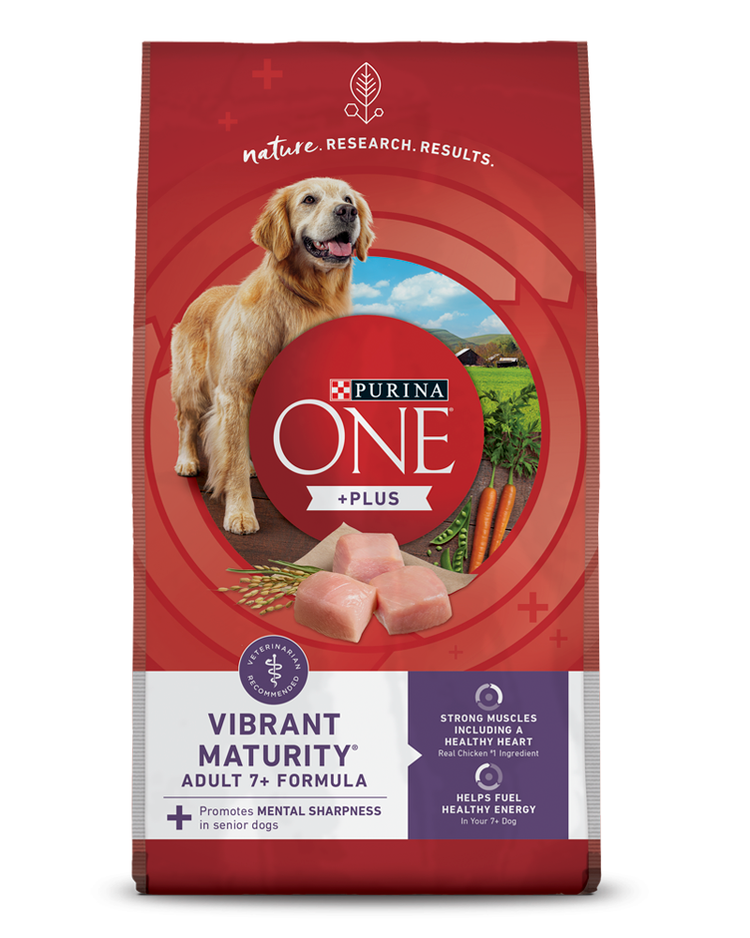
Credit: www.purina.com
How To Transition Smoothly
Switching your dog to adult food requires care and patience. A smooth transition helps avoid stomach upset and keeps your dog happy. The process is simple but needs attention to detail. Follow these tips to make the change easy and safe for your pet.
Gradual Mixing
Start by mixing a small amount of adult food with your dog’s current food. Increase the adult food portion slowly over 7 to 10 days. This gradual change helps your dog’s digestive system adjust. Avoid switching all at once to prevent diarrhea or vomiting.
Monitoring Reactions
Watch your dog closely during the transition. Check for signs like vomiting, diarrhea, or loss of appetite. Also, observe energy levels and stool quality. If problems appear, slow down the transition or consult a vet. Healthy reactions mean the new food suits your dog well.
Adjusting Portions
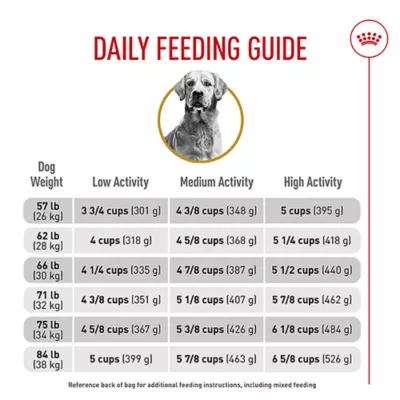
Adjust food amounts based on your dog’s weight and activity. Adult dogs need different calories than puppies. Follow feeding guidelines on the package as a starting point. Make changes slowly to keep your dog at a healthy weight. Proper portions support good health and energy.
Breed And Size Considerations
Choosing the right time to switch your dog to adult food depends a lot on their breed and size. Different breeds grow at different rates and have unique nutritional needs during their transition from puppy to adult. Paying attention to these details helps ensure your dog stays healthy and energetic.
Small Breeds
Small breed dogs, like Chihuahuas and Dachshunds, usually reach adulthood faster than larger dogs. Many small breeds are ready for adult food around 9 to 12 months old.
These pups have high metabolisms and often need calorie-dense food to maintain energy. Switching too early can leave them lacking essential nutrients, while waiting too long might cause unnecessary weight gain. Watch your dog’s growth and energy levels closely to find the right moment.
Large Breeds
Large breeds such as Labradors and Golden Retrievers grow for a longer time, typically maturing around 12 to 18 months. Their bones and joints need special care during this phase.
Adult food for large breeds usually has added supplements like glucosamine for joint health. Switching too early can stress their developing bones, while delaying the switch might not provide enough support for adult maintenance.
Giant Breeds
Giant breeds like Great Danes and Mastiffs have the longest growth period, often taking up to 24 months to fully mature. Their nutritional needs during this extended growth phase are very specific.
Feeding adult food too soon can lead to growth problems and joint issues. Instead, focus on puppy or large breed formulas until they near full size. Have you noticed changes in your giant breed’s weight or activity? These clues can guide your timing.
Consulting Your Veterinarian
Consulting your veterinarian is the best step before switching your dog to adult food. They know your pet’s health history and needs. This advice helps make the change smooth and safe. Your vet can guide you on the right time and type of food. This ensures your dog stays healthy and happy during the transition.
Personalized Advice
Each dog is unique. Vets provide advice based on breed, size, and age. They consider your dog’s lifestyle and activity level. This helps choose the perfect adult food. Personalized plans prevent health problems and support growth.
Health Checkups
Regular health checkups reveal your dog’s condition. Vets check weight, teeth, and digestion. They spot signs of illness or allergies. These checks decide if your dog is ready for adult food. They also help monitor the diet’s effects over time.
Special Dietary Needs
Some dogs have special needs like allergies or sensitivities. Vets recommend diets that avoid harmful ingredients. They suggest supplements if needed. Special diets keep your dog strong and prevent discomfort. Trusting your vet ensures your dog gets the right nutrition.
Credit: www.petsmart.com
Frequently Asked Questions
When Should I Start Feeding My Dog Adult Food?
Begin feeding adult dog food when your dog reaches maturity, usually between 12 to 18 months. Large breeds may need more time. Transition gradually over 7-10 days to avoid digestive upset. Consult your vet for breed-specific guidance and optimal nutrition.
How To Transition Puppy Food To Adult Food Safely?
Switch gradually by mixing adult food with puppy food over 7-10 days. Increase adult food portion daily while decreasing puppy food. This prevents digestive issues and helps your dog adjust. Monitor your dog’s health and appetite during the transition.
What Signs Indicate My Dog Is Ready For Adult Food?
Signs include reaching physical maturity, reduced growth rate, and stable weight. Your dog may also show less energy than a puppy. Consult your vet to confirm readiness and ensure adult food meets your dog’s dietary needs.
Why Is Timing Important When Switching To Adult Dog Food?
Proper timing ensures your dog receives necessary nutrients for maintenance, not growth. Early switching may cause nutrient deficiency, while late switching can lead to obesity. Correct timing supports long-term health and optimal energy levels.
Conclusion
Choosing the right time to start adult dog food is key for your pet’s health. Watch their growth and behavior closely. Most dogs switch between one and two years old. Gradual change helps avoid stomach problems. Always pick food made for adult dogs.
Healthy food supports energy, weight, and coat shine. Talk to your vet for advice tailored to your dog. Feeding adult food too early or late can cause issues. Careful timing makes your dog happy and strong. Keep learning and adjusting as your dog grows.