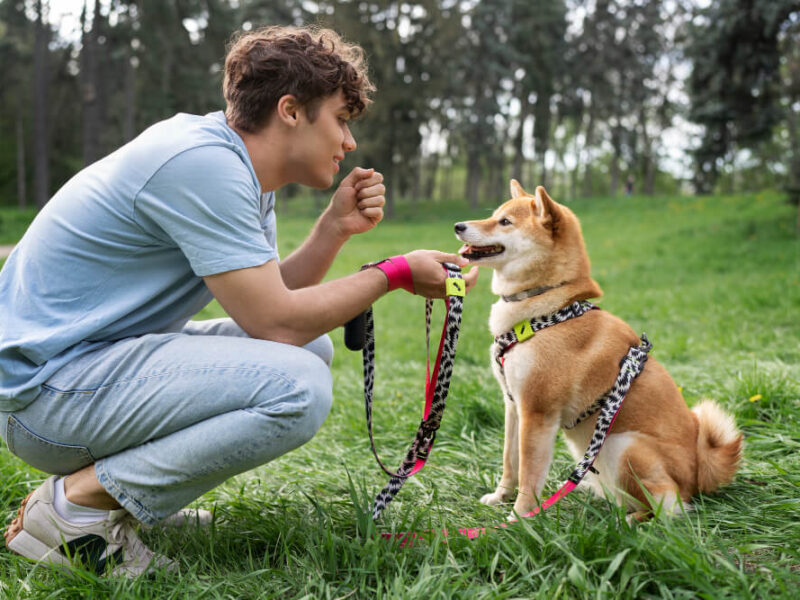

Are you wondering if it’s too late to potty train your dog? Maybe your furry friend is older, and you’re worried that training won’t work anymore.
The truth is, no matter your dog’s age, potty training is still possible. Imagine having a clean house and a well-behaved dog, without the stress of accidents. Keep reading to discover simple, effective steps that can change your dog’s habits and bring peace back to your home.
You’ll learn how to make potty training work for you and your dog—right now.
Credit: www.purina.com
Signs Your Dog Is Ready
Knowing when your dog is ready for potty training helps make the process smoother. Dogs show clear signs they are ready to learn. These signs include changes in behavior and certain age milestones. Recognizing these signs lets you start training at the right time.
Behavioral Indicators
- Your dog can hold its bladder for several hours.
- It shows interest in going outside or near the door.
- The dog sniffs or circles before needing to go.
- It can follow simple commands like “sit” or “stay.”
- The dog seeks your attention when it needs to go out.
- It avoids soiling its sleeping or eating areas.
Age Considerations
Puppies usually start potty training between 8 to 12 weeks old. At this age, their bladder control improves. Older dogs can learn too, but patience is key.
Dogs over six months old may take longer but still respond well to training. Senior dogs might need extra time and gentle guidance.
Age does not stop a dog from learning. Every dog can adapt with consistent training and care.
Choosing The Right Method
Choosing the right potty training method is essential, especially if you’re wondering whether it’s too late to start. Different dogs respond better to different techniques based on their age, personality, and past experiences. Finding the approach that fits your dog’s needs can make the process smoother and less stressful for both of you.
Crate Training Benefits
Crate training can be a game-changer for dogs of any age. Dogs naturally avoid soiling their sleeping area, so a properly sized crate encourages them to hold it until you let them out.
It also provides a safe, comfortable space where your dog feels secure. Many owners have noticed that crate training speeds up potty habits and reduces accidents inside the house.
Have you tried using a crate but found your dog resisted? Sometimes, introducing the crate gradually with treats and positive reinforcement helps create a positive association.
Using Puppy Pads
Puppy pads offer a practical solution, especially if outdoor access is limited. They give your dog a designated spot indoors to relieve themselves, which can be helpful during bad weather or for older dogs.
Consistency is key—place the pads in the same spot and encourage your dog to use them with praise. Over time, you can move the pads closer to the door to transition your dog outside.
Remember, some dogs may become reliant on pads, making the switch to outdoor training slower. Ask yourself if you’re aiming for a temporary fix or a long-term solution.
Outdoor Training Tips
Training your dog to go outside requires patience and routine. Take your dog out frequently, especially after meals, naps, or playtime, to create a strong connection between being outdoors and potty time.
Choose a specific spot outside and consistently bring your dog there. Use clear commands like “go potty” and reward immediately when they do.
Have you noticed your dog hesitates or seems distracted outside? Minimizing distractions and keeping visits short but frequent can help maintain focus.
Building A Consistent Routine
Creating a consistent routine is key to successful potty training. Dogs thrive on predictability and structure. Establishing a regular schedule helps your dog understand what to expect. This reduces stress and confusion during the training process. A routine also helps your dog learn when and where to eliminate. Let’s explore essential elements of a consistent potty training routine.
Scheduled Potty Breaks
Regular potty breaks are crucial for training success. Take your dog out at the same times each day. Morning, after meals, and before bed are ideal. Consistency helps your dog associate these times with bathroom needs. Keep a close watch on your dog’s behavior. Signs like sniffing or circling indicate they need to go.
Meal Times And Bathroom Needs
Align meal times with potty breaks. Feed your dog at the same times daily. This consistency helps regulate their digestion and bathroom needs. After eating, take your dog out to eliminate. This reinforces the link between meals and bathroom breaks. Avoid free feeding as it disrupts the routine.
Positive Reinforcement Strategies
Positive reinforcement strategies can change the way your dog learns potty training, no matter their age. These strategies focus on encouraging good behavior rather than punishing accidents. This approach builds trust and makes the training process smoother for both you and your dog.
Reward Systems
Rewarding your dog immediately after they go potty outside helps them connect the action with positive outcomes. You can use treats, praise, or playtime as rewards. Keep a small stash of high-value treats just for potty training moments to keep your dog motivated.
Consistency is key. If you catch your dog starting to go indoors, gently interrupt and take them outside to finish. Then, reward them right away. This clear cause-and-effect helps your dog understand what you expect.
Have you noticed how your dog’s tail wags a little more during training? That’s a sign they’re enjoying the process. Make rewards fun and varied to keep their excitement alive.
Avoiding Punishment
Punishing your dog for accidents can create fear and confusion. Your dog may not link the punishment to the accident, especially if it happens later. This can damage your relationship and slow down training progress.
Instead of punishment, try redirecting your dog gently when you see signs they need to go. Use calm words and guide them outside. This teaches them what to do without causing stress.
Ask yourself: Does your dog look confused or scared after an accident? If yes, it might be time to rethink your approach. Positive reinforcement encourages learning through understanding, not fear.
Handling Setbacks
Setbacks during potty training are normal. Dogs learn at their own pace. Challenges do not mean failure. Understanding how to handle setbacks keeps training moving forward. It helps build trust between you and your dog. Stay calm and positive during these moments. This section covers common mistakes and the importance of patience.
Common Mistakes
- Expecting too much too soon can cause stress.
- Punishing accidents may confuse your dog.
- Inconsistent schedules make learning harder.
- Not praising good behavior reduces motivation.
- Ignoring signs your dog needs to go out delays progress.
Staying Patient And Persistent
Patience is key when setbacks occur. Training takes time and effort. Dogs need repetition to learn new habits. Keep a regular routine for bathroom breaks. Celebrate small wins to encourage progress. Persistence shows your dog that you care. Avoid frustration; it can harm your bond. Trust the process and stay consistent every day.
Credit: medium.com
When To Seek Professional Help
Potty training a dog can be tough, especially if challenges keep coming up. Sometimes, it helps to get advice from a professional. They can spot problems you might miss and offer clear solutions. Knowing when to seek help can save time and reduce stress for both you and your dog.
Behavioral Issues
Dogs may have hidden behavioral problems causing potty accidents. Anxiety, fear, or stubborn habits can interfere with training. A professional dog trainer or behaviorist understands these issues. They use gentle, effective methods to change unwanted behaviors. Professionals can create a plan tailored to your dog’s needs. This helps improve training success and keeps your dog happy.
Veterinary Concerns
Sometimes potty problems are not about training at all. Health issues like urinary tract infections or bladder problems can cause accidents. A vet can check your dog for medical conditions. Some illnesses require treatment before potty training works well. Early diagnosis can prevent pain and discomfort for your dog. Regular vet visits are key to spotting these concerns early.
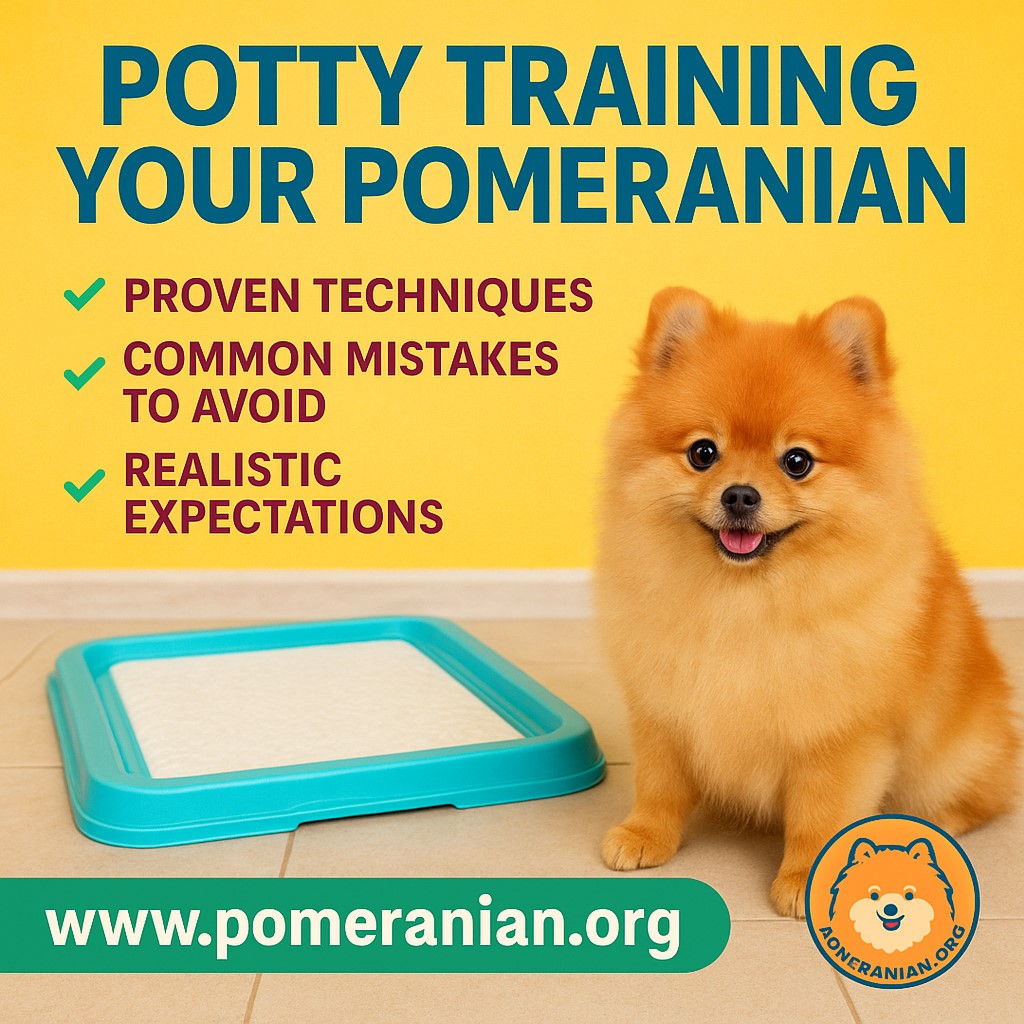
Credit: pomeranian.org
Frequently Asked Questions
Can Older Dogs Learn To Potty Train?
Yes, older dogs can learn potty training with patience and consistency. Age is not a barrier, but training might take longer.
How Long Does Potty Training Take For Adult Dogs?
Potty training duration varies but usually takes 4 to 6 weeks. Consistent routines and positive reinforcement speed up the process.
What Are Common Potty Training Mistakes To Avoid?
Avoid punishment, irregular schedules, and inconsistent commands. These confuse dogs and slow training progress. Patience and positive rewards work best.
Should I Use Crate Training For Potty Training?
Yes, crate training helps dogs learn bladder control. It creates a safe space and encourages holding until taken outside.
Conclusion
Potty training your dog is possible at any age. Dogs learn best with patience and consistency. Small steps each day lead to big progress. Keep routines clear and rewards simple. Stay calm, even if mistakes happen. Your dog will catch on with time.
Remember, it’s never too late to start. Every effort brings you closer to success. Enjoy the journey with your furry friend.