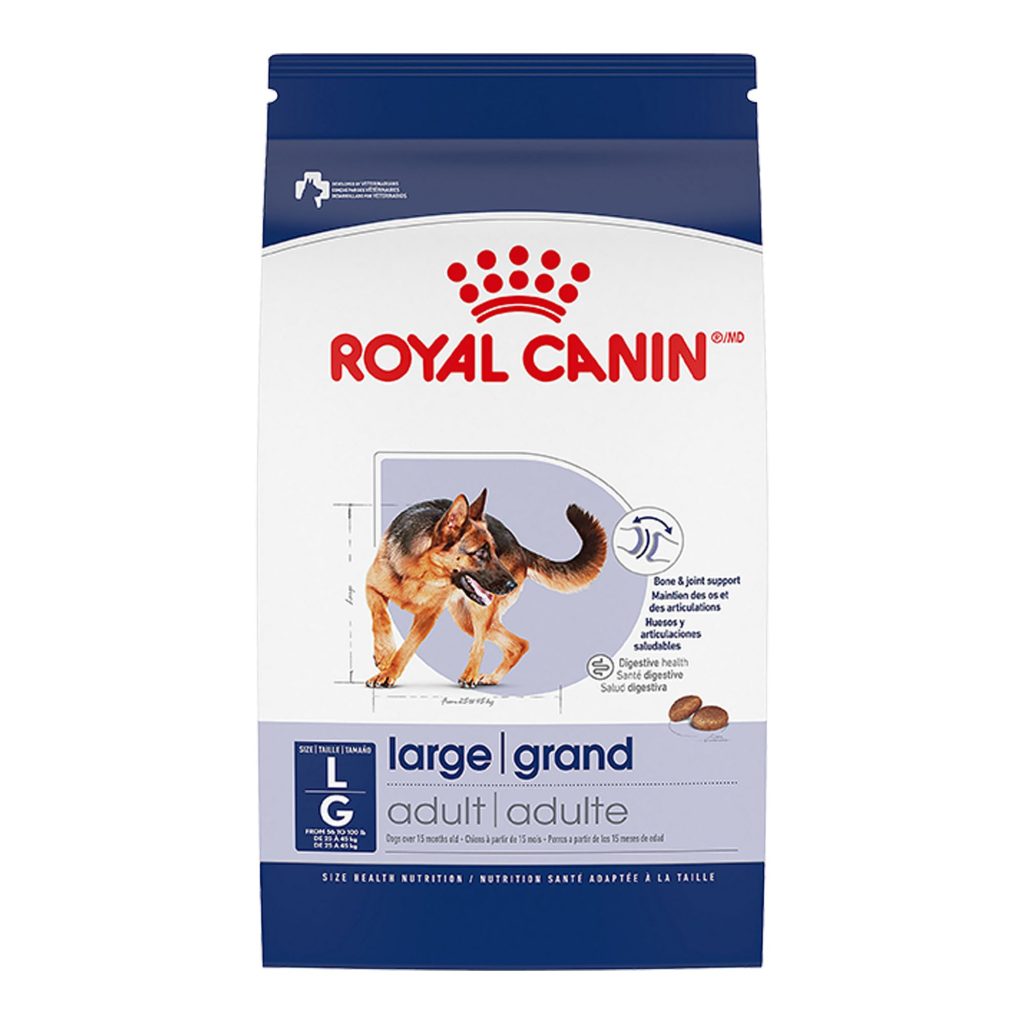

Choosing the right food for your adult dog is one of the most important decisions you’ll make as a pet owner. You want your furry friend to stay healthy, energetic, and happy every day.
But with so many dog food brands out there, how do you know which one truly meets your dog’s needs? This guide will help you discover what makes a good adult dog food brand and how to pick the best option for your loyal companion.
Keep reading—your dog’s health depends on it!
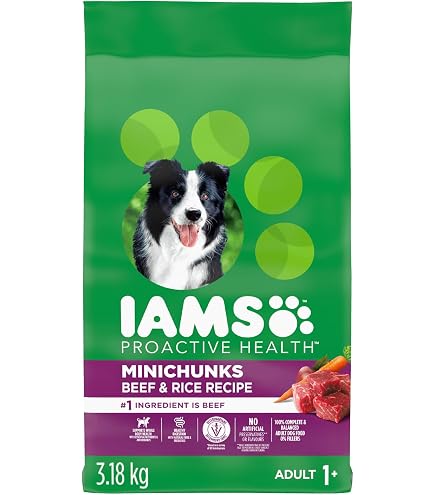
Credit: www.amazon.ca
Criteria For Quality Dog Food
Choosing a good adult dog food brand means understanding what makes the food high quality. Dogs need balanced nutrition, safe ingredients, and formulas that suit their health. This section explains key criteria to find the best dog food for your pet.
Key Nutritional Components
Good dog food provides essential nutrients for energy and health. It must have:
- High-quality protein for muscle maintenance
- Healthy fats for skin and coat health
- Carbohydrates for energy
- Vitamins and minerals to support immune function
- Fiber to aid digestion
Check the label for these nutrients in balanced amounts. Avoid foods with too many fillers or artificial additives.
Ingredient Transparency
Trustworthy brands clearly list all ingredients. You should see real meat or fish named first. Avoid vague terms like “meat by-products.”
Look for brands that explain where ingredients come from. This shows honesty and care for quality. Clear labels help you avoid allergens or harmful substances.
Brand Reputation And Recalls
Choose brands with strong reputations for safety and quality. Research their history and customer reviews. Brands with few or no recalls earn more trust.
Regular quality checks and transparent recall procedures show the brand’s commitment. This protects your dog from unsafe products.
Special Dietary Needs
Some dogs need food for specific health conditions or allergies. Good brands offer options for:
- Grain-free diets
- Weight management
- Sensitive stomachs
- Joint support
- Age-specific formulas
Choose a brand that matches your dog’s unique needs. Consult your vet for the best choice.
Top Healthy Dog Food Brands In 2025
Choosing the right food for adult dogs is crucial for their health and happiness. Healthy dog food brands focus on quality ingredients and balanced nutrition. These brands support energy, digestion, and coat health. In 2025, several dog food brands stand out for their commitment to wellness and safety.
Premium Dry Food Options
Dry dog food remains popular for convenience and dental health benefits. Top premium brands use real meat and avoid fillers. They include essential vitamins and minerals for adult dogs.
- High protein from quality animal sources
- Added omega fatty acids for shiny coats
- Probiotics to aid digestion
- No artificial colors or preservatives
These options provide balanced meals that keep dogs active and healthy.
Best Wet Food Choices
Wet dog food offers hydration and rich flavors dogs enjoy. Leading brands use fresh ingredients and gentle cooking methods.
- Rich in moisture to support kidney health
- Made with whole meats and vegetables
- Free from unnecessary fillers and by-products
- Formulated for easy digestion
Wet food options help picky eaters and add variety to meals.
Grain-free And Limited Ingredient Brands
Grain-free foods suit dogs with allergies or sensitivities. Limited ingredient brands keep recipes simple to reduce risk of reactions.
- Single protein sources like lamb or fish
- Excludes common allergens such as wheat and corn
- Focus on natural fibers for gut health
- Balanced nutrients without excess additives
These brands provide relief for sensitive stomachs and skin issues.
Organic And Natural Selections
Organic dog food uses ingredients grown without chemicals or pesticides. Natural brands avoid synthetic additives and artificial ingredients.
- Certified organic meats and vegetables
- No GMO ingredients or preservatives
- Whole food nutrition with minimal processing
- Supports overall wellness and immune health
These choices offer a clean and wholesome diet for adult dogs.
Benefits Of Choosing High-quality Food
Choosing high-quality dog food supports strong muscles and healthy skin. It provides balanced nutrition that helps your dog stay active and happy. Good food brands use natural ingredients for better digestion and energy.
Choosing high-quality dog food is essential for your furry friend’s health and happiness. When you invest in premium food, you’re not just buying a meal; you’re promoting a better quality of life for your pet. Let’s explore the specific benefits of opting for high-quality dog food.Improved Digestion And Health
High-quality dog foods often contain better ingredients that are easier for dogs to digest. They include natural fibers and prebiotics that support a healthy digestive system. Have you noticed how your dog seems happier and more comfortable after a good meal? That’s the power of proper nutrition at work.Enhanced Coat And Skin Condition
A shiny coat and healthy skin are indicators of a well-fed dog. Quality dog foods are rich in essential fatty acids like omega-3 and omega-6. These nutrients support skin hydration and coat glossiness, leaving your dog looking as fabulous as they feel.Increased Energy And Vitality
Dogs need energy to play, run, and enjoy their daily activities. High-quality food provides the right balance of proteins, fats, and carbohydrates to fuel their energy levels. Remember the last time your dog was full of life and excitement during a play session? The right diet can make that a regular occurrence.Long-term Wellness
Investing in top-notch dog food contributes to your pet’s long-term health. Good nutrition can help prevent health issues like obesity, diabetes, and joint problems. Wouldn’t you want to ensure your dog enjoys a long, happy life by your side? By choosing high-quality dog food, you’re making a commitment to your pet’s overall well-being. Isn’t it reassuring to know that a simple dietary choice can have such a profound impact on your dog’s life?How To Transition To New Dog Food
Switching your dog to a new food brand can be tricky. A sudden change might upset their stomach or cause other issues. Knowing how to transition smoothly helps keep your dog healthy and happy during the switch.
Gradual Introduction Tips
Start by mixing a small amount of the new food with your dog’s current food. Over 7 to 10 days, slowly increase the new food while decreasing the old. This gentle shift allows your dog’s digestive system to adjust without causing discomfort.
If your dog shows hesitation, try warming the new food slightly or adding a bit of low-sodium broth. These tricks can make the new food more appealing and easier to accept.
Monitoring For Allergies Or Reactions
Watch your dog closely for any signs of allergies or digestive issues during the transition. Look out for symptoms like itching, redness, vomiting, or diarrhea.
If you notice any of these, pause the transition and consult your vet. Sometimes a new formula might contain ingredients your dog is sensitive to, so staying alert is key.
Adjusting Portions And Feeding Schedule
New dog foods can have different calorie counts and nutrient densities. Check the feeding guidelines on the package, but remember, your dog’s activity level and size matter too.
Adjust portion sizes accordingly and keep a consistent feeding schedule. Regular meal times help your dog’s digestion and make the transition smoother.
Have you noticed changes in your dog’s energy or appetite after switching foods? Use these observations to fine-tune their portions and timing.
Common Myths About Adult Dog Food
Choosing the right adult dog food can be confusing, especially with so many opinions floating around. You might have heard some common beliefs that seem true but don’t hold up under scrutiny. Let’s clear up some of these myths so you can make smarter choices for your dog’s health.
Myth: All Dog Foods Are The Same
Not all dog foods are created equal. Ingredients, nutrient balance, and quality control vary widely between brands and types. Feeding your dog a random brand without checking its nutritional value can lead to health issues over time.
Think about how you choose your own meals—would you eat the same thing every day without checking what’s in it? Your dog deserves the same attention. Look for foods that specify real meat sources and balanced vitamins to support your dog’s energy and immune system.
Myth: Grain-free Is Always Better
Grain-free dog foods have gained popularity, but they are not automatically healthier. Some dogs do have grain allergies, but most don’t. Grain-free diets can sometimes lack important nutrients or lead to other health problems if not properly formulated.
Instead of avoiding grains altogether, focus on the quality of ingredients. Whole grains like brown rice and oats provide fiber and energy. Ask yourself if your dog has shown any signs of grain intolerance before switching to grain-free.
Myth: Expensive Means Best Quality
Price is not always a reliable indicator of dog food quality. Some pricey brands use marketing to justify higher costs rather than better ingredients. Conversely, affordable brands can offer excellent nutrition.
Look beyond the price tag and check the ingredient list and nutrient guarantees. Has the food passed feeding trials? Does it meet AAFCO standards? Your wallet and your dog’s health will thank you for digging a little deeper.
Credit: www.petsmart.ca
Tips For Choosing The Right Brand
Choosing the right adult dog food brand is important for your pet’s health. The right food supports energy, digestion, and overall well-being. Use these tips to find a brand that fits your dog’s needs perfectly.
Consulting Your Veterinarian
Your veterinarian knows your dog’s health best. Ask for food brand recommendations based on age, weight, and health conditions. They can suggest brands with the right nutrients and avoid those that may cause allergies or issues.
Reading Labels Carefully
Check the ingredients list for quality proteins like chicken, beef, or fish. Avoid foods with fillers such as corn or soy. Look for added vitamins, minerals, and omega fatty acids. These support coat health and immune function.
- First ingredients should be real meat or fish.
- Avoid artificial colors and preservatives.
- Check for balanced nutrients suitable for adult dogs.
Considering Your Dog’s Lifestyle
Active dogs may need food with higher protein and fat. Less active dogs benefit from lower calorie formulas. Take age and breed size into account to meet specific energy needs. Some dogs may need special diets for sensitive stomachs or allergies.
Credit: www.petsmart.ca
Frequently Asked Questions
What Ingredients Define A Good Adult Dog Food Brand?
A good adult dog food brand uses high-quality protein, healthy fats, and essential vitamins. It avoids fillers and artificial additives, ensuring balanced nutrition tailored to adult dogs’ needs. Transparency in ingredient sourcing and clear labeling also indicate a trustworthy brand.
How To Choose The Best Dog Food For Adult Dogs?
Choose dog food based on your dog’s age, size, activity level, and health needs. Look for brands with natural ingredients, proper protein content, and positive reviews. Consulting your vet can help find the best option for your adult dog.
Are Grain-free Adult Dog Foods Better For Dogs?
Grain-free foods may benefit dogs with allergies or sensitivities but are not always necessary. Most dogs digest grains well, and whole grains provide fiber and nutrients. Always check with your vet before switching to grain-free options.
How Often Should Adult Dogs Be Fed Quality Dog Food?
Adult dogs typically need two meals daily, balanced with high-quality dog food. Feeding schedule may vary based on breed, size, and health. Consistent feeding times support digestion and weight management for adult dogs.
Conclusion
Choosing the right adult dog food brand matters for your pet’s health. Good brands offer balanced nutrients and quality ingredients. Always check labels for protein, fats, and vitamins. Your dog deserves food that supports energy and strong muscles. Trust brands that are transparent and tested for safety.
Feeding your dog well leads to a happy, active life. Remember, healthy food helps prevent illnesses and keeps tails wagging. Simple care in choosing food makes a big difference every day. Keep your dog’s needs first and watch them thrive.


