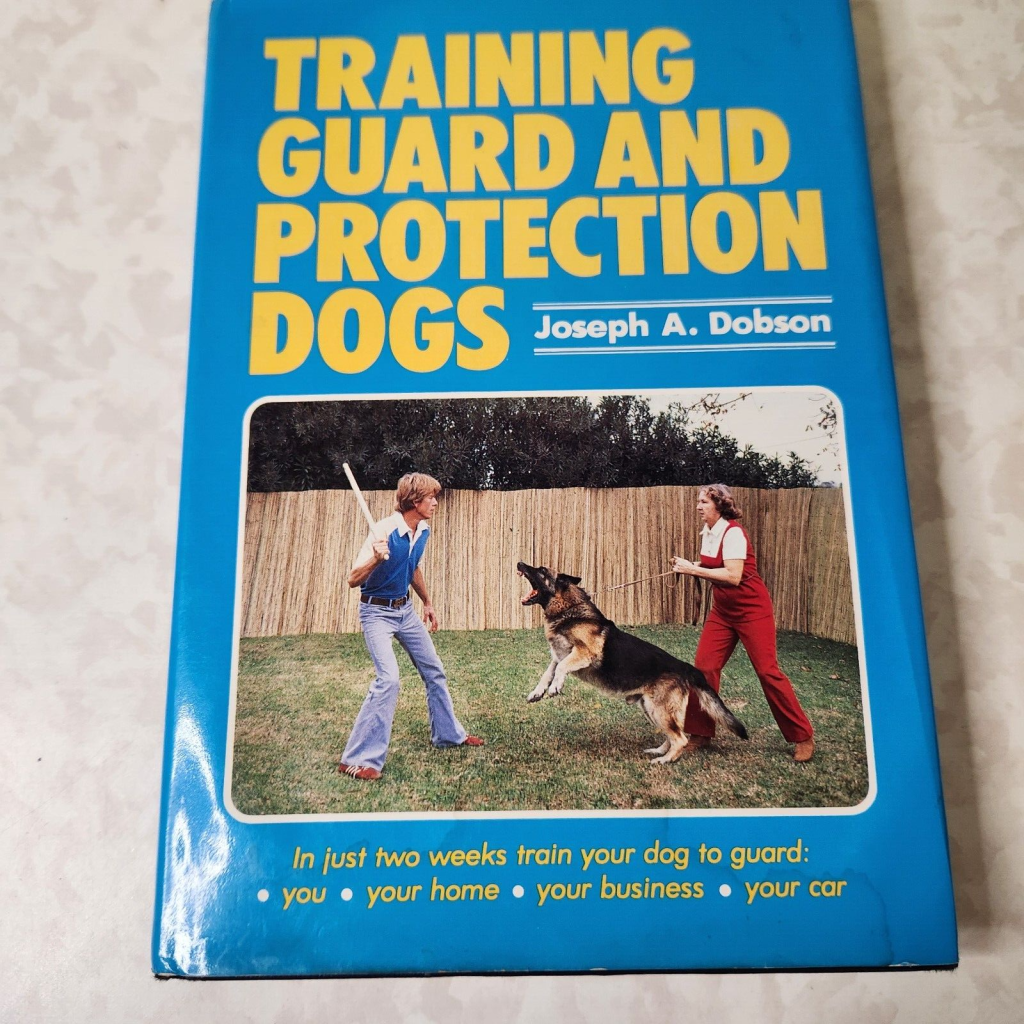

Are you looking to keep your home and loved ones safe? Training your dog for protection can give you peace of mind and a loyal guardian by your side.
But how do you start? What steps will help your dog become a confident protector without causing confusion or fear? You’ll discover simple, effective ways to train your dog for protection—methods anyone can use. Keep reading to unlock the secrets that will turn your furry friend into a trusted protector you can rely on.
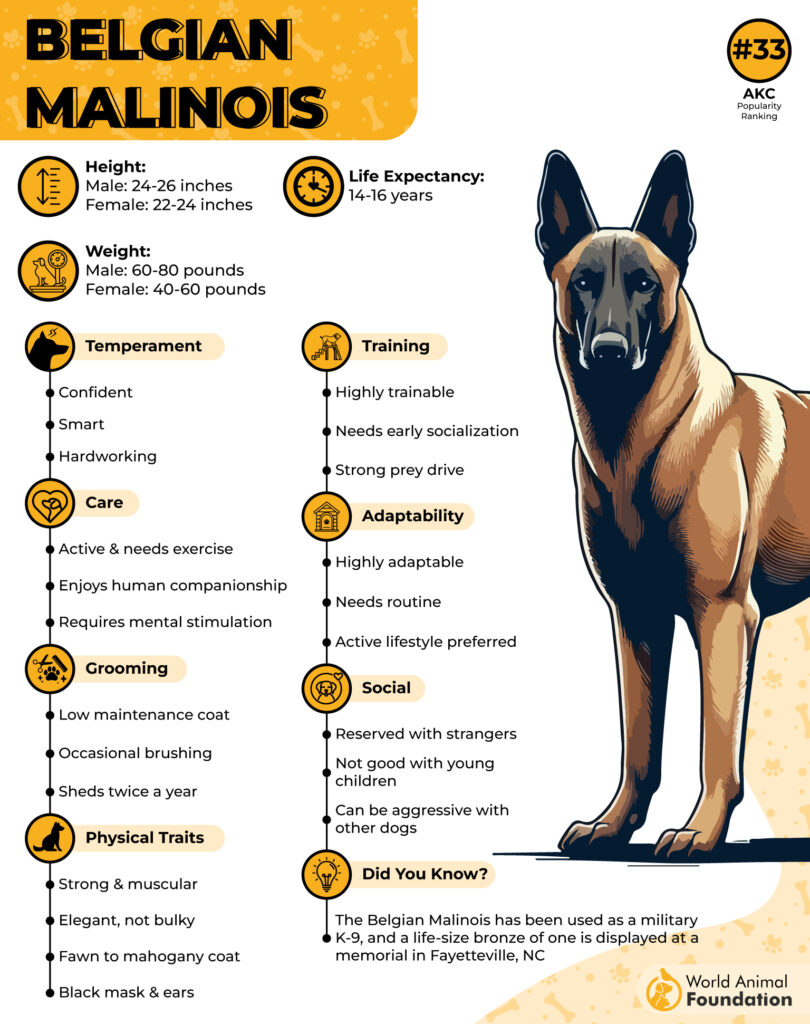
Credit: worldanimalfoundation.org
Choosing The Right Dog Breed
Choosing the right dog breed is key for protection training. Not all dogs have the natural skills or desire to protect. The breed influences strength, instincts, and behavior. Picking a breed suited for protection makes training easier and more effective.
Traits For Protection
Strong physical traits help a dog protect effectively. Look for breeds with:
- Muscular build
- Good stamina
- Sharp senses
- Natural guarding instincts
These traits support alertness and quick reaction to threats. Dogs like German Shepherds and Rottweilers often show these qualities.
Temperament And Trainability
A protective dog must be calm yet alert. Temperament matters as much as strength. Ideal dogs are:
- Loyal and confident
- Obedient to commands
- Focused and intelligent
Trainability ensures the dog follows orders under stress. Some breeds learn faster and adapt better to protection roles.
Health Considerations
Good health supports long-term training and protection work. Choose breeds with fewer genetic health problems. Consider:
- Joint health
- Heart condition
- Respiratory strength
Healthy dogs perform better and live longer. Regular vet checks keep your protection dog fit and ready.
Basic Obedience Training
Basic obedience training is the foundation of protection training for your dog. Without solid obedience skills, your dog won’t respond reliably in critical situations. Starting with clear communication and control helps you guide your dog confidently through advanced protection commands.
Essential Commands
Teaching your dog essential commands like sit, stay, come, and heelis crucial. These commands create a clear structure your dog can understand and follow. For example, if your dog doesn’t reliably stop or come when called, it becomes impossible to keep control during protection work.
Practice these commands in different environments to ensure your dog listens under distractions. Use treats and praise to reinforce good behavior consistently. Have you noticed how quickly your dog picks up commands when you keep training sessions short and focused?
Building Trust And Respect
Trust and respect are the backbone of any effective training relationship. Your dog must see you as a calm, confident leader. This doesn’t mean dominance but steady guidance combined with kindness.
Spend time bonding with your dog through play and positive interactions. When your dog trusts you, it will be more willing to follow commands, even in stressful situations. How often do you take a moment to just connect with your dog before training sessions?
Consistency In Training
Consistency is key to making obedience a habit, not just a trick. Use the same words, gestures, and rewards every time. This helps your dog understand exactly what you expect.
Training a few minutes daily beats long, infrequent sessions. Keep track of progress and adjust if your dog struggles with certain commands. What small changes can you make to your routine to maintain steady progress?
Introducing Protection Skills
Teaching your dog protection skills builds safety and trust between you both. Training focuses on control, commands, and calm responses to threats. Proper practice helps your dog react well in real situations.
Introducing your dog to protection skills can be a rewarding journey if done thoughtfully. It’s crucial to approach this training with patience and understanding, ensuring your dog feels confident and secure. Building a solid foundation will help your dog develop the right mindset for protection work.Controlled Aggression
Training your dog to exhibit controlled aggression is about teaching them when and how to channel their instincts appropriately. Begin with basic commands like “sit” and “stay” to establish discipline. It’s important to ensure your dog is always aware that you are in control. Use toys to simulate scenarios where they learn to bark or growl on command. This helps them understand that aggression is not about being unruly but protective. Remember, a well-trained protection dog knows when to be assertive and when to stand down.Targeting And Barking
Targeting skills are essential for effective protection training. You can teach your dog to focus on specific areas, such as a sleeve or a padded target, which can be useful in real-world situations. This skill helps them learn precision and restraint. Encourage your dog to bark on command by using positive reinforcement. Reward them with treats when they bark at the right time. This not only sharpens their alertness but also boosts their confidence in responding to potential threats.Responding To Threats
Teaching your dog to respond to threats involves simulating situations where they must assess and react appropriately. Use role-playing scenarios with a friend who acts as an intruder to practice. Your dog should learn to alert you with a bark first and only take further action if you command it. This ensures they understand the difference between a perceived threat and a real one. Can you trust your dog to make the right call when it counts? Building this trust is the ultimate goal of protection training, ensuring both you and your furry friend feel secure in any situation.Safety Measures During Training
Training your dog for protection requires careful attention to safety. The process can be intense, and both you and your dog must stay safe. Proper safety measures reduce risks and build trust. These steps help create a secure training environment.
Using Protective Gear
Wear protective gear to avoid injuries during training. Use padded sleeves and gloves to protect arms and hands. Equip your dog with a harness to control movement safely. Protective gear keeps training controlled and prevents accidents. It gives you confidence while working with your dog.
Avoiding Common Mistakes
Do not rush training sessions. Move step-by-step to avoid confusion. Avoid harsh punishments that can scare or hurt your dog. Never train in an unsafe area with distractions. Stay calm and patient to keep your dog focused. Mistakes can harm your dog’s trust and safety.
Supervised Practice Sessions
Always supervise practice sessions closely. Keep other pets and people away during training. Have a second person help watch the dog and trainer. Stop immediately if the dog shows signs of stress or aggression. Supervision ensures quick reaction to any problem. It helps maintain a safe and effective training space.
Socialization For Balanced Behavior
Socialization plays a crucial role in shaping your dog’s behavior, especially when training for protection. Without proper socialization, your dog may become overly fearful or aggressive, which can lead to dangerous situations. Balancing confidence and calmness helps your dog respond appropriately to real threats while remaining friendly and composed in everyday life.
Exposure To Different Environments
Taking your dog to various places helps build their confidence. Start with quiet parks, then move to busier streets, pet stores, or even outdoor cafes. Each new environment teaches your dog to stay calm amid distractions and unfamiliar sounds.
Try to expose your dog to different surfaces like grass, concrete, gravel, and even stairs. This variety helps them stay steady and secure no matter where they are. Have you noticed how your dog reacts differently on slippery floors or near loud noises? Observing these reactions can guide your next training steps.
Interacting With People And Animals
Allow your dog to meet people of all ages and appearances. Friendly greetings build trust and reduce fear. Let your dog observe others from a distance if they seem unsure, then gradually shorten the gap.
Interaction with other dogs is equally important. Controlled playdates or group walks teach your dog social cues and limits. Keep an eye on body language to step in before play turns too rough or tense.
Preventing Unwanted Aggression
Socialization isn’t just about friendliness—it prevents your dog from reacting aggressively out of fear or confusion. Teach your dog to respond to your commands, like “leave it” or “stay,” during social encounters.
If your dog shows signs of aggression, pause and assess the triggers. Avoid forcing interactions and use positive reinforcement to reward calm behavior. Training your dog to focus on you in challenging situations builds control and reduces the chance of unwanted aggression.
Professional Training Resources
Training your dog for protection requires skill, patience, and the right knowledge. Professional training resources can guide you through this complex process safely and effectively. These resources offer structured approaches that enhance your dog’s natural abilities while ensuring control and reliability.
When To Hire A Trainer
Not every dog owner needs a professional trainer, but protection training is different. If your dog shows aggression or you’re unsure how to handle protective behaviors, a trainer is essential. They can prevent dangerous mistakes and tailor training to your dog’s personality.
Think about your experience level. Have you successfully trained your dog before? If not, professional help can save you frustration and keep your dog safe. Also, consider your dog’s breed and temperament—some dogs need expert guidance to develop proper protection skills.
Training Classes And Programs
Many trainers offer group classes or private sessions designed specifically for protection work. These programs often include obedience, controlled aggression, and scenario-based drills. Group classes can be great for socializing your dog, while private lessons provide focused attention on your dog’s unique needs.
Look for certifications like IPO, Schutzhund, or other protection dog titles when choosing a class. These programs follow proven methods and provide clear progress markers. Attending a class also connects you with other dog owners who share your goals, offering community support.
Using Online Tutorials And Tools
Online resources can complement professional training or serve as a starting point if you’re on a budget. Videos, step-by-step guides, and forums offer valuable tips and demonstrations. However, not all online advice is reliable—choose content from experienced trainers with positive reviews.
Interactive tools like training apps help you track your dog’s progress and set reminders. You can practice techniques at your own pace but always watch for signs your dog is stressed or confused. Would you trust a video alone to teach your dog to protect your home, or do you prefer hands-on guidance?
Maintaining Protection Skills
Maintaining your dog’s protection skills is key to keeping them sharp and reliable. Training is not a one-time event but a continuous process. Regular care ensures your dog stays confident and ready. Consistency helps your dog remember commands and react correctly in real situations.
Regular Practice Routines
Practice sessions should happen often to keep skills fresh. Short, focused training times work best. Use real-life scenarios for practice to build confidence. Include obedience commands and protection drills. Reward good behavior to encourage learning. Avoid long sessions that tire your dog.
Updating Training Techniques
Training methods evolve, and so should your approach. Keep learning new techniques from trainers and experts. Adjust exercises to match your dog’s growth and needs. Introduce different environments to test your dog’s focus. Use positive reinforcement to build trust. Stay patient and consistent during changes.
Monitoring Dog’s Behavior Over Time
Watch your dog closely for any changes in behavior. Look for signs of stress or fear during training. Note if your dog becomes less responsive or too aggressive. Regular health checks help detect problems early. Adjust training based on your dog’s mood and energy. Keep communication clear and calm.

Credit: www.youtube.com

Credit: www.youtube.com
Frequently Asked Questions
What Is The Best Age To Start Protection Training?
The ideal age is between 6 to 12 months. Puppies learn quickly and adapt well to training. Early training builds strong foundations for protection skills.
How Long Does Protection Training Usually Take?
Training time varies but typically takes 3 to 6 months. Consistency and regular practice speed up learning. Progress depends on the dog’s breed and temperament.
Can Any Dog Breed Be Trained For Protection?
Most dogs can learn protection skills, but some breeds excel. German Shepherds, Dobermans, and Belgian Malinois are popular choices. Temperament and physical ability affect training success.
Is Protection Training Safe For My Dog?
Yes, when done correctly by a professional trainer. Proper training avoids aggression issues and ensures control. Safety focuses on discipline, not harm.
Conclusion
Training your dog for protection takes time and patience. Consistency helps your dog learn commands clearly. Always reward good behavior to keep training positive. Safety matters for both you and your dog. Trust builds strong bonds and better protection skills.
Keep practicing regularly to maintain your dog’s training. A well-trained dog can protect your home calmly. Stay patient and enjoy the journey together.


