
If you have a growing pup at home, you might be wondering when the right time is to switch from puppy food to adult dog food. Getting this timing right is important for your dog’s health and happiness.
Feed them too soon, and they might miss out on essential nutrients; wait too long, and their growth could slow down. You’ll discover the clear signs and expert advice to help you make the best choice for your furry friend.
Keep reading to ensure your dog gets the nutrition they need exactly when they need it.

Credit: jiminys.com
Puppy Growth Stages
Puppy growth happens fast and in clear stages. Each stage needs different nutrition and care. Understanding these stages helps decide the right time to switch to adult dog food. Let’s explore the key growth phases of puppies.
Newborn To Weaning
Newborn puppies rely fully on their mother’s milk. It gives them all the nutrients needed. This phase lasts about 3 to 4 weeks. Puppies sleep most of the time and grow quickly. Their immune system is still developing. Mother’s milk also provides antibodies to keep them healthy.
Transition To Solid Food
This stage usually starts at 3 to 4 weeks old. Puppies begin tasting soft, solid food. A mix of puppy formula and mushy food is ideal. This helps their teeth and digestive system adjust. Offer small, frequent meals during this time. Gradually reduce milk and increase solid food until weaning completes at 7 to 8 weeks.
Growth Milestones
After weaning, puppies grow rapidly. Their bones, muscles, and organs develop fast. They need high-quality puppy food rich in protein and fat. Growth slows around 6 to 12 months, depending on breed size. Small breeds mature faster, while large breeds take longer. Monitoring weight and energy levels helps track healthy growth.

Credit: us.eukanuba.com
Signs To Switch Food
Knowing the right time to switch your dog to adult food is important for their health. Signs to change their diet often come from changes in growth, behavior, or advice from a vet. Watching these signs helps ensure your dog gets the right nutrients at the right time.
Physical Development Indicators
One clear sign is your dog’s physical growth slowing down. Puppies usually grow fast until about one year old. When their bones and muscles start maturing, they need different nutrition. Their teeth also change, and adult food supports stronger teeth and gums. Weight gain patterns may shift, showing a need for less calorie-rich food.
Behavioral Changes
Behavior can signal a food switch too. Puppies may become less hyperactive and more calm. They might chew less on everything as their teeth finish growing. Appetite changes happen, with dogs eating less or needing different flavors. These changes show their energy needs are different than before.
Veterinarian Recommendations
Vets provide the best advice on switching food. They check growth, weight, and health during visits. A vet can suggest the right time based on breed and size. Some dogs need adult food earlier or later than others. Regular vet checkups ensure your dog’s diet matches their life stage perfectly.
Choosing The Right Adult Food
Dogs usually begin adult food around one year old. Changing food too early or late can affect their health. Watch for growth signs to decide the right time.
Choosing the right adult dog food is essential for your pet’s health. As dogs transition from puppies to adults, their dietary needs change. Understanding these changes helps in selecting the best food. Adult dog food should support their energy levels, maintain their weight, and promote overall well-being.Nutritional Needs
Adult dogs require balanced nutrients to stay healthy. Protein helps build and repair tissues. Fats provide energy and support cell function. Carbohydrates are important for energy. Vitamins and minerals are vital for various body functions. Always check the label for these essential nutrients. Ensure the food meets your dog’s specific needs.Breed And Size Considerations
Breed and size impact dietary requirements. Large breeds need more joint support. Smaller breeds may require higher calorie foods. Some breeds are prone to obesity. Choose foods that prevent weight gain. Consider the dog’s activity level, too. Active dogs need more calories. Less active dogs need fewer.Special Dietary Requirements
Some dogs have unique dietary needs. Allergies can require special food. Skin conditions may need specific nutrients. Consult your vet for advice. Certain health conditions need tailored diets. Diabetic dogs need low-sugar foods. Dogs with kidney issues need low-protein diets. Always read labels carefully.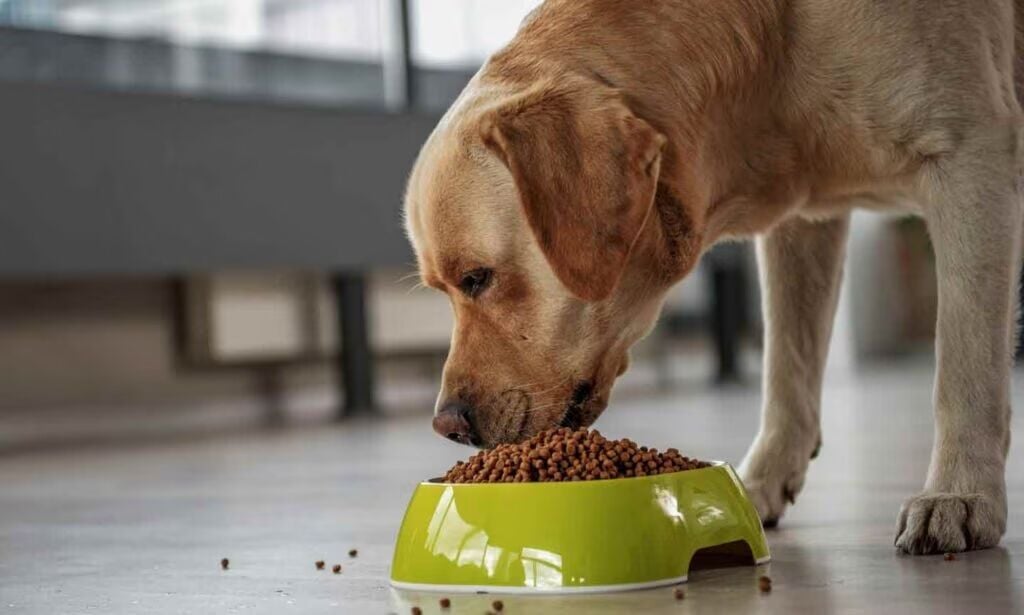
Credit: www.eacourier.com
Switching Process
Switching your dog from puppy food to adult dog food requires care and patience. The process should be smooth to avoid upsetting your dog’s stomach. A sudden change can cause digestive problems and make your dog reluctant to eat. Gradually introducing the new food helps your dog adjust to the new taste and nutrients. Watching your dog’s reaction during this phase is important to ensure they stay healthy and happy.
Gradual Transition Tips
- Start by mixing 25% adult food with 75% puppy food.
- Increase the adult food amount by 25% every few days.
- Continue until your dog eats only adult food.
- Keep feeding times regular and consistent.
- Offer fresh water alongside meals.
Avoiding Digestive Issues
Switching food too fast may cause diarrhea or vomiting. Watch for signs like loose stools or gas. If problems appear, slow down the transition. Feed smaller portions and increase time between changes. Choose high-quality adult dog food with gentle ingredients. Avoid giving treats or table scraps during the switch.
Monitoring Your Dog’s Response
Observe your dog’s appetite and energy levels daily. Look for changes in stool consistency and frequency. Check for skin problems or itching, which might signal allergies. Keep a feeding journal to track progress. Consult your vet if your dog shows persistent issues or refuses food.
Common Mistakes To Avoid
Transitioning your dog to adult food is an important step. Mistakes during this period can affect your dog’s health and growth. Avoiding common errors ensures a smooth switch and keeps your dog happy and healthy.
Switching Too Early
Changing your dog’s diet too soon can cause digestive upset. Puppies need specific nutrients to grow strong. Adult food may lack these essential nutrients. Wait until your vet confirms your dog is ready. Premature switching can lead to poor development and energy loss.
Ignoring Signs Of Food Intolerance
Watch for signs like vomiting, diarrhea, or itching. These symptoms may show your dog cannot tolerate new food. Ignoring these signs can worsen health problems. Introduce new food slowly and observe your dog carefully. Consult your vet if any issues arise.
Overfeeding Or Underfeeding
Feeding too much adult food can cause obesity and health problems. Feeding too little may lead to malnutrition and weakness. Follow feeding guidelines on the food package. Adjust portions based on your dog’s size, activity, and age. Regular weight checks help maintain the right amount.
Long-term Health Benefits
Switching your dog to adult food at the right time does more than just meet their immediate nutritional needs. It sets the stage for their long-term health, helping them stay active and happy for years. Understanding the lasting benefits can guide you to make better feeding choices that truly support your dog’s well-being.
Maintaining Healthy Weight
Adult dog food is designed to balance calories and nutrients to prevent weight gain or loss. Overfeeding puppy food beyond the growth stage can lead to unnecessary weight, which strains your dog’s heart and joints.
Have you noticed your dog gaining extra pounds after six months? That’s a sign to adjust their diet. Choosing the right adult formula helps keep their weight steady, reducing the risk of obesity-related problems.
Supporting Joint Health
Many adult dog foods include ingredients like glucosamine and omega-3 fatty acids, which support joint health and mobility. This is crucial as your dog’s growth plates close and they become more active in different ways.
Think about how your dog moves. Stiffness or reluctance to play might mean their joints need more support. Feeding adult food tailored for joint health can help prevent arthritis and keep their movements smooth.
Boosting Immune System
Adult dog food often contains antioxidants and essential vitamins that strengthen the immune system. A strong immune system helps your dog fight off infections and recover faster from illnesses.
Have you ever wondered why some dogs bounce back quickly from a cold while others linger? The right nutrition plays a huge role. Feeding your dog adult food with immune-boosting ingredients gives them a better defense against health challenges.
Frequently Asked Questions
When Is The Right Age To Switch To Adult Dog Food?
Most dogs should switch to adult dog food around 12 months old. Large breeds may transition at 18-24 months. This timing supports proper growth and nutrition for adult dogs.
How Can I Tell If My Dog Is Ready For Adult Food?
Look for signs like slowed growth and increased activity. Consult your vet to ensure the transition suits your dog’s breed and health.
What Risks Come From Early Adult Dog Food Feeding?
Feeding adult food too early can cause nutrient imbalances. Puppies need puppy-specific nutrients for growth that adult food may lack.
Should Small And Large Breeds Switch At Different Times?
Yes, small breeds mature faster, switching at 9-12 months. Large breeds need longer puppy nutrition, switching at 18-24 months.
Conclusion
Choosing the right time for adult dog food is important. Puppies need special nutrition to grow strong. Around one year old, many dogs are ready to switch. Watch your dog’s size, weight, and activity to decide. Talk with your vet for the best advice.
Changing food too soon or too late can cause problems. Keep your dog’s health and happiness as a priority. Feeding the right food helps your dog live a long, healthy life. Pay attention, be patient, and your dog will thrive.