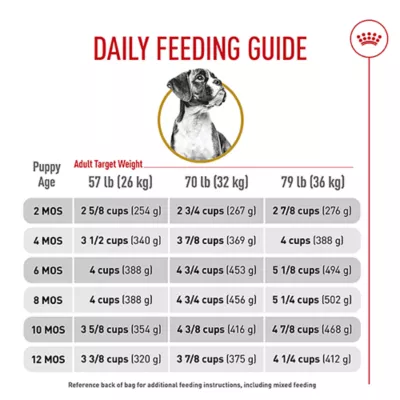

You want the best for your dog, especially when it comes to their food. But when do you start giving your dog adult food?
It’s a question every dog owner faces. Feeding your dog the right food at the right time affects their health, energy, and happiness. If you switch too early or too late, it could cause problems. Keep reading to discover the signs that show your dog is ready for adult food and how to make the change smoothly.
Your dog’s well-being depends on it.

Credit: jiminys.com
Puppy Nutrition Needs
Puppy nutrition plays a vital role in healthy growth and development. Puppies need food that supports strong bones, muscles, and organs. Their energy needs are higher than adult dogs because they grow fast. Proper nutrition helps build a good immune system and keeps their coat shiny. Giving puppies the right food ensures they get all essential vitamins and minerals.
Growth Stages In Dogs
Puppies grow quickly in the first year. Growth stages differ by breed size and age:
- Neonatal Stage:Birth to 2 weeks, rely on mother’s milk.
- Transitional Stage:2 to 4 weeks, eyes and ears open.
- Socialization Stage:4 to 12 weeks, start eating soft foods.
- Juvenile Stage:3 to 6 months, rapid growth and teething.
- Adolescent Stage:6 to 12 months, growth slows, but energy stays high.
Each stage requires specific nutrients to support growth and brain development.
Nutritional Differences Between Puppy And Adult Food
Puppy food has more calories and nutrients than adult food. It helps meet higher energy needs. Key differences include:
- Higher protein levels for muscle growth.
- More fat for energy and brain development.
- Added DHA for healthy brain and eye function.
- Balanced calcium and phosphorus for strong bones.
- Vitamins and minerals to support immune health.
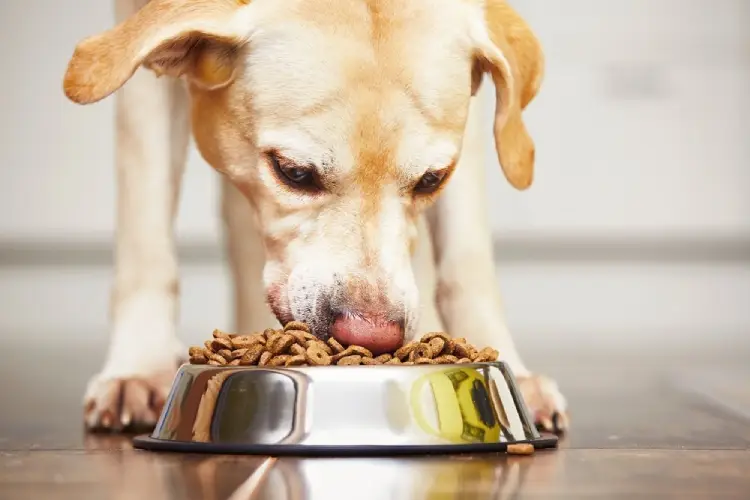
Adult dog food has fewer calories and less fat. Feeding puppies adult food too early can slow growth. It may lack nutrients puppies need. Feeding the right food at the right time helps puppies grow strong and healthy.
Credit: www.webbox.co.uk
Signs To Switch To Adult Food
A dog’s growth slows as it nears adulthood, signaling the need for adult food. Notice changes in size, energy, and teeth to decide the right time. Switching at the proper age helps meet your dog’s nutritional needs.
Signs to Switch to Adult Food Transitioning your dog to adult food is a vital step. It ensures they receive nutrients suited for their age. Recognizing signs indicating this change is crucial. Let’s explore these signs.Physical Indicators
Observe your dog’s growth. A smaller growth rate suggests adult food is needed. Check their weight. Adult food suits dogs nearing their ideal weight. Evaluate their teeth. Adult teeth show a need for mature nutrition.Behavioral Changes
Watch their activity levels. Less playful dogs might need adult food. Notice their eating habits. Increased hunger may signal the need for heartier meals. Observe any digestive changes. Adults may have different digestive needs.Ideal Age For Transition
Choosing the right time to switch your puppy to adult dog food is important for healthy growth. The ideal age depends on your dog’s breed and size. Feeding adult food too early can miss essential nutrients for growth. Feeding it too late can lead to excess weight or poor digestion. Understanding the timelines helps make the transition smooth and safe.
Small Breeds Timeline
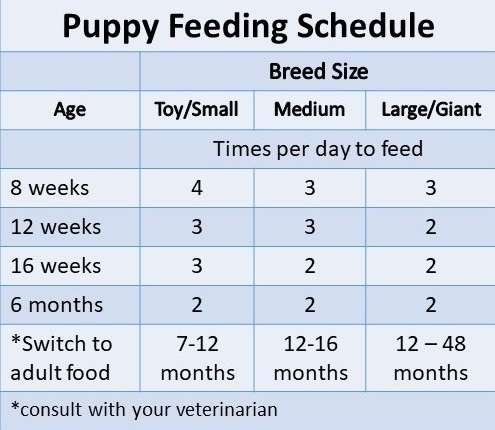
Small breed dogs grow faster than larger breeds. They often reach full size earlier. Most small breeds are ready for adult food between 9 and 12 months. At this stage, their growth plates close, and energy needs change.
- Switch gradually over 7-10 days to avoid stomach upset
- Choose adult food formulated for small breeds
- Monitor weight and energy levels closely
Medium And Large Breeds Timeline
Medium and large breeds grow more slowly. They need puppy food longer to support bone and muscle development. The transition to adult food usually happens between 12 and 18 months.
- Large breeds may benefit from food designed for joint health
- Switch slowly to prevent digestive issues
- Watch for signs of readiness, like steady weight and slower growth
How To Transition Smoothly
Transitioning your dog from puppy food to adult food is a crucial step that requires care and attention. A smooth switch helps avoid digestive upsets and ensures your dog continues to get the right nutrients. You want to make this change as easy as possible for both you and your furry friend.
Gradual Food Mixing
Start by mixing a small amount of adult food into your dog’s current puppy food. Aim for about 25% adult food and 75% puppy food during the first few days. This gentle change gives your dog’s stomach time to adjust.
Slowly increase the adult food portion while decreasing the puppy food over 7 to 10 days. Watch how your dog reacts to the new taste and texture. If your dog refuses the food or shows signs of stomach upset, slow down the transition even more.
Monitoring Health During Switch
Keep a close eye on your dog’s digestion and energy levels throughout the transition. Look for signs like diarrhea, vomiting, or decreased appetite. These can indicate the switch is too fast or the new food isn’t agreeing with your dog.
Regularly check your dog’s weight and coat condition as these reflect overall health. If you notice any issues, consult your vet promptly. Have you noticed how small changes in diet can suddenly affect your dog’s mood or behavior?
Choosing The Right Adult Food
Choosing the right adult food for your dog is essential for their health and happiness. Adult dog food provides balanced nutrition to support energy, growth, and overall well-being. Picking the right formula helps maintain a healthy weight and strong immune system. Consider your dog’s breed, size, and activity level when selecting food. Quality ingredients ensure your dog gets the best care possible.
Key Nutrients To Look For
- Protein:Supports muscle maintenance and energy.
- Fat:Provides essential fatty acids for skin and coat health.
- Carbohydrates:Supply energy and aid digestion.
- Vitamins and Minerals:Boost immune function and bone strength.
- Fiber:Helps with digestion and weight control.
Special Dietary Needs
Some dogs need specific diets due to allergies or health issues. Sensitive stomachs may require easily digestible ingredients. Large breeds benefit from joint-supporting nutrients like glucosamine. Older dogs might need lower calories to avoid weight gain. Consult your vet for advice on special diets. Tailoring food to your dog’s needs improves their quality of life.
Common Mistakes To Avoid
Feeding your dog adult food at the right time is very important. Many pet owners make mistakes that can affect their dog’s health and growth. Knowing what to avoid helps keep your dog healthy and happy. Here are some common mistakes to watch out for.
Switching Too Early Or Late
Switching your dog to adult food too early can cause nutritional problems. Puppies need special nutrients to grow strong. Adult food might not have enough of these nutrients.
Waiting too long to switch can also cause issues. Adult dogs need a different balance of nutrients. Puppy food can lead to weight gain or other health problems if given too long.
Watch your dog’s size and behavior. Most dogs switch between 9 to 12 months. Large breeds may need more time, while small breeds can switch earlier.
Ignoring Breed-specific Needs
Different breeds have different needs. Large breeds grow slower and need special adult food formulas. Small breeds may need food with higher calories and nutrients.
Ignoring these needs can cause joint or weight issues. Choose food based on your dog’s breed size and activity level.
Consult your vet for advice. They can help choose the right food and timing for your dog.
Credit: www.vetsupply.com.au
Frequently Asked Questions
When Should I Switch My Dog To Adult Food?
You should switch your dog to adult food around 12 months old. Large breeds may need more time, up to 18-24 months. Consult your vet for breed-specific guidance.
How To Know If My Dog Is Ready For Adult Food?
Look for signs like slowed growth and less puppy energy. Your vet can confirm readiness based on weight and development milestones.
What Happens If I Feed Adult Food Too Early?
Feeding adult food too early can cause nutritional imbalances. Puppies need extra protein and calories for growth that adult food lacks.
Can I Mix Puppy And Adult Dog Food?
Yes, you can gradually mix puppy and adult food over 7-10 days. This helps your dog adjust without digestive upset.
Conclusion
Feeding your dog adult food at the right time helps their growth. Most dogs switch around one year old. Watch your dog’s size and energy for clues. Choose food that fits their age and health needs. Changing food slowly keeps their tummy happy.
Good nutrition supports a strong, healthy dog. Remember, every dog is unique. Check with your vet if unsure. Healthy food means a happy dog. Simple steps make feeding easy and safe. Your dog will thank you with love and energy.
