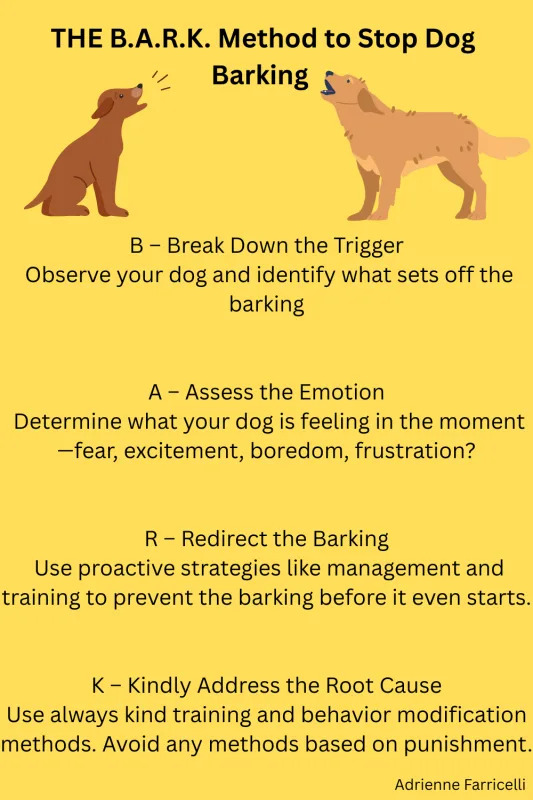

Is your dog constantly barking at every person who passes by? It can be frustrating and embarrassing, especially when guests come over or you’re out for a walk.
But imagine having a calm, well-behaved dog who stays quiet and relaxed around people. You can make that happen. You’ll discover simple, effective steps to train your dog to stop barking at people. By the end, you’ll feel confident and ready to enjoy peaceful moments with your furry friend—no more unwanted noise or stress.
Keep reading to learn how to transform your dog’s behavior for good.
Reasons Dogs Bark At People
Understanding why your dog barks at people is the first step toward changing that behavior. Dogs communicate through barking, but not all barks mean the same thing. Pinpointing the reasons behind the barking helps you respond effectively and calmly.
Common Triggers
Many dogs bark at people because they feel threatened or uncertain. It could be a stranger approaching your home or someone walking too close too fast. Sometimes, even a simple movement or unfamiliar noise can set off your dog’s barking.
Think about your dog’s behavior: does your dog bark more when people wear hats or carry bags? These small details matter. Identifying specific triggers allows you to prepare your dog gradually and reduce their anxiety.
Breed Tendencies
Different breeds have different barking habits. Some dogs, like terriers and herding breeds, naturally bark more to alert or control their environment. Others, like hounds, might use barking to express excitement or chase instincts.
Knowing your dog’s breed traits can guide your training approach. If your dog is a breed known for alert barking, you might need to teach them when barking is appropriate and when to stay quiet.
Environmental Factors
The environment your dog lives in influences their barking behavior. A busy street with lots of foot traffic can overstimulate your dog and cause constant barking. On the other hand, a calm, quiet neighborhood might reduce the urge to bark at every passerby.
Have you noticed your dog barks more during certain times of day or in specific places? These patterns can offer clues. Adjusting your dog’s environment, such as creating a safe space indoors or using visual barriers outside, can help control excessive barking.
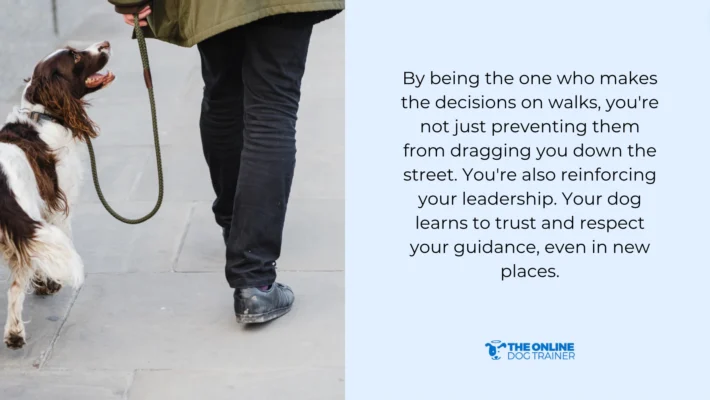
Credit: theonlinedogtrainer.com
Basic Training Principles
Training your dog not to bark at people starts with understanding a few basic principles. These fundamentals help you create a clear and positive learning environment for your dog. Without these, your efforts might feel frustrating or ineffective.
Positive Reinforcement
Rewarding your dog for good behavior works better than punishing bad behavior. When your dog stays calm instead of barking, immediately give a treat or praise. This tells your dog that being quiet brings rewards.
Try to catch your dog in the act of not barking rather than waiting for a mistake. For example, if someone walks by and your dog remains silent, say “Good quiet!” and offer a treat. This positive focus helps your dog understand exactly what you want.
Consistency And Patience
You need to be consistent in your approach every time your dog encounters a person. Mixed signals confuse your dog and slow down progress. Decide on a command or cue, such as “Quiet,” and use it every time.
Patience is key because changing behavior takes time. If you get frustrated, your dog will sense it and may become anxious or stubborn. Keep calm and stick to the routine even if progress seems slow.
Have you noticed how small, steady steps often lead to the biggest changes? Training your dog to stop barking at people is no different. What small change will you start with today?
Teaching Quiet Commands
Teaching your dog to be quiet on command can be transformative. It helps control unwanted barking and fosters better communication. Your dog learns to understand and respect boundaries. A quiet environment benefits both you and your furry friend.
Using ‘quiet’ And ‘enough’
Start by picking a calm moment with your dog. Use a firm voice to say ‘Quiet’ or ‘Enough’ when barking occurs. Consistency is key. Ensure everyone in the house uses the same word. Praise your dog the moment they stop barking. Repeat this exercise daily for best results.
Rewarding Silence
Rewards encourage your dog to follow commands. Use treats or toys when they stop barking. This creates a positive association with silence. Gradually, the dog learns silence brings rewards. Always reward immediately after the dog becomes quiet. This reinforces good behavior.
Desensitization Techniques
Desensitization techniques help your dog get used to triggers that usually cause barking. The goal is to reduce the dog’s reaction by gently exposing them to what bothers them, but in a way that feels safe and manageable. You’ll see your dog become calmer over time, which makes walks and visits much more enjoyable.
Controlled Exposure
Controlled exposure means introducing your dog to people in a way you can manage. Start by having someone your dog knows stand at a distance where your dog notices them but doesn’t bark. This distance is your starting point.
Keep your dog on a leash and reward calm behavior with treats or praise. If your dog barks, increase the distance until they are quiet again. This teaches your dog that staying calm is more rewarding than barking.
Have you ever noticed how your dog reacts differently when you’re nearby? Your presence can be a powerful tool in making your dog feel secure during these exposures.
Gradual Increase Of Stimuli
Once your dog is calm at a distance, slowly bring the person closer over several sessions. Don’t rush; progress depends on your dog’s comfort level. If your dog starts barking, step back to a distance where they remain calm.
This step-by-step increase helps your dog build confidence. You can also add more distractions gradually, like different people, noises, or environments. These small challenges prepare your dog for real-life situations without overwhelming them.
Think about how you feel when meeting new people. Would you prefer a quick introduction or a gradual, friendly approach? Your dog feels the same way.
Redirecting Attention
Redirecting your dog’s attention helps stop barking at people. Dogs often bark because they feel excited, scared, or alert. Shifting their focus to something else can calm them down quickly. This technique teaches your dog to choose a better behavior over barking.
Using Toys And Commands
Offer your dog a favorite toy to distract them. Toys like chew bones or tug ropes keep their mouth busy. Use simple commands like “sit,” “stay,” or “look” to regain control. Practice these commands regularly in calm moments. Reward your dog with treats or praise when they obey. This builds a positive connection between good behavior and rewards.
Engaging In Alternative Activities
Replace barking with fun activities to keep your dog engaged. Play short games like fetch or hide-and-seek indoors. Take your dog for a quick walk to change the environment. Puzzle feeders or treat-dispensing toys work well to occupy their mind. These activities reduce boredom and stress, lowering the chance of barking. Keep sessions short and enjoyable to hold their interest.

Credit: www.youtube.com
Avoiding Reinforcement Of Barking
Stopping your dog from barking at people starts with understanding how your reactions can either encourage or discourage the behavior. Dogs quickly learn what gets your attention, and barking often becomes their way to communicate or get what they want. If you unknowingly reward barking, you reinforce it, making it harder to control.
Ignoring Attention-seeking Barks
When your dog barks to get your attention, your immediate response matters. If you look at them, talk, or pet them, you tell your dog that barking works. Instead, try to calmly turn away or avoid eye contact until the barking stops.
It’s tough to ignore a noisy dog, but patience pays off. Your dog will learn that silence, not barking, earns your attention. Have you noticed how children stop whining when you stop responding? Dogs behave similarly.
Preventing Unintentional Rewards
Sometimes, rewards come without you realizing it. If you open the door while your dog is barking at a visitor, they might think barking is the way to greet people. Try to open the door only when your dog is quiet, so they associate calmness with positive outcomes.
Other unintentional rewards include giving treats, toys, or even scolding during barking episodes. Each action can reinforce the behavior. Instead, save treats and praise for moments when your dog remains calm around people.
When To Seek Professional Help
Training a dog to stop barking at people can be challenging. Sometimes, the issue is beyond simple training. Knowing when to seek professional help can save time and reduce stress for both you and your dog. Professionals bring experience and tools that can address deeper problems.
Identifying Problematic Behavior
Not all barking needs professional attention. Barking that is constant, aggressive, or causes fear is a sign of a bigger issue. If your dog shows signs of anxiety or attacks, help is necessary. Sudden changes in barking habits can also indicate a problem. Professionals can assess if the behavior is due to fear, territorial instincts, or poor socialization.
Choosing A Trainer Or Behaviorist
Choose a trainer with experience in barking and behavior problems. Look for certifications from recognized organizations. A good trainer listens to your concerns and observes your dog carefully. Behaviorists handle complex cases involving fear or aggression. Trainers focus more on obedience and basic commands. Make sure their methods are positive and reward-based. Avoid trainers who use punishment or harsh tools.
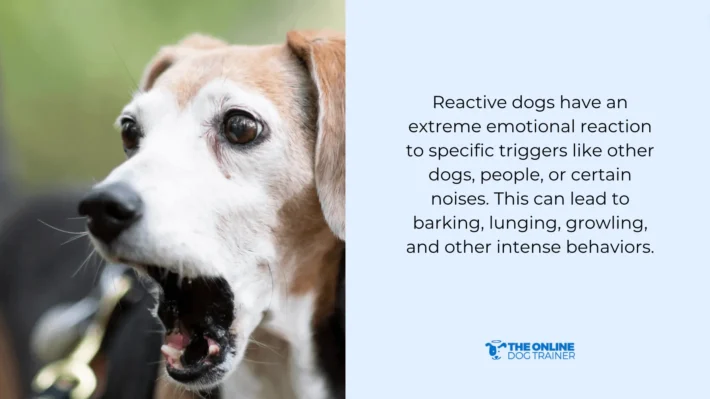
Credit: theonlinedogtrainer.com
Frequently Asked Questions
How To Stop My Dog From Barking At Strangers?
Consistently train your dog with positive reinforcement. Use commands like “quiet” and reward silence. Gradually expose your dog to strangers to reduce fear and excitement.
Why Does My Dog Bark At People Outside?
Dogs bark to alert or protect their territory. Barking at strangers may be due to fear, excitement, or lack of socialization. Training helps reduce this behavior.
What Training Tools Help Reduce Barking?
Use treats, clickers, and calm voice commands to reward quiet behavior. Avoid punishment as it can increase anxiety and barking.
How Long Does It Take To Train Barking Behavior?
Training duration varies by dog but expect consistent daily practice for weeks. Patience and regular reinforcement are key to success.
Conclusion
Training your dog not to bark at people takes time and patience. Consistent practice helps your dog learn good behavior. Reward calm and quiet moments to encourage silence. Stay calm and confident while guiding your dog. Remember, small steps lead to big progress.
Your dog will become more relaxed around visitors. Enjoy a peaceful home with a well-trained dog. Keep training sessions short and positive for best results. Patience and kindness make training easier for both of you.