Thinking about traveling by train with your dog? You’re probably wondering if your furry friend can join you on board.
Whether it’s a quick trip or a longer journey, knowing the rules and what to expect can save you time and stress. You’ll discover everything you need to know about bringing your dog on a train. From ticket options to comfort tips, you’ll be ready to make the ride smooth and enjoyable for both you and your pet.
Keep reading to find out how to make your train trip with your dog hassle-free!
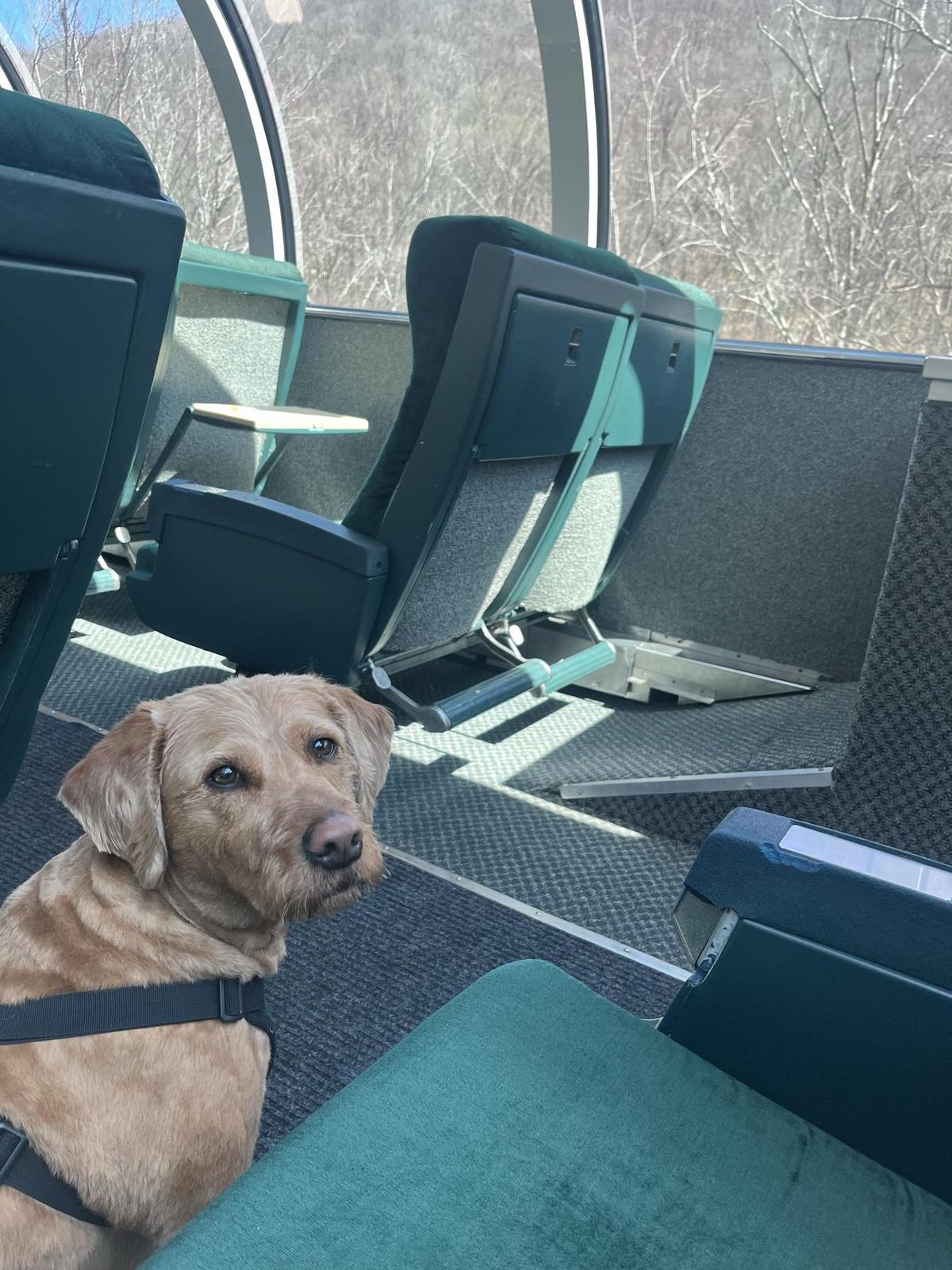
Credit: www.bringfido.com
Train Pet Policies
Train pet policies vary by company and region. Knowing these rules helps avoid surprises and ensures a smooth trip with your dog. Policies cover the types of trains pets can ride, size limits, and required papers. Understanding these details makes travel easier for both you and your pet.
Types Of Trains Allowing Pets
Not all trains welcome pets. Local and regional trains often allow dogs on board. High-speed and long-distance trains may have stricter rules or ban pets. Some trains require pets to stay in carriers or designated areas. Check the specific train service for pet allowances before booking.
Breed And Size Restrictions
Many train companies limit the size or breed of dogs allowed. Small dogs usually travel in carriers under the seat. Larger dogs may need special tickets or be allowed only on certain trains. Some breeds might be banned due to safety concerns. Always check breed and size rules before traveling.
Pet Documentation Requirements
Most trains require proof of vaccination and health. A recent vet certificate may be needed to show your dog is fit to travel. Some routes ask for pet passports or identification tags. Carry all documents in case staff requests them during the trip. This keeps your journey hassle-free.
Booking Your Ticket
Booking your ticket when traveling with your dog requires careful attention to details that many pet owners might overlook. It’s not just about securing a seat; you need to ensure your furry friend is also accounted for properly. Understanding the fees, the reservation steps, and where to sit can make your journey smooth and stress-free.
Pet Fees And Charges
Most train companies charge a fee for bringing a dog on board. These fees can vary widely depending on the train operator and the size of your pet.
- Small dogs often travel for a fixed, lower fee.
- Larger dogs might require a higher fee or a separate ticket.
- Some services offer free travel for pets under a certain weight.
Check the company’s website before booking to avoid surprises. Have you ever booked a ticket only to find out the pet fee was higher than expected? It’s a frustrating experience you can easily prevent by confirming this early.
Reservation Process For Pets
Not all train services allow pets without prior notice. You usually need to mention your dog during the ticket booking process.
- Some platforms have a specific option to add a pet to your reservation.
- If the option is not visible, call customer service to reserve a spot for your dog.
- Make sure to get confirmation that your pet is included in the booking.
Failing to reserve your dog’s spot might mean you have to travel separately or even be denied boarding. Do you want to risk missing your trip because of this? Always double-check the reservation requirements for pets.
Choosing The Right Seat
Your dog’s comfort during the trip depends a lot on where you sit. Some trains have designated pet-friendly areas or compartments.
- Avoid seats near food service areas where pets might disturb other passengers.
- Try to pick a window seat so your dog can stay calm looking outside.
- If available, book a seat with extra space for your dog’s carrier or leash.
Have you ever noticed how much calmer pets are when they have a little extra room? Choosing the right seat helps reduce stress for both you and your dog.
Preparing Your Dog For Travel
Train travel with your dog requires checking the train’s pet policy first. Prepare your dog by bringing a comfortable carrier and some water for the trip. Familiarize your dog with the carrier to make the journey calm and safe.
Preparing your dog for a train journey can be both an exciting and daunting task. Ensuring your furry friend is ready for travel will make the trip enjoyable for both of you. Here, you’ll find practical tips and insights to help your dog have a stress-free experience on the train.Crate And Carrier Tips
A comfortable crate or carrier is essential for your dog’s travel safety. Choose a carrier that’s spacious enough for your dog to stand, turn, and lie down comfortably. Introduce the carrier at home, allowing your dog to explore and get comfortable inside it. You might place a favorite blanket or toy in there to make it feel more inviting. Ensure the crate is well-ventilated and secure, with sturdy locks to prevent accidental openings during the journey.Pre-trip Exercise And Feeding
Exercise is a great way to burn off excess energy before a long journey. Take your dog for a walk or play a game of fetch to help them relax. Feed your dog a light meal a few hours before departure. A full stomach can lead to discomfort, especially if your dog is prone to motion sickness. Remember to take your dog for a bathroom break just before boarding the train. This can prevent any accidents and keep your trip stress-free.Health Checks And Vaccinations
A visit to the vet can ensure your dog is fit for travel. Make sure your dog’s vaccinations are up-to-date, as some train services may require proof. Discuss any travel concerns with your vet, such as anxiety or motion sickness, as they might recommend appropriate solutions. Pack a small first-aid kit for your dog, including any medications they might need during the trip. This preparation can offer peace of mind for you and comfort for your pet. By considering these tips, you’re not just preparing your dog for a train journey—you’re making a commitment to their well-being. How will you ensure your next trip is a tail-wagging success?During The Train Journey
Traveling with your dog on a train requires some care to ensure a smooth journey. Keeping your dog comfortable and well-behaved helps everyone enjoy the ride. Small actions make a big difference during the trip.
Keeping Your Dog Calm
Bring your dog’s favorite blanket or toy to create a safe space. Speak softly to soothe your pet. Avoid sudden movements or loud noises that may scare your dog. Give treats for good behavior. Regular petting can reduce anxiety and keep your dog relaxed.
Handling Bathroom Breaks
Plan bathroom breaks before boarding the train. Use designated pet relief areas at stations if available. Bring absorbent pads in case of accidents inside the train. Carry waste bags to clean up after your dog. Stay alert for signs your dog needs a break.
Interacting With Other Passengers
Not everyone loves dogs, so respect personal space. Keep your dog on a leash or in a carrier. Ask before allowing others to pet your dog. Watch for passengers who may feel uneasy. A polite approach makes the journey pleasant for all.
Safety And Comfort
Ensuring your dog’s safety and comfort during train travel is vital. A calm and secure pet makes the journey pleasant for everyone. Planning ahead helps prevent stress and accidents. Understanding key tips can keep your dog safe and relaxed on board.
Securing Your Dog On Board
Use a sturdy leash or harness to control your dog. A well-fitted collar with ID tags is essential. Carry a comfortable carrier for small dogs. Place the carrier under the seat if allowed. For larger dogs, keep them close and on a leash. Avoid letting your dog roam freely in the train car. This reduces the risk of injury or disturbance. Bring familiar blankets or toys to create a safe space.
Managing Motion Sickness
Some dogs feel sick during travel. Feed your dog a light meal a few hours before the trip. Avoid heavy or greasy food. Offer water, but not too much at once. Watch for signs like drooling, whining, or yawning. Take breaks during long trips to let your dog stretch. Consult a vet about anti-nausea medication if needed. Keep your dog facing forward to reduce dizziness. Stay calm to help your dog relax.
Weather Considerations
Check the weather before traveling with your dog. Avoid traveling in extreme heat or cold. Hot train stations can cause overheating. Cold weather may make your dog uncomfortable. Bring water to keep your dog hydrated in warm weather. Use a blanket or coat in cold weather. Never leave your dog alone in a parked train or station. Choose travel times with mild weather for the best comfort.
International Train Travel With Dogs
Taking your dog on an international train journey can be a rewarding experience, but it requires careful preparation. Different countries have their own rules and policies, so knowing what to expect is crucial. Planning ahead helps avoid surprises and makes traveling smoother for both you and your furry friend.
Cross-border Pet Regulations
Each country sets specific regulations for pets entering by train. You usually need a valid pet passport or health certificate. Some nations require vaccinations like rabies, and these must be up-to-date.
Check the size and breed restrictions too. Some countries ban certain dog breeds or require muzzles and leashes during travel. Understanding these rules before booking your ticket will save you stress at the border.
Customs And Quarantine Rules
Customs procedures vary widely. Some countries allow immediate entry with paperwork, while others impose quarantine periods to prevent disease spread.
Quarantine might mean leaving your dog in a special facility for days or weeks. Ask yourself if your dog can handle separation and unfamiliar environments. Some countries also require microchipping and parasite treatments before arrival.
Planning For Long-distance Trips
Long train rides demand extra preparation. Bring enough food and water for your dog, and pack familiar toys or blankets to reduce anxiety.
Plan regular breaks if possible, so your dog can stretch and relieve itself. Think about your dog’s comfort during the trip—will the train allow carriers or can your dog sit beside you? Research the train’s pet policies carefully.
Have you considered how your dog reacts to crowds and noise? Some dogs handle travel well, others get stressed. Preparing for these challenges beforehand can make your journey enjoyable.
Alternative Pet Travel Options
If bringing your dog on a train isn’t possible or practical, there are several alternative ways to ensure your pet travels safely and comfortably. These options can suit different budgets, distances, and your pet’s temperament. Considering these choices might save you stress and provide a better experience for both you and your furry friend.
Using Pet Transport Services
Pet transport services specialize in moving animals safely from one location to another. These professionals know how to handle pets during travel, whether by air, road, or rail. You can choose services that offer door-to-door delivery, which means less hassle and worry for you.
Think about the last time you needed to travel a long distance with your dog but couldn’t take them along. Using a pet transport service could be a lifesaver. They often provide climate-controlled carriers and regular updates on your pet’s condition.
Traveling By Bus Or Car
Sometimes a bus or a car trip is easier than taking a train with your dog. Many bus companies allow small pets if they stay in carriers, but rules vary, so check before you book. Traveling by car gives you full control over stops, breaks, and your dog’s comfort.
Driving can turn into a bonding experience, but it also means planning for bathroom breaks and water. Have you ever noticed how your dog reacts to car rides? Some pets enjoy the adventure, while others need extra calming measures. Adjust your travel plan accordingly.
Hiring A Pet Sitter
If traveling with your dog isn’t an option, hiring a pet sitter might be the best choice. A sitter stays with your dog at home or takes them to their own place, ensuring your pet gets personalized attention. This option reduces the stress your dog might feel from unfamiliar travel.
Choosing a sitter requires trust, so meet them first and observe how they interact with your dog. Many pet sitters offer updates and photos during your trip, which can ease your mind. Have you ever left your pet with a sitter? How did it affect your peace of mind?
Credit: www.flava.co.nz
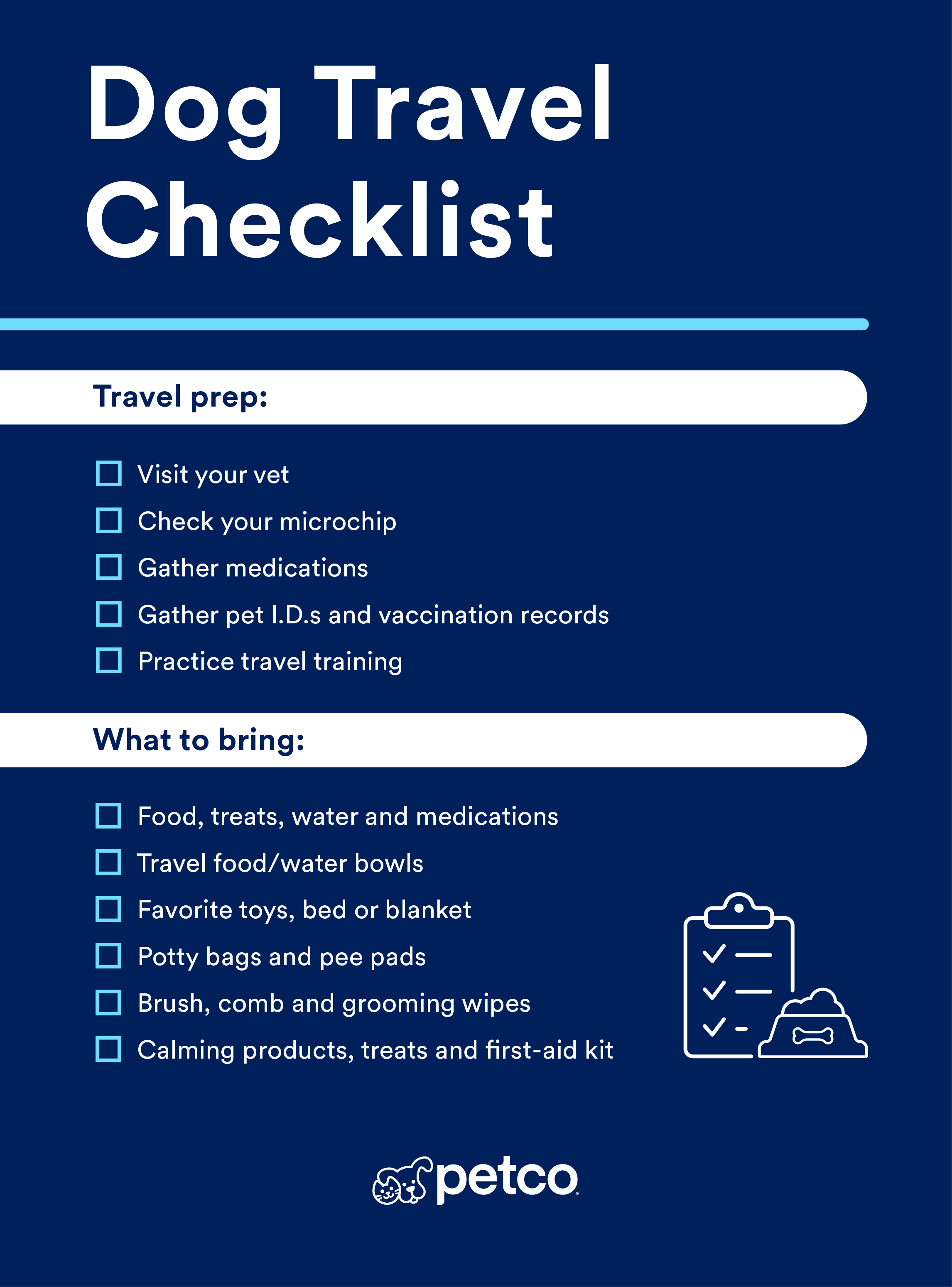
Credit: www.petco.com
Frequently Asked Questions
Can I Bring My Dog On A Train In The Us?
Yes, most US trains allow dogs but have size and leash rules. Check the specific train service for their pet policy before traveling.
Are There Any Fees For Bringing Dogs On Trains?
Some train companies charge a small fee or require a pet ticket. Always verify fees in advance to avoid surprises during boarding.
What Size Dogs Are Allowed On Trains?
Small to medium dogs in carriers are usually accepted. Larger dogs may need special arrangements or might not be allowed.
Do I Need To Keep My Dog In A Carrier On Trains?
Many train services require pets to stay in carriers or be leashed. This ensures safety and comfort for all passengers.
Conclusion
Traveling with your dog on a train can be simple and fun. Most trains allow small pets if they stay in a carrier. Always check the train’s pet rules before booking your ticket. Keep your dog calm and comfortable during the ride.
Carry water and some treats for your pet. Respect other passengers and keep your dog close. Train trips with dogs can create happy memories for both of you. Plan ahead, follow the rules, and enjoy the journey together.