
You want the best for your furry friend, especially when it comes to their diet. But how do you know when your puppy is ready to switch from puppy food to adult dog food?
Making this change at the right time is crucial for your dog’s health and energy levels. If you switch too early or too late, it could affect their growth and overall well-being. Keep reading, and you’ll discover the signs to watch for and how to make the transition smooth and stress-free for both you and your dog.

Credit: www.tractorsupply.com
Signs Your Dog Is Ready
Knowing when to switch your dog to adult food is crucial for their health and development. Dogs show clear signs when they are ready to transition, but it’s not always obvious at first. Paying attention to specific signals can help you make the right choice at the right time.
Age Milestones
Most dogs are ready to start adult dog food around 12 months old, but this varies by breed and size. Smaller breeds may be ready closer to 9 months, while larger breeds often need up to 18 months to fully mature. Check your vet’s advice based on your dog’s breed to avoid switching too early or too late.
Behavioral Changes
Have you noticed your dog’s appetite shifting or their energy levels changing? Adult food supports different energy needs, so if your pup seems less hyper and more focused, this could be a sign. Also, if your dog starts showing less interest in puppy treats and prefers more substantial meals, it might be time to switch.
Growth Indicators
Is your dog’s growth slowing down or have they reached their adult size? Puppies grow rapidly, but once they hit their full height and weight, their dietary needs change. You can track their growth by measuring weight or noting changes in body shape—less puppy fat and more muscle tone often means adult food is appropriate.
Choosing The Right Adult Food
Choosing the right adult dog food sets the foundation for your dog’s health and happiness. This decision impacts their energy, coat shine, and even their lifespan. You want to provide a meal that meets their needs without overwhelming you with complicated options.
Nutritional Needs
Your dog’s nutritional needs shift once they enter adulthood. Their food should have the right balance of protein, fats, and carbohydrates to keep them active and strong.
Proteins support muscle maintenance, while fats provide energy and keep the coat shiny. Carbohydrates fuel daily activities but should not be the main ingredient.
Look for foods that mention complete and balanced nutrition on the label, meeting standards set by organizations like AAFCO. Have you checked if your dog’s current diet covers these basics?
Breed And Size Considerations
Adult dogs come in all shapes and sizes, and their food should match that diversity. Large breeds often need diets that support joint health, while small breeds benefit from food designed for their faster metabolism.
For example, a Great Dane’s food might include glucosamine and chondroitin to protect its joints. Meanwhile, a Chihuahua’s meal may focus on smaller kibble size and more calorie-dense ingredients.
Think about your dog’s breed and size before buying food. Does the product specify who it’s best for? This small step can make a big difference in your dog’s comfort and health.
Quality Ingredients
High-quality ingredients lead to high-quality nutrition. Avoid foods with vague terms like “meat by-products” or excessive fillers such as corn and wheat.
Look for real meat listed as the first ingredient and whole foods like vegetables and fruits. These provide essential vitamins and minerals that keep your dog thriving.
Have you ever read the ingredient list closely? Sometimes, premium brands offer transparency that reveals exactly what your dog is eating. This can be the key to avoiding allergies and digestive issues.
Transitioning Gradually
Switching to adult dog food should happen slowly over several days. Mixing old and new food helps your dog adjust without stomach upset. Gradual change supports a smooth transition and better digestion.
Transitioning Gradually Switching your dog from puppy food to adult dog food is a significant milestone. It’s not just about filling their bowl with new kibble overnight. A gradual transition is key to ensure your dog’s digestive system adapts smoothly. This process can prevent upset stomachs and ensures your furry friend remains healthy and happy during the change.Mixing Old And New Food
Start by mixing a small amount of adult dog food with their current puppy food. A common approach is to begin with 75% puppy food and 25% adult food. Gradually increase the proportion of adult food over a week or two. This slow blend helps your dog get used to the new texture and taste. Plus, it gives their digestive system time to adjust. Have you ever noticed how your dog reacts to new treats? The same principle applies here.Monitoring Reaction
Keep an eye on your dog’s reaction throughout the transition. Look out for any signs of discomfort such as vomiting or diarrhea. If you notice any negative reactions, slow down the transition process. Sometimes, subtle changes like lethargy or a change in appetite can also be indicators. Wouldn’t you want to know if your friend wasn’t feeling their best? Your dog’s behavior can tell you a lot.Adjusting Portions
As you increase the adult food, pay attention to portion sizes. Adult dogs often require different calorie intakes than puppies. Adjust their portions to prevent weight gain or loss. Consult with your vet to determine the right amount based on your dog’s age, size, and breed. Have you ever considered how your dog’s lifestyle affects their diet? Active dogs might need more calories, while more sedentary ones might need less. Always aim for a balanced diet that supports your dog’s overall health.Handling Common Issues
Switching your dog to adult dog food can bring some challenges. These common issues are normal but need attention. Understanding how to handle them helps your dog adapt smoothly. Here are key problems you might face and ways to manage them.
Digestive Upset
Digestive upset often happens during food changes. Signs include diarrhea, vomiting, or gas. These symptoms usually pass within a few days. To ease this, gradually mix adult food with puppy food over 7-10 days.
Provide plenty of fresh water. Avoid sudden large meals. Smaller, frequent meals can help soothe your dog’s stomach.
Food Preferences
Dogs may refuse new food at first. The taste or texture might seem different. Try warming the food slightly to release aroma. Mixing a small amount of wet food can increase appeal.
Stay patient and consistent. Avoid giving treats or table scraps that distract from new food. Over time, most dogs accept the change.
Allergies And Sensitivities
Some adult dog foods contain ingredients that cause allergies. Watch for itching, redness, or ear infections. Digestive issues like vomiting or diarrhea can also signal sensitivities.
Choose limited ingredient or hypoallergenic formulas if needed. Consult your vet for advice and possible allergy tests. Always introduce new foods slowly to monitor your dog’s reaction.
Maintaining A Healthy Diet
Maintaining a healthy diet is essential when your dog starts eating adult dog food. Proper nutrition supports their growth, energy, and overall health. A well-planned diet helps prevent obesity and other health problems. Focus on balanced meals, feeding routines, and hydration to keep your dog strong and happy.
Balanced Meals
Provide a mix of proteins, fats, and carbohydrates in every meal. Adult dog food usually meets these needs, but check the label to be sure. Include vitamins and minerals like calcium and phosphorus for strong bones. Avoid feeding your dog too many treats or table scraps. Balanced meals keep your dog’s weight and energy in check.
Regular Feeding Schedule
Feed your dog at the same times each day. This helps with digestion and prevents overeating. Most adult dogs do well with two meals per day. Use measured portions based on your dog’s size and activity level. A regular schedule creates a routine your dog can trust.
Hydration Tips
Fresh water must always be available for your dog. Proper hydration supports digestion and helps regulate body temperature. Change water daily to keep it clean and fresh. Some dogs prefer running water, so a pet fountain can help. Watch for signs of dehydration like dry gums or lethargy.

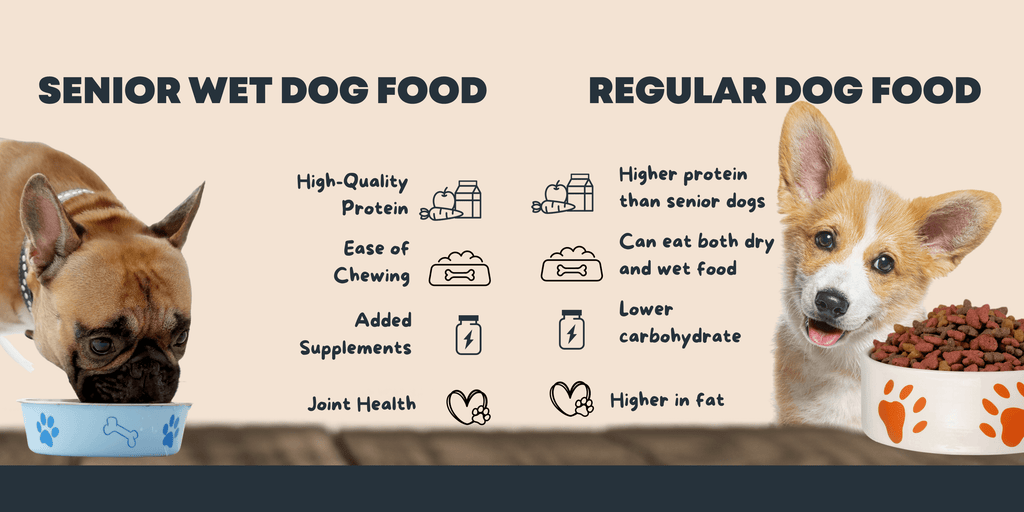
Credit: annamaet.com
When To Consult A Vet
Knowing when to consult a vet after switching your dog to adult food is crucial. Your pet’s health can change quickly, and catching issues early makes a big difference. Pay attention to any unusual signs or behaviors after the diet change.
Persistent Digestive Problems
If your dog experiences ongoing diarrhea, vomiting, or constipation after the switch, it’s a red flag. Occasional tummy upset is normal, but persistent problems signal that something might be wrong. Your vet can identify if the food is unsuitable or if there’s an underlying health issue.
Weight Concerns
Noticeable weight loss or gain soon after starting adult food should never be ignored. Rapid changes in weight can affect your dog’s energy and overall health. A vet can help adjust the diet or check for medical conditions that might be causing these changes.
Behavioral Changes Related To Diet
Has your dog become unusually lethargic, irritable, or lost interest in playing? Sometimes diet changes can impact mood and behavior. If these changes persist, consult your vet to rule out nutritional deficiencies or food intolerances.
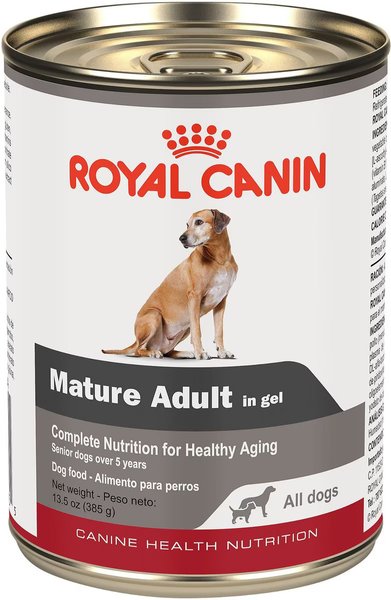
Credit: www.chewy.com
Frequently Asked Questions
When Should I Switch My Dog To Adult Dog Food?
Switch your dog to adult food after their first birthday. Small breeds may transition earlier, around 9-12 months. This ensures balanced nutrition for their adult stage and prevents excessive calorie intake.
How To Transition My Puppy To Adult Dog Food?
Gradually mix adult food with puppy food over 7-10 days. Increase adult food proportion daily to avoid digestive upset. This helps your dog adjust to new nutrients smoothly and maintains digestive health.
What Signs Indicate My Dog Needs Adult Food?
Look for slowed growth, reduced energy, or dental changes. If your dog reaches maturity or weighs consistently, it’s time to switch. Adult food supports maintenance rather than growth, fitting their current needs.
Can Feeding Adult Food Too Early Harm My Puppy?
Yes, early adult food can lack essential puppy nutrients. It may stunt growth or cause deficiencies. Always wait until your dog reaches the recommended age before switching.
Conclusion
Switching your dog to adult food is a key step in their growth. Watch for signs they are ready for the change. Gradually mix adult food with puppy food over days. This helps avoid stomach upset or food refusal. Choose a balanced diet that fits your dog’s size and activity.
Regular meals keep your dog healthy and happy. Always provide fresh water alongside meals. Remember, every dog is unique; adjust as needed. Caring for your dog’s diet supports a long, active life. Stay patient and observe their needs closely.