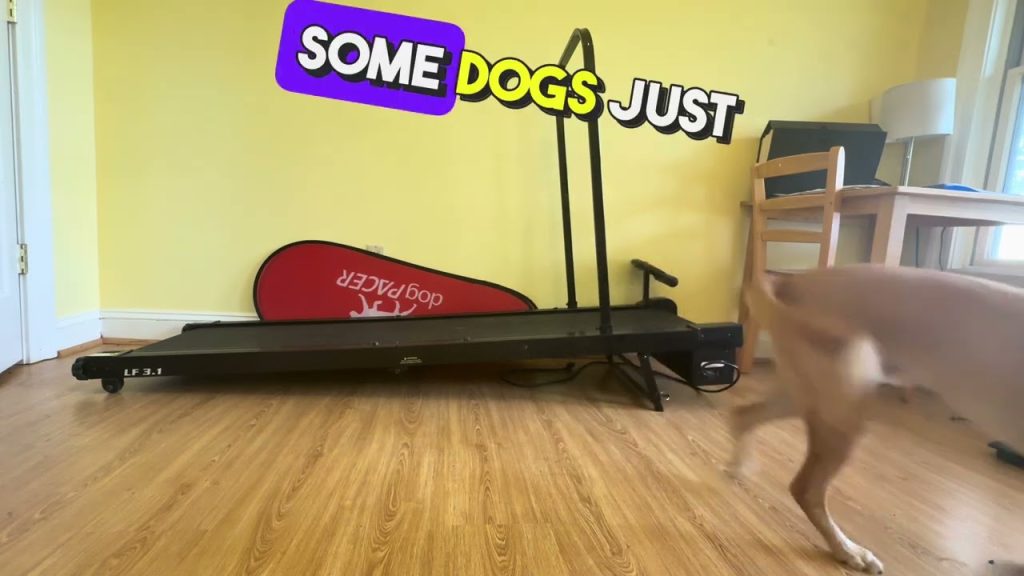

If you want to keep your dog active no matter the weather or busy schedule, training your dog to walk on a treadmill can be a game-changer. Imagine giving your furry friend a good workout right at home, without stepping outside.
It’s easier than you think, and with the right approach, your dog can enjoy treadmill walks safely and happily. You’ll discover simple, step-by-step tips to help your dog get comfortable and confident on the treadmill. Ready to make exercise time easier and more fun for both you and your dog?
Keep reading!
Credit: www.walmart.com
Benefits Of Treadmill Training
Training your dog to walk on a treadmill offers a range of benefits that go beyond simple exercise. It can enhance your dog’s overall health, provide mental challenges, and make daily workouts possible regardless of the weather. Understanding these benefits can motivate you to make treadmill training a regular part of your dog’s routine.
Physical Exercise Advantages
Using a treadmill helps your dog get consistent, controlled exercise. It’s especially useful for high-energy breeds that need more activity than you can always provide outdoors. You can adjust the speed and duration to match your dog’s fitness level, reducing the risk of injury from overexertion.
Regular treadmill sessions support weight management and build muscle tone. This is vital if your dog has limited access to outdoor spaces or needs low-impact exercise due to joint issues. Have you noticed how your dog’s energy levels improve after a good treadmill workout?
Mental Stimulation
Walking on a treadmill is not just physical; it also challenges your dog’s mind. Learning to stay focused while on a moving surface requires attention and discipline. This mental workout can tire your dog in a different way than a simple walk in the park.
Introducing new routines like treadmill training helps prevent boredom and destructive behaviors. Your dog learns to follow commands and stay calm in an unusual environment, which builds confidence. How often do you think about mixing mental tasks into your dog’s daily activities?
Weather-proof Workouts
Bad weather shouldn’t stop your dog from staying active. Treadmills provide a reliable exercise option when it’s too hot, cold, rainy, or snowy outside. This keeps your dog’s fitness on track all year round.
Imagine having peace of mind knowing your dog can get a quality workout indoors anytime. This convenience can save you from skipping exercise days or rushing through short walks. Could your dog’s routine benefit from a workout option that isn’t weather-dependent?
Choosing The Right Treadmill
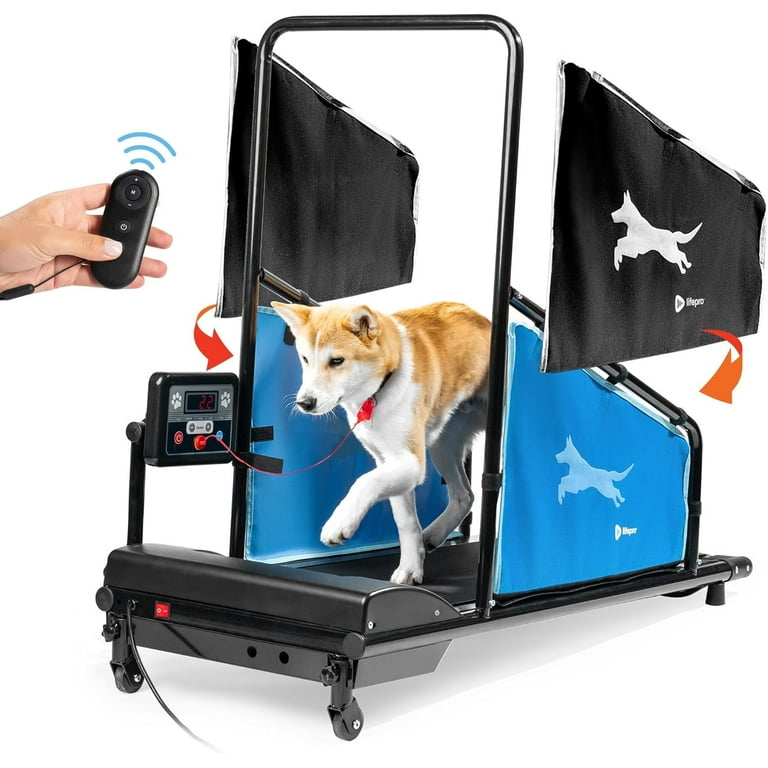
Choosing the right treadmill is the first step to train your dog safely. A good treadmill matches your dog’s size and activity level. It should offer safety features to prevent accidents. Quiet operation helps your dog feel calm and comfortable. Adjustable speed settings make it easier to start slow and increase pace gradually. These factors ensure a positive training experience for both you and your dog.
Size And Safety Features
The treadmill should be big enough for your dog to walk comfortably. Measure your dog’s length and height before buying. Look for a wide belt to avoid slipping. Safety features like side rails keep your dog from falling off. A sturdy frame prevents wobbling during use. Emergency stop buttons add extra protection if needed.
Adjustable Speed Settings
Your dog needs to start at a slow pace. Choose a treadmill with easy speed control. Gradually increase speed as your dog gets used to walking. Some treadmills offer preset programs for pets. This helps maintain a steady pace without sudden changes. Adjustable speeds suit dogs of all fitness levels.
Quiet Operation
Noise can scare your dog and stop training progress. Select a treadmill with a quiet motor. Look for low decibel ratings in product details. A silent treadmill helps your dog stay relaxed. It also makes training sessions more enjoyable. Quiet operation is especially important for nervous or shy dogs.
Preparing Your Dog
Begin by letting your dog explore the treadmill while it is off. Use treats and praise to create a positive feeling around the machine. Gradually introduce slow walking to help your dog get used to the movement.
Preparing your dog to walk on a treadmill requires patience and care. Begin by familiarizing your dog with the treadmill. This process will help reduce anxiety and build confidence. A calm and relaxed dog is more likely to adapt well to treadmill training.Introducing The Treadmill
Place the treadmill in a quiet area. Allow your dog to sniff and explore it. Turn the treadmill on at its lowest setting. This will help your dog get used to the sound. Encourage your dog to approach with treats or toys. Do not rush this step. Let your dog take its time.Positive Associations
Associate the treadmill with positive experiences. Reward your dog with treats or praise near the treadmill. Use a happy voice to encourage your dog. Spend short periods around the treadmill daily. Gradually, your dog will link the treadmill to positive feelings. This makes future training sessions easier.Safety Precautions
Ensure your dog’s safety during treadmill training. Check the treadmill for any hazards. Keep the area around the treadmill clear. Use a harness instead of a collar. This provides better control and safety. Supervise your dog at all times during use. Start with short sessions and gradually increase time. Never tie your dog to the treadmill. Always prioritize your dog’s comfort and safety.
Credit: www.youtube.com
Step-by-step Training Process
Training your dog to walk on a treadmill takes patience and a clear plan. The key is to make the treadmill a positive and safe experience for your furry friend. Breaking the process into manageable steps can help you and your dog build confidence together.
Getting Comfortable On The Treadmill
Start by simply introducing your dog to the treadmill while it’s turned off. Let your dog explore the machine at their own pace, sniffing and walking around it. You might find your dog curious or hesitant—both reactions are normal.
Stand beside your dog and offer gentle encouragement. You can even place treats on the treadmill surface to invite them up. This helps your dog associate the treadmill with something good.
Starting At Slow Speeds
Once your dog willingly steps on the treadmill, turn it on to the lowest speed. Keep it slow enough so your dog can walk comfortably without feeling rushed. Watch their body language closely; if they seem uneasy, pause the session and let them rest.
Try to keep initial sessions short, around 2-3 minutes. This prevents overwhelming your dog and builds a positive habit. Remember, consistency is more important than speed here.
Gradually Increasing Duration
As your dog gets more comfortable, slowly increase the time spent on the treadmill. Add a minute or two every few days based on your dog’s comfort and energy levels. Avoid pushing them too hard—fatigue can create negative associations.
Monitor for signs of tiredness like lagging or panting. If your dog seems tired, end the session on a high note with praise or a treat. Building endurance is a gradual process, not a race.
Using Treats And Praise
Treats and praise are powerful motivators throughout training. Use small, tasty treats to reward your dog for stepping on the treadmill and staying on it. Verbal praise and petting reinforce good behavior and build trust.
Try to time your rewards immediately after the desired behavior. This helps your dog connect the treadmill activity with positive outcomes. Ask yourself: what kind of treats does your dog love most to keep them excited?
Troubleshooting Common Issues
Troubleshooting common issues while training your dog to walk on a treadmill can make a big difference in your success. Challenges like fear, refusal, or distractions often pop up, but they don’t have to stop your progress. Understanding these problems helps you respond calmly and effectively, keeping your dog confident and motivated.
Fear Or Anxiety
Dogs may feel scared or anxious about the treadmill’s noise and movement. You might notice trembling, whining, or attempts to escape. Start by letting your dog explore the treadmill when it’s off, rewarding calm behavior with treats and praise.
Gradually turn the treadmill on at the lowest speed while staying close and offering reassurance. If your dog shows signs of stress, pause and try again later. Have you noticed if your dog reacts more to sounds or the moving surface? Adjust your approach based on their cues.
Refusal To Walk
Sometimes, dogs simply refuse to step onto the treadmill. They may freeze or back away, which can be frustrating. Try using a favorite toy or treat to lure them onto the belt gently and reward every small step forward.
Keep sessions short and positive to avoid overwhelming your dog. Patience is key—forcing them can increase resistance. What small rewards does your dog respond best to? Use those to encourage movement.
Distractions And Focus
Distractions can easily pull your dog’s attention away from the treadmill. Noises, other pets, or even your own movements might break their concentration. Minimize distractions by training in a quiet, familiar room.
Use clear commands and maintain eye contact to keep your dog engaged. You can also try breaking the session into short intervals, giving your dog frequent breaks. How do you usually regain your dog’s focus during training? Adapt those tactics here for better results.
Maintaining Motivation And Progress
Keeping your dog motivated and tracking progress are key to successful treadmill training. Without clear goals and variety, both you and your dog might lose interest quickly. Staying engaged ensures your dog enjoys the exercise and builds a lasting habit.
Setting Goals
Start by defining what you want to achieve with treadmill training. Is your aim to improve your dog’s stamina, manage weight, or burn extra energy on rainy days?
Break these aims into small, achievable targets like walking for five minutes without stopping or increasing speed gradually. Setting clear goals gives you a sense of direction and keeps your dog focused.
Ask yourself: How will I know when my dog is ready to move to the next level? Having milestones helps you celebrate wins and adjust training as needed.
Tracking Improvements
Keep a simple log of your dog’s treadmill sessions. Note the time spent, speed, and how your dog reacts during and after the workout.
Use a notebook or a mobile app to record these details. This makes it easy to see progress over days or weeks.
Tracking helps you spot patterns—like your dog getting tired too fast or showing signs of boredom—so you can tweak the routine. Would your dog benefit from shorter, more frequent sessions or a slower pace?
Mixing Up The Routine
Variety prevents boredom and keeps your dog’s interest alive. Change the treadmill speed or incline occasionally to create new challenges.
Introduce short breaks with fun activities like a quick game of fetch or a treat puzzle. This rewards your dog and breaks the monotony.
Think about adding different sounds or scents around the treadmill area to keep your dog curious. How can you make treadmill time feel less like a chore and more like a game?
Safety Tips During Treadmill Use
Training your dog to walk on a treadmill can be a great way to keep them active indoors. However, safety should always be your top priority during treadmill sessions. Paying close attention to your dog’s behavior and physical condition helps prevent injuries and ensures they enjoy the exercise.
Supervision And Control
Never leave your dog unattended while on the treadmill. Even if your dog seems comfortable, unexpected distractions or machine malfunctions can happen. Stay close to maintain control and be ready to stop the treadmill immediately if your dog shows signs of distress.
Using a leash can provide extra control but avoid pulling or restraining harshly. Let your dog get used to the treadmill pace gradually. This builds confidence and reduces the chance of accidents.
Avoiding Overexertion
Dogs don’t always tell us when they’re tired. Watch for heavy panting, limping, or slowing down as signs to pause the workout. Start with short sessions and increase duration only as your dog’s stamina improves.
Remember, breed, age, and health affect how much exercise your dog needs. A young Labrador may handle longer sessions, while a senior or small breed might need shorter, gentler workouts.
Proper Hydration
Keep fresh water available before, during, and after treadmill use. Dogs lose fluids quickly when exercising, which can lead to dehydration. Encourage them to drink regularly, especially during warmer weather or longer sessions.
Watch for signs like dry gums or lethargy that indicate dehydration. Adjust your treadmill routine accordingly to keep your dog safe and comfortable.
Credit: www.youtube.com
Frequently Asked Questions
How Do I Start Training My Dog On A Treadmill?
Begin with short sessions at a slow speed. Use treats and praise to encourage your dog. Gradually increase time and speed as your dog gets comfortable.
What Safety Measures Are Needed For Treadmill Dog Training?
Always supervise your dog during treadmill use. Use a harness and leash for control. Ensure the treadmill has a non-slip surface and start at low speeds.
How Long Should A Dog Treadmill Training Session Last?
Start with 5-10 minute sessions. Gradually increase to 20-30 minutes as your dog builds stamina. Avoid overexertion to prevent injuries.
Can All Dog Breeds Use A Treadmill Safely?
Most breeds can use a treadmill safely with proper training. However, consult your vet for dogs with health issues or special needs before starting.
Conclusion
Training a dog to walk on a treadmill takes patience and care. Start slow and keep sessions short to avoid stress. Reward your dog with treats and praise often. Watch your dog’s comfort and safety at all times. This method helps keep your dog active indoors.
With steady practice, your dog will enjoy treadmill walks. A healthy dog is a happy dog. Keep training fun and consistent for best results.