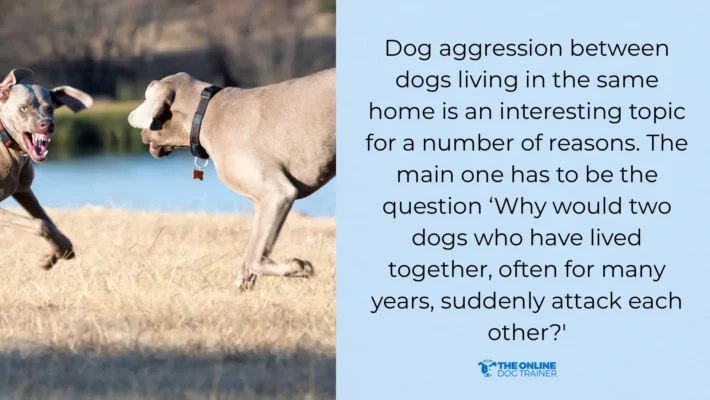

If you want a dog that can protect you and your home, training an attack dog might be the right choice. But how do you make sure your dog is strong, confident, and obedient enough to respond when it really matters?
In this guide, you’ll discover clear, simple steps to train your dog effectively and safely. Whether you’re new to dog training or looking to sharpen your skills, this article will give you the tools you need to build a powerful bond with your dog and keep control at all times.
Ready to learn how to turn your dog into a trusted protector? Keep reading.
Credit: theonlinedogtrainer.com
Choosing The Right Breed
Choosing the right breed is key to training an effective attack dog. The breed affects the dog’s behavior, strength, and ability to learn commands. Picking a breed with natural protective instincts helps the training process. Not every dog breed suits protection work. Some breeds are better at guarding, while others may be too gentle or too aggressive. Understanding breed traits helps match the dog to your training goals.
Top Breeds For Protection
- German Shepherd: Known for intelligence and loyalty. Highly trainable and alert.
- Belgian Malinois: Agile and energetic. Excels in police and military work.
- Rottweiler: Strong and confident. Great natural guard dog.
- Doberman Pinscher: Fast and alert. Protective and obedient.
- Boxer: Brave and playful. Good for families needing protection.
Temperament And Suitability
Temperament plays a big role in training success. The dog must be confident but not overly aggressive. Calm under stress. Willing to follow commands quickly. Socialization from a young age shapes behavior. Avoid breeds with high anxiety or fear issues. Choose dogs that bond well with humans. A balance of protectiveness and control is ideal.
Health Considerations
Healthy dogs learn and perform better. Some breeds have common health problems. Hip dysplasia, heart conditions, and joint issues are frequent in large breeds. Check for genetic health clearances before buying. Regular vet checks keep your dog in top shape. Good health supports stamina during training sessions.
Basic Obedience Training
Basic obedience training is the foundation for any attack dog. It teaches the dog to listen and respond to commands clearly. This training builds trust and respect between you and your dog. It also ensures the dog behaves safely in all situations. Starting with simple commands makes advanced training easier. Patience and repetition are key during this phase.
Essential Commands
Teaching essential commands is critical for control and safety. Commands like “sit,” “stay,” “come,” and “heel” are basic but powerful. These commands help manage the dog’s behavior in public and at home. Use short words and clear tones when giving commands. Reward the dog immediately for obeying to encourage learning.
Building A Strong Bond
A strong bond between you and your dog improves training results. Spend quality time playing and caring for your dog daily. Positive interaction builds trust and reduces fear or aggression. Consistent training sessions create a routine the dog understands. A dog that trusts you will follow commands more willingly.
Consistency And Patience
Consistency is essential in obedience training. Use the same commands and gestures every time. Avoid confusing the dog with mixed signals. Patience helps your dog learn at its own pace. Repeat training sessions regularly to reinforce good behavior. Stay calm and positive, even when progress seems slow.
Introducing Attack Training
Introducing attack training is a serious step in dog training. It requires careful planning and respect for the dog’s abilities. This training helps a dog protect its owner or property. It also teaches control and obedience under pressure.
Starting attack training too soon can cause problems. The dog must have a strong foundation of basic commands first. The trainer must always ensure safety for everyone involved. Protective gear is essential to prevent injuries during training sessions.
When To Start
Begin attack training only after the dog knows basic commands. The dog should be at least one year old. By this age, dogs usually have better focus and strength. Early training helps build confidence and discipline. Avoid rushing; slow progress is safer and more effective.
Safety Precautions
Safety is the top priority during attack training. Always train in a controlled, secure area. Keep the dog on a strong leash or long line. Never allow the dog to attack without clear commands. Monitor the dog’s behavior closely for signs of stress or aggression.
Using Protective Gear
Protective gear protects both the trainer and the dog. Use bite sleeves or bite suits to shield arms and legs. Wear thick gloves and sturdy clothing. Ensure the gear fits well and is in good condition. Proper gear builds confidence and reduces injuries during training.
Teaching Controlled Aggression
Teaching controlled aggression helps an attack dog respond only when needed. Training focuses on discipline, control, and clear commands. This builds a safe and reliable protector.
Training an attack dog requires a delicate balance of nurturing aggression while ensuring it remains under control. Controlled aggression is crucial to ensure the safety of both the handler and others. It’s not about fostering unnecessary violence but about channeling a dog’s natural instincts into a disciplined response. This process demands patience, consistency, and a deep understanding of your dog’s behavior.Triggering Attack Response
To teach controlled aggression, you need to first understand what triggers an attack response in your dog. This involves recognizing specific stimuli that naturally provoke your dog, such as certain movements or sounds. Once identified, these can be used in a controlled environment to train your dog to respond appropriately. Imagine your dog reacting to a stranger’s sudden movement. Use this scenario to teach your dog to remain calm and only attack on command. Controlled exposure to these triggers helps your dog learn to differentiate between real threats and false alarms.Command-based Control
Command-based control is the cornerstone of teaching controlled aggression. It involves using clear and consistent commands to guide your dog’s behavior. Commands like “attack” and “release” must be distinct and practiced regularly. Start with basic obedience commands before introducing attack-specific ones. Ensure your dog responds reliably to commands like “sit” and “stay” in various settings. This builds a foundation of trust and understanding, vital for more complex commands like attack and stop.Stopping On Cue
Equally important to initiating an attack is the ability to stop on cue. This ensures your dog can disengage immediately when commanded. The “release” or “stop” command should be as strong and consistent as the attack command. Practice stopping on cue in varied environments to ensure your dog responds regardless of distractions. Reward your dog generously when they successfully stop on command. This reinforces the behavior and ensures they understand the importance of halting aggression when instructed. Training your dog to stop on cue is not just about control but also about maintaining safety for everyone involved. Wouldn’t you feel more at ease knowing your dog can switch off aggression as swiftly as it can engage it?Socialization And Public Safety
Training an attack dog isn’t just about building strength and obedience—it’s also about ensuring your dog can safely interact with people and environments outside your home. Socialization and public safety are crucial parts of this process. Without proper social skills, even the most well-trained dog can become unpredictable or dangerous in public settings.
Balancing Aggression And Friendliness
You want your dog to protect you, but also to know when to be calm and friendly. This balance keeps everyone safe, including your dog.
Teach your dog clear signals for when to switch from alertness to relaxation. For example, use a calm voice and gentle touch to reward friendly behavior after an alert.
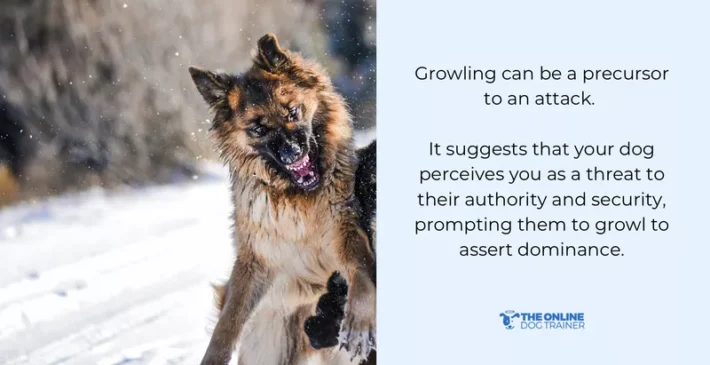
Have you noticed how some dogs growl but still let strangers pet them? That controlled aggression is a sign of good training and socialization.
Exposing To Different Environments
Take your dog to a variety of places early on—parks, busy streets, quiet neighborhoods, and pet-friendly stores. Each new setting teaches your dog to stay focused and behave properly despite distractions.
Use positive reinforcement when your dog remains calm in these places. This approach builds confidence and reduces fear or aggression triggered by unfamiliar surroundings.
Think about the last time you saw a dog panic in a crowd. Could that have been avoided with more exposure to busy environments during training?
Preventing Unwanted Behavior
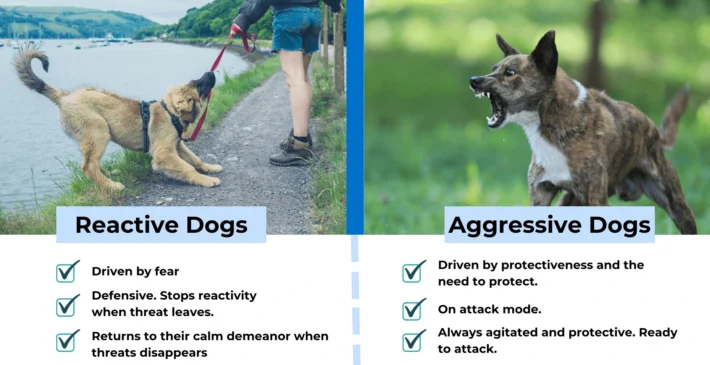
Unwanted behaviors like excessive barking, lunging, or biting can be prevented with consistent training and clear boundaries.
Set rules early and stick to them. For example, don’t allow your dog to jump on people or chase other animals, even during play.
If your dog shows signs of aggression, redirect their attention immediately with commands or toys. This helps them learn what’s acceptable.
- Use timeouts to calm your dog if they get overly excited.
- Practice obedience drills daily to reinforce good habits.
- Reward calm and controlled behavior consistently.
How often do you challenge your dog’s limits to reinforce positive behavior? Regular practice is key to preventing problems before they start.
Credit: theonlinedogtrainer.com
Maintaining Training Over Time
Training an attack dog is not a one-time event; it requires ongoing effort to keep your dog sharp and reliable. Maintaining training over time ensures your dog stays responsive and ready to act when needed. Neglecting this can lead to confusion or loss of skills, which is risky for both you and your dog.
Regular Drills
Keep your dog’s skills sharp with regular practice sessions. Short, frequent drills are more effective than long, infrequent ones. Try mixing up scenarios to challenge your dog and keep their mind active.
For example, practice basic commands followed by controlled attack commands in different environments. This helps your dog stay focused despite distractions. How often do you schedule training sessions with your dog?
Reinforcing Commands
Even the best-trained dogs need reminders. Repeating commands consistently helps your dog understand what you expect. Use clear, firm tones and reward correct responses immediately.
It’s easy to assume your dog remembers everything, but reinforcement strengthens their confidence and obedience. Have you noticed your dog responding slower after a break from training? That’s a sign to reinforce commands more often.
Monitoring Behavior Changes
Watch your dog closely for changes in behavior or attitude. Stress, health issues, or boredom can affect their performance. Addressing these early keeps your dog effective and happy.
Keep a simple journal of training progress and any odd behaviors. This helps you spot trends and adjust your approach. When was the last time you checked if your dog’s behavior has shifted after a stressful event?
Legal And Ethical Considerations
Training an attack dog involves more than just commands and obedience. You must consider the legal and ethical boundaries that come with owning and training such a powerful animal. Ignoring these can lead to serious consequences for both you and your dog.
Local Laws And Regulations
Every area has its own rules about owning and training attack dogs. Some places require special permits or licenses. Others might ban certain breeds altogether.
Check your local government websites or talk to animal control to know what applies to you. Failure to comply can result in fines, confiscation of your dog, or even criminal charges. Are you aware of the specific laws where you live?
Responsible Ownership
Owning an attack dog means you have a big responsibility. Your dog’s behavior affects not only your safety but also the community around you. Proper socialization and supervision are essential to prevent accidents.
Make sure your dog is never left unattended in public spaces. Use secure fencing and always have control when visitors come over. How do you plan to ensure your dog’s safety and that of others?
Ethical Training Practices
Training an attack dog ethically means focusing on positive reinforcement, not fear or pain. Harsh methods can cause aggression problems and harm your relationship with your dog. Training should build trust and confidence.
Use rewards like treats and praise to encourage good behavior. Avoid techniques that might stress or intimidate your dog. What kind of training approach will you choose to keep your dog healthy and happy?

Credit: www.youtube.com
Frequently Asked Questions
What Is The Best Breed For Training An Attack Dog?
The best breeds for attack dogs include German Shepherds, Belgian Malinois, and Rottweilers. These breeds are intelligent, loyal, and highly trainable, making them ideal for protection and attack training.
How Long Does Attack Dog Training Usually Take?
Attack dog training typically takes 3 to 6 months. The duration depends on the dog’s age, breed, and previous training experience, as well as the trainer’s methods and consistency.
What Are The Essential Commands For An Attack Dog?
Essential commands include “sit,” “stay,” “heel,” “attack,” and “release. ” These commands ensure control, obedience, and safety during training and real-life situations.
Can Attack Dogs Be Trained Safely By Beginners?
Training an attack dog requires experience and proper knowledge. Beginners should seek professional guidance to ensure safe and effective training for both the dog and handler.
Conclusion
Training an attack dog takes patience and care. Start with basic commands to build trust. Consistency helps your dog learn faster. Always use clear, firm instructions during training. Reward good behavior to encourage progress. Avoid harsh punishments that might cause fear.
Practice regularly to keep skills sharp. Safety must always come first for both you and the dog. With time, your dog will become a reliable protector. Remember, training is a step-by-step process that needs your attention. Stay calm, be patient, and enjoy the journey together.