Are you wondering if a grain free diet is the right choice for your dog? You might have heard about it but aren’t sure what it really means or how it can affect your furry friend’s health.
Understanding what exactly a grain free diet involves can help you make better decisions for your dog’s nutrition and well-being. Keep reading to discover the facts, benefits, and things to watch out for when considering this popular feeding option. Your dog’s health could depend on it!
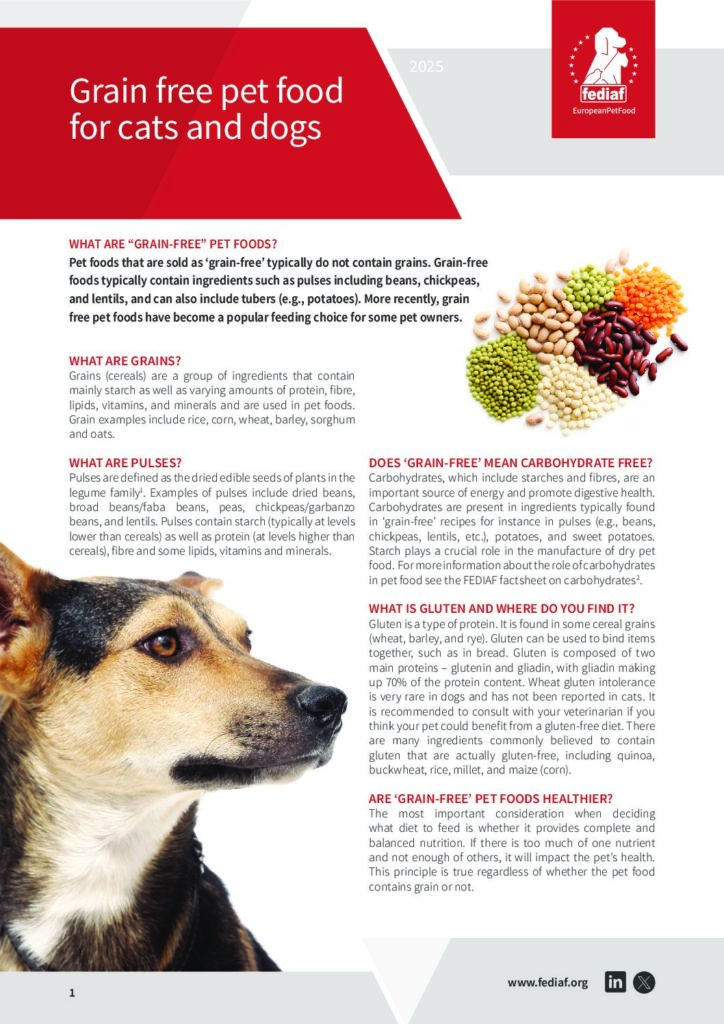
Credit: europeanpetfood.org
Grain Free Diet Basics
A grain free diet for dogs focuses on removing grains that are commonly found in traditional dog foods. This type of diet aims to provide nutrition without using ingredients like wheat, corn, or rice. Many dog owners switch to grain free options after noticing allergies or digestive issues in their pets.
Understanding what goes out and what replaces grains can help you decide if this diet fits your dog’s needs. Have you ever checked the ingredient list on your dog’s food bag? You might be surprised by what’s missing or included.
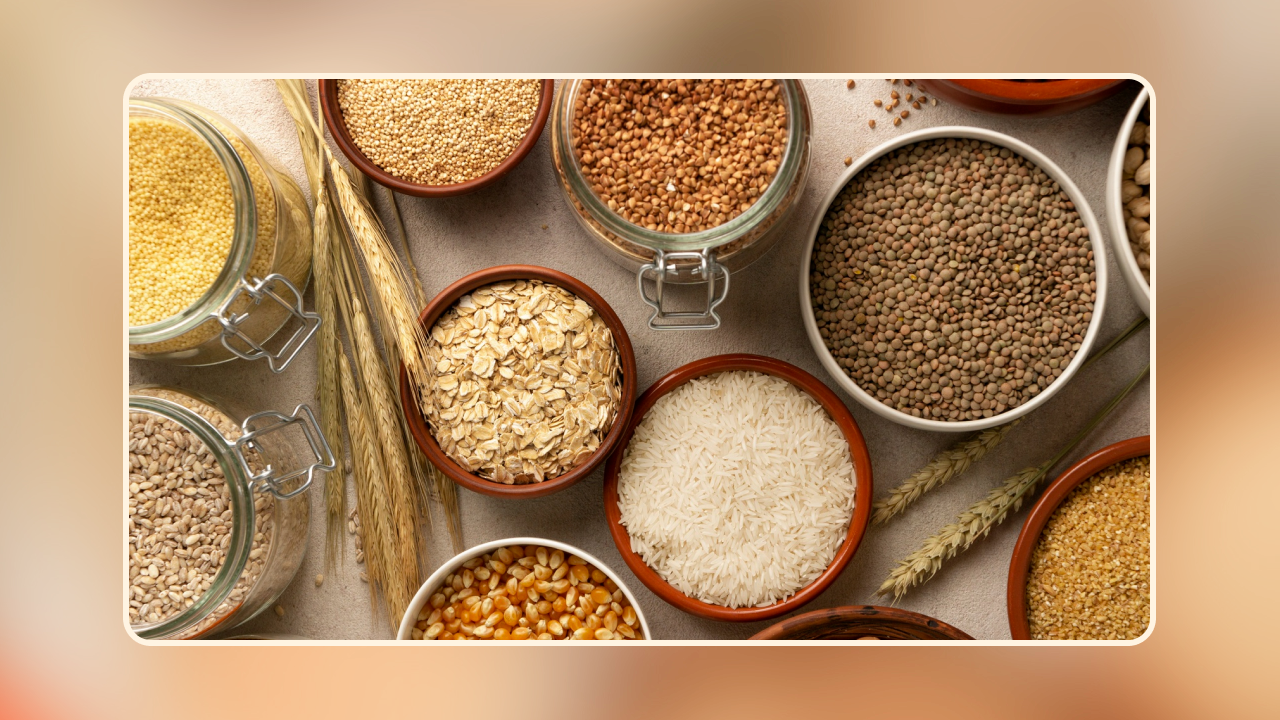
What Grains Are Left Out
Grain free dog food excludes several common grains such as:
- Wheat
- Corn
- Rice
- Barley
- Oats
- Sorghum
These grains often serve as fillers or sources of carbohydrates in regular dog food. Removing them helps reduce exposure to potential allergens or irritants for sensitive dogs.
Common Ingredients Used Instead
Grain free diets replace grains with other carbohydrate sources and nutrients, such as:
- Sweet potatoes
- Pumpkin
- Peas
- Lentils
- Chickpeas
- Potatoes
These ingredients provide energy and fiber while avoiding grains. Many dog owners report improved digestion and shinier coats after switching to foods with these alternatives.
Are you curious whether your dog’s current food contains hidden grains? Checking labels for these ingredients can give you a clearer picture of what’s inside. Sometimes, the simplest changes can have a big impact on your dog’s health.
Credit: wefeedraw.com
Health Benefits For Dogs
A grain free diet can offer several health benefits for your dog, especially if you’ve noticed certain issues like digestive discomfort or low energy. Switching to such a diet might seem like a big change, but many dog owners report positive outcomes fairly quickly. Understanding these benefits can help you decide if this diet suits your furry friend’s needs.
Improved Digestion
Grains can be hard for some dogs to break down, leading to upset stomachs or irregular bowel movements. Removing grains from your dog’s diet often results in fewer digestive problems, such as gas, bloating, or diarrhea.
Dogs with sensitive stomachs may find grain free food easier to digest, which can mean less discomfort and a happier pet. Have you noticed your dog struggling after meals? A grain free option might ease that strain.
Allergy Relief
Grain allergies or sensitivities are quite common in dogs and can cause itching, skin irritations, and ear infections. Switching to a grain free diet can reduce or even eliminate these symptoms in many cases.
Many dog owners share stories about their pets’ skin clearing up and scratching decreasing after removing grains. Could your dog’s allergies be linked to their current diet?
Enhanced Energy Levels
Some dogs show noticeable energy improvements after starting a grain free diet. Without grains, their meals often contain more protein and healthy fats, which fuel active lifestyles better.
You might observe your dog playing longer, recovering faster, or just seeming more lively overall. What would it mean for your daily walks if your dog had more stamina and enthusiasm?
Potential Risks And Considerations
Choosing a grain-free diet for your dog might seem like a straightforward decision, but it comes with its own set of potential risks and considerations. While some pet owners opt for grain-free dog food due to concerns about allergies or digestive issues, it’s essential to weigh the potential drawbacks. Understanding these risks will help you make an informed decision for your furry friend.
Nutritional Balance Challenges
One major concern with grain-free diets is maintaining a proper nutritional balance. Grains often provide essential nutrients like fiber, vitamins, and minerals. Without them, you need to ensure these nutrients are adequately replaced to avoid deficiencies.
Consider whether you have the time and knowledge to balance your dog’s diet effectively. Consulting with a veterinarian or pet nutritionist can be helpful. They can guide you on alternative sources of essential nutrients to keep your dog healthy and happy.
Link To Heart Disease Concerns
Recent studies have raised questions about the link between grain-free diets and heart disease in dogs, specifically dilated cardiomyopathy (DCM). While the connection isn’t fully understood, it’s a consideration for dog owners.
If you’re leaning towards a grain-free diet, keep informed about the latest research. Regular vet check-ups can help monitor your dog’s heart health. Is the perceived benefit worth the potential risk?
Suitability For Different Breeds
Not all dog breeds respond the same way to grain-free diets. Some breeds might thrive without grains, while others could suffer from missing nutrients.
Understanding your dog’s specific needs is crucial. For example, active breeds might need more carbohydrates for energy, often found in grains. Have you considered whether a grain-free diet aligns with your dog’s breed-specific requirements?
Choosing The Right Grain Free Food
Choosing the right grain free food is essential for your dog’s health. Not all grain free diets are the same. Quality and ingredients vary widely. Picking the best option supports digestion and energy levels. It also avoids allergies and sensitivities. Understanding what to look for helps you make a smart choice.
Reading Ingredient Labels
Check ingredients carefully on every bag or can. Look for whole foods like meat, vegetables, and fruits. Avoid foods with fillers or artificial additives. Ingredients are listed by weight, so the first items matter most. Protein sources should appear near the top. Watch out for hidden grains like corn, wheat, or soy.
Consulting Your Veterinarian
Your vet knows your dog’s health best. Discuss any diet changes before switching foods. They can recommend specific brands or formulas. Some dogs need special nutrients or supplements. Regular check-ups help track your dog’s reaction to the new diet. This ensures safety and effectiveness over time.
Top Brands To Consider
- Blue Buffalo Wilderness
- Wellness Core Grain Free
- Canidae Grain Free
- Natural Balance L.I.D.
- Merrick Grain Free
These brands offer a variety of grain free recipes. They focus on high-quality proteins and natural ingredients. Many have options for different dog sizes and life stages. Choose one that suits your dog’s specific needs and preferences.
Transitioning Your Dog’s Diet
Changing your dog’s diet requires care and patience. Sudden changes can upset their stomach or cause refusal to eat. A smooth transition helps your dog accept the new grain free food easily. It also lets you watch for any allergies or digestive issues. Follow simple steps to make this switch safe and stress-free for your pet.
Step-by-step Switch Process
- Start by mixing a small amount of grain free food with current food.
- Gradually increase grain free food while reducing old food over 7-10 days.
- Observe your dog’s appetite and willingness to eat the new mixture.
- Keep meals consistent in timing and portion size during the transition.
- Provide fresh water to help digestion throughout the process.
Monitoring Your Dog’s Reaction
Watch for signs like vomiting, diarrhea, or itching. These might show intolerance to new food. Check if your dog stays energetic and happy. Look at their stool for changes in color or texture. Contact your vet if problems last more than a few days. Positive reactions include better coat shine and steady energy levels. Tracking these signs ensures your dog thrives on their new diet.
Credit: wefeedraw.com
Frequently Asked Questions
What Is A Grain Free Diet For Dogs?
A grain free diet for dogs excludes wheat, corn, and rice. It focuses on proteins and vegetables instead. This diet suits dogs with grain allergies or sensitivities, promoting better digestion and skin health.
Are Grain Free Diets Healthier For Dogs?
Grain free diets can benefit dogs with allergies or digestive issues. However, they aren’t always healthier for all dogs. Consult your vet to ensure it fits your dog’s specific nutritional needs.
Which Ingredients Replace Grains In Dog Food?
Common grain substitutes include potatoes, peas, lentils, and chickpeas. These provide carbohydrates and fiber while avoiding grains. They help maintain balanced nutrition in grain free dog foods.
Can Grain Free Diets Cause Health Risks?
Some studies link grain free diets to heart issues in dogs. However, risks depend on diet quality and dog health. Always consult your vet before switching to a grain free diet.
Conclusion
A grain free diet means feeding dogs without wheat, corn, or rice. Many dogs may feel better with this change. It can help with allergies and digestion. Always watch your dog closely after switching foods. Talk to your vet to choose the best diet.
Every dog is different. A grain free diet is one option to consider. Keep your pet’s health and happiness as the top goal. Simple changes can make a big difference.