
Are you wondering if it’s okay to feed your puppy adult dog food? You want the best for your furry friend, but choosing the right food can be confusing.
Feeding the wrong type of food might affect your puppy’s growth and health in ways you don’t expect. Keep reading to find out why what you feed your puppy matters so much—and how you can make the best choice to keep your pup happy and strong.

Credit: www.petscare.com
Nutritional Needs Of Puppies
Puppies have special nutritional needs. Their bodies grow fast and need proper fuel. Feeding the right food supports healthy bones, muscles, and brain development. Puppy food is made to meet these needs. Adult dog food may not have enough nutrients for puppies. Understanding what puppies require helps make good feeding choices.
Growth Requirements
Puppies grow quickly in the first year. They need more calories than adult dogs. Energy helps them stay active and build strong bodies. Their bones and muscles develop rapidly. Nutrients must support this fast growth. Feeding adult dog food may not provide enough energy. Puppies need food with higher fat and protein levels.
Key Nutrients For Development
- Protein:Builds muscles and tissues. Puppies need more protein than adults.
- Fat:Provides energy and supports brain growth.
- Calcium and Phosphorus:Essential for strong bones and teeth.
- Vitamins and Minerals:Help the immune system and overall health.
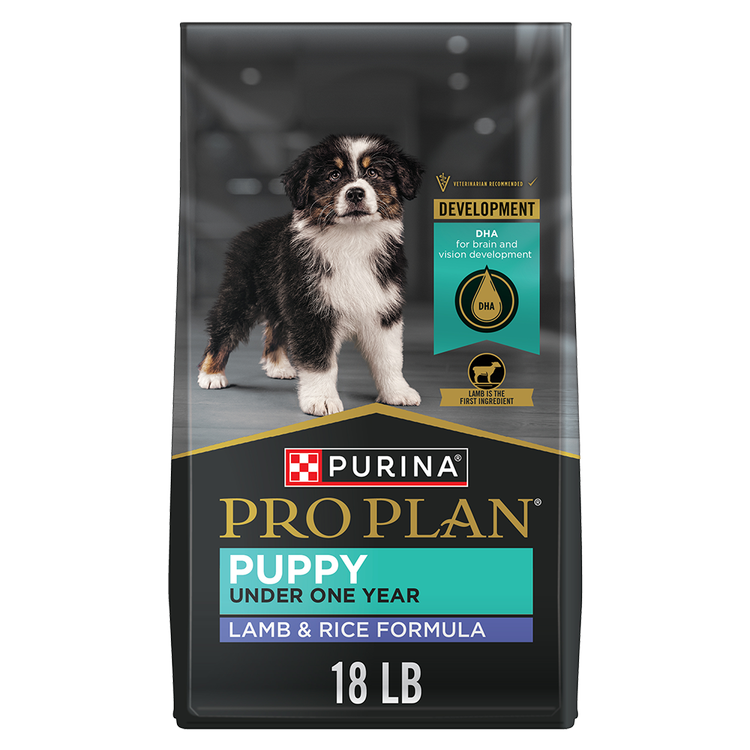
- DHA:Supports brain and eye development.
Differences Between Puppy And Adult Dog Food
Understanding the differences between puppy and adult dog food is key to making the right choice for your furry friend. Puppies have unique nutritional needs that support their rapid growth and development, which adult dog food might not adequately meet. Let’s break down what sets these two types of food apart so you can decide what’s best for your pup.
Calorie Content
Puppies burn a lot of energy as they grow, so their food needs to pack more calories per serving than adult dog food. Feeding your puppy adult food could mean they aren’t getting enough energy to thrive. Have you noticed your puppy seeming tired or less playful? That might be a sign their calorie needs aren’t being met.
Protein And Fat Levels
Protein and fat are building blocks for muscle and brain development in puppies. Puppy food usually contains higher levels of both to support these critical growth phases. If you feed adult dog food, your puppy might miss out on these essential nutrients, which could slow their development or impact their overall health.
Vitamin And Mineral Balance
Puppy food is specially formulated with vitamins and minerals that support bone growth, immune function, and organ development. Nutrients like calcium and phosphorus are carefully balanced in puppy formulas, unlike adult dog food. Feeding adult food to a puppy could disrupt this balance and lead to health issues down the road.
Risks Of Feeding Adult Food To Puppies
Feeding adult dog food to puppies can cause poor growth and nutrient gaps. Puppies need extra nutrients for their developing bones and immune systems. Giving them adult food may lead to health issues and slow development.
Feeding your playful little puppy adult dog food might seem like a convenient option, but it poses several risks. Puppies have unique nutritional needs that differ significantly from those of adult dogs. Understanding these differences is crucial to ensure your puppy grows into a healthy and strong adult dog.Potential Nutritional Deficiencies
Puppies require a specific balance of nutrients to support their rapid growth and development. Adult dog food often lacks the necessary protein and fat levels needed by puppies. This can lead to nutritional deficiencies, affecting their muscle development and energy levels. If you notice your puppy is lethargic or not growing as expected, it could be due to inadequate nutrition. Puppies also need higher amounts of certain vitamins and minerals, such as calcium and phosphorus, which are not present in sufficient quantities in adult dog food. This can affect their bone health and overall development.Impact On Growth And Health
Feeding a puppy adult dog food can impact its growth and health in the long run. Puppies are in a critical stage of development, and their bodies need precise nutrients to grow properly. Inadequate nutrition may lead to stunted growth or developmental issues. Consider this: would you feed a baby the same meal you eat for lunch? Just as babies have specific dietary needs, so do puppies. Providing the wrong food can also affect your puppy’s immune system, making them more susceptible to illnesses. Have you noticed changes in your puppy’s behavior or health after switching their food? Always monitor their response to diet changes. Consult your vet to ensure your puppy is getting the right nutrition for optimal growth and health.When Adult Food Might Be Suitable
Puppies need special nutrition for growth and energy. Adult dog food usually lacks some nutrients puppies require. Yet, there are moments when adult food might be okay for puppies. Understanding these moments helps keep your puppy healthy and happy.
Transitioning Phases
During certain growth stages, puppies start eating less puppy food. Some puppies may begin eating adult food after about 9 to 12 months. This phase depends on the breed and size of the dog. Large breeds might switch later than small breeds. Mixing adult food with puppy food can ease the change. Gradual transition avoids stomach upset and helps digestion.
Veterinarian Recommendations
Veterinarians assess your puppy’s health before suggesting adult food. Some puppies with health issues might need adult food earlier. Your vet will check weight, growth, and overall health. They may recommend special adult formulas with added nutrients. Always follow professional advice for your puppy’s diet. Veterinarian guidance ensures safe and balanced nutrition.
Tips For Choosing The Right Food
Choosing the right food for your puppy is key to healthy growth and development. Puppies have different nutritional needs than adult dogs. Their food must support strong bones, sharp minds, and good energy levels. Selecting the right food means checking details carefully and considering your puppy’s unique traits. This helps avoid health problems and ensures they thrive.
Reading Labels Effectively
Food labels reveal important information about ingredients and nutrients. Look for foods with real meat listed as the first ingredient. Avoid fillers like corn or wheat that add little nutrition. Check the protein and fat levels; puppies need higher amounts than adults. Notice if the food meets AAFCO standards, ensuring it fits puppy needs. Vitamins and minerals should also be balanced for growth.
Considering Breed And Size
Puppies grow at different rates depending on breed and size. Small breeds need food with smaller kibbles and specific nutrients for fast metabolism. Large breeds require food that supports slower growth and strong joints. Feeding the wrong size food can cause digestion issues or poor development. Choose formulas designed for your puppy’s breed size to keep them healthy.

Credit: us.eukanuba.com
Signs Your Puppy Needs A Dietary Change
Recognizing when your puppy needs a dietary change is crucial for their health and happiness. Puppies grow fast, and their nutritional needs shift quickly. Paying attention to subtle signs can help you decide if it’s time to reconsider their food choices.
Behavioral And Physical Indicators
Changes in your puppy’s behavior often hint at dietary problems. If your puppy seems unusually tired or less playful, their food might not be giving them enough energy. On the other hand, hyperactivity or restlessness could also suggest an imbalance in nutrients.
Physical signs are just as important. Look for dull fur, dry skin, or slow growth — these often point to a lack of essential nutrients. Digestive issues like frequent vomiting, diarrhea, or constipation can mean your puppy’s diet isn’t agreeing with them. Even persistent bad breath or excessive scratching could signal the need for a dietary review.
Consulting A Professional
If you notice any of these signs, talk to your veterinarian right away. They can run tests to pinpoint nutritional deficiencies or allergies. This helps you avoid guesswork and ensures your puppy gets exactly what they need.
Don’t hesitate to ask about specialized puppy diets or supplements. A vet’s advice can make a huge difference in your puppy’s growth and overall well-being. Remember, every puppy is unique, and professional guidance can tailor their diet perfectly.
Credit: www.purina.com
Frequently Asked Questions
Can Puppies Eat Adult Dog Food Safely?
Puppies need more nutrients than adults. Adult dog food lacks essential vitamins and calories for growth. Feeding it can stunt development and cause health issues. Always choose specially formulated puppy food for balanced nutrition and proper growth.
What Are Risks Of Feeding Adult Food To Puppies?
Adult food may cause nutrient deficiencies in puppies. It can lead to weak bones, poor immune function, and slow growth. Additionally, adult food is lower in fat and protein, which puppies require for energy. Avoid feeding adult food to ensure puppy health.
When Can Puppies Switch To Adult Dog Food?
Puppies typically switch to adult food between 12 to 18 months. This depends on breed size and vet advice. Larger breeds may need more time on puppy food. Transition gradually to adult food to avoid digestive upset and ensure proper nutrition.
Is Adult Dog Food Cheaper Than Puppy Food?
Adult dog food is usually less expensive than puppy food. However, it may not meet a puppy’s nutritional needs. Investing in quality puppy food supports healthy growth and development. Cost savings on adult food could lead to health costs later.
Conclusion
Feeding adult dog food to a puppy is not ideal. Puppies need extra nutrients to grow strong and healthy. Adult food lacks enough vitamins and minerals for their development. Using puppy-specific food helps support their bones and immune system. Always choose the right food for your pet’s age.
Proper nutrition leads to a happy, healthy dog. Keep your puppy’s diet balanced for best results. Small changes now make a big difference later. Trust what your vet recommends for your puppy’s needs.