
Are you curious about what a grain-free diet for dogs really means? If you want the best for your furry friend, understanding this diet could be a game-changer.
You might have heard about grain-free dog food everywhere, but do you know why it’s becoming so popular? This article will help you discover what a grain-free diet is, how it works, and whether it’s right for your dog’s health.
Keep reading to unlock the secrets that could improve your dog’s well-being and happiness.
Grain-free Diet Basics
A grain-free diet for dogs removes grains like wheat, corn, and rice. These diets focus on other sources of carbohydrates and nutrients. Many dog owners choose grain-free foods to help with allergies or digestion problems.
This diet aims to provide balanced nutrition without grains. It often uses vegetables, fruits, and alternative starches instead. Understanding the basics helps pet owners make informed choices.
What Are Grains In Dog Food
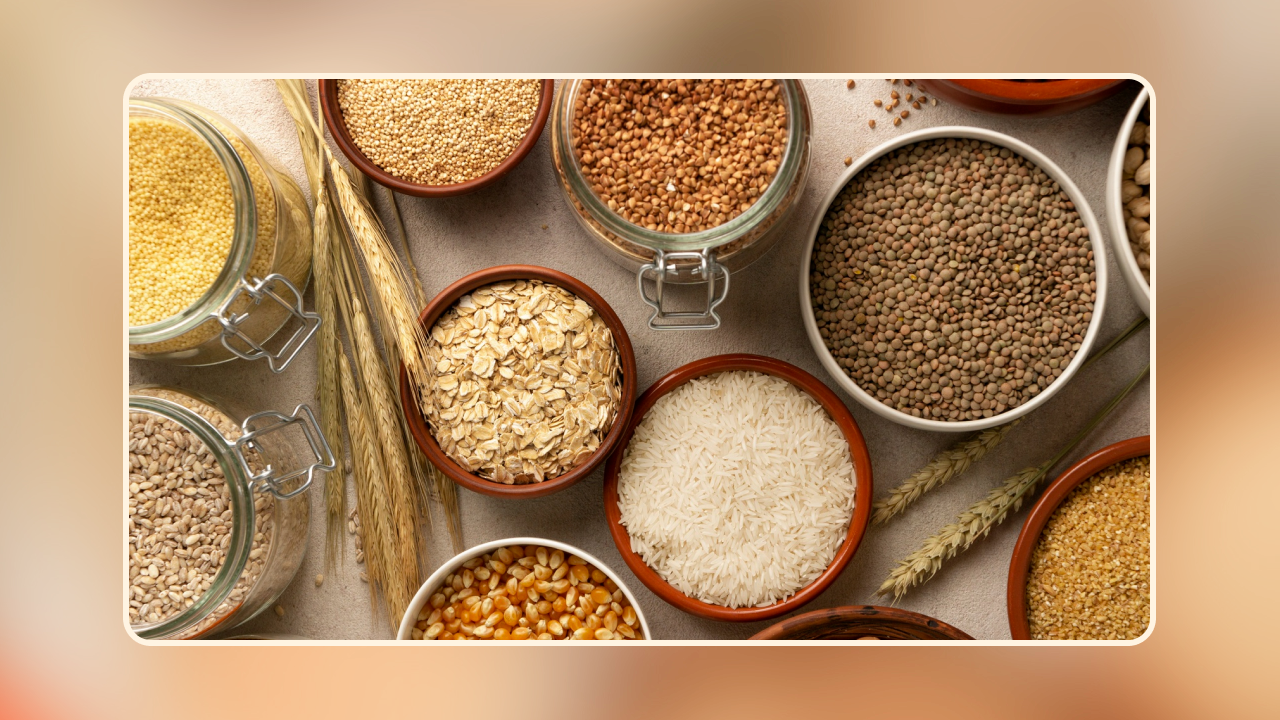
Grains are seeds from cereal plants. Common grains in dog food include:
- Wheat
- Corn
- Rice
- Barley
- Oats
Grains provide energy and fiber. Some dogs may have trouble digesting them. Grains can cause allergies or sensitivities in certain dogs.
Common Ingredients Replaced In Grain-free Diets
Grain-free diets replace grains with other ingredients. These often include:
- Sweet potatoes
- Peas
- Lentils
- Chickpeas
- Potatoes
These ingredients provide carbohydrates and fiber. They help maintain energy levels in dogs. Grain-free foods also use various proteins like chicken or fish.
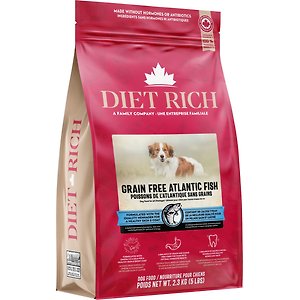
Credit: www.chewy.com
Health Benefits For Dogs
A grain-free diet can offer several health benefits for dogs. It focuses on removing grains like wheat, corn, and soy. This diet often relies on meats, vegetables, and fruits to provide nutrients. Many dogs show improvements in their overall health after switching to grain-free food.
Improved Digestion And Allergies
Grains can cause digestive issues in some dogs. Grain-free diets reduce stomach upset and bloating. Dogs with grain allergies often see fewer symptoms. This diet helps avoid common allergens that cause itching and discomfort. It supports a healthier gut and better nutrient absorption.
Skin And Coat Health
Dogs on grain-free diets often have shinier coats. Skin problems like dryness and redness may improve. This diet provides healthy fats and proteins needed for skin repair. It reduces inflammation that causes itching and hot spots. A healthy coat is a sign of good nutrition.
Energy And Weight Management
Grain-free food is rich in protein and fat. This can boost energy levels and stamina. It helps maintain a healthy weight by avoiding extra carbs. Dogs feel fuller longer, reducing overeating. Balanced nutrition supports active and happy pets.
Common Myths About Grain-free Diets
Many believe grain-free diets always improve dog health, but this is not always true. Some dogs may not need grain-free food to stay healthy. Understanding the diet helps avoid common mistakes and myths.
Common Myths About Grain-Free Diets When considering a grain-free diet for your dog, it’s easy to get caught up in the swirling myths surrounding this popular feeding choice. These misconceptions can lead to confusion and misinformed decisions. Let’s debunk some of these common myths so you can make better choices for your furry friend.Grain-free Means Gluten-free
Many people mistakenly believe that grain-free automatically means gluten-free. However, these terms are not interchangeable. While it’s true that removing grains can reduce gluten, some grain-free products may still contain gluten from other ingredients like barley or rye. Always read labels carefully to ensure you’re meeting your dog’s dietary needs.Grain-free Diets Cure All Allergies
Another myth is that grain-free diets are a magic bullet for curing all dog allergies. While some dogs may benefit from reduced grain intake, it’s not a universal solution. Allergies can stem from various sources, including proteins, so pinpointing the exact cause is crucial. Have you ever considered that it might be chicken or beef causing your dog’s itching rather than grains?Grains Are Always Harmful To Dogs
It’s a common misconception that grains are inherently bad for dogs. In reality, grains can be a valuable source of nutrients like fiber, vitamins, and minerals. Not all dogs have issues with grains; many thrive on diets that include them. Removing grains without a valid reason could deprive your dog of these essential nutrients. Could it be that your dog’s digestive issues are unrelated to grains? It’s always worth consulting your vet for a tailored dietary plan.Potential Risks And Concerns
Switching to a grain-free diet for dogs can seem healthy. Yet, this change carries some risks and concerns. Owners must understand these before deciding. Grain-free diets may not suit every dog. Awareness helps protect your pet’s health and well-being.
Nutritional Balance Challenges
Grains provide important nutrients like fiber and vitamins. Removing grains can cause a lack of these nutrients. Some grain-free foods replace grains with other ingredients. These may not offer the same nutritional value.
Dogs need a balanced diet to stay healthy. Grain-free diets can sometimes miss key nutrients. Protein, fat, and carbohydrate levels must be carefully managed. Without balance, dogs may face digestion or energy problems.
Links To Heart Disease
Studies have shown a connection between grain-free diets and heart issues. Some dogs on grain-free diets developed a condition called dilated cardiomyopathy. This disease weakens the heart muscle and lowers its ability to pump blood.
The exact cause is unclear, but some ingredients in grain-free foods may play a role. Taurine deficiency is one possible factor. Regular vet check-ups can help detect heart problems early.
When To Avoid Grain-free Diets
- Dogs with known allergies to grains should avoid grain-free diets carefully.
- Puppies and growing dogs need complete nutrition, which grain-free diets may not provide.
- Dogs with heart conditions should not switch to grain-free without vet advice.
- If a dog shows digestive issues after switching, reconsider the diet.
Consult a veterinarian before making major diet changes. They can recommend the best food for your dog’s health needs.
Choosing The Right Diet For Your Dog
Choosing the right diet for your dog is important for their health and happiness. Each dog has unique needs that a suitable diet must meet. Grain-free diets are popular but not always the best choice for every dog. Understanding how to pick the right food helps you provide the best nutrition possible.
Consulting Your Veterinarian
Your vet knows your dog’s health history and current condition. They can suggest if a grain-free diet suits your dog. Discuss any allergies, digestive issues, or weight concerns with the vet. A professional opinion ensures your dog stays healthy and safe.
Reading Dog Food Labels
Labels reveal what is inside the dog food. Look for clear ingredient lists and avoid unknown additives. Grain-free foods replace grains with other carbs like potatoes or peas. Check for balanced nutrients that support your dog’s energy and growth.
Considering Your Dog’s Specific Needs
Age, breed, size, and activity affect dietary requirements. Puppies need more protein for growth. Older dogs may require fewer calories and joint support. Active dogs need more energy from their meals. Tailor the diet to fit your dog’s lifestyle and health needs.
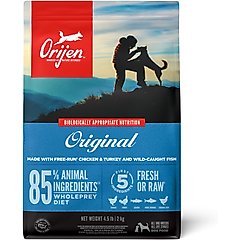
Credit: www.petmd.com
Popular Grain-free Ingredients
Grain-free diets for dogs replace traditional grains with other ingredients. These ingredients provide energy and nutrition without wheat, corn, or rice. Pet food makers use a variety of grain-free components to meet dogs’ dietary needs. Understanding these popular ingredients helps pet owners choose the best food.
Alternative Carbohydrate Sources
Grain-free foods use different carbs to fuel dogs. These alternatives provide energy without common grains. Some popular options include:
- Sweet potatoes – rich in fiber and vitamins
- Peas – a good source of protein and fiber
- Lentils – packed with protein and minerals
- Chickpeas – offer fiber and essential nutrients
- Potatoes – easy to digest and energy-rich
These ingredients help maintain steady energy levels. They also support healthy digestion in dogs.
Protein Options In Grain-free Foods
Protein sources are vital in grain-free diets. They help build muscles and keep dogs strong. Common proteins include:
- Chicken – lean and highly digestible
- Turkey – a good alternative to chicken
- Fish – contains omega-3 fatty acids
- Lamb – gentle on sensitive stomachs
- Beef – rich in essential amino acids
These proteins provide essential nutrients and support overall health. Grain-free diets often combine several proteins for balance.
Credit: wefeedraw.com
Frequently Asked Questions
What Is A Grain-free Diet For Dogs?
A grain-free diet excludes wheat, corn, rice, and other grains. It focuses on proteins, vegetables, and fruits, catering to dogs with grain allergies or sensitivities.
Are Grain-free Diets Healthier For Dogs?
Grain-free diets can benefit dogs with allergies or digestive issues. However, they are not always healthier for all dogs. Consult your vet before switching diets.
Can Grain-free Diets Cause Health Problems?
Some grain-free diets have been linked to heart problems in dogs. Always choose balanced, vet-approved formulas to ensure your dog’s health and nutrition.
Which Dogs Benefit Most From A Grain-free Diet?
Dogs with grain allergies, sensitivities, or certain health conditions benefit most. Puppies or dogs with no issues may not need a grain-free diet.
Conclusion
A grain-free diet can help dogs with certain allergies or sensitivities. It focuses on proteins and vegetables instead of grains. Not all dogs need this type of diet. Always check with a vet before making changes. Watch your dog’s health and energy after switching foods.
A balanced diet is key for a happy, healthy dog. Choose the best option based on your dog’s needs. Care and attention make all the difference.