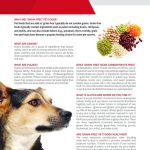

Are you wondering if it’s okay to feed your puppy adult dog food? You want what’s best for your furry friend, but the choices can be confusing.
Feeding the wrong food could affect your puppy’s growth and health. You’ll discover why your puppy’s diet matters so much and what could happen if you switch to adult dog food too soon. Keep reading to make sure your puppy gets the perfect start in life.
Puppy Nutritional Needs
Puppies have special nutritional needs that differ from adult dogs. Their bodies grow fast, and they need proper food to support healthy development. Feeding the right diet helps build strong bones, muscles, and organs. It also supports their immune system and brain growth. Understanding these needs is important to keep puppies healthy and active.
Growth And Development Requirements
Puppies grow quickly during the first year. Their bodies need more calories than adult dogs. These calories fuel their energy and growth. Nutrients like protein help build muscles and tissues. Fat provides energy and supports brain development. Puppies also need more vitamins and minerals for healthy bones and teeth. Feeding adult dog food may not meet these higher demands.
Essential Nutrients For Puppies
Proteins are vital for building new cells and repairing tissues. Puppies need higher protein levels than adults. Fats supply energy and help absorb vitamins. Calcium and phosphorus support bone strength. DHA, a type of omega-3 fatty acid, aids brain and eye development. Vitamins like A, D, and E protect health and growth. Adult dog food often lacks these higher nutrient levels required by puppies.
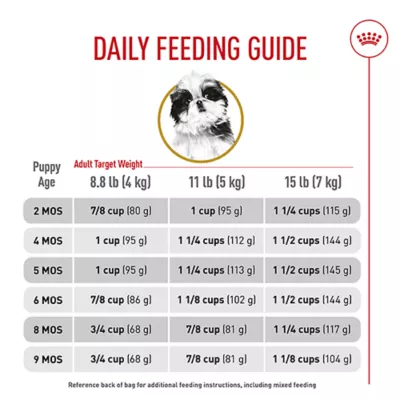
Credit: www.petsmart.com
Differences Between Puppy And Adult Dog Food
Feeding your puppy the right food is crucial for their growth and health. Puppy food and adult dog food are formulated differently to meet the needs of dogs at various life stages. Understanding these differences can help you decide if it’s safe to feed your puppy adult dog food or not.
Calorie And Protein Content
Puppies need more calories than adult dogs because they are growing rapidly and have higher energy demands. Puppy food contains higher calorie levels to fuel their active development.
Protein content is also higher in puppy food to support muscle growth and tissue repair. Adult dog food usually has fewer calories and less protein since adult dogs need to maintain their weight rather than grow.
Feeding your puppy adult food may not provide enough energy or protein, which could slow their growth or affect their health. Have you noticed your puppy lacking energy or not gaining weight? This could be a sign their diet needs adjusting.
Vitamin And Mineral Variations
Vitamins and minerals in puppy food are carefully balanced to help with bone development and immune system strength. For example, calcium and phosphorus levels are higher in puppy food to support strong bones and teeth.
Adult dog food has different levels of these nutrients to avoid excesses that could harm mature dogs. Feeding your puppy adult food might lead to vitamin or mineral deficiencies or imbalances that affect their development.
Think about your puppy’s long-term health—are you providing the nutrients they need to thrive, or just enough to get by? Choosing the right formula can make a big difference in their growth and wellbeing.
Risks Of Feeding Adult Food To Puppies
Feeding your puppy adult dog food might seem like a simple shortcut, but it carries real risks that could affect your puppy’s health and development. Puppies have very specific nutritional needs that adult dog food often does not meet. Understanding these risks helps you make the best choice for your furry friend’s growth and well-being.
Potential Nutritional Deficiencies
Adult dog food usually lacks the right balance of nutrients puppies need. For example, puppies require more protein and fat to support rapid growth and energy demands. Adult food often has lower levels of these essential nutrients.
Calcium and phosphorus levels in adult food may also be too low for puppies. These minerals are crucial for healthy bone development. Feeding adult food could lead to weaker bones or developmental issues over time.
Have you noticed your puppy seems less energetic or is not growing as expected? This could be a sign of missing vital nutrients found only in puppy-specific diets.
Impact On Growth And Health
Improper nutrition from adult dog food can stunt your puppy’s growth. Puppies grow fast, and their bodies need extra calories and nutrients to keep up. Adult food’s calorie content often falls short.
Feeding adult food may also affect your puppy’s immune system. Puppies rely on a nutrient-rich diet to build strong defenses against diseases. Without it, they can get sick more easily.
Consider the long-term effects: slow growth, weak bones, and frequent illnesses can lead to costly vet visits and heartache. Wouldn’t you want to prevent these problems by choosing the right food from the start?
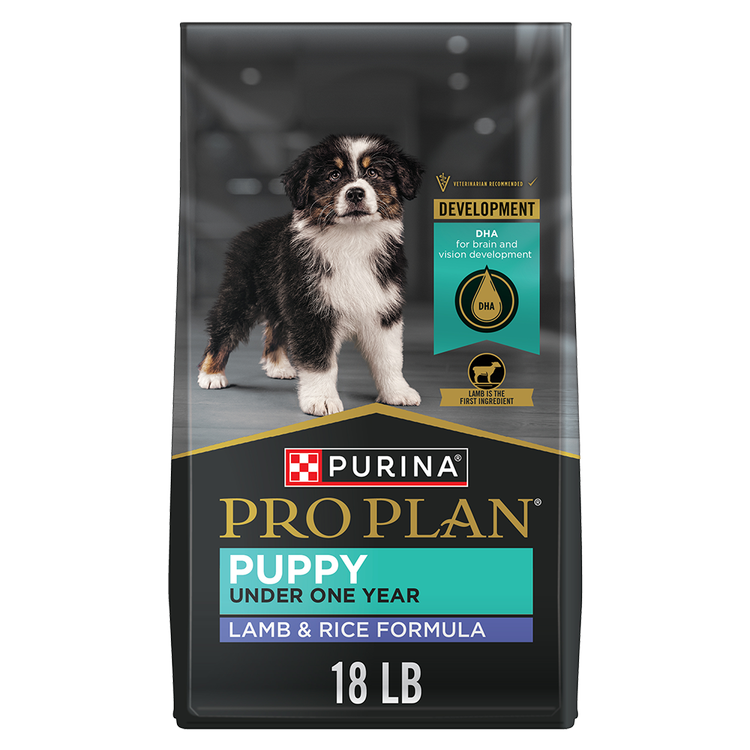
Credit: www.purina.com
When Adult Dog Food Might Be Appropriate
Deciding whether to feed your puppy adult dog food can be tricky. While puppies usually need special nutrition to support their growth, there are situations where adult dog food might be a suitable choice. Understanding these moments helps you make informed decisions for your puppy’s health and development.
Transition Periods
There are natural transition phases when switching your puppy from puppy food to adult food is necessary. Usually, this change happens around 12 months of age, but some breeds mature faster or slower. During this time, gradually mixing adult food with puppy food can ease the change and avoid stomach upset.
If you’ve ever tried suddenly changing your puppy’s diet, you know it can cause diarrhea or refusal to eat. A slow transition over 7 to 10 days lets your puppy adjust to the new taste and nutrients. This period is a safe window where adult dog food can start appearing in your puppy’s meals without risk.
Veterinarian Recommendations
Your vet is the best guide when considering adult dog food for your puppy. Sometimes, health issues like obesity, allergies, or digestive problems mean a vet might suggest adult food with specific formulas. They may also recommend adult dog food if your puppy is growing too fast or has special dietary needs.
Have you asked your vet about your puppy’s diet during your last visit? If not, bring it up next time. Tailoring the diet based on your puppy’s breed, size, and health ensures you’re not just guessing but making a choice backed by professional advice.
Signs Your Puppy Needs A Diet Adjustment
Puppies need the right food to grow strong and healthy. Feeding them adult dog food can cause problems. Watch for signs that your puppy might need a diet change. These signs show if the current food is not meeting their needs. Paying attention helps keep your puppy happy and healthy.
Physical Symptoms To Watch For
- Slow or stunted growth
- Dry or dull coat
- Frequent diarrhea or upset stomach
- Low energy or weakness
- Excessive hunger or weight loss
- Swollen belly or bloating
These symptoms suggest your puppy’s diet lacks nutrients. Puppies need food rich in protein, fats, vitamins, and minerals. Adult dog food might not provide enough for their growth.
Behavioral Changes
- Increased irritability or restlessness
- Lack of interest in play or exercise
- Excessive whining or crying
- Difficulty sleeping or staying calm
Changes in behavior can signal discomfort or hunger. Puppies may feel tired or uneasy without proper nutrition. Adjusting their diet can improve mood and energy levels quickly.
Choosing The Right Food For Your Puppy
Choosing the right food for your puppy is very important for healthy growth. Puppies need special nutrients to build strong bones and muscles. Feeding them adult dog food can miss key vitamins and minerals. Careful food choice supports their energy and brain development.
Reading Labels And Ingredients
Look closely at food labels to find the best option. Ingredients show what the food contains. Choose foods with real meat as the first ingredient. Avoid fillers like corn or wheat that add little nutrition.
Check for added vitamins and minerals such as calcium and DHA. These help with bone strength and brain growth. Foods labeled “complete and balanced” meet nutritional standards for puppies. Avoid adult dog foods that lack these nutrients.
Consulting Professionals
Veterinarians are a great resource for puppy nutrition. They can recommend foods based on breed, size, and health needs. Pet nutritionists also provide advice on the best diet for your puppy’s age.
Professional advice helps prevent growth problems and allergies. It ensures your puppy gets the right food for a strong start. Regular check-ups allow adjustments to diet as your puppy grows.
Homemade Vs. Commercial Puppy Diets
Choosing the right diet for your puppy is crucial for healthy growth. Both homemade and commercial diets offer unique advantages and challenges. Understanding these can help in making an informed choice that supports your puppy’s development.
Benefits And Drawbacks
Homemade diets let you control every ingredient. You can tailor meals to your puppy’s taste and allergies. Fresh ingredients often appeal more to picky eaters. Yet, preparing balanced meals takes time and knowledge. Missing vital nutrients can harm puppy growth.
Commercial diets are convenient and designed to meet nutritional needs. They undergo strict quality checks and meet regulatory standards. Many brands offer formulas specifically for puppies. Some puppies may dislike the taste or have sensitivities to certain ingredients.
Ensuring Balanced Nutrition
Puppies need the right balance of proteins, fats, vitamins, and minerals. Homemade diets require careful planning and sometimes supplements. Consulting a vet or pet nutritionist can help create a balanced recipe.
Commercial diets are formulated to provide complete nutrition. Check the label for AAFCO approval, which ensures the food meets puppy requirements. Monitor your puppy’s growth and health to confirm the diet suits them well.
Expert Tips For Feeding Puppies
Puppies need special food made for their growth and energy needs. Feeding adult dog food to puppies can miss important nutrients for their development. Choose puppy food to support healthy bones, muscles, and brain growth.
Introducing a puppy to the right diet is crucial for their growth and health. Puppies have different nutritional needs compared to adult dogs, so feeding them appropriately is vital. Understanding these needs helps you avoid common pitfalls and ensures a happy, healthy pup. Experts recommend specific guidelines to make feeding easier and safer for your young canine friend.Feeding Schedules And Portions
Setting a feeding schedule is essential for your puppy’s routine. Puppies thrive on consistency, so aim to feed them at the same times each day. Typically, younger puppies need to eat three to four times daily, gradually reducing as they grow. Portion control is another key factor. Use the guidelines on puppy food packaging as a starting point, but be ready to adjust. Monitor your puppy’s weight and activity level, and consult your vet to determine the right amount.Avoiding Common Mistakes
One mistake many new pet owners make is switching to adult dog food too soon. Puppies require a diet rich in calories, protein, and specific nutrients like calcium. Adult dog food may not meet these needs, potentially leading to growth issues. Avoid overfeeding, which can cause obesity and related health problems. Keep an eye on treat intake; they should not exceed 10% of your puppy’s daily caloric intake. Have you ever noticed your puppy acting out of sorts after a meal? It might be the food. Always check the ingredients and avoid foods with fillers and artificial additives. Opt for high-quality, well-reviewed puppy food to ensure they’re getting the best start in life.
Credit: us.eukanuba.com
Frequently Asked Questions
Is Adult Dog Food Safe For Puppies?
Adult dog food lacks essential nutrients puppies need for growth. Feeding it can cause deficiencies and health issues. Puppies require higher protein, fat, and calorie content for development. It’s best to feed puppy-specific food until they mature to ensure proper nutrition and health.
What Happens If A Puppy Eats Adult Dog Food?
If a puppy eats adult dog food, it may miss vital nutrients. This can slow growth, weaken immunity, and cause digestive problems. Occasional small amounts might not harm, but consistent feeding is unsafe. Always provide age-appropriate food for balanced nutrition and healthy development.
When Should I Switch My Puppy To Adult Food?
Switch puppies to adult food around 12 months old. Large breeds may need more time, up to 18-24 months. Consult your vet for the best timing based on breed and growth. Transition gradually to avoid digestive upset and ensure proper nutrition.
Can Adult Dog Food Cause Digestive Issues In Puppies?
Yes, adult dog food can cause digestive issues in puppies. It has less fat and protein, which puppies need for energy. This imbalance can lead to diarrhea or constipation. Feeding puppy-specific food supports healthy digestion and nutrient absorption during growth.
Conclusion
Feeding a puppy adult dog food can affect their growth and health. Puppies need special nutrients for strong bones and energy. Adult food lacks some important vitamins and minerals puppies require. It’s best to choose food made just for puppies.
This helps them grow healthy and stay active. Always check with a vet before changing your puppy’s diet. Good food builds a strong, happy dog. Taking care now saves trouble later. Choose wisely for your puppy’s bright future.