Training your dog to become a service dog is a big step that can change both your lives for the better. But where do you start?
Finding the right place to train your dog is key to making sure they learn the skills they need to help you every day. You’ll discover the best options for training your dog, whether you want professional guidance or prefer to do it yourself.
Keep reading to find out how to set your dog up for success and make the process smoother for both of you.
Choosing The Right Training Facility
Choosing the right training facility for your service dog is crucial. The environment, expertise, and support available can make a big difference in how well your dog learns and adapts. You want a place that matches your specific needs and helps your dog reach their full potential.
Certified Service Dog Trainers
Look for trainers with proper certification in service dog training. Certification shows they have the knowledge and experience to handle the unique challenges of training service dogs. You might ask, “Does this trainer understand the specific tasks my dog needs to perform?”
Certified trainers often use proven techniques and keep up with industry standards. Their expertise can save you time and frustration. Don’t hesitate to request references or watch training sessions before making a decision.
Facility Accreditation And Standards
Check if the training facility holds accreditation from recognized organizations. Accredited facilities meet certain quality and safety standards that protect both you and your dog.
Ask about their training methods and how they customize programs for different disabilities. A facility that follows strict guidelines is likely to provide consistent, reliable training. You deserve a place that values professionalism and your dog’s well-being.
Location And Accessibility
Consider how easy it is for you to get to the training facility. Frequent visits will be necessary, so proximity matters. Is the location accessible by public transport or car?
Also, think about your dog’s comfort. A busy, noisy area might not be ideal for all dogs. Finding a facility that balances convenience with a calm environment can improve your dog’s learning experience.
Credit: www.servicedogcertifications.org
Types Of Service Dog Training Programs
Training your dog to become a reliable service animal involves choosing the right type of program that fits your lifestyle and learning preferences. There are several training options available, each with unique benefits and challenges. Understanding these options can help you make an informed decision and set your dog on the path to success.
In-person Training Options
In-person training offers hands-on guidance from professional trainers who specialize in service dogs. These sessions provide real-time feedback and allow trainers to observe both you and your dog closely. Many people find this approach effective because trainers can immediately adjust techniques based on your dog’s behavior.
Local training centers often provide structured programs that include obedience, task training, and socialization. Have you considered how much personalized attention your dog might need? In-person training can also create a community around you, connecting you with other service dog handlers.
Online And Remote Training
Online training programs offer flexibility, allowing you to work at your own pace from home. These courses typically include video tutorials, live webinars, and virtual coaching sessions. This option works well if you have a busy schedule or limited access to local trainers.
However, remote training demands a high level of commitment and self-discipline. You might ask yourself: Are you confident in applying techniques without immediate hands-on support? Some programs provide downloadable guides and checklists to keep you on track.
Private Vs Group Sessions
Deciding between private and group training sessions depends on your dog’s personality and your training goals. Private sessions offer personalized instruction tailored specifically to your dog’s needs. This one-on-one time can accelerate learning and address unique challenges.
Group sessions, on the other hand, expose your dog to distractions and social situations essential for service dog readiness. They also allow you to learn from the experiences of other handlers. What kind of environment helps your dog focus best? Both options have their place, and sometimes combining them yields the best results.
Key Training Techniques For Service Dogs
Service dogs need training in calm, distraction-free places to learn tasks well. Many trainers use specialized centers or quiet homes to help dogs focus. Consistent practice in real-life settings improves a dog’s skills and confidence.
Training a dog to become a service dog is a rewarding journey that requires dedication and specific techniques. Service dogs are trained to assist individuals with disabilities, enhancing their quality of life. Understanding the key training techniques is crucial in shaping a reliable service dog. Let’s dive into some of the essential methods used in service dog training.Basic Obedience Skills
Start with basic obedience skills as the foundation for any service dog. Commands like sit, stay, come, and heel are essential. These skills ensure that your dog listens to you in various environments. Consistency is key. Reinforce positive behavior with treats or praise. Practice these commands in different settings to help your dog generalize the behavior.Task-specific Training
Service dogs are trained to perform specific tasks tailored to an individual’s needs. Whether it’s retrieving items, opening doors, or providing deep pressure therapy, task-specific training is vital. Break down each task into small, manageable steps. Use positive reinforcement to encourage success at each stage. Patience is important; complex tasks might take time to master.Socialization And Public Access
Socialization is crucial for service dogs. They must remain calm and focused in public spaces. Exposure to various environments, people, and noises helps your dog adapt. Take your dog to stores, parks, and public transportation. Gradually introduce new experiences to build their confidence. Remember, a well-socialized service dog is less likely to be distracted or anxious in public. Training a service dog is a commitment that requires patience, consistency, and love. What unique challenges have you faced in training your dog? Share your stories and insights in the comments!Evaluating Trainer Experience And Success Rates
Choosing the right place to train your dog as a service dog requires careful evaluation of the trainer’s experience and success rates. The quality of training impacts your dog’s ability to assist effectively. Understanding a trainer’s background and track record helps ensure your dog receives the best education and care.
Trainer Certifications And Credentials
Certified trainers follow established standards for service dog training. Look for credentials from recognized organizations. These certifications prove the trainer knows proper techniques and ethical practices. Trainers with advanced certifications often provide higher-quality training. Check if the trainer stays updated with new methods and laws related to service dogs.
Client Testimonials And Reviews
Client feedback reveals real experiences with the trainer. Positive testimonials show the trainer’s ability to meet client needs. Look for detailed reviews describing the dog’s progress and trainer support. Consistent satisfaction among clients indicates reliability. Negative reviews may highlight issues in communication or training methods.
Tracking Training Progress
Effective trainers track the dog’s development step-by-step. They use clear goals and regular assessments. Progress reports help owners understand how training is advancing. Trainers who share updates build trust and keep owners involved. Tracking ensures the dog is ready for service tasks at the right time.
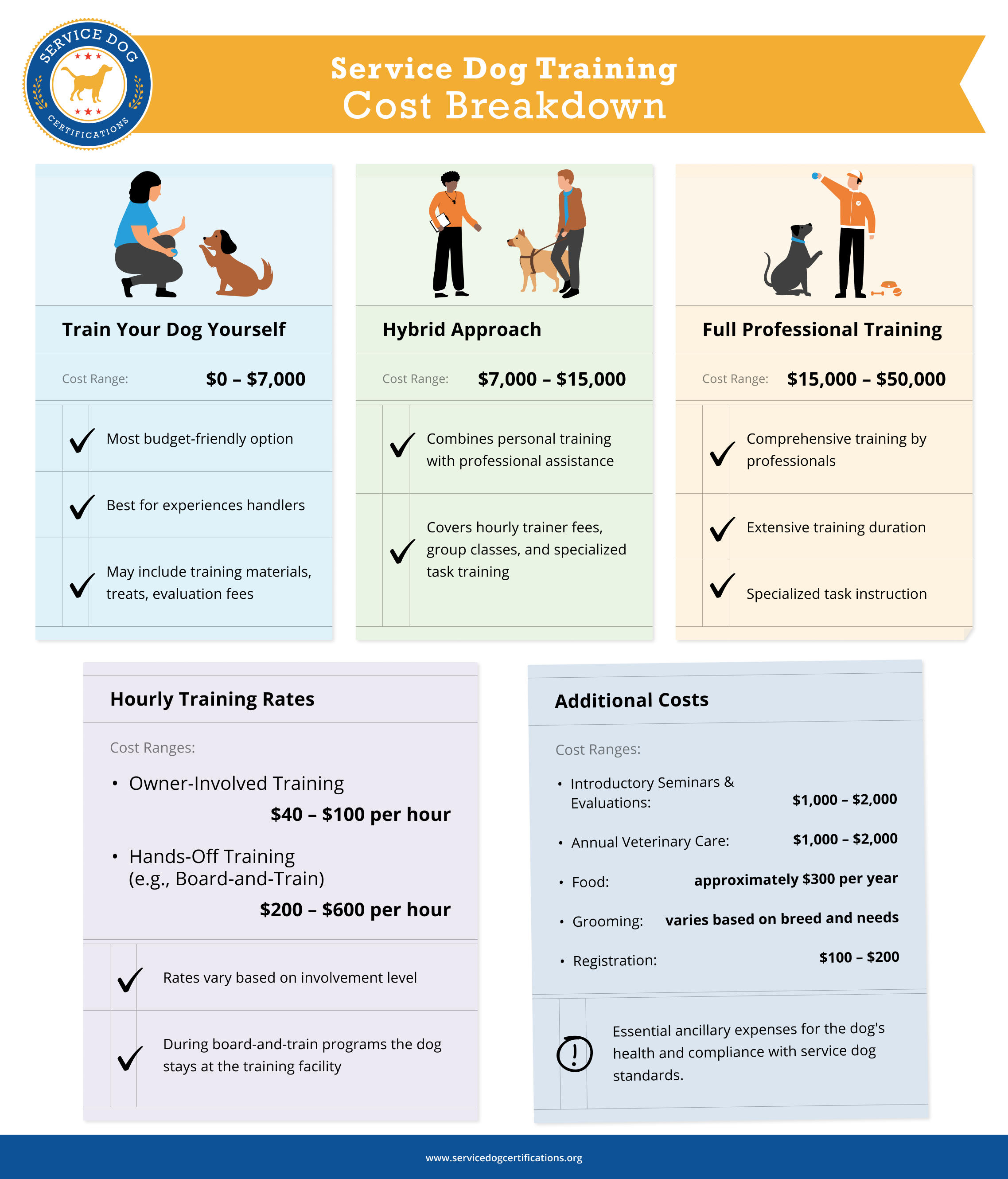
Costs And Financial Considerations
Training a dog to become a service dog involves various costs. Understanding these financial aspects helps you plan better. Costs can vary widely depending on the training program and your dog’s needs. Preparing for all expenses ensures a smoother experience.
Training Program Fees
Service dog training programs often charge significant fees. These fees cover basic obedience and specialized tasks. Prices can range from a few thousand to over twenty thousand dollars. Programs with experienced trainers and certifications tend to cost more. Group classes usually cost less than private training sessions.
Additional Expenses To Expect
Beyond training fees, other costs arise. You may need to buy special equipment like vests and leashes. Veterinary care, including vaccinations and health checks, adds to expenses. Travel costs might occur if the training center is far away. Food and grooming supplies also increase the budget. These smaller expenses add up quickly over time.
Funding And Assistance Options
Financial help may be available to reduce your burden. Some nonprofits offer grants or sponsorships for service dog training. Fundraising through community events or online platforms can support your cause. Government programs sometimes provide assistance for disability-related needs. Check local organizations for scholarships or low-cost training options. Exploring these paths can make training more affordable.
Legal Requirements And Certification
Training a dog to become a service dog involves more than teaching skills. Legal rules shape how service dogs are recognized and used. Understanding these rules helps trainers and owners avoid problems. Knowing the laws ensures the dog’s rights are protected in public spaces. Certification and registration often confuse people. Clearing up these terms helps in choosing the right path for your service dog. Maintaining a service dog’s status requires ongoing care and compliance with laws.
Service Dog Laws And Rights
Service dogs have specific rights under the law. The Americans with Disabilities Act (ADA) protects these rights in the U.S. Service dogs can enter most public places with their handlers. Businesses must allow access without extra fees. Handlers do not need to show proof of certification. Only two questions can be asked:
- Is the dog required because of a disability?
- What work or task does the dog perform?
Other laws may apply depending on your state or country. Knowing these laws helps avoid misunderstandings and fines.
Certification Vs Registration
No official government certification exists for service dogs under the ADA. Many websites offer certificates or registrations for sale. These do not guarantee legal status. True service dog status comes from training and the handler’s disability need. Certification programs may help with training skills but are not legally required. Registration is often a marketing tool, not a legal document. Trust only reputable trainers and organizations for service dog training.
Maintaining Service Dog Status
Ongoing training keeps a service dog reliable and effective. The dog must behave well in public at all times. Handler responsibility includes regular exercise and health care. If a dog shows aggression or poor behavior, access rights can be lost. Training should focus on the tasks needed by the handler. Regular practice helps the dog stay sharp and responsive. Keeping documentation of training may help in some cases.
Preparing Your Dog For Service Work
Preparing your dog for service work involves careful planning and training. It starts with understanding your dog’s natural abilities and personality. Service dogs need to be calm, focused, and obedient. Training takes time and patience to build these skills.
Training also requires early socialization and good health. A healthy, well-socialized dog adapts better to new environments. This makes service work more successful and less stressful for the dog.
Selecting The Right Breed And Temperament
Choosing the right breed is crucial for service work. Some breeds have natural traits that suit this role. Look for breeds known for intelligence, calmness, and trainability. Labrador Retrievers, Golden Retrievers, and German Shepherds are popular choices.
Temperament matters more than breed alone. The dog must be gentle, patient, and confident. Avoid dogs that are overly shy or aggressive. A service dog must stay calm around strangers and in busy places.
Early Socialization Tips
Start socializing your dog early. Expose your puppy to many different people, places, and sounds. This reduces fear and builds confidence. Use positive experiences to make these new things fun.
- Invite guests to meet your puppy
- Visit parks and busy streets
- Introduce various noises and objects
- Reward calm behavior during socialization
Early socialization helps your dog stay calm and focused. This skill is essential for service work in public areas.
Health And Fitness Requirements
Good health is a must for service dogs. Regular veterinary check-ups keep your dog free from illness. Vaccinations and parasite control protect your dog and others.
Service dogs need strong muscles and stamina. Daily exercise keeps them fit and ready for work. Activities like walking, running, and play build endurance. A healthy diet supports energy and overall health.
Monitor your dog’s weight and energy levels. A fit dog performs better and lasts longer in service roles.

Credit: pawswithacause.org
Ongoing Support And Refresher Training
Training a service dog does not end after initial certification. Ongoing support and refresher training keep your dog sharp and reliable. Regular practice helps maintain skills and good behavior. This section covers how to continue education, handle challenges, and find support.
Continuing Education For Service Dogs
Service dogs need regular training sessions to stay effective. Teach new tasks or improve existing ones. Short, frequent sessions work best. Use positive reinforcement to encourage learning. Keep training fun to prevent boredom. This helps your dog respond well in different situations.
Handling Behavioral Challenges
Behavior problems can appear even after training. Address issues early to avoid bigger problems. Watch for signs like anxiety or distraction. Use calm, consistent correction methods. Reward good behavior immediately. Seek professional help if problems persist. A well-behaved service dog improves safety and trust.
Support Networks And Resources
Connect with other service dog handlers for advice and encouragement. Join local or online groups focused on service dogs. Trainers and veterinarians can offer expert guidance. Use resources like workshops, books, and videos. Regular support helps you stay confident in managing your dog.

Credit: www.youtube.com
Frequently Asked Questions
Where Can I Train My Dog To Be A Service Dog?
You can train your dog at specialized service dog training centers, certified trainers, or through professional organizations. Some programs offer in-home training or group classes. Choose based on your dog’s needs, your budget, and the type of service required for effective, tailored training.
How Long Does Service Dog Training Usually Take?
Service dog training typically lasts 6 months to 2 years. The duration depends on the dog’s age, breed, and the complexity of tasks. Consistent practice and professional guidance speed up the process, ensuring the dog masters essential skills for reliable service work.
What Qualifications Should A Service Dog Trainer Have?
Service dog trainers should be certified by recognized organizations like the International Association of Assistance Dog Partners. Experience with service dog tasks, positive reinforcement methods, and knowledge of disability laws are essential. Proper credentials ensure effective and ethical training for your service dog.
Can I Train My Dog To Be A Service Dog At Home?
Yes, you can train your dog at home with proper guidance. Use online resources, books, or virtual trainers. However, professional support is crucial for complex tasks and public access training. Combining home practice with expert help improves success and dog reliability.
Conclusion
Training your dog to be a service dog takes time and patience. Choose a place that fits your needs and goals. Look for trainers with experience and good reviews. A strong bond between you and your dog helps learning. Practice regularly and stay consistent every day.
Your dog can become a great helper with the right training. Keep your focus on kindness and clear communication. This journey will bring rewards for both you and your dog. Start early, stay committed, and enjoy the process.