Are you looking to give your dog a healthier, tastier meal? Making homemade dog food can be a great way to control exactly what goes into your furry friend’s bowl.
But what’s a good homemade dog food recipe that’s both nutritious and easy to prepare? You’ll discover simple ingredients and step-by-step instructions to create meals your dog will love. Keep reading to find out how you can boost your dog’s health and happiness with food made by you.
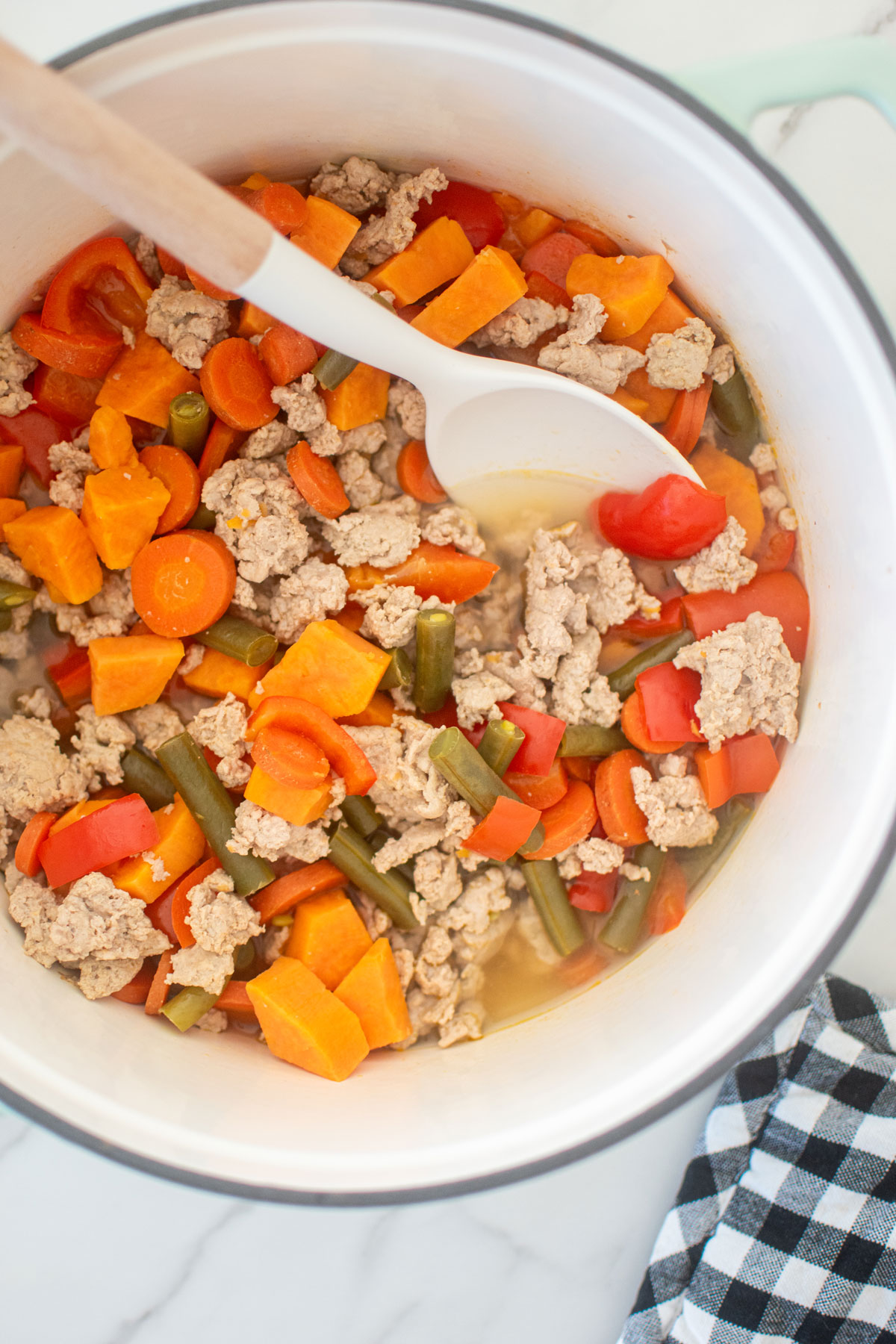
Credit: mimisorganiceats.com
Benefits Of Homemade Dog Food
Homemade dog food offers many benefits for your pet’s health and well-being. Preparing meals at home gives you a chance to provide fresh, nutritious food tailored to your dog’s needs. It helps avoid fillers and artificial additives often found in commercial dog food. Making food yourself allows close monitoring of what your dog eats, leading to better health outcomes.
Health Advantages
Homemade food is rich in natural nutrients and free from harmful preservatives. It supports better digestion and stronger immune systems. Dogs often show improved energy and shinier coats. Custom meals can address allergies or sensitivities, reducing skin problems and stomach issues.
Control Over Ingredients
Choosing each ingredient means you know exactly what your dog consumes. You can avoid harmful chemicals, additives, and low-quality fillers. This control helps ensure balanced nutrition with fresh proteins, vegetables, and grains. Tailoring meals suits your dog’s age, size, and health conditions perfectly.
Cost Considerations
Homemade dog food can be budget-friendly with proper planning. Buying ingredients in bulk and using seasonal produce lowers costs. Avoid expensive commercial brands that include unnecessary ingredients. Preparing meals at home reduces waste and offers better portion control.
Essential Nutrients For Dogs
Your dog’s health depends heavily on the nutrients you provide in their meals. Understanding essential nutrients helps you create homemade dog food that supports their energy, growth, and overall well-being.
Every nutrient plays a role, but some are more critical than others. Knowing which ones to include ensures your dog gets balanced and complete nutrition.
Proteins And Fats
Proteins build muscles, repair tissues, and support immune function. Good sources include chicken, beef, turkey, and fish.
Fats provide energy and help absorb vitamins. Healthy fats come from fish oil, flaxseed, and chicken fat.
Think about the last time your dog was extra active. That energy came from proteins and fats working together.
Carbohydrates And Fiber
Carbohydrates supply quick energy for daily activities. Brown rice, sweet potatoes, and oats are dog-friendly options.
Fiber aids digestion and keeps your dog’s gut healthy. Vegetables like carrots, green beans, and pumpkin are excellent sources.
Have you noticed your dog’s stool quality change after switching foods? Fiber often plays a key role in those differences.
Vitamins And Minerals
Vitamins support everything from vision to skin health. Leafy greens, eggs, and liver are rich in vitamins your dog needs.
Minerals like calcium and phosphorus strengthen bones and teeth. Dairy products and bonesafe chews can help supply these.
Missing just one vitamin or mineral can affect your dog’s health subtly but significantly. Are you confident your recipe covers them all?
Safe Ingredients To Use
Choosing safe ingredients is key for homemade dog food. Dogs need balanced nutrients to stay healthy and active. Using fresh, natural foods helps avoid harmful additives. Always pick ingredients that support your dog’s digestion and energy levels.
Meats And Proteins
Protein is essential for muscle and tissue health. Safe meats include:
- Chicken (cooked, no bones)
- Turkey (lean cuts)
- Beef (grass-fed preferred)
- Lamb (moderate fat)
- Fish like salmon (rich in omega-3)
- Eggs (boiled or scrambled)
Avoid processed meats or those with added salt and spices. Cook all meats thoroughly to kill bacteria.
Vegetables And Fruits
Vegetables add fiber, vitamins, and minerals. Safe options include:
- Carrots (raw or cooked)
- Green beans (steamed)
- Sweet potatoes (boiled or baked)
- Peas (fresh or frozen)
- Apples (seedless slices)
- Blueberries (fresh or frozen)
Never feed onions, garlic, grapes, or raisins. These can harm your dog.
Grains And Supplements
Grains provide energy and fiber. Safe grains include:
- Brown rice (cooked)
- Oatmeal (plain, cooked)
- Quinoa (rinsed and cooked)
Supplements may help with nutrients dogs miss. Common supplements are fish oil, calcium, and multivitamins made for dogs. Always check with a vet before adding supplements to your dog’s diet.
Common Ingredients To Avoid
Knowing what to leave out of your homemade dog food is just as important as knowing what to include. Certain ingredients can cause serious health issues or allergic reactions in dogs. Avoiding these can keep your furry friend happy and healthy while you prepare their meals.
Toxic Foods For Dogs
Some everyday foods are actually dangerous for dogs. Chocolate, grapes, raisins, onions, and garlic can cause severe poisoning or even be fatal. Even small amounts of these should never find their way into your dog’s bowl.
Did you know that xylitol, a common sugar substitute in gum and baked goods, can cause a rapid insulin spike in dogs? This leads to low blood sugar and can quickly become life-threatening. Always double-check ingredient labels before feeding anything to your dog.
Harmful Additives
Processed foods often contain additives that may harm your dog. Artificial preservatives like BHA, BHT, and ethoxyquin can cause allergic reactions or long-term health problems. It’s best to avoid these by using fresh, whole ingredients instead.
Salt and sugar might seem harmless, but too much can upset your dog’s digestive system and contribute to obesity. Instead of seasoning homemade meals heavily, focus on natural flavors from fresh meats and vegetables.
Allergenic Ingredients
Dogs, like people, can have food allergies or sensitivities. Common allergens include wheat, corn, soy, and dairy. If your dog shows signs of itching, digestive upset, or ear infections, it may be time to reconsider these ingredients.
Many dog owners find that switching to limited ingredient recipes helps pinpoint and avoid allergens. Have you noticed any reactions after feeding certain foods? Keeping a food diary can help you identify triggers and tailor your dog’s diet accordingly.
Easy Homemade Dog Food Recipes
A good homemade dog food recipe includes simple ingredients like lean meat, rice, and vegetables. It provides balanced nutrition and is easy to prepare. Dogs enjoy fresh, natural meals made with care at home.
Looking to treat your furry friend with a nutritious and tasty meal? Easy homemade dog food recipes can be a great way to ensure that your pet gets the best quality ingredients. By making dog food at home, you have the power to choose fresh and wholesome ingredients while avoiding additives and preservatives. Plus, cooking for your dog can be a fun and rewarding experience. Let’s dive into some simple and delicious recipes that you and your dog will love.Simple Chicken And Rice
A classic choice, chicken and rice is gentle on your dog’s stomach and packed with nutrients. Start by boiling one cup of boneless, skinless chicken breast until fully cooked. Shred the chicken and mix it with half a cup of cooked white rice. Add a handful of peas and carrots for extra vitamins and fiber. Your dog will enjoy the savory taste while benefiting from the protein and carbohydrates. This recipe is not only nutritious but also easy to make, saving you time and effort.Beef And Vegetable Mix
For a hearty meal, try a beef and vegetable mix. Cook one pound of ground beef in a skillet until browned. Drain the excess fat and add one cup of chopped vegetables like carrots, broccoli, and spinach. Mix in half a cup of cooked quinoa or oats for added fiber and protein. Does your dog seem to prefer variety in their meals? This recipe allows you to switch up the vegetables based on what you have in the kitchen, keeping meals interesting for your pet.Fish And Sweet Potato
Fish and sweet potato can be a delicious and healthy option, especially for dogs with food allergies. Bake or grill one fillet of salmon until cooked through. Flake the salmon and mix it with one cup of mashed sweet potatoes. Add a teaspoon of fish oil for shiny fur and healthy skin. This recipe is rich in omega-3 fatty acids, promoting your dog’s overall health. It’s a flavorful choice that can make your dog’s mealtime exciting and nutritious. These easy recipes offer a great way to bond with your dog while ensuring they eat healthily. Which recipe do you think your dog will enjoy the most?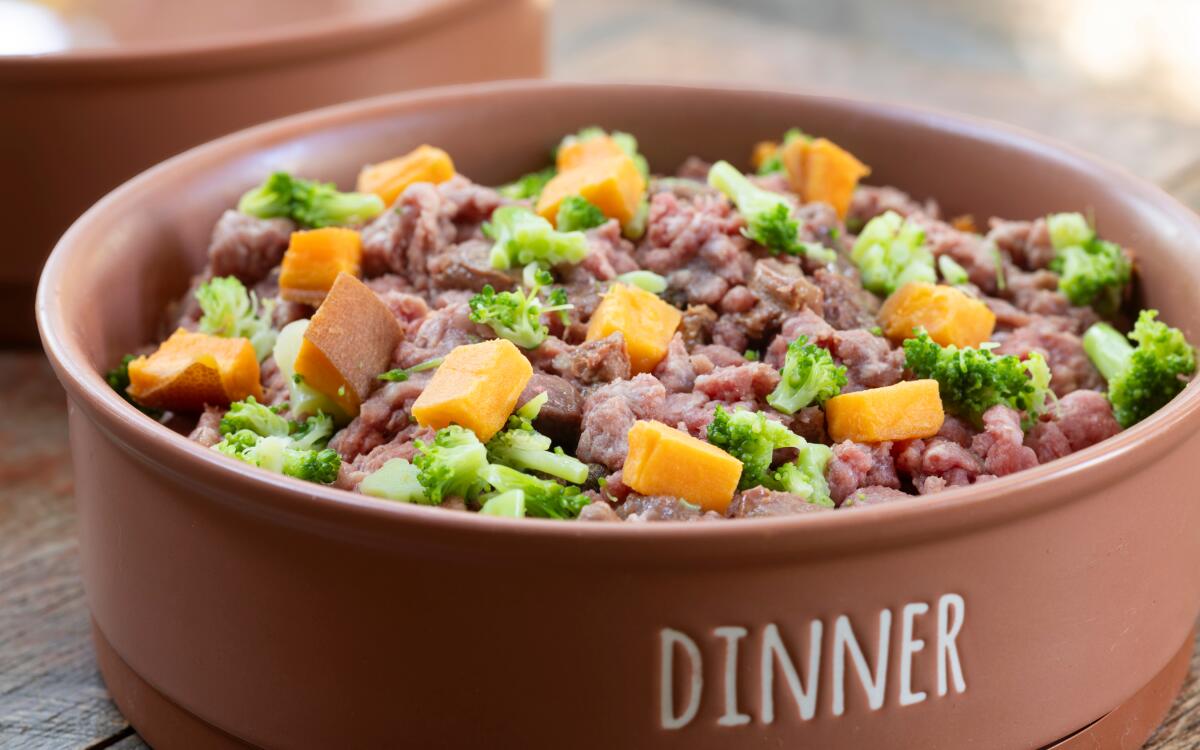
Credit: www.latimes.com
Preparation And Storage Tips
Preparing homemade dog food requires careful attention to keep it healthy and safe. Proper cooking methods help retain nutrients and kill harmful bacteria. Correct portioning ensures your dog gets the right amount of food without waste. Safe storage protects the food from spoiling and maintains freshness for later meals.
Cooking Methods
Choose gentle cooking methods to keep nutrients intact. Boiling and steaming are excellent for vegetables and meats. Avoid frying or using high heat, which can destroy vitamins. Always cook meat thoroughly to kill bacteria but avoid overcooking to keep it tender. Use plain water, no salt or seasoning, to keep the meal healthy.
Portioning And Serving
Measure portions based on your dog’s size, age, and activity level. Small dogs need less food, while larger dogs need more. Use a kitchen scale or measuring cup for accuracy. Serve food at room temperature to avoid stomach upset. Divide meals into two or three servings daily to support digestion.
Safe Storage Practices
Store homemade dog food in airtight containers to keep freshness. Use glass or BPA-free plastic containers for safety. Refrigerate meals if using within 3-4 days. Freeze larger batches for up to 2-3 months. Label containers with the date to track freshness. Thaw frozen food in the fridge, not at room temperature. Never refreeze thawed food to prevent bacteria growth.
Adjusting Recipes For Special Needs
Adjusting homemade dog food recipes helps meet your pet’s unique health needs. Dogs vary by age, health, and dietary restrictions. Tailoring meals ensures better nutrition and wellbeing. Homemade meals can support growth, aging, and special conditions.
Puppies And Growing Dogs
Puppies need more calories and protein than adult dogs. They grow quickly and require extra nutrients. Include high-quality proteins like chicken or turkey. Add healthy fats for energy and brain development. Calcium and phosphorus support strong bones and teeth. Feed smaller, frequent meals to match their energy levels.
Senior Dogs
Older dogs need fewer calories to avoid weight gain. Protein helps maintain muscle mass but choose lean sources. Add joint-supporting ingredients like fish oil or glucosamine. Fiber aids digestion and keeps their tummy happy. Soft, easy-to-chew foods work best for worn teeth. Monitor weight and adjust portions to keep them fit.
Dogs With Allergies
Allergic dogs require careful ingredient selection. Avoid common allergens like beef, dairy, and wheat. Use novel proteins such as rabbit, duck, or venison. Incorporate hypoallergenic grains like quinoa or rice. Fresh vegetables provide vitamins without triggering reactions. Always introduce new foods slowly to watch for symptoms.
Consulting Your Veterinarian
Before you start preparing homemade meals for your dog, consulting your veterinarian is essential. Your vet understands your dog’s unique health needs and can help tailor a recipe that supports their well-being. Skipping this step might lead to nutritional gaps or health issues you could easily avoid.
Nutritional Assessments
Your veterinarian can perform a nutritional assessment to determine what your dog specifically needs. Dogs vary in their requirements based on age, breed, activity level, and existing health conditions. A vet can recommend the right balance of proteins, fats, vitamins, and minerals to keep your dog healthy.
For example, some dogs may need more omega-3 fatty acids for joint health, while others require a diet lower in fat due to pancreatitis. Have you ever wondered if your dog’s current diet really meets all their nutritional needs? A vet’s assessment can give you a clear answer.
Supplement Recommendations
Even the best homemade recipes might miss certain nutrients that are crucial for your dog. Your vet can suggest supplements to add, such as calcium, taurine, or specific vitamins. These recommendations prevent deficiencies and help maintain your dog’s overall health.
Adding supplements without guidance can be risky, so your vet’s advice is invaluable. They might recommend fish oil for a shiny coat or glucosamine for joint support. How confident are you that your homemade meals cover every essential nutrient?
Monitoring Your Dog’s Health
After switching to homemade food, continuous health monitoring is vital. Your vet can track changes in weight, coat condition, energy levels, and lab results. This ongoing check-up helps catch any nutritional imbalances early.
Regular vet visits create an opportunity to adjust your dog’s diet as needed. If your dog shows signs of digestive upset or fatigue, your vet can help tweak the recipe. Are you ready to commit to this level of care for your furry friend?

Credit: mudpuddlesandmotherhood.com
Frequently Asked Questions
What Ingredients Make A Good Homemade Dog Food Recipe?
A good homemade dog food recipe includes protein like chicken or beef, vegetables such as carrots and peas, and grains like rice. These ingredients provide balanced nutrition essential for your dog’s health and energy.
How Do I Ensure Homemade Dog Food Is Balanced?
To ensure balance, include protein, carbohydrates, fats, vitamins, and minerals. Consult a vet or canine nutritionist to tailor the recipe to your dog’s specific needs and avoid nutrient deficiencies.
Can Homemade Dog Food Improve My Dog’s Health?
Yes, homemade dog food can improve health by using fresh, high-quality ingredients. It supports digestion, reduces allergies, and enhances coat shine when properly balanced and prepared.
How Often Should I Feed My Dog Homemade Food?
Feed your dog homemade food once or twice daily, based on their size, age, and activity level. Consistency helps maintain digestion and energy throughout the day.
Conclusion
Homemade dog food can be healthy and tasty for your pet. Choose fresh ingredients like meat, rice, and vegetables. Make sure to balance nutrients for your dog’s needs. Always check with a vet before changing your dog’s diet. Cooking at home lets you control what your dog eats.
It can also save money and reduce fillers. Keep your dog’s health in mind with every meal. Simple, fresh recipes work best for happy pets. Try a recipe and watch your dog enjoy mealtime more.