
Are you wondering if it’s okay to feed your puppy adult dog food? You’re not alone.
Many pet owners ask this question because they want the best for their furry friend. Feeding the right food is crucial for your puppy’s growth, energy, and health. But could giving adult dog food cause problems? Keep reading to discover the surprising facts that could save your puppy from nutritional gaps and keep their tail wagging happily.
This information will help you make the best choice for your puppy’s diet starting today.

Credit: www.becopets.com
Nutritional Needs Of Puppies
Puppies have unique nutritional needs that differ significantly from adult dogs. Their bodies are growing rapidly, so what you feed them can impact their health and development for years to come. Understanding these needs helps you decide if adult dog food meets those demands or if a specialized puppy diet is essential.
Growth Requirements
Puppies grow at an astonishing rate, sometimes doubling their weight in just a few weeks. This rapid growth means they need more calories per pound of body weight than adult dogs.
Feeding them adult dog food often falls short because it usually contains fewer calories and lacks the precise balance of nutrients needed for growth. You might notice slower development or weaker bones if a puppy’s diet doesn’t support their energy and structural needs.
Key Nutrients For Development
Certain nutrients are crucial during puppyhood to support brain function, muscle growth, and bone strength.
- Protein:Essential for building muscle and repairing tissues. Puppies require higher protein levels than adults.
- Calcium and Phosphorus:These minerals promote strong bones and teeth but must be balanced carefully to avoid growth issues.
- DHA (Docosahexaenoic Acid):An omega-3 fatty acid that supports brain and eye development.
- Fat:Provides energy and supports healthy skin and coat.
Have you ever wondered why some puppies seem more energetic and healthy than others? Often, it comes down to these key nutrients in their diet. Skimping on any of them by using adult dog food can stunt growth or cause long-term health problems.
Differences Between Puppy And Adult Dog Food
Puppies have unique nutritional needs compared to adult dogs. Their growing bodies require special food that supports development. Puppy food is specially made to help bones, muscles, and the brain grow strong. Adult dog food does not provide the same balance of nutrients. Feeding puppies adult dog food can miss key nutrients needed for growth. Understanding the differences helps in choosing the right food for your puppy’s health.
Calorie Content Comparison
Puppy food contains more calories than adult dog food. Puppies burn more energy as they grow quickly. Higher calories support their active lifestyle and development. Adult dog food has fewer calories to prevent weight gain in less active dogs. Giving adult food to puppies might not provide enough energy for growth.
Protein And Fat Levels
Puppy food has higher protein and fat levels than adult food. Protein helps build strong muscles and tissues. Fat provides energy and supports brain development. Adult dog food has moderate protein and fat to maintain health, not growth. Puppies need richer protein and fat sources for proper development.
Vitamin And Mineral Variations
Puppy food contains extra vitamins and minerals essential for growth. Calcium and phosphorus are carefully balanced to support bone development. Adult dog food has lower amounts since adult bones are fully grown. Puppies also need more antioxidants and DHA for immune and brain health. Feeding adult food can lead to nutrient gaps in growing puppies.
Risks Of Feeding Adult Food To Puppies
Feeding adult dog food to puppies might seem convenient, but it carries several risks that could affect your puppy’s health and development. Puppies have very specific nutritional needs that adult formulas don’t meet. Ignoring these differences can lead to serious problems down the line.
Potential Nutritional Deficiencies
Puppies require higher levels of certain nutrients like protein, fat, calcium, and vitamins to support their rapid growth. Adult dog food usually contains lower amounts of these essential nutrients. If your puppy eats adult food regularly, they might miss out on what they need to build strong bones and muscles.
Have you noticed your puppy lacking energy or growing slower than expected? Nutritional gaps from adult food could be the cause. Ensuring your puppy gets the right balance can prevent these issues and help them thrive.
Digestive Issues
Your puppy’s digestive system is more sensitive than an adult dog’s. Adult dog food formulas can be harder for puppies to digest, leading to stomach upset, diarrhea, or constipation. This discomfort can make mealtime stressful for both you and your puppy.
Think about how different your own diet is when you’re feeling unwell. Puppies need gentle, easily digestible food to keep their tummies happy. Feeding adult food might mean more vet visits and sleepless nights cleaning up messes.
Impact On Growth And Immunity
Proper nutrition is vital for your puppy’s immune system and overall growth. Adult dog food lacks the right balance of antioxidants and nutrients that support a developing immune system. This could leave your puppy more vulnerable to infections and illnesses.
Have you ever wondered why puppies seem to catch colds more easily? Poor nutrition plays a big role. Giving your puppy food designed just for them helps build strong defenses and promotes healthy growth patterns.

Credit: www.petscare.com
Situations When Adult Food Might Be Used
Puppies have special dietary needs to support their rapid growth. However, there are situations where adult dog food might be used. Understanding these scenarios helps in making informed feeding decisions for your puppy.
Short-term Feeding Options
Occasionally, you may run out of puppy food unexpectedly. In such cases, feeding adult dog food for a short period is acceptable. Ensure it is a temporary solution. Check the adult food’s protein and fat levels. They should not be significantly lower than puppy food.
Veterinary Guidance
Consult a vet if considering adult food for your puppy. Some medical conditions might require specific diets. A vet can provide tailored advice. They can recommend suitable adult food options. Follow their guidance for your puppy’s health.
Emergency Scenarios
In emergencies, you may not access puppy food. Adult dog food can be a temporary substitute. Ensure it does not become a long-term solution. Always prioritize returning to puppy-specific food. Puppies need specific nutrients for growth. Keep this in mind during emergencies.
Choosing The Right Food For Puppies
Choosing the right food for puppies is crucial for their growth and overall health. Puppies have different nutritional needs compared to adult dogs, so the food you select can impact their development. Paying attention to specific details on packaging and understanding your puppy’s unique requirements will help you make the best choice.
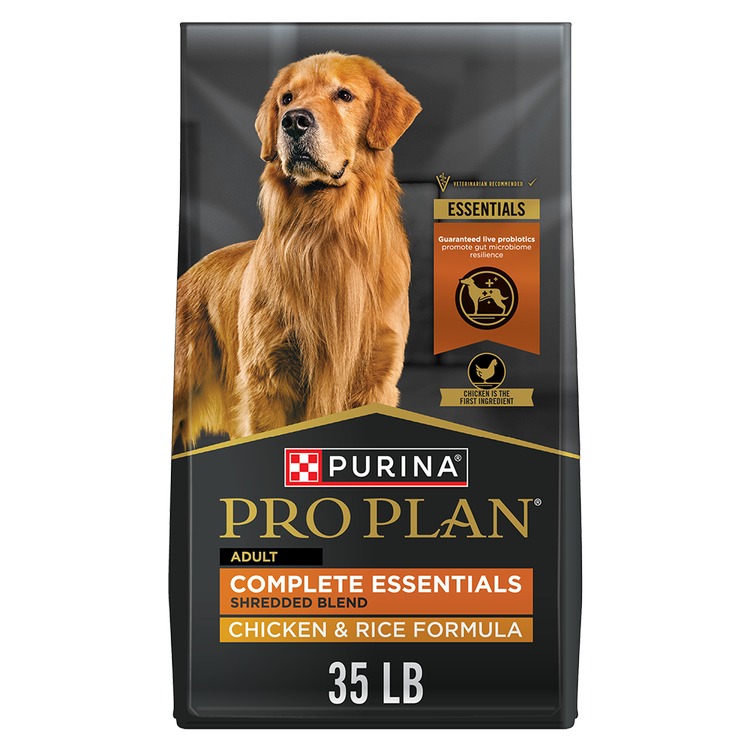
Reading Dog Food Labels
Dog food labels can be confusing at first glance. Look closely for ingredients like protein sources, fat content, and added vitamins. Remember, the first few ingredients usually make up the bulk of the food, so quality matters.
Check for statements like “complete and balanced” by AAFCO (Association of American Feed Control Officials). This ensures the food meets nutritional standards for puppies. Also, avoid foods with too many fillers like corn or wheat, which offer little nutritional value.
Selecting Age-appropriate Formulas
Puppies need formulas specially designed to support their rapid growth and energy levels. Adult dog food doesn’t have the right balance of nutrients, which can lead to deficiencies or excesses.
Look for labels that specify “puppy” or “growth” formulas. These contain higher protein and fat levels, plus essential nutrients like DHA for brain development. Have you noticed how your puppy’s energy spikes? That’s a clear sign they need food that fuels their active lifestyle.
Considering Breed And Size
Breed and size play a big role in choosing the right puppy food. Small breeds burn energy faster and may need more calorie-dense food. Larger breeds require controlled calcium and phosphorus levels to prevent bone problems.
Some brands offer formulas for specific sizes like “small breed puppy” or “large breed puppy.” Choosing the right one can help your puppy grow strong without risking health issues. Think about your puppy’s future adult size when making your choice — it matters more than you might expect.
Credit: www.purina.com
Transitioning From Puppy To Adult Food
Transitioning your puppy from puppy food to adult dog food is a crucial step in their growth journey. This change supports their evolving nutritional needs as they mature, ensuring they stay healthy and energetic. Timing and technique matter a lot here, so it’s important to get it right to avoid any digestive upset or nutritional gaps.
Optimal Timing
Most puppies should switch to adult food between 9 to 12 months old, but this depends on their breed and size. Small breeds mature faster and may need the switch closer to 9 months, while larger breeds might benefit from waiting until they are about 12 months or even older.
Ask yourself: Is your puppy still growing rapidly, or have they reached a stable weight? If growth has slowed, it’s a good sign to start thinking about adult food.
Gradual Switching Process
Suddenly changing your puppy’s diet can cause stomach upset, so a slow transition is key. Start by mixing 25% adult food with 75% puppy food for a few days.
- Next, increase adult food to 50% for several days.
- Then move to 75% adult food mixed with 25% puppy food.
- Finally, switch to 100% adult food.
This gradual approach helps your puppy’s digestive system adjust smoothly without discomfort.
Monitoring Puppy Health
Keep an eye on your puppy’s appetite, stool consistency, and energy levels during the transition. If you notice diarrhea, vomiting, or lethargy, slow down the switching process or consult your vet.
Tracking weight is also important. Healthy weight gain or maintenance means the new food is working well. Don’t hesitate to ask yourself: Is my puppy thriving on this new diet? If the answer is no, a different adult formula might be needed.
Frequently Asked Questions
Is It Safe To Feed Puppies Adult Dog Food?
Feeding adult dog food to puppies is not recommended. Puppies need higher protein and fat for growth. Adult food may lack essential nutrients for their development, leading to health issues.
What Are The Risks Of Adult Food For Puppies?
Adult dog food may cause nutritional deficiencies in puppies. It can affect their bone growth and immune system. Poor nutrition may lead to stunted growth or digestive problems.
When Can Puppies Switch To Adult Dog Food?
Puppies can switch to adult dog food around 12 months old. This varies by breed size. Consult your vet to determine the right time for your puppy.
Can Adult Dog Food Cause Digestive Issues In Puppies?
Yes, adult dog food can cause digestive upset in puppies. Their stomachs are sensitive and need specific nutrients. Puppies may experience diarrhea or vomiting from adult food.
Conclusion
Puppies need special food to grow strong and healthy. Adult dog food may lack important nutrients for puppies. Feeding the right food supports their bones and energy. Choose puppy food to help their development every day. Always ask your vet if unsure about feeding choices.
Giving puppies proper nutrition sets them up for a happy life. Keep their diet balanced and watch them thrive. Puppy food is the best choice for growing dogs.