
If you have a Maltese, you want to make sure your furry friend stays healthy and happy. One important step is knowing exactly when to switch your Maltese to adult dog food.
Feeding the right food at the right time can boost their energy, support their growth, and keep their coat shiny. But how do you know the perfect moment to make the change? Keep reading, and you’ll discover simple signs and expert tips to help you make the best choice for your Maltese’s health.
Don’t miss out on this essential guide that every Maltese owner needs!
Signs Your Maltese Needs Adult Food
Knowing when to switch your Maltese to adult dog food is vital for their health. Puppies and adults have different nutritional needs. Feeding adult food at the right time supports their growth and energy levels. Watch for clear signs that your Maltese is ready to transition.
Age Milestones For Switching
Most Maltese puppies need adult food around 9 to 12 months old. Small breeds like Maltese mature faster than large breeds. Some vets suggest starting adult food as early as 8 months. Check your dog’s growth and breed guidelines for timing.
Behavioral Changes
- Decreased energy for play and exercise
- Less frequent napping, more rest periods
- Changing appetite or food preferences
- More independence and less puppy-like behavior
These changes show your Maltese is growing out of puppyhood. Adult food meets their new energy needs better.
Physical Development Indicators
- Full adult teeth have replaced puppy teeth
- Weight stabilizes and stops rapid gain
- Muscle tone becomes more defined
- Coat texture changes to adult fur
These signs mean your Maltese is ready for adult nutrition. Switching now helps maintain a healthy body.
Differences Between Puppy And Adult Dog Food
Switching your Maltese from puppy to adult dog food is more than just a change in packaging. The formulas differ significantly to match your dog’s evolving needs as they grow. Understanding these differences can help you decide the right time to make the switch and keep your dog healthy and happy.
Nutritional Needs
Puppies need food that supports rapid growth and brain development. This means higher levels of vitamins and minerals, including calcium and DHA, which are crucial for bone and cognitive development.
Adult Maltese, however, require a balanced diet that maintains their health without encouraging excessive weight gain. Their food focuses on supporting metabolism and joint health instead of growth.
Have you noticed your Maltese’s energy levels or coat quality changing? That might signal a shift in their nutritional needs.
Calorie Content
Puppy food is calorie-dense to fuel their active growth phase. It packs more energy in smaller servings to meet their higher metabolic demands.
Adult dog food contains fewer calories to prevent obesity, which is a common problem if the diet isn’t adjusted as your dog matures.
Keeping an eye on your Maltese’s weight can tell you if their calorie intake matches their activity level and age.
Protein And Fat Levels
Puppies benefit from higher protein and fat levels to support muscle development and energy reserves. These nutrients help them build strong bodies and stay active.
As adults, Maltese dogs need moderate protein and fat to maintain muscle mass without putting stress on their organs.
Have you compared your dog’s food labels recently? Understanding these differences can guide you to the best choice for your dog’s current stage of life.
Health Benefits Of Adult Dog Food
Switching your Maltese to adult dog food offers several health benefits. Adult dog food is specially formulated to meet the nutritional needs of grown dogs. It contains balanced nutrients that support overall health and well-being. Let’s explore the specific benefits it provides.
Supporting Bone And Joint Health
Adult dog food contains essential nutrients for strong bones and joints. It is rich in calcium and phosphorus, crucial for bone density. Glucosamine and chondroitin in the food help maintain joint health. These nutrients support mobility and flexibility, keeping your Maltese active.
Maintaining Healthy Weight
Proper nutrition is vital for maintaining a healthy weight. Adult dog food has controlled calorie content to prevent obesity. The right balance of proteins and fats ensures energy without excess weight gain. This helps your Maltese maintain an ideal body condition.
Promoting Dental Care
Adult dog food often includes kibble designed to clean teeth. The texture helps reduce plaque and tartar buildup. This contributes to fresher breath and healthier gums. Regular chewing of kibble supports strong and clean teeth for your Maltese.

Credit: peto.com.au
How To Transition Food Smoothly
Switching your Maltese to adult dog food needs care and patience. Sudden changes can upset their stomach or cause refusal to eat. A smooth transition helps your dog adjust to new tastes and textures without stress. Follow simple steps to make the process easy and safe.
Gradual Mixing Techniques
Start by mixing 25% adult food with 75% puppy food. Keep this ratio for three days. Then, change to 50% adult and 50% puppy food for another three days. Next, switch to 75% adult and 25% puppy food. Finally, offer 100% adult food. This slow change helps your Maltese’s digestive system adjust.
Monitoring For Allergies
Watch for signs like itching, redness, or swelling. Check for vomiting or diarrhea after meals. Keep a daily log of any symptoms. Stop the new food if allergic reactions appear. Contact your vet for advice and possible allergy tests.
Adjusting Feeding Schedules
Adult Maltese dogs usually eat two meals a day. Gradually shift from three to two meals during the transition. Keep meal times consistent to build routine. Avoid feeding right before or after exercise. This helps digestion and prevents discomfort.
Choosing The Right Adult Dog Food
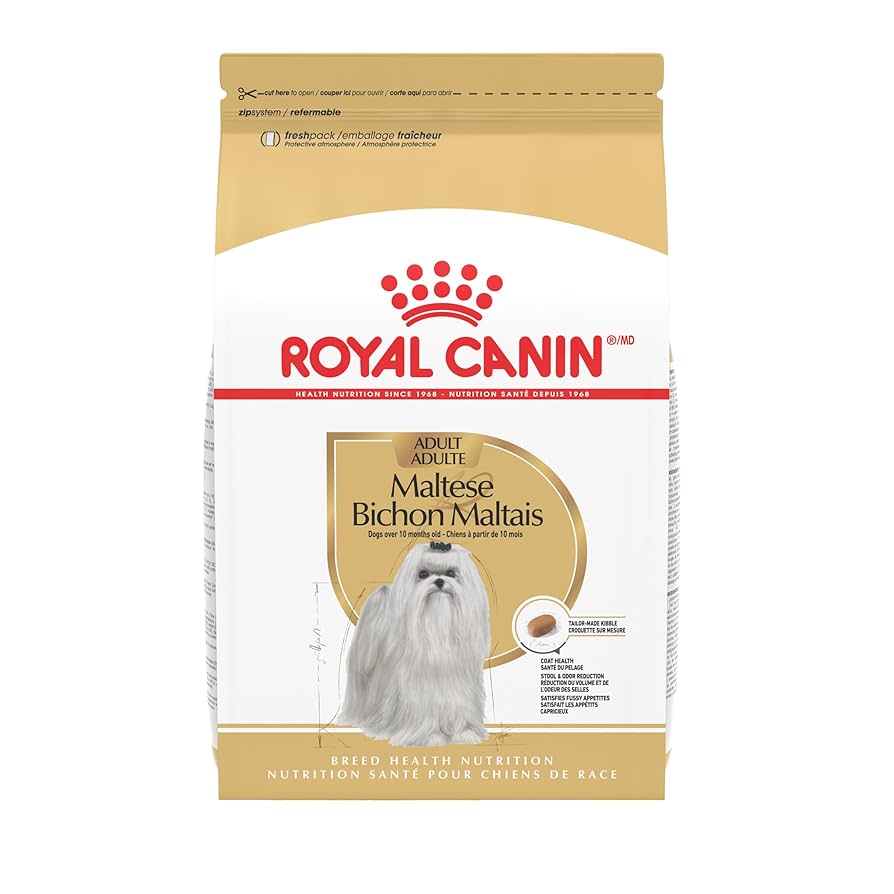
Choosing the right adult dog food for your Maltese is key to its health and happiness. Adult dog food supports their energy, growth, and overall well-being. The right nutrition helps maintain a shiny coat, strong teeth, and a healthy weight. Each Maltese has unique needs based on age, activity, and health. Focus on quality ingredients and proper nutrition to keep your dog thriving.
Ingredients To Look For
- High-quality protein like chicken, turkey, or fish for muscle health
- Whole grains such as brown rice or oats for steady energy
- Fruits and vegetables like carrots and blueberries for vitamins and antioxidants
- Healthy fats, including omega-3 and omega-6, for skin and coat care
- Essential vitamins and minerals to support overall health
Avoiding Harmful Additives
- No artificial colors, flavors, or preservatives to reduce allergy risks
- Avoid fillers like corn, soy, and wheat that offer little nutrition
- No by-products or unnamed meat sources for better digestibility
- Check for low sodium and sugar content to protect heart health
Tailoring To Maltese Specific Needs
- Small kibble size for easier chewing and digestion
- Formulas that support dental health to prevent plaque buildup
- Balanced calories to prevent obesity in less active dogs
- Hypoallergenic options if your Maltese has food sensitivities
- Consider joint-support supplements for older dogs

Credit: www.amazon.com
Common Mistakes To Avoid
Switching your Maltese to adult dog food is a key moment in their growth, but many pet owners make mistakes that can cause discomfort or nutritional imbalances. Avoiding common pitfalls helps your dog adjust smoothly and stay healthy. Let’s look at the errors that often trip up well-meaning dog parents and how you can steer clear of them.
Switching Too Early Or Late
Timing is everything when changing your Maltese’s diet. Switching too early can deprive your puppy of essential nutrients needed for proper growth. On the other hand, switching too late might mean missing out on the benefits of adult formulas designed for maintenance rather than growth.
Watch for signs that your dog is ready: steady weight, full set of adult teeth, and a calmer appetite. Ask yourself—have you noticed your Maltese slowing down their growth spurts? If not, hold off a bit longer.
Ignoring Your Dog’s Preferences
Every Maltese has its own taste and texture preferences. Forcing a sudden change without considering what your dog likes can lead to refusal and wasted food. You know your dog best—observe which flavors and kibble sizes they enjoy.
Try mixing small amounts of adult food with puppy food gradually. This helps your dog get used to new tastes and textures without stress. What treats or meals does your Maltese eagerly accept? Use those as a guide during the transition.
Overfeeding During Transition
It’s tempting to give extra food when switching diets, especially if your dog seems hesitant to eat. Overfeeding can cause upset stomachs, diarrhea, and unnecessary weight gain. Portion control remains just as important during this phase.
Stick to the recommended feeding amounts based on your dog’s weight and activity level. If you notice hunger or reluctance, try spreading meals into smaller, more frequent servings. How can you adjust portions without adding too many calories? Keep a feeding journal to track changes.
When To Consult Your Veterinarian
Knowing when to consult your veterinarian about switching your Maltese to adult dog food is crucial for your pet’s health. Your vet can help you spot subtle signs that you might miss. Don’t wait until problems become serious—early advice can make a big difference.
Signs Of Digestive Issues
Watch for vomiting, diarrhea, or constipation after changing food. These signs indicate your Maltese may not be adjusting well. Your vet can recommend a gentler transition or a different formula to ease digestion.
Weight Loss Or Gain Concerns
Unexpected weight changes can signal that the new food isn’t meeting your dog’s needs. If your Maltese is losing weight without trying or gaining too much, it’s time to get professional input. Your vet can suggest portion adjustments or alternative diets tailored to your dog’s metabolism.
Unusual Behavior Or Energy Levels
If your Maltese seems unusually tired, restless, or irritable after switching food, these behavioral changes might be linked to nutrition. Consult your vet to rule out underlying health issues or nutrient deficiencies. They can guide you on food choices that support your dog’s vitality and mood.

Credit: www.amazon.com
Frequently Asked Questions
When Is The Right Age To Switch Maltese To Adult Food?
Most Maltese dogs should switch to adult food around 9 to 12 months. This timing supports their growth and energy needs as they mature.
How To Know If Maltese Is Ready For Adult Dog Food?
Look for signs like slowed growth and stable weight. Your vet can also confirm when your Maltese is ready to switch.
What Are The Benefits Of Adult Dog Food For Maltese?
Adult dog food contains balanced nutrients tailored for mature Maltese, supporting healthy weight and energy levels without excess calories.
Can Switching Too Early Harm My Maltese Puppy?
Yes, switching too early can cause nutritional gaps, affecting growth and development. Always follow vet advice for timing.
Conclusion
Switching your Maltese to adult dog food helps meet its changing needs. Around one year old is the best time to start the switch. Watch for signs like slower growth or less energy. Choose food made for small adult dogs to keep your pet healthy.
Gradually change food over 7-10 days to avoid stomach upset. Feeding the right food supports your Maltese’s health and happiness. Keep checking its weight and energy levels regularly. Feeding well means your dog stays lively and strong for years.