

Are you wondering if it’s okay to switch your 6-month-old puppy to adult dog food? You want to make the best choice for your furry friend’s health and growth.
Feeding your puppy the right food at the right time can boost their energy, support strong bones, and keep their coat shiny. But how do you know when it’s time to make the change? Keep reading to find out what experts say about feeding a 6-month-old dog adult food and how you can make the transition smooth and safe for your pet.
Age And Nutritional Needs
Understanding your dog’s age and nutritional needs is key to choosing the right food. At 6 months, your dog is transitioning from puppyhood to adulthood, but this doesn’t mean adult dog food is always the best choice. Each stage of growth demands specific nutrients to support healthy development and energy levels.
Growth Stages In Dogs
Dogs go through several growth stages: puppy, adolescent, adult, and senior. At 6 months, many dogs are still in the adolescent phase, which means their bodies are growing rapidly. This stage is critical for bone development, muscle growth, and brain function.
You might wonder if feeding adult dog food can meet these needs. The answer often depends on your dog’s breed and size. Large breeds, for instance, need controlled calcium and phosphorus levels to avoid joint problems, which adult food may not provide.
Nutrient Requirements By Age
Puppies and adolescent dogs need more protein and calories than adults to support growth. Puppy formulas often contain higher levels of:
- Protein for muscle development
- Fat for energy
- Essential vitamins and minerals like calcium and DHA
Adult dog food usually has fewer calories and less fat since adult dogs have slower metabolisms. Feeding adult food too early might leave your 6-month-old dog missing vital nutrients needed for healthy growth.
Ask yourself: Is your dog active and growing, or showing signs of slowing down? Tailoring food to your dog’s current life stage ensures you don’t compromise their health or energy. Choosing the right nutrition now sets the foundation for a long, vibrant life.

Credit: www.thinkjinx.com
Puppy Food Vs. Adult Food
Puppy food and adult dog food serve different purposes in a dog’s life. Puppies need extra nutrients to grow strong and healthy. Adult dogs require food that maintains their health without promoting too much weight gain. Feeding the right food at the right age supports your dog’s wellbeing.
Key Differences In Formulas
Puppy food contains more calories than adult food. It has higher protein to support muscle growth. Fat content is also increased to fuel their active bodies. Adult dog food has fewer calories and less fat. It focuses on maintaining a healthy weight. Vitamins and minerals differ to match each life stage’s needs.
Impact On Development
Puppies need nutrients like calcium and DHA for bones and brain growth. Too little or too much can cause health problems. Adult food may lack these essential nutrients in the right amounts for puppies. Feeding adult food too early can slow growth. Proper puppy food helps build a strong foundation for adulthood.
Risks Of Feeding Adult Food Early
Feeding adult food to a 6-month-old dog can cause digestion problems and nutrient imbalances. Puppies need specific nutrients for growth that adult food may lack. Early feeding of adult food might slow their development and affect health.
Feeding a 6-month-old dog adult food may seem convenient. Yet, this choice carries potential risks. Puppies have specific dietary needs. These needs differ from adult dogs. Providing adult food too soon can cause issues.Potential Nutritional Deficiencies
Adult dog food lacks certain nutrients. Puppies need more calories and protein. They require higher levels of certain vitamins and minerals. Adult food may not meet these needs. This can lead to deficiencies. Nutrient deficiencies may slow growth. They can also weaken the immune system.Growth And Bone Health Concerns
Puppies grow rapidly. Their bones and muscles develop quickly. They need a balanced diet to support this growth. Adult food may not have the right calcium-to-phosphorus ratio. This imbalance can harm bone development. Poor bone health leads to long-term issues. It may cause joint problems later in life. Proper nutrition ensures strong bones and healthy growth.When To Transition To Adult Food
Transitioning your dog from puppy food to adult food is an important step. It supports healthy growth and meets changing nutritional needs. Timing this change right helps avoid stomach upset and supports good health. Watch your dog closely to know when to start.
Signs Your Dog Is Ready
- Your dog reaches about 80% of its expected adult size.
- Growth rate slows down noticeably.
- Teeth are fully developed and adult-like.
- Energy levels become more stable and less hyperactive.
- Your vet confirms your dog’s development stage.
Recommended Transition Process
Switch food gradually over 7 to 10 days. Mix adult food with puppy food, increasing adult food each day. This helps your dog’s stomach adjust smoothly.
| Day | Puppy Food (%) | Adult Food (%) |
|---|---|---|
| 1-3 | 75 | 25 |
| 4-6 | 50 | 50 |
| 7-9 | 25 | 75 |
| 10 | 0 | 100 |
Monitor your dog’s digestion and energy during the change. Stop and consult your vet if any issues appear. Patience ensures a healthy switch to adult food.
Breed And Size Considerations
Choosing the right food for a 6-month-old dog depends on the breed and size. Different breeds grow at different speeds and have unique nutritional needs. Feeding adult food too early may affect their health and development. Understanding these differences helps ensure your dog gets the best nutrition for a strong, healthy life.
Small Vs. Large Breed Needs
Small breeds grow faster and reach adulthood sooner than large breeds. They often need calorie-dense food to support their high energy levels. Large breeds grow slowly and need balanced nutrients to support bone and joint health.
- Small breeds: higher calories, smaller kibble size, more protein and fat.
- Large breeds: controlled calories, larger kibble, joint-supporting ingredients like glucosamine.
Adult food for small breeds can be suitable for some 6-month-old small dogs. Large breeds usually need puppy food longer to avoid growth problems.
Adjusting Diet For Growth Rate
Each dog grows at its own pace. Rapid growth in large breeds can cause bone damage. Their diet must be rich in calcium but not excessive. Too many calories or protein can harm large breed puppies.
Small breeds may need more calories and fat to maintain energy. Watch your dog’s weight and energy to adjust portions. Consult your vet for the best feeding plan based on your dog’s breed and size.
Expert Tips For Feeding 6-month-old Dogs
Feeding a 6-month-old dog requires careful attention to nutrition and growth needs. At this stage, puppies are transitioning from baby food to adult meals. Proper feeding supports healthy development and strong bones. Here are expert tips to guide you through this process.
Choosing The Right Food
Select food that matches your dog’s breed and size. Puppies need balanced meals rich in protein and fat. Look for formulas labeled for “all life stages” or “growth and maintenance.”
- Check the ingredient list for quality meat sources first.
- Ensure essential nutrients like calcium and DHA are included.
- Avoid foods with fillers like corn or excessive grains.
- Consult your vet if unsure about switching to adult food.
Transition gradually over 7 to 10 days. Mix increasing amounts of adult food with puppy food. Sudden changes may cause upset stomach.
Monitoring Health And Behavior
Watch your dog’s energy, coat, and weight closely. Healthy puppies are active and have shiny fur. Monitor stool consistency and appetite daily.
- Weight gain should be steady, not too fast or slow.
- Look for signs of allergies or digestive upset.
- Keep an eye on dental health as teeth develop.
- Visit the vet for regular checkups and advice.
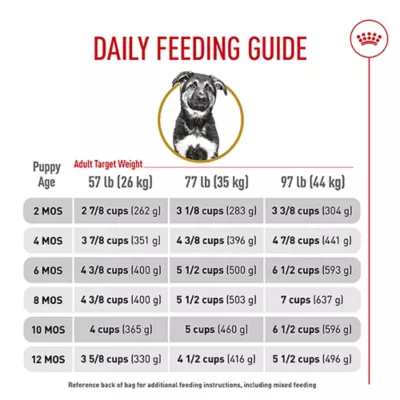
Adjust feeding portions based on your dog’s growth and activity level. Each puppy grows at its own pace.
Alternatives To Adult Food At 6 Months
When your dog reaches six months, you might wonder if adult food is the right choice or if there are better alternatives. Switching too early can affect your dog’s growth and health. Luckily, several options can provide balanced nutrition tailored to your growing pup’s needs.
Senior Puppy Formulas
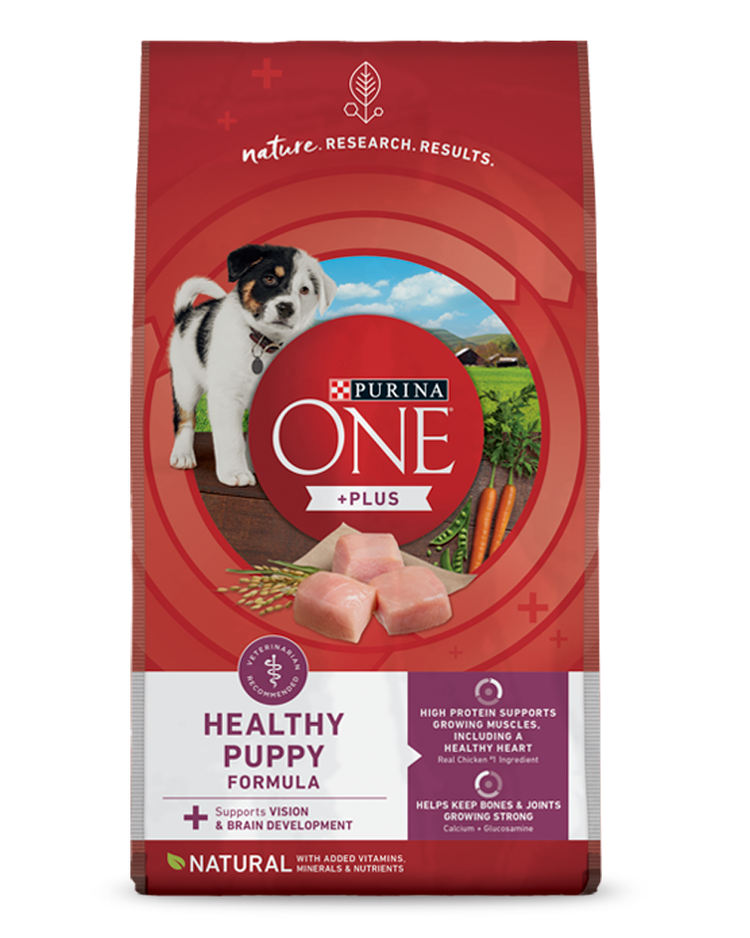
Senior puppy formulas are designed specifically for dogs in the transitional stage between puppyhood and adulthood. These foods offer the right balance of protein, fat, and essential nutrients to support steady growth without overloading their system.
Choosing a senior puppy formula can help avoid the risks associated with feeding adult food too soon, like nutrient deficiencies or digestive issues. Many brands offer recipes with joint-supporting ingredients, which is vital as your dog becomes more active.
Have you checked the ingredients list for added vitamins like DHA or calcium? These components play a crucial role in brain development and bone health at this age.
Consulting Your Veterinarian
Your vet is your best resource when deciding on your dog’s diet. They can assess your dog’s breed, size, and overall health to recommend the most suitable food type.
Discussing your dog’s growth milestones and activity levels with your vet can clarify whether switching to adult food is appropriate now or if continuing with puppy or senior puppy formulas is better. This personalized advice can prevent common feeding mistakes.
Have you asked your vet about how to monitor your dog’s weight and health during the transition? Regular check-ups can catch any nutritional gaps early and keep your dog thriving.
Credit: www.purina.com
Credit: www.petsmart.com
Frequently Asked Questions
Can 6-month-old Dogs Eat Adult Dog Food?
Yes, some 6-month-old dogs can start eating adult dog food. However, consult your vet first. Puppies need specific nutrients for growth that adult food might lack.
When Should I Switch My Puppy To Adult Food?
Most puppies switch to adult food between 9 to 12 months. The timing depends on breed size and growth rate. Small breeds mature faster than large breeds.
What Are Risks Of Feeding Adult Food Early?
Feeding adult food too early can cause nutrient deficiencies. Puppies may miss essential vitamins and minerals needed for healthy development. Always choose age-appropriate food to avoid health issues.
How To Transition Puppy To Adult Dog Food?
Gradually mix adult food with puppy food over 7-10 days. This helps avoid digestive upset. Slowly increase adult food portion while decreasing puppy food.
Conclusion
Feeding a 6-month-old dog adult food needs care. Puppies have special needs for growth and energy. Adult food may lack some nutrients young dogs require. Watch your dog’s weight, coat, and energy for signs. Consult your vet before changing your dog’s diet.
A balanced diet keeps your dog healthy and happy. Choose food made for your dog’s size and breed. Proper nutrition helps your puppy grow strong and active. Remember, each dog is different and needs unique care. Keep your puppy’s health a top priority always.