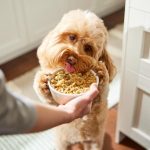
Are you wondering if it’s okay to feed your puppy adult dog food? It might seem like a simple choice, but giving your growing pup the wrong food can affect their health in big ways.
Your puppy’s body needs special nutrients to grow strong and stay healthy. If you don’t give them the right diet, they could miss out on important vitamins and minerals. Keep reading to discover why adult dog food isn’t the best option for your puppy and how you can make sure your furry friend gets the nutrition they truly need.
Differences Between Puppy And Adult Dog Food
Puppies and adult dogs have different dietary needs. Their bodies grow and develop at different rates. Puppy food supports fast growth and high energy levels. Adult dog food suits maintenance and slower metabolism. Feeding puppies adult dog food can cause health problems. Understanding these differences helps you choose the right food for your puppy.
Nutritional Needs Of Puppies
Puppies need more calories than adult dogs. Their bodies require extra protein for muscle growth. Puppies also need higher fat content for energy. Vitamins and minerals support bone and brain development. Balanced nutrition helps puppies grow healthy and strong.
Key Ingredients In Puppy Food
- High-quality protein from meat or fish
- Increased fat for energy and growth
- Calcium and phosphorus for bone strength
- DHA for brain and eye development
- Essential vitamins and antioxidants
Puppy foods carefully combine these ingredients. They aim to meet puppies’ specific growth needs.
Why Adult Food Falls Short
Adult dog food has lower calories and protein. It lacks enough fat for a growing puppy. Adult formulas do not include enough DHA. Calcium and phosphorus levels may not support puppy bones. Feeding adult food to puppies may cause nutrient gaps. This can slow growth and weaken health.
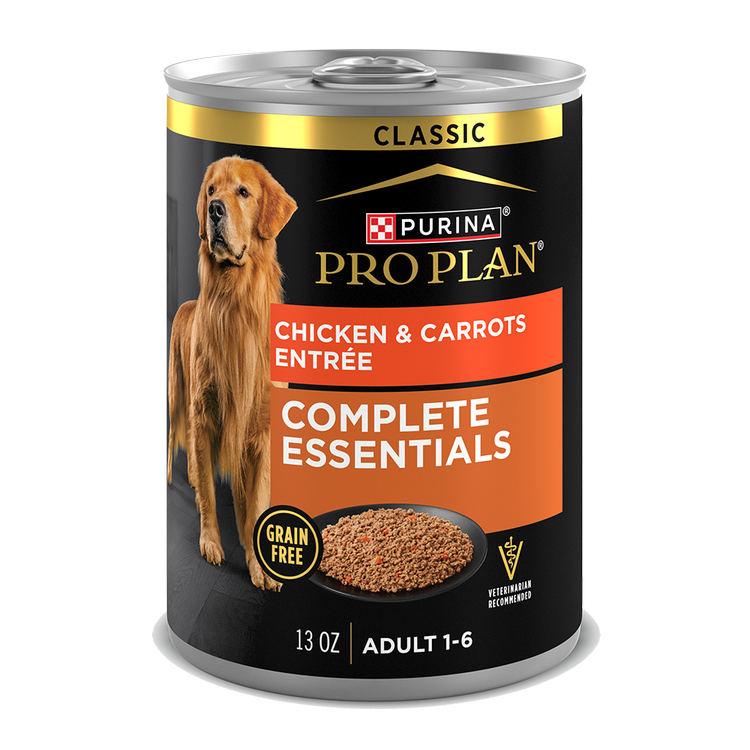
Credit: www.purina.com
Risks Of Feeding Adult Food To Puppies
Feeding adult dog food to puppies carries several risks that can affect their health. Puppies need special nutrition to grow strong and healthy. Adult food does not meet these needs and can cause serious problems.
Nutrient Deficiencies
Puppies require more protein, fat, and calories than adult dogs. Adult food lacks these essential nutrients in the right amounts. This can lead to weak muscles and poor energy levels. Important vitamins and minerals may also be missing. Nutrient deficiencies slow down a puppy’s growth and weaken their immune system.
Growth And Development Issues
Puppies’ bones and joints develop rapidly. Adult food does not have the correct calcium and phosphorus balance. Too little or too much of these minerals can cause bone deformities. Poor nutrition can affect brain development and overall body growth. This leads to long-term health problems and reduced quality of life.
Digestive Problems
Puppies have sensitive stomachs. Adult dog food is harder to digest for them. It can cause diarrhea, vomiting, and stomach pain. The fiber content in adult food may be too high or low. This disrupts normal digestion and nutrient absorption. Feeding the wrong food can stress a puppy’s digestive system.
Common Feeding Mistakes To Avoid
Feeding a puppy seems simple, but mistakes can happen. These errors can affect their growth and health. Understanding common feeding mistakes helps ensure your puppy thrives. Below, we explore key areas to avoid.
Ignoring Age-specific Diets
Puppies need different nutrients than adult dogs. Puppy food contains more protein and fat. These support their rapid growth and energy needs. Adult dog food lacks these essential nutrients. Feeding puppies adult food can lead to deficiencies. Always choose food designed for a puppy’s age.
Overfeeding Or Underfeeding
Feeding the right amount is crucial for a puppy’s health. Overfeeding can lead to obesity and joint issues. Underfeeding results in poor growth and weak immune systems. Follow the feeding guidelines on the food package. Adjust according to your puppy’s activity level and growth rate.
Sudden Food Changes
Switching food abruptly can upset a puppy’s stomach. It can cause diarrhea and vomiting. Gradually introduce new food over a week. Mix a small amount with the current food. Increase the new food amount daily. This helps your puppy adjust smoothly to diet changes.
Choosing The Right Food For Puppies
Choosing the right food for puppies is important for their growth and health. Puppies need specific nutrients that adult dogs do not. Feeding them adult dog food can cause problems like poor growth and weak bones. Picking the correct food helps them build strong muscles and a healthy immune system.
Reading Dog Food Labels
Dog food labels tell you what is inside the package. Look for foods made for puppies. These products have more protein, fat, and vitamins than adult dog food. Check for ingredients like real meat, grains, and vegetables. Avoid foods with too many fillers or artificial additives.
Consulting Your Veterinarian
Your vet knows the best diet for your puppy. They can recommend brands or types of food. Share your puppy’s age, breed, and health status with the vet. This helps them suggest the right food to meet your puppy’s needs. Regular check-ups ensure your puppy is growing well.
Balancing Homemade And Commercial Diets
Some owners prefer homemade meals for their puppies. Homemade diets must be balanced to avoid nutrient gaps. Use recipes approved by pet nutrition experts. Commercial foods are designed to be complete and balanced. Mixing both can work well but requires careful planning.
Transitioning From Puppy To Adult Food
Switching your puppy from puppy food to adult dog food is an important step in their growth. The right timing and a gentle transition can make a big difference in their health and happiness. This change supports their new energy needs as they mature without causing digestive upset.
When To Switch
Most dogs are ready to move to adult food between 9 and 12 months old. Larger breeds might need to wait a bit longer, sometimes up to 18 months. Watch your dog’s size and activity level to help decide the best moment.
Have you noticed your puppy slowing down or gaining weight? These signs often indicate it’s time to switch. Your vet can also guide you based on your dog’s breed and growth.
How To Transition Gradually
Changing food too quickly can upset your dog’s stomach. Instead, mix a small amount of adult food with their puppy food. Over 7 to 10 days, increase the adult food portion while decreasing the puppy food.
- Start with 25% adult food and 75% puppy food.
- After a few days, move to 50% adult and 50% puppy food.
- Then shift to 75% adult and 25% puppy food.
- Finally, feed 100% adult food.
This slow change helps your dog adjust without digestive issues like diarrhea or vomiting.
Monitoring Your Dog’s Health
During and after the switch, keep an eye on your dog’s energy, coat, and digestion. If you see any problems like loose stools or loss of appetite, slow down the transition or consult your vet.
Check your dog’s weight regularly. Adult food is less calorie-dense than puppy food, so your dog’s intake might need adjusting. Are you tracking these changes closely? It can make a big difference in keeping your dog healthy.
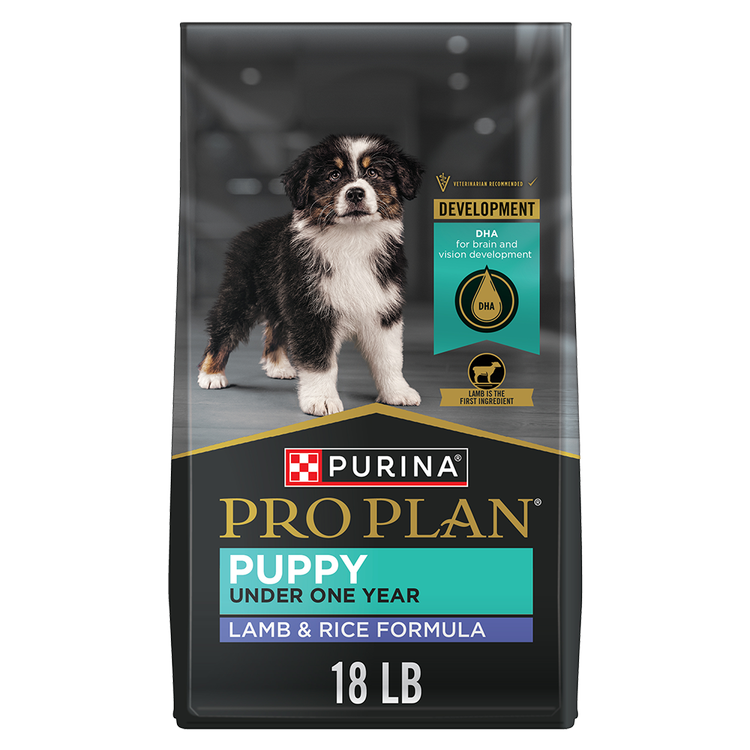
Credit: www.purina.com
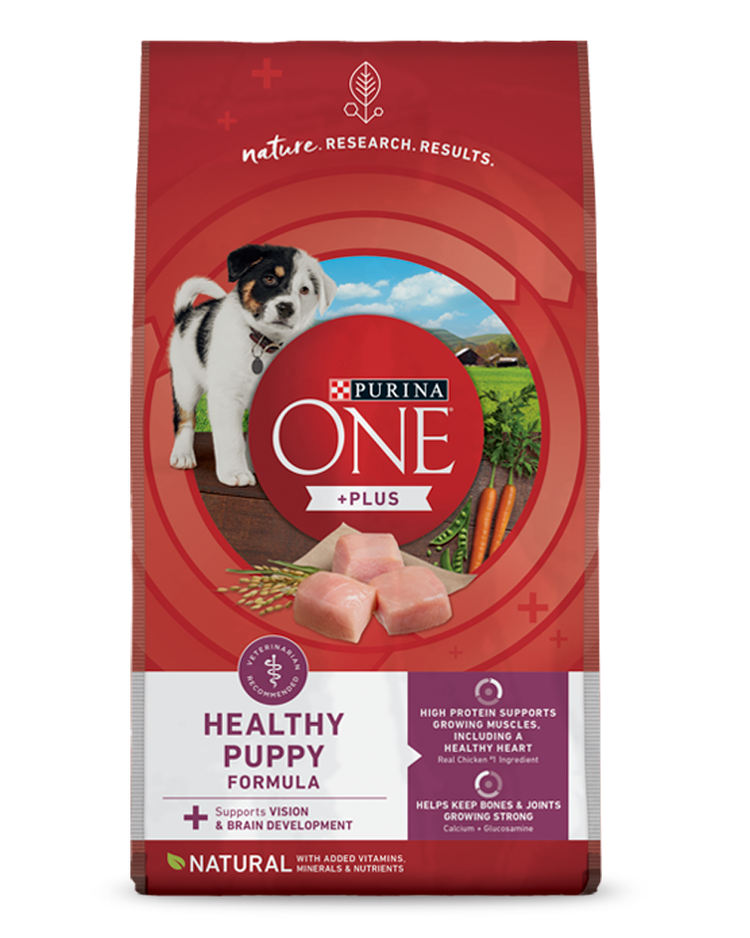
Credit: www.purina.com
Frequently Asked Questions
Why Can’t Puppies Eat Adult Dog Food?
Puppies need specific nutrients for growth that adult dog food lacks. Adult food has lower protein and fat. Feeding it can stunt puppy development and weaken their immune system. Puppy food is specially formulated to support healthy bones, muscles, and brain growth.
What Risks Does Adult Dog Food Pose To Puppies?
Adult dog food may cause nutritional deficiencies in puppies. It lacks essential vitamins and minerals needed for puppy growth. Feeding adult food can lead to poor weight gain, digestive issues, and weakened immunity. It can also affect their energy levels and overall health.
How Is Puppy Food Different From Adult Dog Food?
Puppy food contains higher protein, fat, and calories to support growth. It has balanced vitamins and minerals tailored for developing puppies. Adult dog food is designed for maintenance, not growth. Puppies require more DHA and calcium for brain and bone development.
Can Feeding Adult Dog Food Delay Puppy Growth?
Yes, feeding adult dog food can slow puppy growth. Lack of proper nutrients limits muscle and bone development. Puppies may become weak and more prone to illness. Proper puppy food ensures healthy, timely growth and development.
Conclusion
Puppies need special food to grow strong and healthy. Adult dog food does not have the right nutrients for them. Feeding puppies adult food can cause stomach problems and poor growth. Always choose food made for puppies to support their needs.
Healthy puppies grow into happy adult dogs. Taking care of their diet is very important. Give your puppy the best start with proper nutrition. Small effort now helps your dog live a long, healthy life.