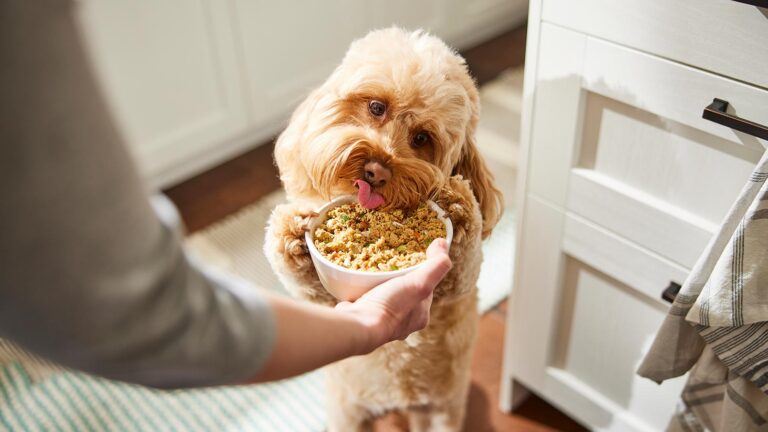

Are you wondering if feeding your 6-month-old puppy adult dog food could harm them? You want the best for your furry friend, but the choices can be confusing.
Giving your puppy the wrong food might affect their growth and health in ways you don’t expect. Keep reading to discover what happens when you switch to adult dog food too soon, and how to make sure your puppy gets the nutrition they need to thrive.
Your puppy’s well-being depends on the right diet, so let’s clear up the confusion together.
Puppy Nutritional Needs
Puppies need special food to grow strong and healthy. Their bodies change fast during the first year. Proper nutrition supports their bones, muscles, and brain development. Feeding the right food helps avoid health problems later. Adult dog food might not meet these unique needs. Understanding what puppies require can guide better feeding choices.
Growth And Development Requirements
Puppies grow quickly, especially in the first six months. Their bodies need more calories than adult dogs. Energy supports active play and rapid body changes. Growth requires extra protein to build muscle and tissue. Bones and joints need calcium and phosphorus in the right amounts. Too much or too little can cause problems. Balanced nutrition helps puppies develop strong bodies and healthy organs.
Key Nutrients For Puppies
Several nutrients are vital for puppy health:
- Protein:Builds muscles and supports immune health.
- Fat:Provides energy and supports brain growth.
- Calcium and Phosphorus:Strengthen bones and teeth.
- DHA (an omega-3 fatty acid):Helps brain and eye development.
- Vitamins and Minerals:Support overall growth and immune function.
Adult dog food may not have enough of these nutrients. Puppy food is specially formulated to meet these needs precisely.
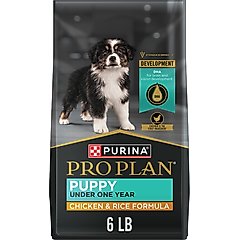
Credit: www.chewy.com
Differences Between Puppy And Adult Dog Food
Puppies and adult dogs have different nutritional needs. Their food reflects these differences to support health and growth. Puppy food helps young dogs grow strong and stay active. Adult dog food maintains health once growth slows. Feeding the wrong type can cause problems.
Calorie And Protein Content
Puppy food has more calories to fuel fast growth. Growing puppies need extra energy for muscles and bones. Protein levels are higher in puppy food. Protein helps build and repair body tissues. Adult dog food has fewer calories and less protein. This prevents weight gain and supports maintenance rather than growth.
Vitamin And Mineral Variations
Puppy food contains more vitamins and minerals like calcium and phosphorus. These nutrients strengthen bones and teeth. Balanced minerals support healthy development. Adult dog food has adjusted levels to avoid excess intake. Too much calcium in adult dogs can cause health issues. Vitamins like vitamin D are also carefully balanced for each life stage.
Risks Of Feeding Adult Dog Food To Puppies
Puppies need special care in their diet during the early months. Feeding adult dog food to a 6-month-old puppy can cause problems. Adult dog food lacks some nutrients that puppies require for proper growth. It may also affect the puppy’s overall health and development. Understanding these risks helps keep your puppy healthy and strong.
Potential Nutritional Deficiencies
Puppies need higher levels of protein and fat than adult dogs. Adult dog food usually has lower amounts of these nutrients. Important vitamins and minerals may be missing or in smaller amounts. This can lead to weak muscles and poor immune function.
Calcium and phosphorus levels in adult food may not support healthy bone growth. Puppies need balanced nutrients to build strong bones and teeth. Feeding adult food can cause deficiencies that harm bone development.
Impact On Growth And Health
Improper nutrition can slow a puppy’s growth rate. Puppies may become smaller and weaker than they should be. Their energy levels might drop, making play and learning harder. Digestive problems can also appear due to unsuitable food.
Long-term health issues may develop. Joint problems and poor muscle tone are common. Feeding adult dog food may increase the risk of obesity later. This happens because adult food is not designed for a growing puppy’s metabolism.

Credit: www.thinkjinx.com
When To Transition To Adult Dog Food
Knowing the right time to switch your puppy to adult dog food is important. Puppies grow fast, and their food needs change. Feeding adult food too early can cause problems. Waiting too long might not meet their nutritional needs. Understanding the signs and the right age helps you make the best choice for your puppy’s health.
Signs Puppy Is Ready
- Steady growth slows down
- Energy levels become more stable
- Teeth are fully developed
- Puppy starts to look less round and more lean
- Weight gain is consistent but not rapid
Recommended Age For Switching
Most puppies can switch to adult food between 9 and 12 months old. Large breeds may need more time, sometimes up to 18 months. Small breeds usually mature faster and can switch closer to 9 months. Always consider breed size and growth rate. Consult your vet for personalized advice.
How To Safely Switch Foods
Switching your puppy’s food is a delicate process that requires care and attention. Abrupt changes can upset their stomach or cause digestive issues. Understanding how to safely switch foods helps protect your puppy’s health and ensures they get the nutrition they need.
Gradual Transition Tips
Start by mixing a small amount of the new adult dog food with your puppy’s current food. A good rule is to begin with 25% new food and 75% old food for a few days.
Slowly increase the new food portion every 3 to 4 days until your puppy is eating only the adult food. This gradual shift helps their digestive system adjust without stress.
- Keep meal sizes consistent to avoid overeating or undereating.
- Observe how your puppy responds to each increase in the new food.
- Maintain fresh water availability throughout the transition.
Monitoring Your Puppy’s Reaction
Watch for any signs of digestive upset like vomiting, diarrhea, or constipation during the switch. These symptoms indicate your puppy might need a slower transition or a different food formula.
Pay attention to your puppy’s energy levels and coat condition as well. A sudden drop in energy or dull fur can signal nutritional issues.
Ask yourself: is your puppy eating enthusiastically or showing hesitation? Appetite changes can reveal how well they accept the new food.
If you notice any concerning symptoms, contact your vet. Early intervention can prevent bigger problems and keep your puppy thriving.
Alternative Feeding Options
Feeding adult dog food to a 6-month-old puppy can cause nutrient imbalances. Puppies need food designed for their growth and energy needs. Alternative feeding options help ensure proper development without risking health issues.
Finding the right feeding options for your 6-month-old puppy is crucial for their growth and development. Adult dog food may not be suitable, but there are plenty of alternative feeding options that can meet your puppy’s nutritional needs. Let’s explore some of these options.Puppy Food Brands To Consider
When choosing a puppy food brand, look for those specially formulated for growth and development. Brands like Blue Buffalo, Royal Canin, and Hill’s Science Diet offer puppy-specific formulas. These brands provide balanced nutrition with the right blend of proteins, fats, and carbohydrates. Read the label carefully to ensure the food meets the nutritional standards set by the Association of American Feed Control Officials (AAFCO). A friend’s puppy thrived on Blue Buffalo’s puppy formula, showing increased energy and a shiny coat. What brands have you tried for your puppy?Homemade Puppy Diet Ideas
Making homemade meals for your puppy can be a rewarding experience. You can control the ingredients and ensure your pup gets the best quality nutrients. A simple meal might include boiled chicken, rice, and vegetables like carrots or peas. Consider adding omega-3 fatty acids by including fish oil or flaxseed oil for healthy skin and coat. Consult with your vet to balance homemade meals with the right supplements to avoid deficiencies. Have you ever tried preparing meals for your puppy? Providing your puppy with the right nutrition is an act of love and responsibility. Explore these alternative feeding options to see what works best for your furry friend. Your puppy’s health and happiness depend on it!Consulting Your Veterinarian
Consulting your veterinarian is one of the smartest moves you can make when deciding if adult dog food is suitable for your 6-month-old puppy. Puppies have unique nutritional needs that change rapidly as they grow, and only a professional can provide guidance tailored to your pup’s specific health and development. Your vet’s advice helps avoid common pitfalls that could impact your puppy’s health long-term.
Personalized Nutrition Advice
Every puppy is different. Your veterinarian will consider your puppy’s breed, size, activity level, and any health concerns before recommending the best diet. They can explain why adult dog food might lack certain nutrients essential for your puppy’s growth, such as extra calcium or protein.
Maybe your puppy is on the smaller side or has a sensitive stomach. Your vet can suggest formulas that support these needs or advise how to transition foods gradually to prevent digestive upset. Have you thought about how switching foods too soon might affect your pup’s energy and development?
Health Checkups And Growth Tracking
Regular vet visits allow monitoring of your puppy’s growth and overall health. These checkups can reveal if your puppy is gaining weight appropriately or if there are signs of nutritional deficiencies. It’s easier to adjust the diet based on real health data rather than guesswork.
Tracking growth also helps catch potential problems early, like joint issues or allergies, which might be influenced by diet. Your vet can recommend periodic weigh-ins and growth measurements to keep you informed. Are you keeping a growth journal or notes from each vet visit to notice patterns or changes?

Credit: wefeedraw.com
Frequently Asked Questions
Can Adult Dog Food Harm My 6-month-old Puppy?
Adult dog food lacks essential nutrients for puppies. It may cause growth delays and digestive issues. Puppies need higher protein, fat, and calorie content for proper development. Feeding adult dog food is not recommended for a 6-month-old puppy.
When Should I Switch My Puppy To Adult Dog Food?
Most puppies can switch to adult food between 12 to 18 months. Large breeds may need more time to mature. Consult your vet for the best timing based on your puppy’s breed and growth rate.
What Are The Risks Of Feeding Adult Dog Food Early?
Feeding adult food too early may cause nutrient deficiencies. Puppies might miss vital vitamins and minerals. This can lead to weak bones, poor immune function, and stunted growth. Always provide age-appropriate nutrition to support healthy development.
How Can I Tell If My Puppy Needs Adult Food?
Look for signs like slower growth or weight gain. Your vet can assess if your puppy’s nutrition is adequate. Transition to adult food only when your vet confirms your puppy is physically mature enough.
Conclusion
Feeding adult dog food to a 6-month-old puppy can cause problems. Puppies need more nutrients for growth than adult dogs. Adult food may lack important vitamins and minerals. This can slow your puppy’s development. Stick to puppy food until your vet says otherwise.
Healthy growth leads to a happy, strong dog. Always choose food made for your puppy’s age. Keep your puppy’s diet balanced and nutritious. This helps avoid health issues later on. Your puppy deserves the best start in life.