
You want the best for your furry friend, and that includes feeding them the right food at the right time. But how do you know when to switch over to adult dog food?
Feeding your dog the wrong type of food can affect their health, energy, and happiness. This guide will help you understand the signs and the perfect timing to make that switch. Keep reading to learn how to give your dog the nutrition they need to thrive through every stage of life.
Credit: www.petsmart.com
Signs Your Puppy Is Ready
Knowing when your puppy is ready to switch to adult dog food is important. This change supports healthy growth and development. Some clear signs show your puppy is prepared for this transition. Watch for age milestones, growth progress, and behavior shifts.
Age Milestones
Puppies usually start adult food around 12 months old. Small breeds might switch earlier, at about 9 months. Large breeds may need more time, sometimes up to 18 months. Age is a helpful guide but not the only factor.
Growth And Weight Indicators
Steady growth slows as puppies near full size. Your puppy’s weight should be close to adult weight. Check their body shape: no more rapid weight gain or growth spurts. Healthy muscle tone and energy levels are good signs.
Behavioral Changes
Your puppy may eat less frequently or show different hunger cues. They might be calmer and less hyperactive than before. Changes in chewing and interest in food textures can appear. These behavior shifts often mean they are ready for adult food.
Credit: www.chewy.com
Differences Between Puppy And Adult Food
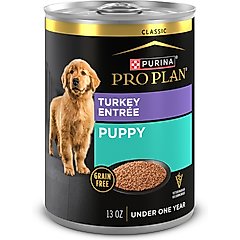
Puppy food contains more nutrients for growth, while adult food supports maintenance. Switch to adult food around one year old or when your dog stops growing. This change helps meet your dog’s changing energy and health needs.
Differences Between Puppy and Adult Food Understanding the differences between puppy and adult food is crucial. Puppies and adult dogs have different dietary needs. These differences impact their growth and health. Puppy food supports rapid growth and high energy. Adult food maintains health without unnecessary calories.Nutritional Needs
Puppy food is rich in nutrients for growth. It includes essential vitamins and minerals. Puppies need more calcium for bone development. Adult dogs require balanced nutrients for maintenance. Their food focuses on sustaining health and weight.Calorie Content
Puppies are bundles of energy. They need more calories to support their activity. Puppy food is calorie-dense. It helps them grow strong and active. Adult dogs have lower calorie needs. Excess calories can lead to weight gain in adults.Protein Levels
Protein is vital for puppies. It supports muscle development and overall growth. Puppy food has higher protein levels. Adult dog food has moderate protein. It maintains muscle mass without overloading the system.Breed-specific Timing
Breed-specific timing matters when switching to adult dog food. Different breeds grow at different rates. Feeding the right food at the right time supports healthy development and avoids nutrition gaps.
Small breeds mature faster than larger breeds. They reach adulthood sooner and need adult food earlier. Large and giant breeds take longer to grow. Feeding them adult food too early can cause health issues.
Small Breeds
Small breed dogs grow quickly. They usually reach adult size by 9 to 12 months. Switching to adult dog food around this time helps meet their changing nutritional needs. Small breeds need calorie-dense food to maintain energy and health.
Medium Breeds
Medium breed dogs grow at a moderate pace. Most reach adult size between 12 and 15 months. Transition to adult food when your dog approaches one year. This timing supports balanced growth and proper weight maintenance.
Large And Giant Breeds
Large and giant breeds take longer to mature. They may grow until 18 to 24 months old. Keep feeding puppy food rich in calcium and protein during this period. Switch to adult food only after full growth to protect their bones and joints.
Health Considerations
Deciding when to switch your dog to adult food is more than just about age—it’s about how their health is responding to their current diet. Paying attention to health considerations can help you make the right choice for your dog’s well-being. You want to support their growth, energy levels, and overall health without causing any upset or allergic reactions.
Digestive Health
Your dog’s digestive system changes as they grow, so their food needs to adjust too. If you notice frequent diarrhea, constipation, or gas, their current food might not suit their digestive health anymore. Switching to adult dog food designed for mature digestion can ease these issues and improve nutrient absorption.
Think about how your dog’s stool looks and how often they go—these are simple signals that can tell you a lot. Have you seen your dog struggle with tummy troubles after meals? That might mean it’s time for a diet change that’s gentler on their stomach.
Allergies And Sensitivities
Allergies can develop at any stage of your dog’s life. Sometimes, a puppy food ingredient that was fine before starts causing itching, redness, or ear infections as they grow. Switching to adult food with limited or different protein sources can help reduce these symptoms.
Pay attention to any new signs of allergies or sensitivities. If your dog starts scratching more or shows skin irritation, your vet may recommend a hypoallergenic adult formula. Have you noticed any changes in your dog’s coat or skin that might point to a food sensitivity?
Consulting Your Vet
Your veterinarian is your best resource for deciding when to switch dog food. They can assess your dog’s weight, activity level, and overall health to recommend the perfect time and type of adult food. This advice is especially important if your dog has special health needs or chronic conditions.
Don’t hesitate to ask about specific brands or formulas that match your dog’s health profile. Have you discussed your dog’s diet timeline with your vet lately? Their guidance can prevent common mistakes and keep your dog thriving during this transition.
How To Transition Smoothly
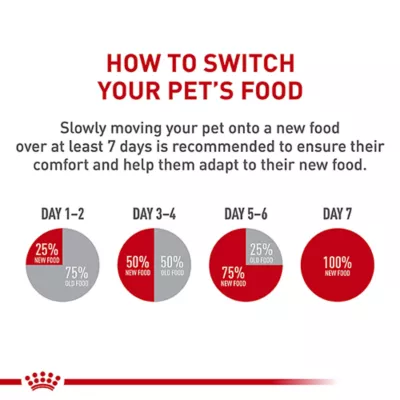
Switching your dog to adult food requires care and patience. A smooth transition helps avoid stomach issues and ensures your dog accepts the new diet well. Follow these simple steps to make the change easy and stress-free for your pet.
Gradual Mixing Technique
Start by mixing a small amount of adult food with your dog’s current puppy food. Increase the adult food portion slowly over 7 to 10 days. This slow change helps your dog’s digestive system adjust without upset.
Example schedule:
- Days 1-3: 25% adult food, 75% puppy food
- Days 4-6: 50% adult food, 50% puppy food
- Days 7-9: 75% adult food, 25% puppy food
- Day 10: 100% adult food
Monitoring Your Dog’s Response
Watch your dog’s stool quality and energy levels during the switch. Soft stools or diarrhea may mean the change is too fast. If your dog seems less active or refuses food, slow down the transition. Healthy dogs usually adjust smoothly within ten days.
Adjusting Portions
Adult dogs need fewer calories than puppies. Adjust food amounts to match your dog’s weight and activity. Follow feeding guidelines on the dog food package. Keep an eye on your dog’s weight and body condition during this period. Modify portions to avoid weight gain or loss.
Common Mistakes To Avoid
Switching your dog to adult food is an important step, but many pet owners make mistakes that can affect their dog’s health and happiness. Knowing what to avoid helps you make the transition smooth and stress-free for your furry friend.
Switching Too Early
Some owners change their puppy’s diet as soon as they hit six months, thinking it’s the right time. However, switching too early can leave your dog lacking essential nutrients needed for growth. Puppies and adult dogs have different dietary requirements, so rushing the switch might stunt your dog’s development or cause digestive issues.
Ask yourself: Is my dog physically ready for adult food, or am I just following a general timeline? Watching your dog’s size, energy levels, and vet advice can guide you better than the calendar.
Abrupt Changes
Changing your dog’s food overnight can cause upset stomachs, diarrhea, or refusal to eat. Dogs need time to adjust to new tastes and ingredients. Gradual mixing of old and new food over 7-10 days eases this transition and helps you spot any food sensitivities early.
Think about how you feel when you suddenly switch to a completely new diet—your dog’s gut feels the same way. Patience here pays off with a happy, healthy eater.
Ignoring Individual Needs
Every dog is unique. Age is just one factor in deciding when to switch to adult food. Breed size, activity level, and health conditions matter a lot.
For instance, large breeds often need adult food later than small breeds. Active dogs might require more calories even as adults, while less active ones need fewer. Paying attention to your dog’s specific needs keeps them fit and satisfied.
Have you noticed your dog’s appetite or energy changing? These clues tell you more than age alone about when to make the switch.
Benefits Of Timely Switching
Switching your dog’s food at the right time can make a significant difference in their overall well-being. Feeding adult dog food too early or too late might affect their growth and health. Understanding these benefits will help you make the best choice for your furry friend’s diet.
Optimal Growth
Puppies need nutrients that support rapid growth and development. Puppy food is rich in calories, protein, and essential vitamins to build strong bones and muscles.
Switching to adult dog food at the right time ensures your dog isn’t overloaded with unnecessary nutrients that could lead to weight gain or health issues.
Have you noticed changes in your dog’s weight or energy as they grow? Timing the switch helps maintain a balanced growth pace.
Long-term Health
Adult dog food is formulated to meet the needs of a mature dog’s metabolism. It helps prevent obesity, joint problems, and other chronic conditions that often develop with age.
Feeding an adult diet too late can strain your dog’s organs and immune system. On the other hand, switching too early might stunt their development.
Think about your dog’s breed and size—large breeds may need a longer puppy phase to avoid bone issues, while smaller breeds mature faster.
Energy And Vitality
Your dog’s energy levels depend heavily on the nutrients in their food. Adult dog food provides the right balance to maintain stamina and vitality without excess calories.
Have you experienced a drop in your dog’s playfulness or alertness? Adjusting their diet at the proper time can bring back that spark.
Regular vet check-ups can guide you on when your dog’s energy needs shift, making the food transition smoother for both of you.
Credit: askavet.com
Frequently Asked Questions
When Should I Switch My Puppy To Adult Dog Food?
Switch your puppy to adult dog food around their first birthday. Large breeds may need to switch between 12 to 18 months. This timing ensures balanced nutrition for growth and maintenance.
How Do I Know If My Dog Needs Adult Food?
Signs include slowed growth and decreased energy needs. Consult your vet if your dog’s weight stabilizes and they reach maturity. Adult food supports maintenance rather than growth.
What Are The Benefits Of Adult Dog Food?
Adult dog food has balanced nutrients for energy, weight control, and joint health. It supports a healthy metabolism and prevents obesity, unlike puppy food which is richer in calories.
Can Switching Too Early Harm My Dog?
Yes, switching too early may cause nutrient deficiencies. Puppies need higher protein and fat for growth. Always follow vet advice to avoid health issues.
Conclusion
Switching to adult dog food is important for your dog’s health. Watch for signs like age and weight changes. Choose food that fits their activity and size. Gradually change their diet to avoid upset stomach. Healthy food helps your dog stay strong and happy.
Keep checking their needs as they grow older. Good nutrition supports a long, active life. Remember, every dog is different. Trust your knowledge and care to make the right choice.