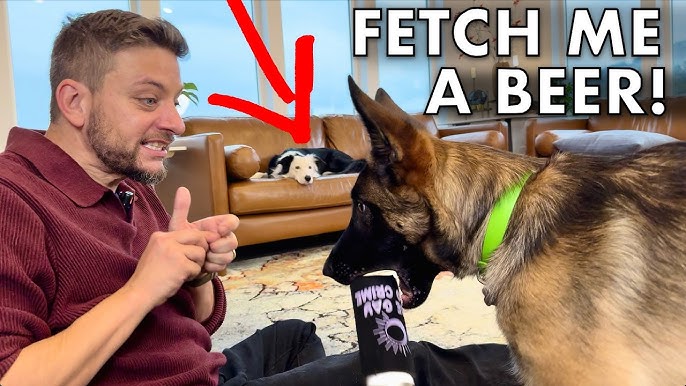

Do you want your dog to bring back your favorite ball or toy every time you throw it? Teaching your dog to retrieve isn’t just fun—it strengthens your bond and keeps your furry friend active and happy.
In this guide, you’ll discover simple, step-by-step methods that anyone can follow. Whether your dog is a playful puppy or an adult, you’ll learn how to turn fetch into a game they love. Ready to see your dog become a true retrieving champion?
Let’s get started!

Credit: www.youtube.com
Choosing The Right Retriever
Choosing the right retriever is the foundation of successful training. The breed and individual personality of your dog greatly affect how quickly and effectively they learn to fetch and return. Understanding these traits helps you tailor your training approach and set realistic goals.
Understanding Retriever Breeds
Not all retrievers are the same. Labs and Golden Retrievers are the most common choices because of their natural retrieving instincts. However, breeds like the Chesapeake Bay Retriever and Flat-Coated Retriever also excel in retrieving tasks.
Think about what environment your dog will train and work in. Some breeds adapt better to water, while others thrive on land. Choosing a breed that fits your lifestyle makes training smoother and more enjoyable.
Evaluating Temperament And Energy Levels
Your retriever’s temperament matters more than you might expect. A high-energy dog will eagerly chase and retrieve but may need more guidance to stay focused. Conversely, a calmer dog might take longer to respond but can be easier to train consistently.
Have you noticed how your dog reacts to new toys or games? That reaction can hint at their retrieving potential. Look for enthusiasm and willingness to engage, which are key traits for retrieval training success.
Assessing Health And Physical Condition
Retrieving demands physical stamina and agility. Before you start training, ensure your dog is in good health and free of joint or muscle issues. A healthy dog learns faster and enjoys the process more.
Visiting a vet for a quick check-up can save you from future setbacks. Healthy paws, teeth, and joints are crucial for a dog that will run, jump, and carry objects regularly.
Considering Age And Previous Training Experience
Age influences how quickly your dog picks up retrieving skills. Puppies have a natural curiosity and high energy but shorter attention spans. Adult dogs may need more patience but often have better focus.
Dogs with previous obedience or play training adapt faster to retrieving tasks. Reflect on any past training your dog has had and how it affected their learning style. This insight helps you adjust your approach effectively.
Gathering Training Supplies
Before you start teaching your dog to retrieve, gathering the right training supplies is essential. Having the proper tools at hand makes the process smoother and more enjoyable for both you and your dog. It also helps keep your dog motivated and focused during training sessions.
Choosing The Right Fetch Toys
Select toys that are safe and suitable for your dog’s size and chewing habits. Soft rubber balls or lightweight frisbees work well for small dogs, while larger breeds might prefer sturdy balls or retrieving dummies. Avoid toys that can easily break or be swallowed.
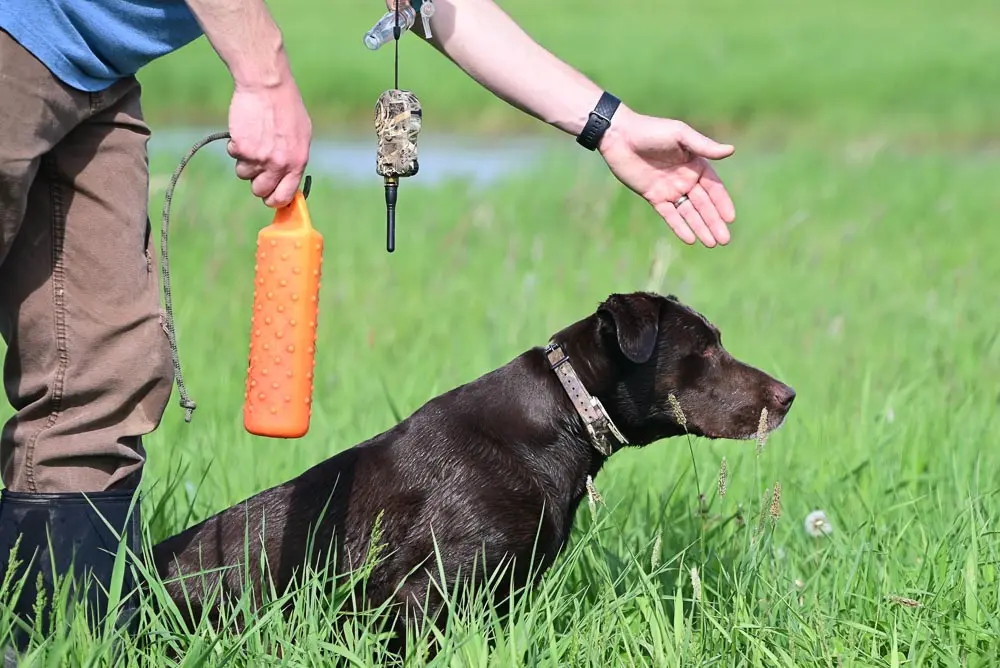
Consider toys that float if you plan to train near water. My dog instantly loved a bright orange retrieving dummy because it was easy to spot and gentle on his teeth. What kind of toy does your dog respond to the most?
Using Treats To Encourage Retrieval
High-value treats can make your dog eager to participate in training. Pick treats your dog finds irresistible, such as small pieces of cooked chicken or commercial training treats. Keep treats small to avoid overfeeding during sessions.
Try varying the treats to maintain your dog’s interest. I noticed my dog would lose focus if the same treat was used repeatedly, but switching between flavors kept him alert and motivated. Do you know which treats your dog goes crazy for?
Leashes And Harnesses For Control
A sturdy leash and comfortable harness help you guide your dog during early training. Choose a leash long enough to allow some freedom but short enough to maintain control. Avoid retractable leashes as they can cause inconsistent tension.
Using a harness instead of a collar reduces strain on your dog’s neck, especially during pulling. My dog was more willing to follow commands when I switched to a harness that fit well and didn’t irritate him. How do you ensure your dog stays comfortable while training?
Creating A Distraction-free Training Area
Pick a quiet place with minimal distractions for your first training sessions. This could be a fenced backyard or a calm park area during off-peak hours. A focused environment helps your dog understand what you want without overwhelming them.
Once your dog masters retrieving in a quiet spot, gradually introduce distractions. This step builds reliability in various settings. Have you noticed your dog’s focus change when there’s more noise or activity around?
Starting With Basic Commands
Teaching a dog to retrieve begins with basic commands. Start with “sit” and “stay” for better control. Gradually introduce fetching items, rewarding them for bringing objects back. This builds a strong foundation for retrieving tasks.
Training your dog to retrieve can be an incredibly rewarding experience, both for you and your furry friend. The key to success is starting with basic commands that lay the foundation for more complex tasks. These initial steps will build trust and communication between you and your dog, making the training process smoother and more enjoyable. Let’s dive into some essential commands to get you started.Teaching Sit And Stay
Begin by teaching your dog to sit. Use a treat to guide their nose upwards while gently pressing down on their back. Once they sit, praise them enthusiastically and give them the treat. Consistency is crucial, so practice this several times a day. Once your dog masters sitting, introduce the “stay” command. Ask them to sit, then show your palm as a signal to stay. Gradually increase the distance between you and your dog, rewarding them for staying put. If they move, calmly guide them back to their original spot and try again.Introducing The Fetch Command
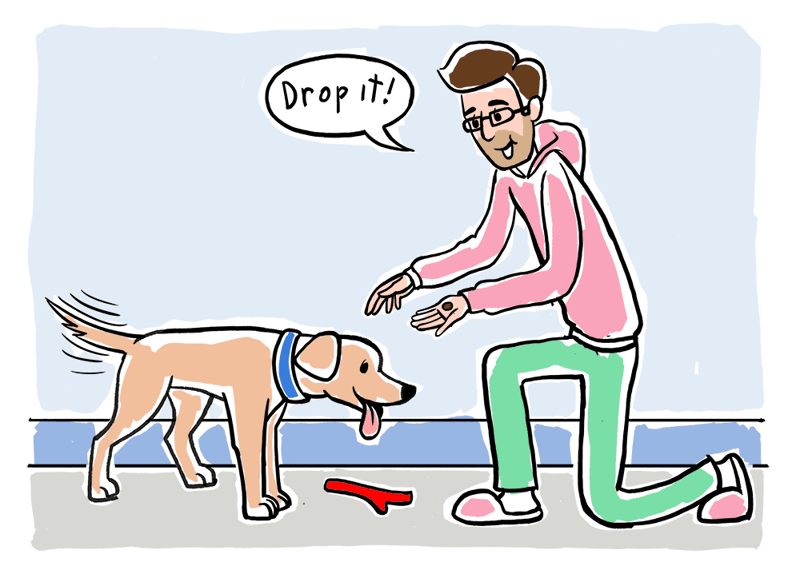
With sit and stay nailed down, it’s time to introduce the fetch command. Start by choosing a toy that your dog loves. Encourage them to take it by saying “fetch” in an excited tone. Once they grab the toy, praise them and offer a treat. Next, gently take the toy from their mouth while saying “drop it.” Reward them when they release it. Practice this sequence until your dog understands the fetch command. Have you noticed how eager they are to please? Use this to your advantage by making training sessions fun and positive.Introducing The Retrieval Object
Introducing the retrieval object is a key part of training your dog to fetch. This step helps your dog learn what to grab and bring back. Choosing the right item makes the training fun and clear. It also sets the stage for success in teaching your dog to retrieve.
Start by showing the object with excitement. Let your dog see and sniff it well. This builds a connection between the item and play or reward. Your dog starts to understand that this object is special and important.
Selecting Toys Or Items
- Pick a lightweight toy easy to carry in your dog’s mouth.
- Use soft balls, rubber toys, or a favorite plush item.
- Avoid items that can break or hurt your dog’s teeth.
- Choose something that smells good or feels interesting to your dog.
- Consistency helps—use the same object during early training sessions.
Building Interest And Excitement
- Hold the toy close to your dog’s nose to spark curiosity.
- Wave the toy slowly to catch your dog’s attention.
- Use a happy, playful voice to encourage your dog.
- Play short tug or chase games with the toy to increase excitement.
- Offer praise or treats when your dog shows interest in the toy.
Step-by-step Retrieval Training
Teaching your dog to retrieve can be a rewarding experience for both of you. It builds your dog’s confidence and strengthens your bond. The key is to break down the process into simple, manageable steps that your dog can understand and enjoy.
Encouraging Chase And Hold
Start by choosing a toy your dog loves. Throw it a short distance and encourage your dog to chase it using an excited tone. Most dogs naturally want to chase moving objects, so this taps into their instinct.
Once your dog grabs the toy, praise them warmly and encourage them to hold onto it. If they drop it quickly, try using a toy that’s easier to grip or gently hold it in their mouth yourself. Patience here is important—your dog is learning what you expect.
Teaching The Return
Getting your dog to bring the toy back is often the hardest part. Use a command like “come” or “bring it here” consistently. When your dog starts moving back with the toy, offer verbal encouragement and a cheerful voice.
If your dog doesn’t return on their own, try showing a treat or another toy to lure them back. Remember, forcing your dog can create resistance. Instead, make coming back the best part of the game.
Rewarding Success
Every time your dog completes the retrieve, reward them immediately. Use treats, praise, or play—whatever motivates your dog most. This positive reinforcement makes them eager to repeat the behavior.
Keep training sessions short and fun to maintain your dog’s interest. Have you noticed your dog’s favorite reward? Use that to keep the game exciting and effective. Small, consistent rewards build lasting habits faster than rare big ones.
Addressing Common Challenges
Training your dog to retrieve can bring a lot of joy, but it often comes with hurdles that test your patience. Recognizing and addressing these challenges early helps keep training sessions productive and fun. Let’s look at two common issues that many dog owners face and how you can tackle them effectively.
Dealing With Distractions
Distractions are everywhere, and dogs notice them more than you might think. A squirrel darting by or other dogs barking can easily pull your dog’s focus away from the game.
Start training in a quiet, familiar place to build your dog’s attention on the task. Gradually add distractions, like tossing the ball near other noises or people, and reward your dog when they stay focused.
- Use high-value treats or toys to keep your dog motivated.
- Keep training sessions short but frequent to maintain interest.
- Practice recall commands separately to strengthen your dog’s ability to come back amid distractions.
Have you noticed what specifically distracts your dog? Identifying these can help you control the environment better and improve focus.
Overcoming Reluctance To Return
Some dogs love chasing the ball but hesitate to bring it back. This reluctance can slow down progress and cause frustration.
Make returning to you the most rewarding part of the game. Call your dog back with an excited tone and offer treats or praise when they do.
Try using a second ball or toy to entice your dog to come back. Hold it in your hand and show it when they pick up the first item, encouraging them to drop and retrieve the next one.
- Never chase your dog to bring the item back; this can turn the game into a chase rather than fetch.
- Be patient and celebrate small wins to build confidence.
What rewards does your dog respond to best? Tailoring the return phase to their preferences can make a big difference.
Increasing Difficulty Gradually
Increasing the difficulty of retrieval training helps your dog build stronger skills. Start with simple tasks and slowly add challenges. This approach keeps your dog motivated and improves learning. Training should be fun and rewarding at every stage. Gradual increase in difficulty prevents frustration for both you and your dog.
Extending Distance
Begin by asking your dog to fetch nearby objects. Once your dog is confident, move the object farther away. Increase the distance in small steps. Use clear commands and show the object each time. Praise your dog for successful returns. This strengthens your dog’s ability to focus over longer distances.
Keep training sessions short to maintain your dog’s attention. Use a safe, open space for longer throws. Avoid distractions to help your dog concentrate. Gradual distance increase builds endurance and trust.
Adding Variety To Objects
Start with one type of object your dog likes. After your dog learns to retrieve it well, introduce new items. Use different shapes, sizes, and textures. This prevents boredom and teaches your dog to be adaptable.
Show the new object clearly and encourage your dog gently. Reward your dog for picking up and bringing any object. Variety helps your dog understand the general idea of retrieving, not just one item.
Credit: shootingsportsman.com
Maintaining Motivation And Fun
Keeping your dog motivated and having fun during retrieve training makes a huge difference in how quickly they learn. Dogs respond best when they feel excited and rewarded for their efforts. Your goal is to make every session enjoyable so your dog looks forward to the next one.
Using Praise And Treats
Praise and treats are powerful tools to keep your dog engaged. Use a happy, enthusiastic voice to tell your dog they did a great job. Simple words like “Good job!” or “Yes!” can boost their confidence.
Always have small, tasty treats ready to reward your dog immediately after they bring the item back. Choose treats your dog loves but save them only for training sessions. This makes the reward extra special and motivates your dog to repeat the behavior.
Have you noticed how your dog’s tail wags faster when they get a favorite snack? That’s a clear sign they are eager to continue. Use this to your advantage by timing your praise and treats perfectly.
Keeping Sessions Short And Engaging
Training sessions that last too long can cause your dog to lose interest. Keep each session brief—around 5 to 10 minutes. This keeps your dog’s energy and focus sharp.
Mix up the activities within the session to hold their attention. For example, switch between throwing the retrieve item and simple commands like “sit” or “stay.” This variety helps prevent boredom.
Try ending each session on a high note, with a successful retrieve and plenty of praise. This leaves your dog feeling accomplished and excited for the next round. What small changes can you add to make your sessions more fun and effective?
Tracking Progress And Adjusting
Tracking your dog’s progress during retrieval training is essential to know what’s working and what needs a tweak. Without monitoring, you might miss signs that your pup is either getting bored or struggling. Paying close attention helps you adjust your approach and keeps training effective and fun for both of you.
Setting Clear Milestones
Define simple, clear milestones for each training session. For example, first focus on your dog recognizing the toy, then on bringing it back halfway, and finally on a full retrieval. This breaks the process into manageable steps and makes progress visible.
Use a notebook or an app to jot down your dog’s achievements and challenges. Did your dog hesitate to pick up the toy today? Write it down. This way, you’ll spot patterns and know exactly when to push forward or slow down.
Observing Behavioral Cues
Watch your dog’s body language closely during training. Signs of frustration, like yawning or avoiding eye contact, indicate you might be moving too fast. Conversely, excitement and eagerness show your dog is ready to take on more challenge.
Have you noticed your dog dropping the toy instead of bringing it back? This might mean the reward isn’t motivating enough or the steps are too complicated. Adjust your rewards or simplify the task to keep your dog engaged.
Adjusting Training Techniques
Not every method suits every dog. If your current approach isn’t clicking, don’t hesitate to try different techniques. For instance, switch from verbal commands to hand signals or introduce a new toy that your dog prefers.
Be flexible with training duration and frequency. Some dogs benefit from short, frequent sessions while others do better with longer, less frequent ones. How does your dog respond to different session lengths? Tailor the schedule accordingly.
Using Progress Charts For Motivation
Visual tools like charts or graphs can make tracking progress motivating for you and your dog. Mark completed milestones and celebrate small wins. This keeps the process positive and goal-oriented.
| Milestone | Goal | Reward | Notes |
|---|---|---|---|
| Toy Recognition | Dog touches the toy on command | Small treat | Achieved in 3 sessions |
| Partial Retrieval | Dog brings toy halfway | Playtime | Needs more practice |
| Full Retrieval | Dog brings toy back fully | Favorite treat | Progressing well |
Are you ready to notice the small shifts in your dog’s behavior and celebrate every success? Tracking and adjusting your approach will make training smoother and more rewarding for both of you.
Credit: www.preventivevet.com
Frequently Asked Questions
How Long Does It Take To Train A Dog To Retrieve?
Training a dog to retrieve typically takes 4 to 6 weeks. Consistent daily practice and positive reinforcement speed up learning. Results vary by breed, age, and training method. Patience and short, frequent sessions improve retention and enthusiasm.
What Are The Best Tools For Teaching Retrieval?
Use a soft, lightweight fetch toy or ball for training. Avoid hard objects that could hurt the dog’s mouth. Clickers and treats help reinforce positive behavior. A long leash can assist in early recall and control.
How Can I Encourage My Dog To Bring Items Back?
Use praise and treats when your dog returns the item. Start close, gradually increasing distance. Make retrieval fun with enthusiastic play and rewards. Avoid chasing your dog as it may encourage running away.
Can All Dog Breeds Learn To Retrieve Effectively?
Most breeds can learn to retrieve with patience and training. Sporting breeds often excel due to natural instincts. Non-retrieving breeds may require more motivation and encouragement. Tailor training to your dog’s personality and energy level.
Conclusion
Training your dog to retrieve takes time and patience. Keep sessions short and fun to hold their interest. Praise your dog often to encourage good behavior. Use toys or treats as rewards to motivate learning. Practice regularly in different places to build strong skills.
Remember, every dog learns at their own pace. Stay calm and consistent throughout the training process. Enjoy the special bond that grows while teaching your dog. With effort and kindness, your dog will happily fetch on command.