
If you struggle with anxiety, you know how hard it can be to find relief when you need it most. What if your best companion could help calm your mind and bring you peace every day?
Training a service dog for anxiety yourself might sound challenging, but with the right steps, you can create a powerful bond that supports your well-being. You’ll discover simple, effective ways to train your own service dog to recognize your needs and provide comfort exactly when you need it.
Keep reading to learn how to turn your dog into a trusted partner who helps you face anxiety with confidence.
Choosing The Right Dog
Choosing the right dog is a crucial step in training a service dog for anxiety. The success of your training depends largely on the dog’s natural abilities and personality. Picking a dog that matches the specific needs of anxiety support will make the process smoother and more effective for both of you.
Traits For Anxiety Support
Look for dogs that are calm, patient, and highly attentive. These traits help the dog notice subtle changes in your behavior or mood, which is essential for providing timely support.
Reliability is key. Your service dog must stay focused and not get easily distracted, especially in stressful situations. Loyalty and a strong bond with you will also enhance their responsiveness.
Breeds That Excel
Certain breeds naturally possess qualities that make them excellent anxiety support dogs. Labrador Retrievers and Golden Retrievers are popular choices due to their friendly nature and high trainability.
Smaller breeds like Poodles or Cavalier King Charles Spaniels can also be great if you prefer a dog that’s easier to carry or handle. Consider what fits your lifestyle and living space before deciding on a breed.
Assessing Temperament
Spend time interacting with potential dogs before making a choice. Observe how they react to new people, noises, and environments. Are they calm or easily startled?
Ask yourself if the dog shows empathy or seems to notice when you’re upset. A dog with a balanced temperament will adapt better to the demands of service work for anxiety.
Have you considered how the dog’s energy level matches your daily routine? A mismatch can lead to frustration for both of you during training and beyond.
Credit: www.servicedogcertifications.org
Basic Obedience Training
Basic obedience training forms the foundation for a reliable service dog. It helps your dog understand what you expect. This training builds trust and clear communication. A well-trained dog responds calmly and confidently. This is essential for managing anxiety situations. Start with simple commands and consistent practice. Patience and kindness guide your dog to success.
Essential Commands
Teach your dog core commands first. These include:
- Sit:Helps control your dog in busy places.
- Stay:Keeps your dog calm and in place.
- Come:Ensures your dog returns to you quickly.
- Down:Encourages calmness and reduces stress.
- Heel:Keeps your dog close during walks.
Repeat commands in short sessions. Use clear words and hand signals. Consistency helps your dog learn faster.
Positive Reinforcement Techniques
Reward good behavior to encourage learning. Use treats, praise, or playtime as rewards. Avoid punishment; it can create fear or confusion. Timing is crucial—reward immediately after the desired action. Keep training fun and stress-free. This strengthens your dog’s confidence and trust in you.
Establishing A Routine
A daily training schedule helps your dog know what to expect. Choose quiet times for training sessions. Short, frequent sessions work better than long ones. End each session positively to keep your dog eager. A routine reduces anxiety by creating stability. Consistent practice builds strong habits for your service dog.
Specialized Anxiety Tasks
Training a service dog for anxiety involves teaching tasks that calm and support during stress. Focus on simple commands and consistent practice to help your dog respond to anxiety symptoms. Patience and positive reinforcement make the process effective and rewarding.
Training a service dog for anxiety involves teaching them specialized tasks tailored to alleviate symptoms. These tasks are designed to directly address anxiety-related issues, providing immediate relief and support. By focusing on specific actions, you can create a routine that helps your dog become more effective in supporting your mental health.Deep Pressure Therapy Training
Deep pressure therapy is a comforting technique where the dog uses its body weight to calm you. Start by teaching your dog to lie across your lap or chest on command. Use positive reinforcement, like treats and praise, to encourage this behavior. Gradually increase the time your dog stays in position. This practice can significantly reduce anxiety levels during a panic attack. Have you ever noticed how a warm hug can make you feel better? This technique works on a similar principle.Alerting To Anxiety Signs
Training your dog to alert you to anxiety signs involves recognizing subtle cues. Begin by identifying your anxiety triggers and physical reactions. Teach your dog to notice these changes and respond with a specific action, like nudging you. Use consistent training sessions to reinforce this behavior. Reward your dog every time they alert you successfully. Imagine having an extra pair of eyes to catch those early signs of anxiety before they escalate.Creating Comforting Behaviors
Develop comforting behaviors that help soothe your anxiety. This could be anything from your dog resting their head on your lap to bringing you a favorite item. Choose actions that you find calming and reassuring. Practice these behaviors regularly, rewarding your dog with treats and affection. The key is consistency and patience. What small, comforting action could make a big difference in your daily life? By focusing on these specialized tasks, you empower your service dog to become an invaluable ally in managing anxiety. With dedication and persistence, these skills can transform your dog’s role into a dependable source of comfort and support.Socialization And Public Access
Socialization and public access are key parts of training a service dog for anxiety. These skills help the dog stay calm and focused in busy, new, or unexpected places. A well-socialized service dog can support its handler confidently in many environments.
Introducing New Environments
Start by bringing your dog to different places slowly and calmly. Choose quiet spots first. Let the dog explore at its own pace. Use treats and praise to create positive feelings. Gradually increase the variety of locations, like parks, stores, or public transport. This helps the dog get used to new sights, sounds, and smells.
Handling Crowded Spaces
Crowded places can be stressful for dogs with anxiety. Practice short visits to busy areas during calm times. Keep your dog close and use a gentle voice. Reward calm behavior with treats or toys. If the dog shows signs of stress, step back or leave the area. Over time, these small successes build comfort with crowds.
Building Confidence In Social Settings
Social settings include meeting people and other dogs. Teach your dog to focus on you, ignoring distractions. Use commands like “watch me” or “stay.” Reward attention and calmness. Avoid forcing interactions. Let your dog decide when to approach others. Confidence grows when your dog feels safe and in control.
Maintenance And Consistency
Training a service dog for anxiety is an ongoing process. Maintenance and consistency keep the dog confident and reliable. Regular attention to training ensures the dog remembers important skills. It helps the dog stay calm and supportive in different situations. Consistency builds trust between you and your service dog.
Regular Practice Sessions
Short, frequent practice sessions work best. Aim for 10 to 15 minutes daily. Use the same commands and signals each time. Practice in various places to help the dog adapt. Keep sessions positive and reward good behavior. This routine strengthens the dog’s skills and focus.
Monitoring Progress
Track the dog’s behavior and response to commands. Note improvements and areas needing work. Watch for signs of stress or confusion in the dog. Keep a simple journal or checklist for daily observations. This helps identify patterns and adjust training effectively. Monitoring ensures the dog stays on the right path.
Adjusting Training As Needed
Change exercises based on the dog’s progress. Add new skills gradually to avoid overwhelming the dog. Simplify tasks if the dog struggles. Use extra rewards to motivate during tough moments. Adapt training to fit the dog’s comfort and learning speed. Flexibility keeps training effective and enjoyable.

Credit: www.youtube.com
Legal And Certification Basics
Training a service dog for anxiety requires more than just teaching skills. Understanding the legal and certification basics is key. Knowing your rights and the rules helps you avoid problems in public spaces. It also ensures your dog can support you without unnecessary challenges.
Understanding Service Dog Laws
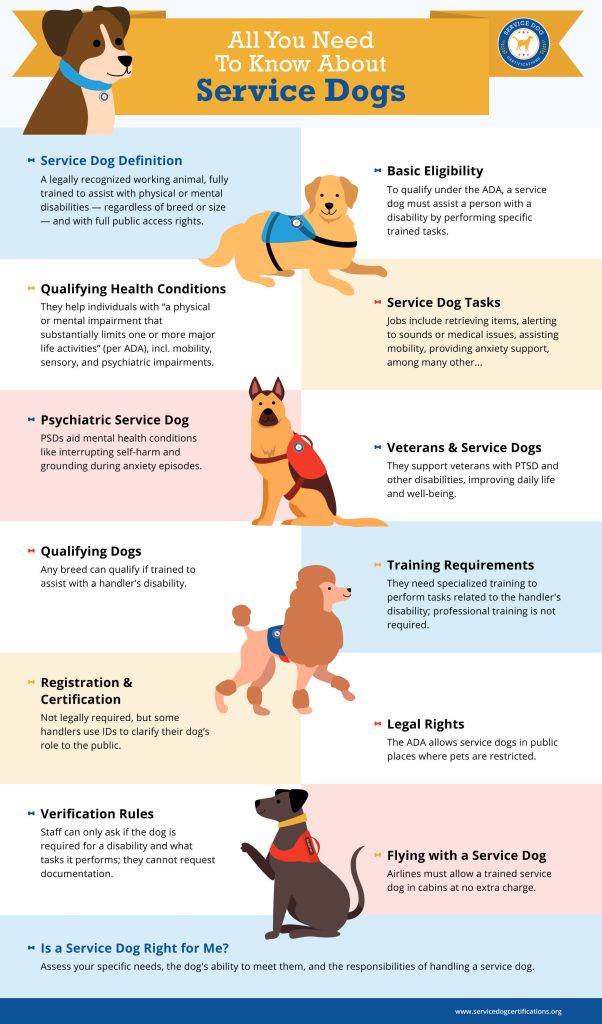
Service dogs have legal protection under laws like the Americans with Disabilities Act (ADA). These laws allow service dogs to accompany their owners in most public places. The dog must be trained to perform tasks that help with a disability. Owners do not have to show proof of certification. Businesses can only ask if the dog is a service animal and what tasks it performs. They cannot ask for medical records or require a special ID.
Certification Myths
No official government certification exists for service dogs. Some companies sell certificates or vests, but these do not guarantee legal status. Certification is not required by law. The dog’s behavior and training matter more than any papers. A well-trained service dog can pass public access tests and behave properly in public. Avoid spending money on fake certifications. Focus on training and preparing your dog instead.
Preparing For Public Access Tests
Public access tests show if a service dog can behave well in public. These tests check if your dog stays calm, listens to commands, and ignores distractions. The dog must not bark, jump on people, or cause trouble. Practicing in different places helps your dog get used to crowds and noises. Good manners and steady behavior are essential. Passing these tests makes it easier to take your dog anywhere with you.
Common Challenges And Solutions
Training a service dog for anxiety on your own can be rewarding but also comes with its own set of challenges. Recognizing these obstacles early helps you prepare effective solutions and maintain progress. Let’s look at some common issues you might face and how to handle them without losing momentum.
Managing Distractions
Distractions can derail your training sessions quickly. Your dog might get sidetracked by noises, other animals, or even smells. To keep focus, try training in a quiet, familiar space before gradually introducing distractions.
Use short, frequent sessions to hold your dog’s attention. Reward calm behavior immediately with treats or praise. Have you noticed how your dog reacts differently in busy environments? Adjust your approach based on those reactions to build better focus.
Addressing Behavioral Issues
Some dogs show anxiety or resistance during training, which can slow progress. Common issues include barking, jumping, or refusal to obey commands. Instead of punishing, try redirecting their energy with a favorite toy or a calming command.
Consistency is key here. Make sure you use the same commands and signals every time. If your dog struggles with a particular behavior, break the task into smaller steps. Have you tried changing your tone or body language to see if it helps your dog understand better?
Staying Patient And Motivated
Training a service dog for anxiety is a long journey that tests your patience. You might feel frustrated when progress stalls or setbacks happen. Keep reminding yourself why you started and celebrate even small victories.
Set realistic goals and track your dog’s improvements regularly. When motivation dips, try mixing up the training routine or involving a friend for support. What keeps you going when things get tough during training?

Credit: my.americanservicepets.com
Frequently Asked Questions
What Are The First Steps To Train A Service Dog For Anxiety?
Start by teaching basic obedience commands like sit and stay. Gradually introduce anxiety-specific tasks such as deep pressure therapy. Consistency and patience are key. Early socialization helps your dog adapt to different environments and situations effectively.
How Long Does It Take To Train A Service Dog For Anxiety?
Training can take several months to over a year. It depends on the dog’s temperament and training frequency. Consistent daily sessions improve learning speed. Regular practice helps the dog master anxiety-relief tasks reliably.
Can I Train My Own Dog To Be A Service Dog?
Yes, you can train your own dog if they have the right temperament. They should be calm, intelligent, and sociable. Proper training and certification are essential for public access rights. Professional guidance can improve success rates.
What Tasks Can A Service Dog Perform For Anxiety?
Service dogs can provide deep pressure therapy, interrupt panic behaviors, and guide their handler to safe spaces. They also remind handlers to take medication and offer tactile comfort during anxiety attacks.
Conclusion
Training a service dog for anxiety takes patience and care. Start with basic commands and build trust daily. Consistent practice helps your dog learn important tasks. Small steps lead to strong bonds and better support. Remember, every dog learns at its own pace.
Stay calm and positive throughout the process. Your effort will improve both your and your dog’s life. Keep training simple and enjoy the journey together. Service dogs bring comfort and confidence in many ways. You have the power to make a real difference.